Evaluation of various membranes for blood-feeding in nine sand fly species and artificial feeding challenges in Sergentomyia minuta
Anna Hošková, Barbora Vojtková, Markéta Stejskalová, Nikola Polanská, Magdalena Jančářová, Lidiane Medeiros da Costa, Mauricio Roberto Viana Sant´Anna, Petr Volf, Jovana Sádlová

TL;DR
This study tested different membranes for blood-feeding in nine sand fly species, finding that duck foot webbing and blood plasma application improved feeding rates, but Sergentomyia minuta failed to feed reliably.
Contribution
The study identifies duck foot webbing and blood plasma application as novel methods to enhance artificial blood-feeding in sand flies.
Findings
Duck foot webbing was the most effective membrane for blood-feeding in several sand fly species.
Applying coagulated blood plasma to membranes significantly increased feeding rates.
Sergentomyia minuta failed to feed reliably on blood through tested membranes, hindering vector competence studies.
Abstract
We evaluated various membranes for blood-feeding in nine sand fly species from different genera and subgenera. Most of these species are vectors of human-pathogenic Leishmania, whereas Sergentomyia minuta is a herpetophilic sand fly species and a proven vector of Leishmania (Sauroleishmania) tarentolae. Female sand flies were offered blood through a range of membranes (chicken, reptilian, and frog skin; synthetic collagen; pig intestine; and duck foot webbing). Two feeding systems (glass feeder, Hemotek) and different blood sources (human, ovine, avian, and reptilian) were used. Feeding trials were conducted under varying thermal and light conditions to determine the optimal parameters. Among the 4950 female S. minuta tested, only a negligible fraction took a blood meal: 2% of the females fed on avian blood, and 0.2% of the females fed on human blood. In eight other species, the…
Genes, proteins, chemicals, diseases, species, mutations and cell lines named across the full text — each resolved to its canonical identifier and authoritative record.
Click any figure to enlarge with its caption.
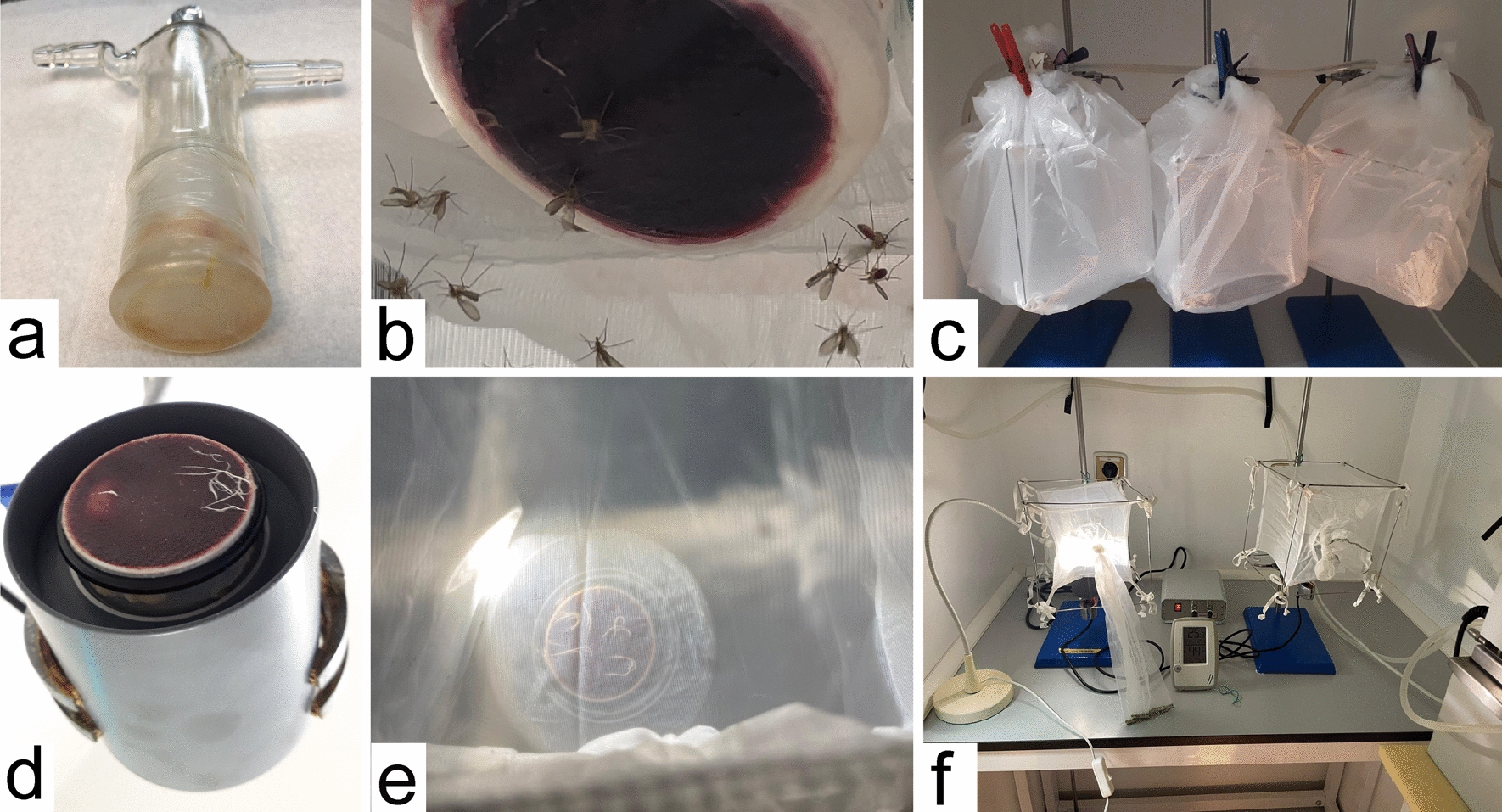 Figure 1
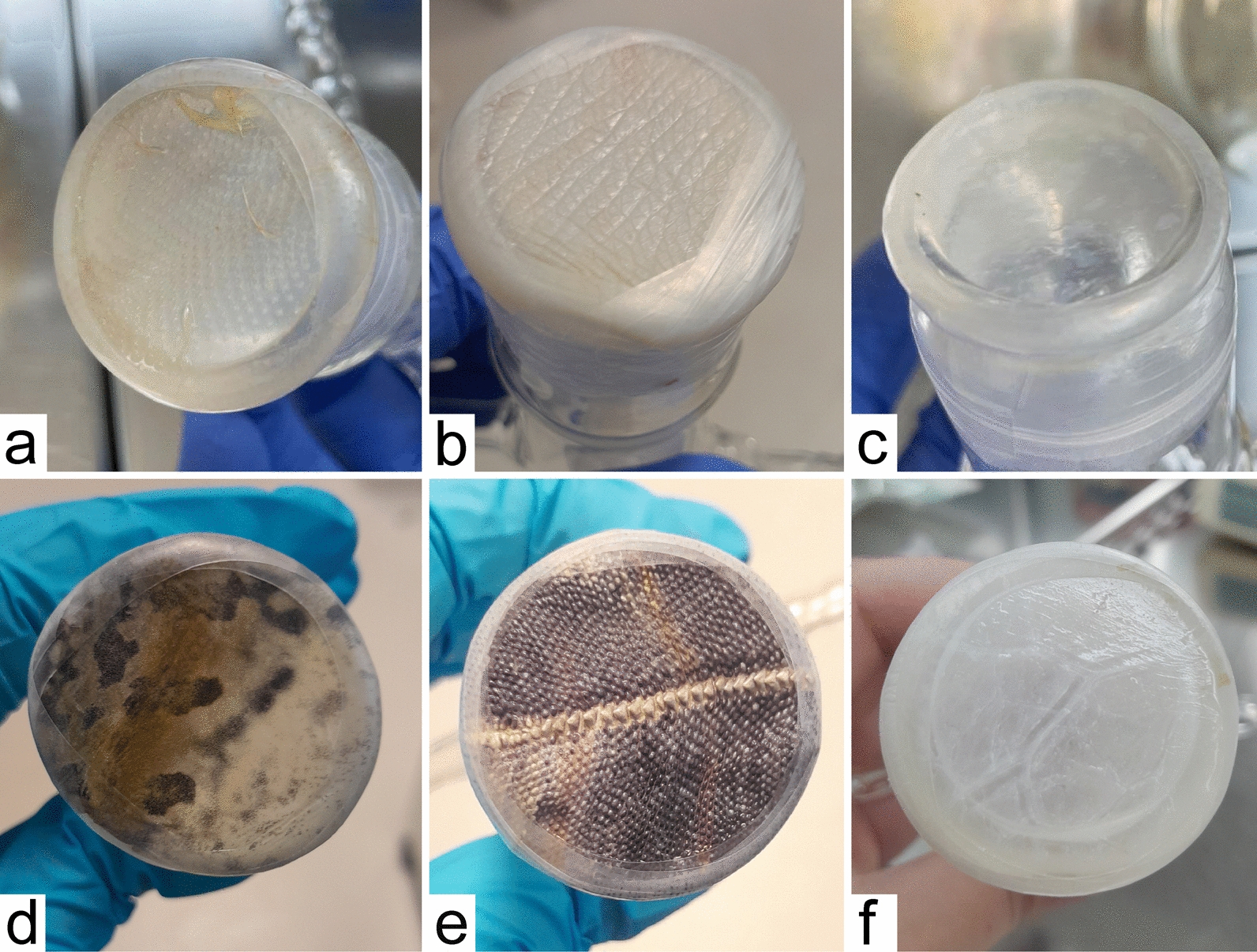 Figure 2
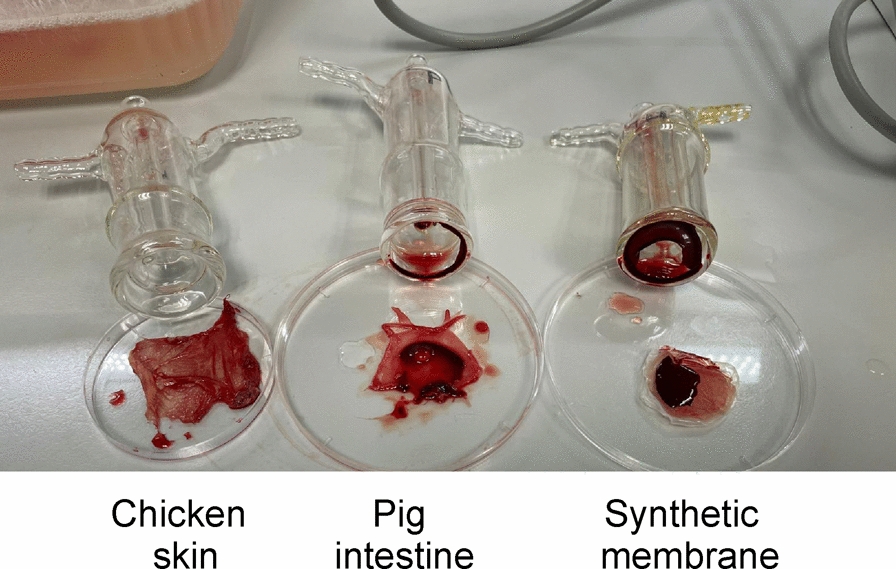 Figure 3
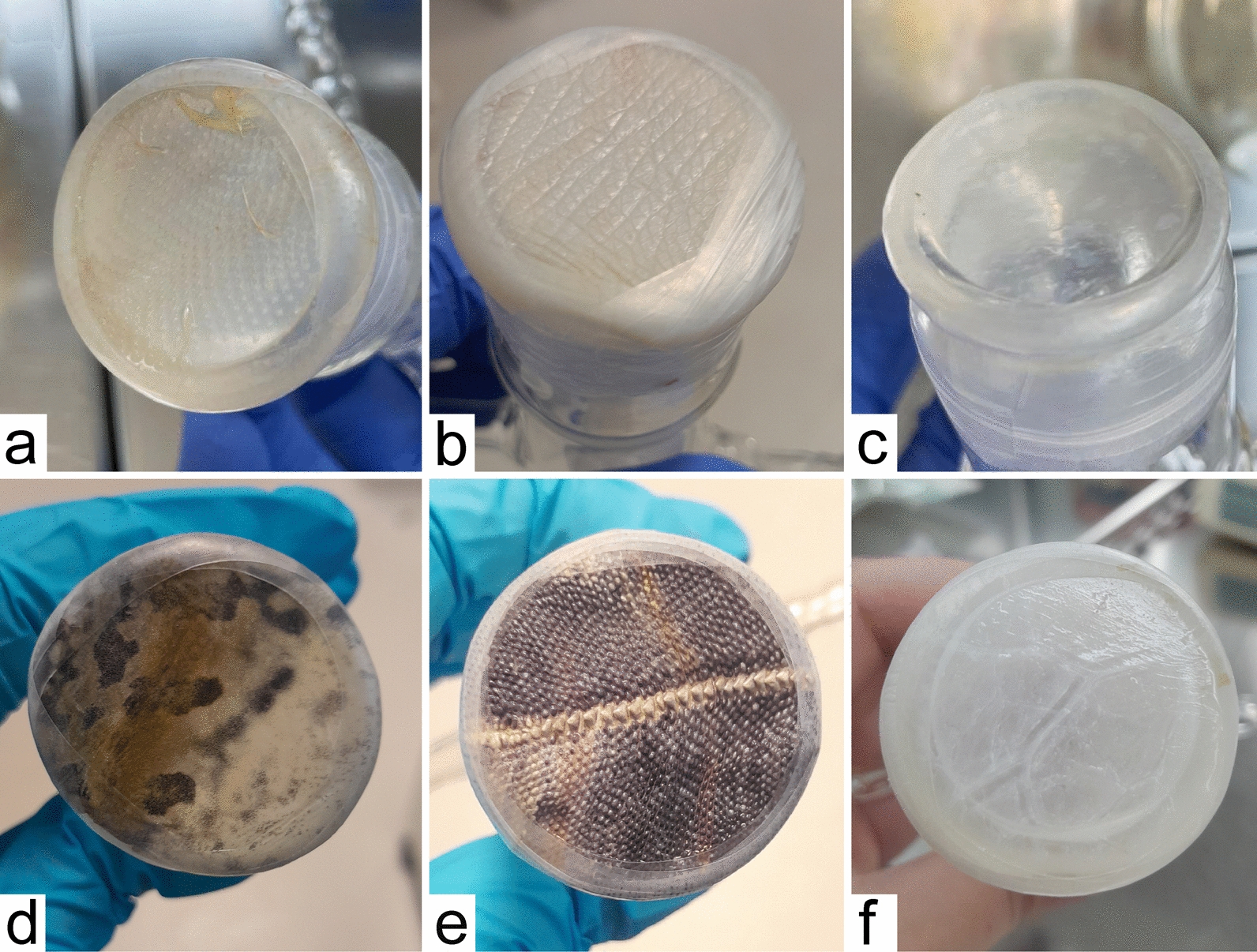 Figure 4
Peer Reviews
No public reviews on file for this paper yet. If you reviewed it on a platform where reviews are public (OpenReview, ICLR, NeurIPS, ICML), you can paste yours below so the community can read it here.
Videos
No videos yet. Explain this paper in a talk, walkthrough, or lecture? Add one.
Taxonomy
TopicsResearch on Leishmaniasis Studies