Toward model-based individualized fitting of hip-flexion exosuits for persons with unilateral transfemoral amputation
Finn G. Eagen, Nicholas P. Fey

TL;DR
This paper explores how hip-flexion exosuits can help people with transfemoral amputations walk more comfortably by using personalized models to optimize device configurations.
Contribution
The study introduces a model-based approach for individualized hip-flexion exosuit fitting for transfemoral amputees using subject-specific simulations and optimization.
Findings
Optimal exosuit configurations varied significantly across individuals.
Mobility group classification did not consistently reduce configuration variability.
User-specific design is essential for effective exosuit performance.
Abstract
The muscular restructuring and loss of function that occurs during a transfemoral amputation surgery has a great impact on the gait and mobility of the individual. The hip of the residual limb adopts a number of functional roles that would previously be controlled by lower joints. In the absence of active plantar flexors, swing initiation must be achieved through an increased hip flexion moment. The high activity of the residual limb is a major contributor to the discomfort and fatigue experienced by individuals with transfemoral amputations during walking. In other patient populations, both passive and active hip exosuits have been shown to positively affect gait mechanics. We believe an exosuit configured to aid with hip flexion could be well applied to individuals with transfemoral amputation. In this article, we model the effects of such a device during whole-body, subject-specific…
Genes, proteins, chemicals, diseases, species, mutations and cell lines named across the full text — each resolved to its canonical identifier and authoritative record.
Click any figure to enlarge with its caption.
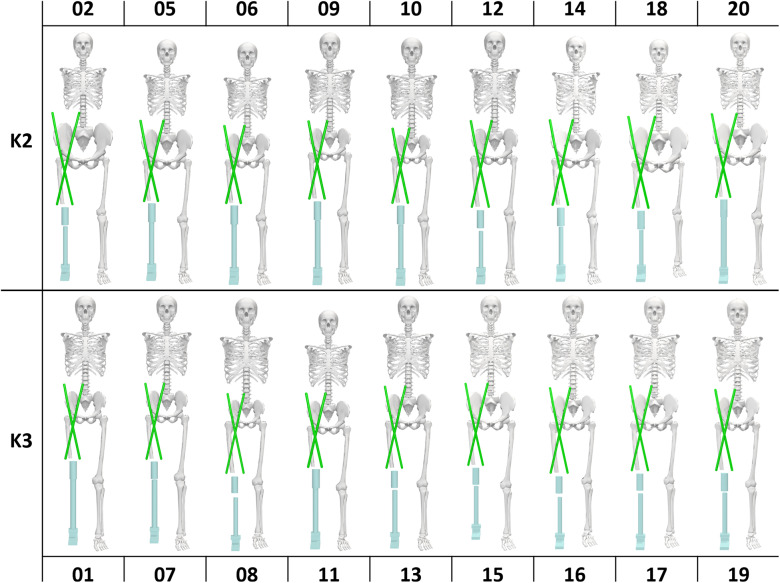 Figure 1
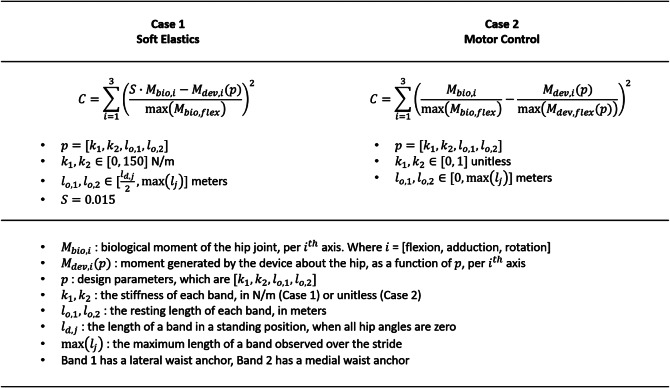 Figure 2
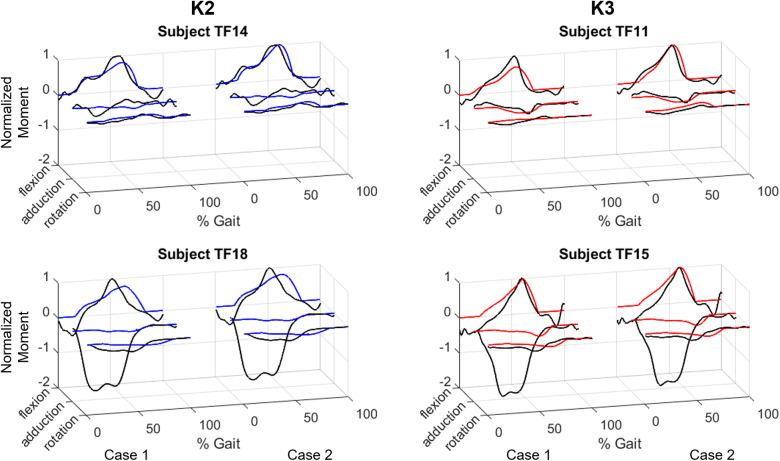 Figure 3
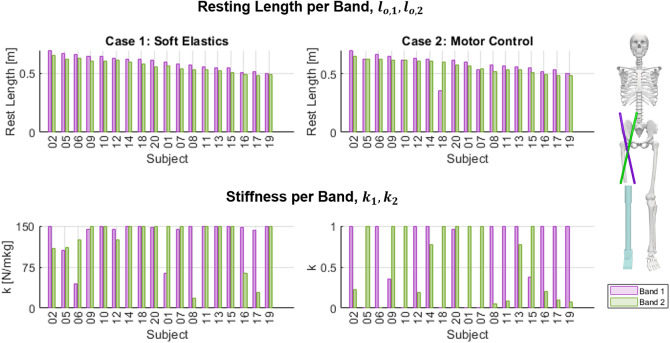 Figure 4
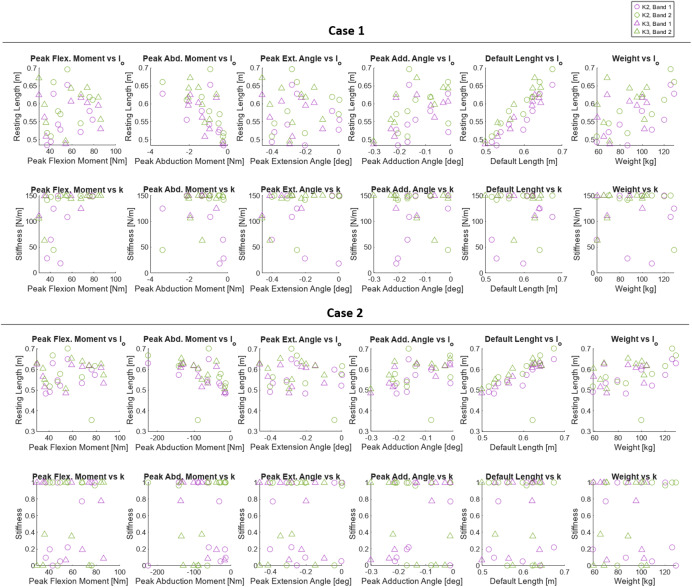 Figure 5
 Figure 6
 Figure 7
 Figure 8
 Figure 9
 Figure 10
 Figure 11
 Figure 12
 Figure 13
 Figure 14
 Figure 15
 Figure 16
 Figure 17
 Figure 18
 Figure 19
 Figure 20
 Figure 21
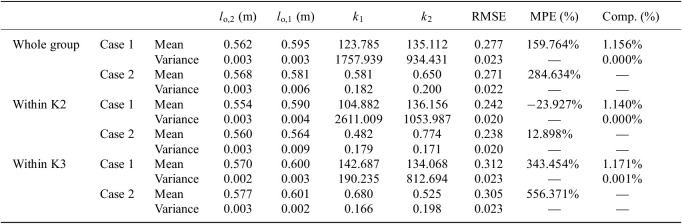 Figure 22
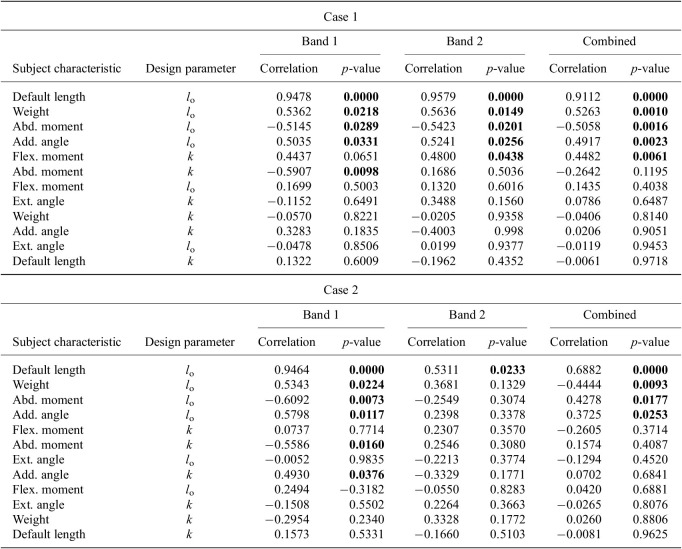 Figure 23
Peer Reviews
No public reviews on file for this paper yet. If you reviewed it on a platform where reviews are public (OpenReview, ICLR, NeurIPS, ICML), you can paste yours below so the community can read it here.
Videos
No videos yet. Explain this paper in a talk, walkthrough, or lecture? Add one.
Taxonomy
TopicsProsthetics and Rehabilitation Robotics · Muscle activation and electromyography studies · Stroke Rehabilitation and Recovery