2D data arrangement to train ANN for depression levels measurement
Al Fathjri Wisesa, Eny Latifah, Sutrisno, Suyatno, Tutut Chusniyah, Kukuh Setyo Pambudi, Mochamad Khoirul Rifai, Moh. Fariq Firdaus Karim, Anugerah Agung Dwi Putra

TL;DR
This paper introduces a method using 2D data combining physical and psychological parameters to train ANNs for measuring depression levels more accurately.
Contribution
The novel contribution is the integration of psychological and physical parameters as a two-dimensional dataset for training ANNs in depression detection.
Findings
A significant correlation was found between increased stress perception and elevated heart rate and reduced sleep quality.
The dataset includes all levels of depression, enhancing the effectiveness of depression measurement using 2D data.
Using 2D data improves the ANNs' ability to detect interaction patterns between physical and psychological parameters.
Abstract
We arranged data to train Artificial Neural Networks (ANNs) designed as a depression-level measurement tool. Even though, as an advanced form of stress, depression impacts many physical parameters disorder, measuring depression using only physical parameters is insufficient. It is urgent to integrate comprehensively psychological and physical parameters as two dimensions, 2D, data. We harvested the dataset of 95 respondents from college students. The physical dimension consisted of four parameters measured noninvasively, and the psychological dimension was assessed using the Perceived Stress Scale (PSS). The initial analysis revealed notable correlations between increased stress perception and certain physical parameters analysis, particularly an elevated heart rate and reduced sleep quality. The highly significant p-value provided strong evidence that the observed difference in means…
Genes, proteins, chemicals, diseases, species, mutations and cell lines named across the full text — each resolved to its canonical identifier and authoritative record.
Click any figure to enlarge with its caption.
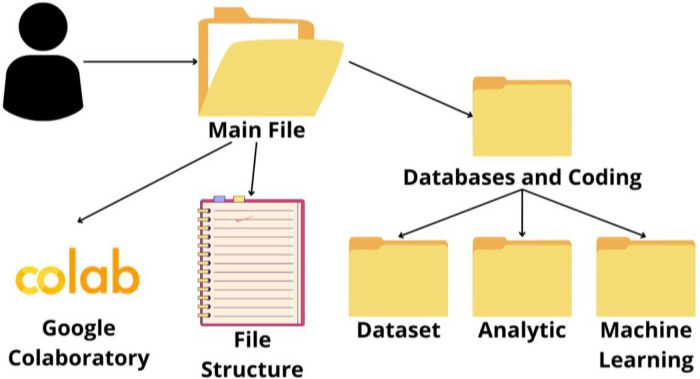 Figure 1
 Figure 2
Peer Reviews
No public reviews on file for this paper yet. If you reviewed it on a platform where reviews are public (OpenReview, ICLR, NeurIPS, ICML), you can paste yours below so the community can read it here.
Videos
No videos yet. Explain this paper in a talk, walkthrough, or lecture? Add one.
Taxonomy
TopicsFunctional Brain Connectivity Studies · EEG and Brain-Computer Interfaces · Mental Health Research Topics