Creation of Scientific Response Documents for Addressing Product Medical Information Inquiries: Mixed Method Approach Using Artificial Intelligence
Jerry Lau, Shivani Bisht, Robert Horton, Annamaria Crisan, John Jones, Sandeep Gantotti, Evelyn Hermes-DeSantis

TL;DR
This paper explores using AI to help create concise, accurate medical response documents for pharmaceutical companies, addressing challenges like time-consuming paraphrasing and data extraction.
Contribution
A mixed-method framework integrating AI tools and human oversight to streamline scientific response document creation in the pharmaceutical industry.
Findings
Paraphrasing scientific articles is the most time-consuming task in SRD development.
Machine learning models achieved high accuracy in classifying and extracting relevant data for SRDs.
BLEU and semantic similarity metrics showed varying preferences among reviewers for paraphrased content.
Abstract
Pharmaceutical manufacturers address health care professionals’ information needs through scientific response documents (SRDs), offering evidence-based answers to medication and disease state questions. Medical information departments, staffed by medical experts, develop SRDs that provide concise summaries consisting of relevant background information, search strategies, clinical data, and balanced references. With an escalating demand for SRDs and the increasing complexity of therapies, medical information departments are exploring advanced technologies and artificial intelligence (AI) tools like large language models (LLMs) to streamline content development. While AI and LLMs show promise in generating draft responses, a synergistic approach combining an LLM with traditional machine learning classifiers in a series of human-supervised and -curated steps could help address limitations,…
Genes, proteins, chemicals, diseases, species, mutations and cell lines named across the full text — each resolved to its canonical identifier and authoritative record.
Click any figure to enlarge with its caption.
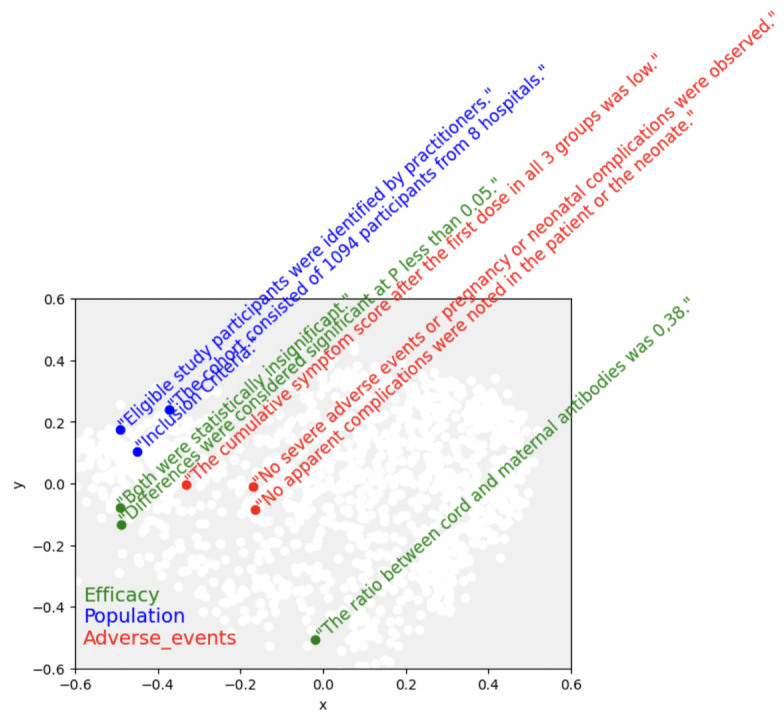 Figure 1
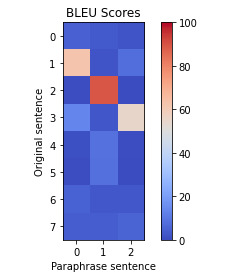 Figure 10
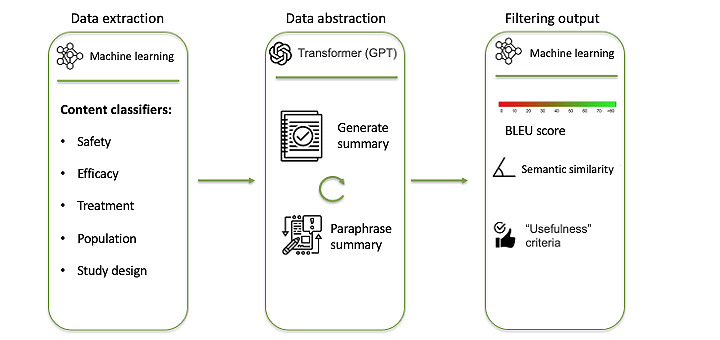 Figure 2
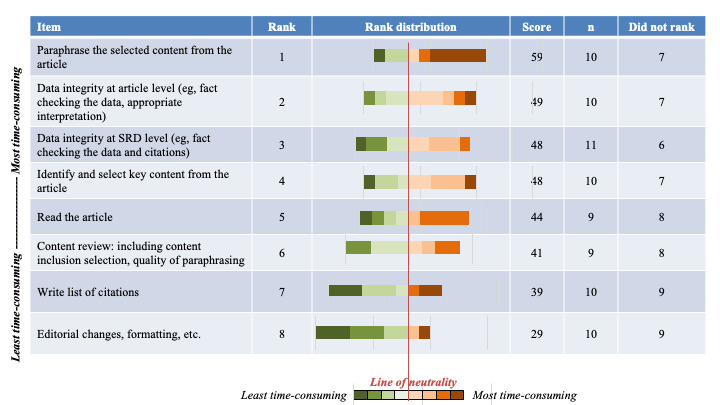 Figure 3
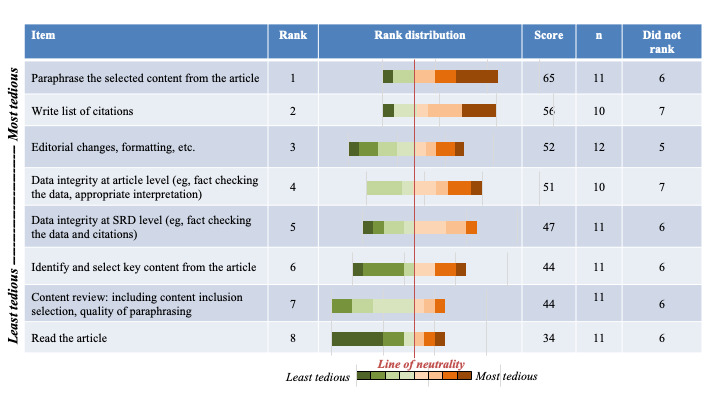 Figure 4
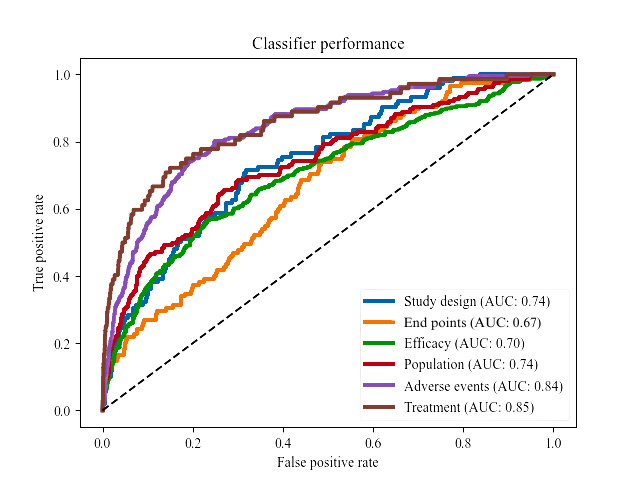 Figure 5
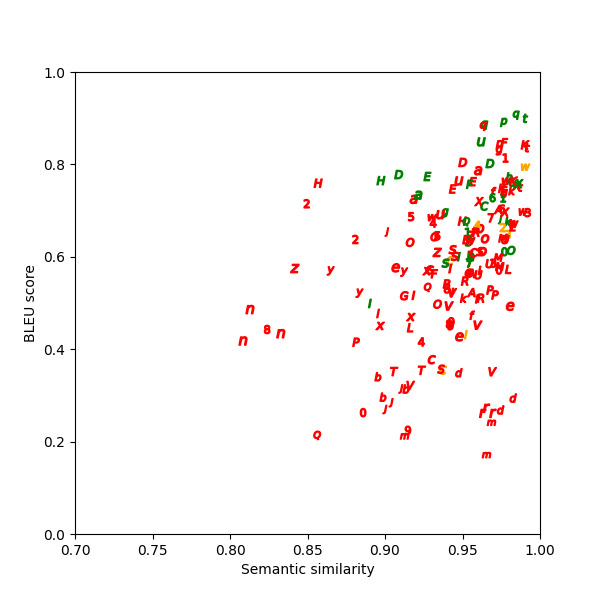 Figure 6
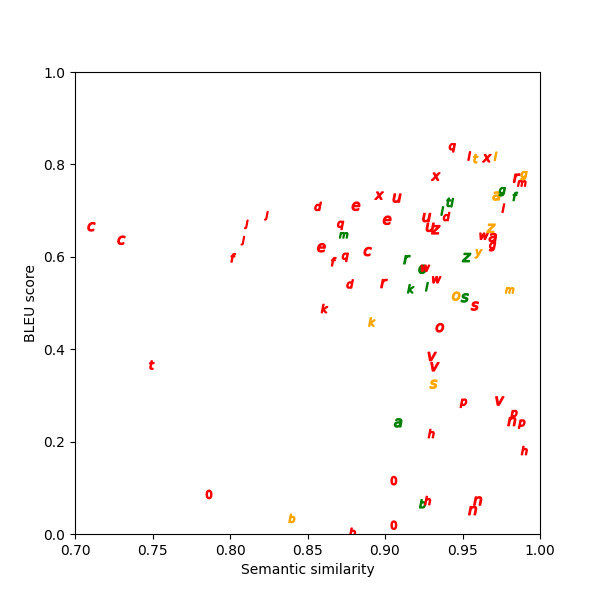 Figure 7
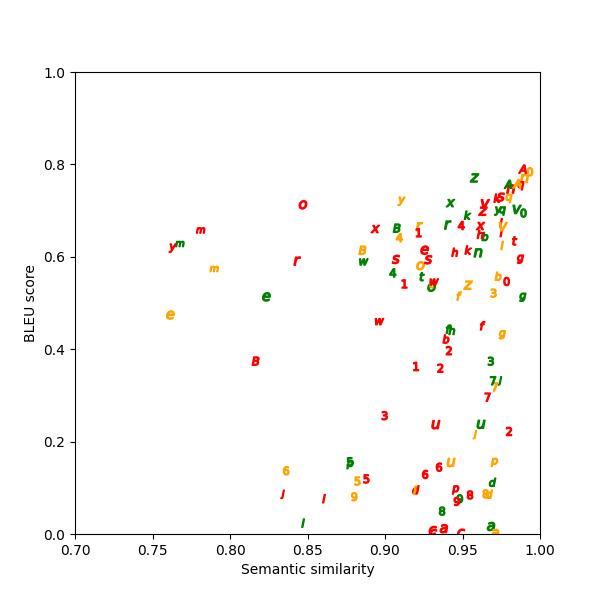 Figure 8
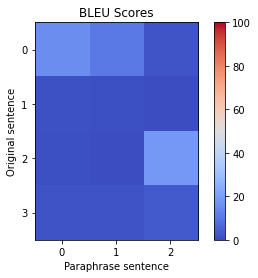 Figure 9
Peer Reviews
No public reviews on file for this paper yet. If you reviewed it on a platform where reviews are public (OpenReview, ICLR, NeurIPS, ICML), you can paste yours below so the community can read it here.
Videos
No videos yet. Explain this paper in a talk, walkthrough, or lecture? Add one.
Taxonomy
TopicsArtificial Intelligence in Healthcare and Education · Academic integrity and plagiarism · COVID-19 diagnosis using AI