Immune checkpoint inhibitor restores daily function in patient with microsatellite instability (MSI)-high advanced endometrial cancer and poor performance status
Ayaka Matsui, Taichi Yoshida, Yuya Takahashi, Koji Fukuda, Kazuhiro Shimazu, Daiki Taguchi, Hanae Shinozaki, Naoaki Kodama, Shunsuke Kato, Hironori Waki, Hiroshi Nanjo, Hiroyuki Shibata

TL;DR
An immune checkpoint inhibitor helped a patient with advanced endometrial cancer regain mobility and return to work despite poor initial health.
Contribution
This case demonstrates the potential of immune checkpoint inhibitors in patients with poor performance status and MSI-high endometrial cancer.
Findings
The patient regained independent mobility and returned to work after ICI treatment.
ICI therapy led to lesion disappearance or calcification in a patient with MSI-high endometrial cancer.
Side effects were manageable with hormone replacement and temporary drug suspension.
Abstract
The immune checkpoint system suppresses T-cell activity. Unlike cytotoxic anticancer drugs that directly kill cells, immune checkpoint inhibitors (ICIs) are generally safer by stimulating tumor immunity. However, most clinical trials require patients to have a better performance status (PS), leaving limited evidence for those with poorer PS. In practice, patients may be classified with poor PS due to tumor-induced pain and motor dysfunction, even if major organs remain functional. Real-world data on non-small cell lung cancer has shown no safety difference between patients with PS 3/4 and those with lower PS. Approximately 20–30% of endometrial cancer cases show microsatellite instability-high (MSI-high), the highest among common malignancies. A 46-year-old patient with advanced, recurrent endometrial cancer resistant to standard chemotherapy, and PS of 4 from severe pelvic pain, was…
Genes, proteins, chemicals, diseases, species, mutations and cell lines named across the full text — each resolved to its canonical identifier and authoritative record.
Click any figure to enlarge with its caption.
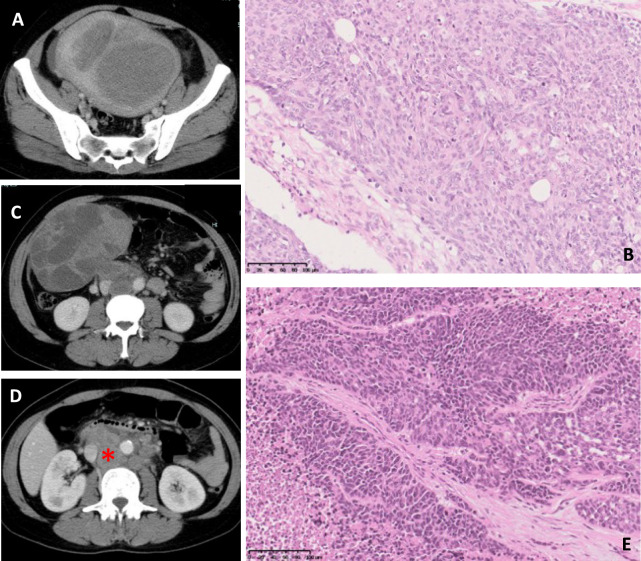 Figure 1
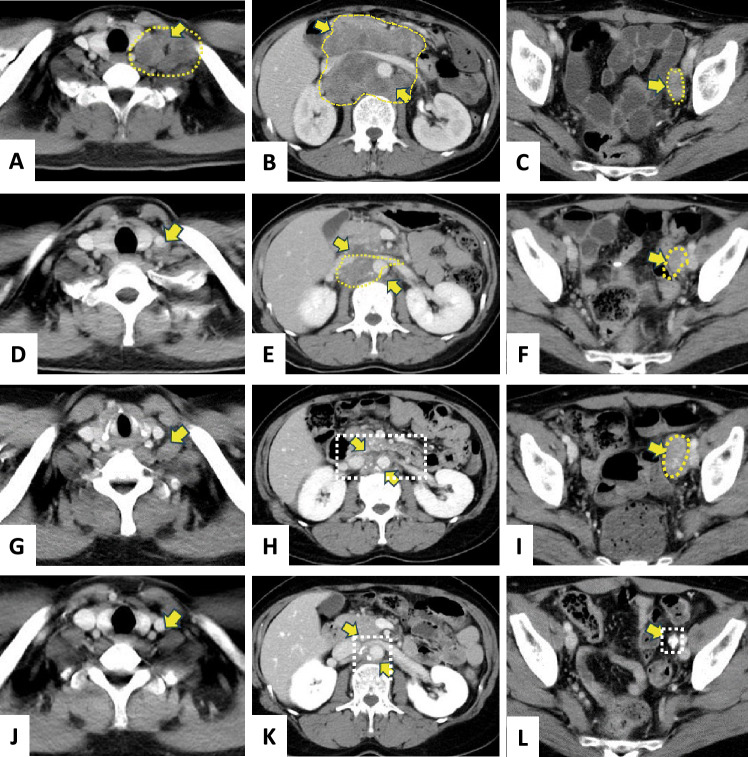 Figure 2
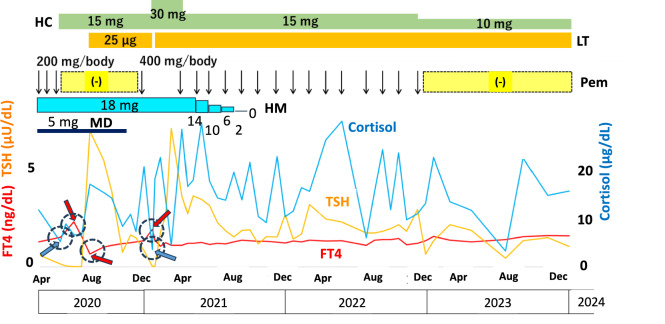 Figure 3
Peer Reviews
No public reviews on file for this paper yet. If you reviewed it on a platform where reviews are public (OpenReview, ICLR, NeurIPS, ICML), you can paste yours below so the community can read it here.
Videos
No videos yet. Explain this paper in a talk, walkthrough, or lecture? Add one.
Taxonomy
TopicsGenetic factors in colorectal cancer · Endometrial and Cervical Cancer Treatments · Cancer Immunotherapy and Biomarkers