Virulence and resistance gene analysis of Rothia nasimurium by whole gene sequencing
Ziyue Lu, Sun He, Ali Adnan, Wenyu Fan, Jinliang Sheng, Yanming Sun, Yanbing Zhang, Gang Wang

TL;DR
This study analyzed a drug-resistant Rothia nasimurium strain from sick sheep in China, identifying its virulence and resistance genes and pathogenic effects.
Contribution
The study provides new insights into the virulence and antibiotic resistance mechanisms of a pathogenic Rothia nasimurium strain.
Findings
The strain Y1 showed resistance to 9 antibiotics and sensitivity only to amikacin and vancomycin.
Draft genome sequencing revealed 112 virulence-related genes, including those for adhesion, hemolysin, and iron uptake.
Animal tests confirmed that Y1 causes lung damage, coat loss, and skin inflammation.
Abstract
A batch of sheep in a sheep farm in Xinjiang, China, died suddenly; a bacterial strain was isolated from the abdominal fluid of the sick and dead sheep, and identified as Rothia nasimurium by 16S sequencing, and the strain Y1 was subjected to drug sensitivity test with Draft gene sequencing. The results of the drug sensitivity test revealed the strain’s resistance to 9 antibiotics, with sensitivity exhibited solely towards amikacin and vancomycin. Phylogenetic tree analysis confirmed that it was related to Rothia nasimurium strain E1706032 and Rothia sp.SD9660Na. The draft genome sequencing results showed that the total length of the gene was 2,387,685 bp, and the GC content was 59.35%. VFDB database analysis identified 112 annotated genes in Y1, including those related to bacterial adhesion, regulation, nutrient metabolism factors, hemolysin, immunomodulation, and iron uptake proteins.…
Genes, proteins, chemicals, diseases, species, mutations and cell lines named across the full text — each resolved to its canonical identifier and authoritative record.
Click any figure to enlarge with its caption.
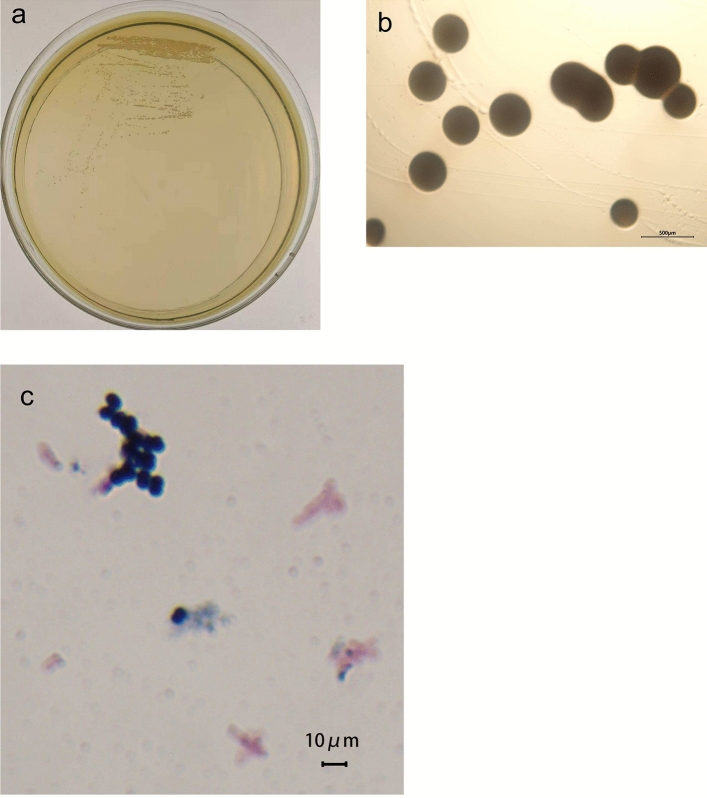 Figure 1
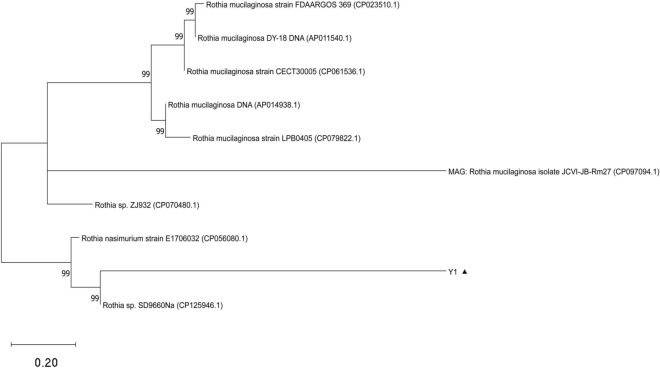 Figure 2
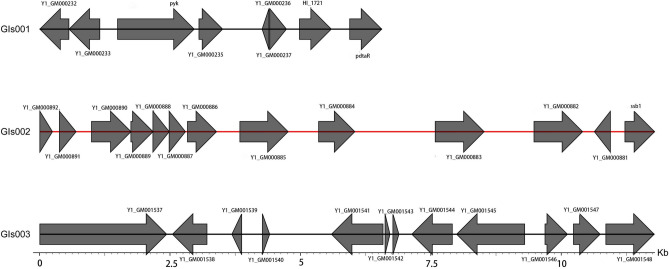 Figure 3
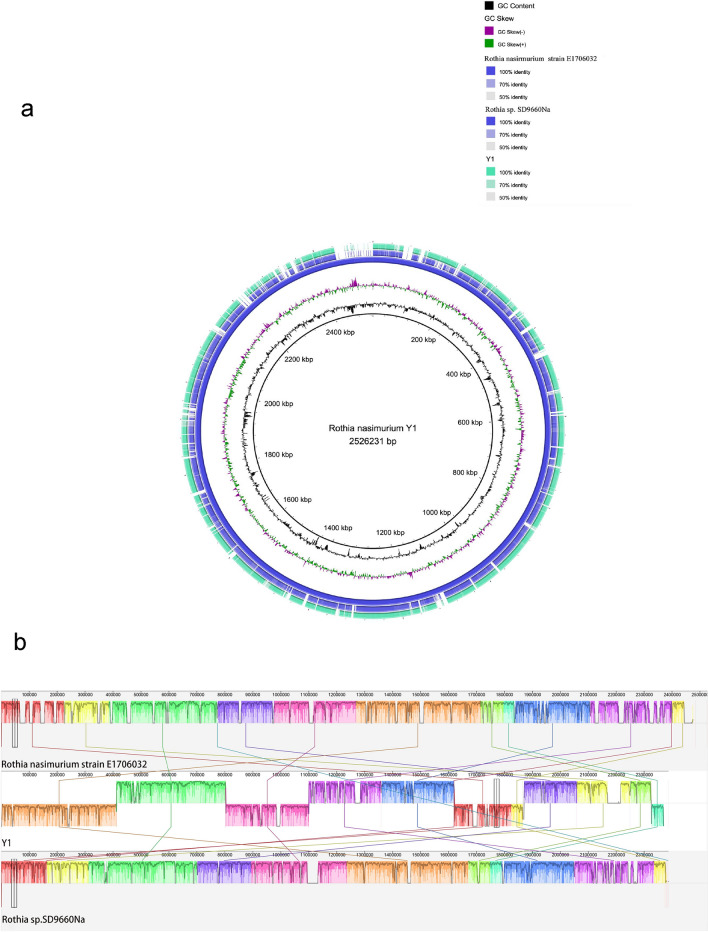 Figure 4
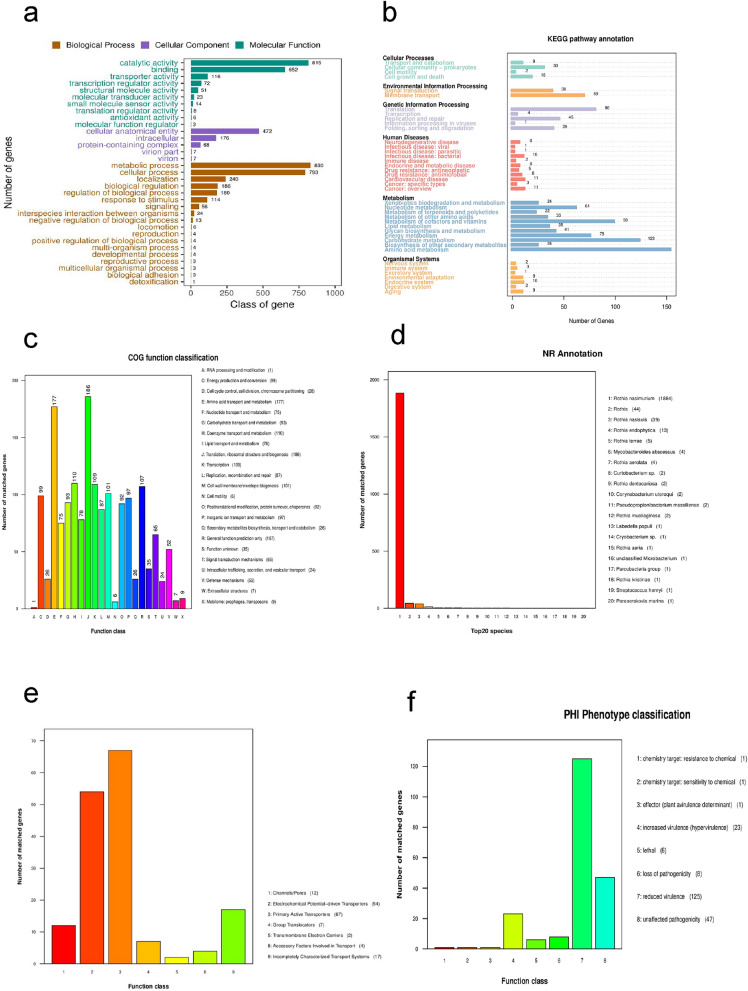 Figure 5
Peer Reviews
No public reviews on file for this paper yet. If you reviewed it on a platform where reviews are public (OpenReview, ICLR, NeurIPS, ICML), you can paste yours below so the community can read it here.
Videos
No videos yet. Explain this paper in a talk, walkthrough, or lecture? Add one.
Taxonomy
TopicsMycobacterium research and diagnosis · Microbial infections and disease research · Genomics and Phylogenetic Studies