The effect of sleeping posture on occupant injury in frontal coach crashes
Sun Tingting, Zaidi Mohd Ripin, Chan Ping Yi, Mohamad Ikhwan Zaini Ridzwan

TL;DR
This study examines how different sleeping postures in coaches affect injury risk during frontal crashes, finding that some postures increase head injuries while others reduce them.
Contribution
The paper introduces a novel analysis of sleeping postures in coach crashes, revealing their impact on injury criteria like HIC and H3ms.
Findings
Head tilted sideway posture increases head injuries with HIC values of 399.3 to 494.6 and H3ms up to 88.53g.
Slide down on seat posture reduces head injuries by 28.47% in HIC and 12.15% in H3ms.
Turned torso postures reduce neck injuries and are beneficial for thorax injury reduction.
Abstract
The safety of coaches in frontal crashes is attracting attention in various countries. Coach crash studies are done based on standard postures. Occupants travelling long distances in coaches may fall asleep, with postures that can be different from the standard posture. This paper investigates the effects of different sleeping postures on occupant injuries in frontal coach collisions by using sled test model and dummies. Four different sleeping postures are considered including head tilted sideway, slide down on seat in neutral position, turned torso-head diagonal with backrest and turned torso-head perpendicular with backrest posture. The results showed that the head tilted sideway posture increases occupant head injuries with the Head Injury Criteria (HIC) values of 399.3 to 494.6 and the peak head acceleration over 3 milliseconds (H3ms) reaches a maximum of 88.53 g which is above the…
Genes, proteins, chemicals, diseases, species, mutations and cell lines named across the full text — each resolved to its canonical identifier and authoritative record.
Click any figure to enlarge with its caption.
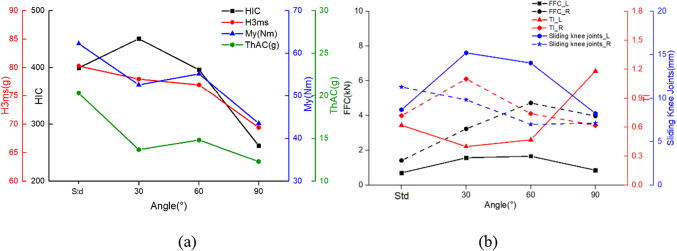 Figure 10
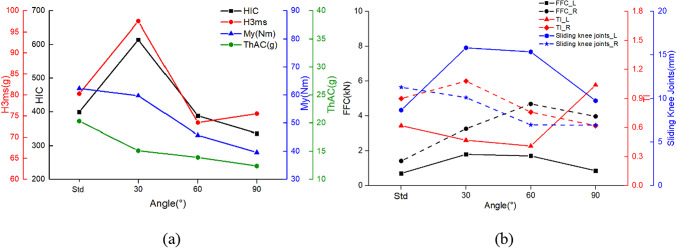 Figure 11
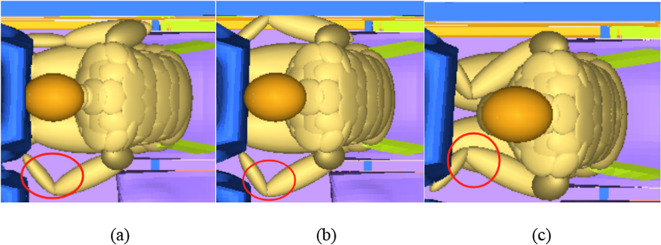 Figure 12
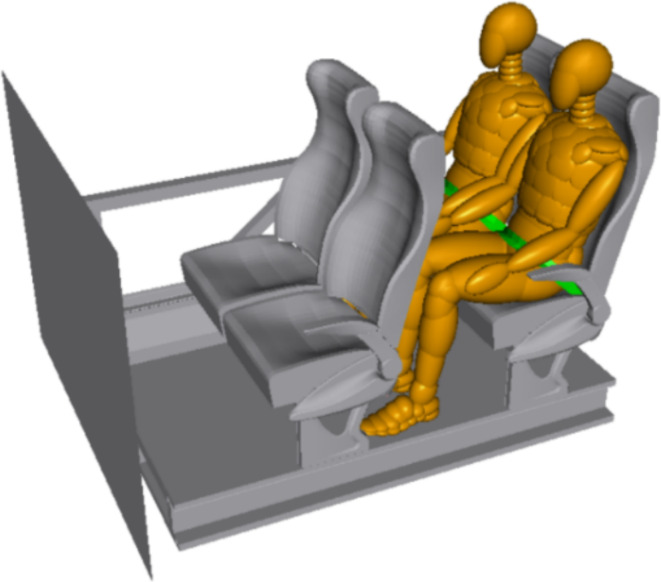 Figure 1
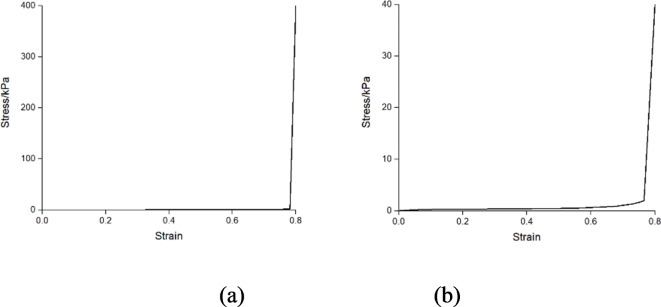 Figure 2
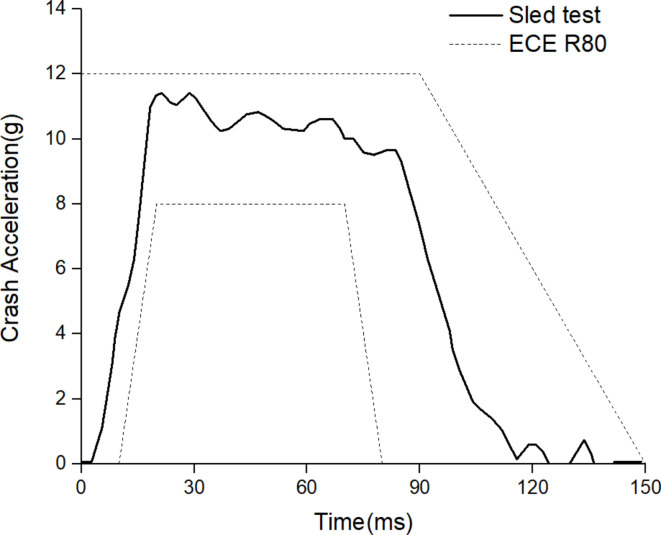 Figure 3
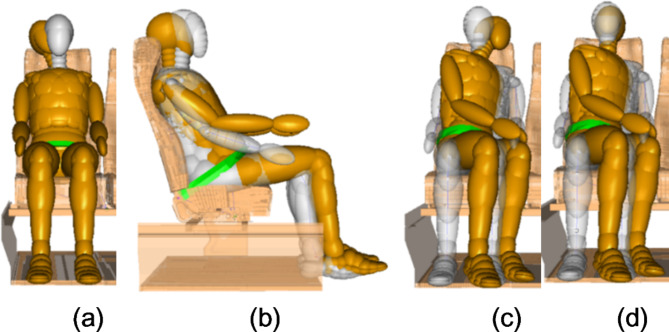 Figure 4
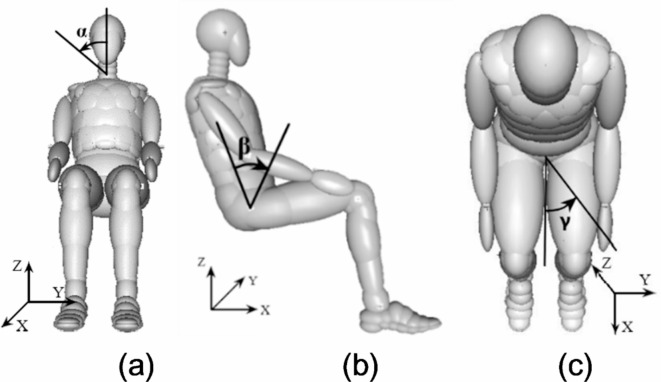 Figure 5
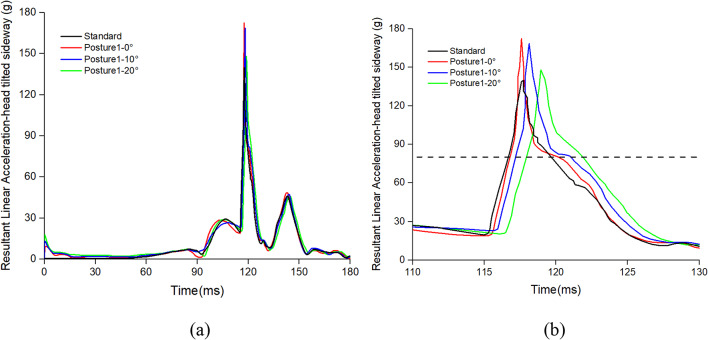 Figure 6
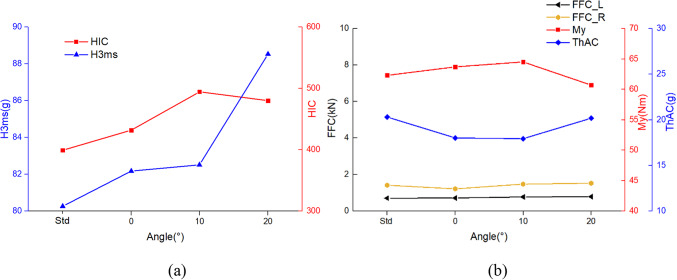 Figure 7
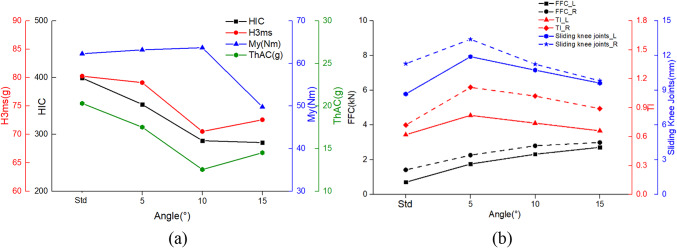 Figure 8
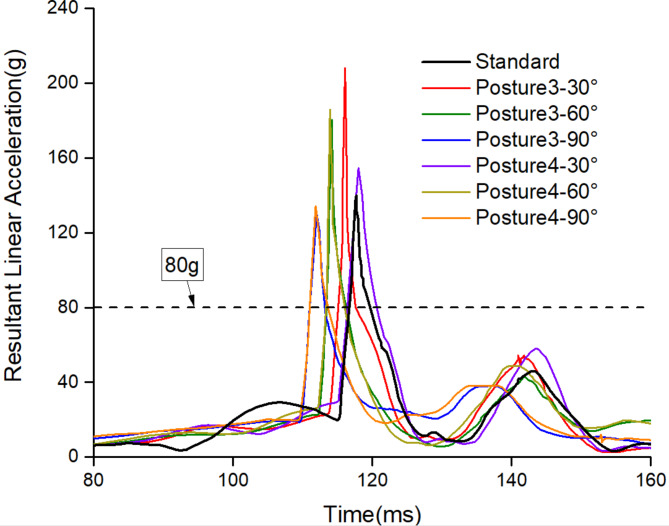 Figure 9
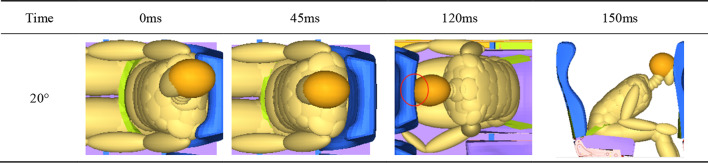 Figure 13
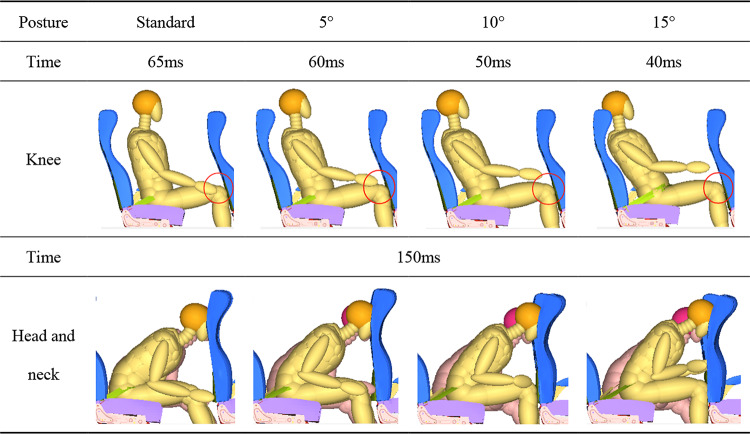 Figure 14
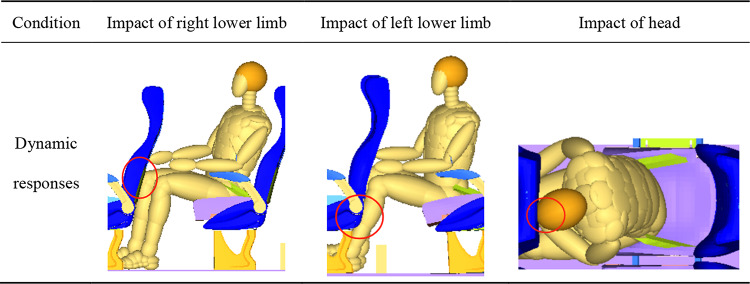 Figure 15
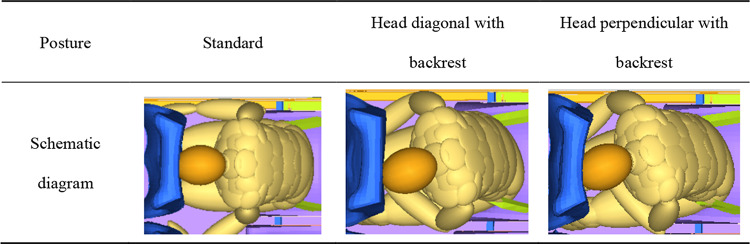 Figure 16
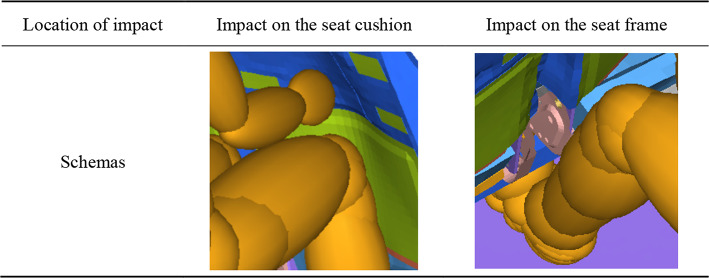 Figure 17
Peer Reviews
No public reviews on file for this paper yet. If you reviewed it on a platform where reviews are public (OpenReview, ICLR, NeurIPS, ICML), you can paste yours below so the community can read it here.
Videos
No videos yet. Explain this paper in a talk, walkthrough, or lecture? Add one.
Taxonomy
TopicsAutomotive and Human Injury Biomechanics · Traffic and Road Safety · Ergonomics and Musculoskeletal Disorders