Detection of Batborne Hantaviruses, Laos, 2023–2024
Chittaphone Vanhnollat, Somphavanh Somlor, Kristina Dimitrova, Sarah Medina, Khamsing Vongphayloth, Vaekey Vungkyly, Longthor Vachouaxiong, Bounsavane Douangboubpha, Daosavanh Sanamxay, Vilakhan Xayaphet, Phetphoumin Paphaphanh, Watthana Theppangna, Jonathan Audet

TL;DR
Researchers found hantaviruses in two bat species in Laos, suggesting a wider spread of these viruses in Southeast Asia.
Contribution
The study expands the geographic distribution of hantaviruses to Laos through detection in two bat species.
Findings
Hantaviruses were detected in Aselliscus stoliczkanus and Hipposideros gentilis bats in Laos.
The findings highlight the need to study the zoonotic potential of these viruses due to human-wildlife interactions.
Abstract
We report the detection of batborne hantaviruses in 2 bat species (Aselliscus stoliczkanus and Hipposideros gentilis) in Laos, expanding the known geographic distribution of hantaviruses in Southeast Asia. Given the frequent human–wildlife contact in the region, researchers should continue to characterize the viruses and investigate their zoonotic potential.
Genes, proteins, chemicals, diseases, species, mutations and cell lines named across the full text — each resolved to its canonical identifier and authoritative record.
Click any figure to enlarge with its caption.
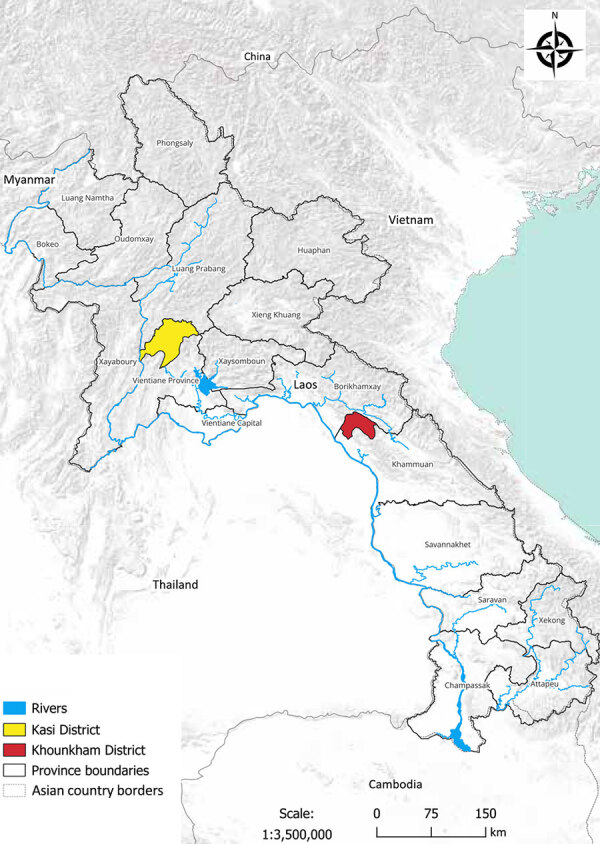 Figure 1
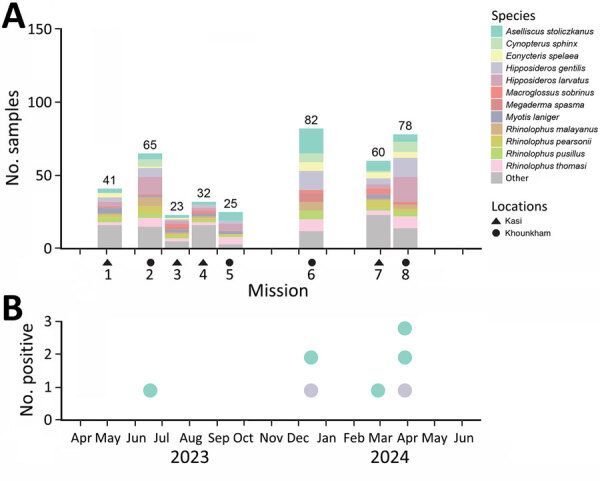 Figure 2
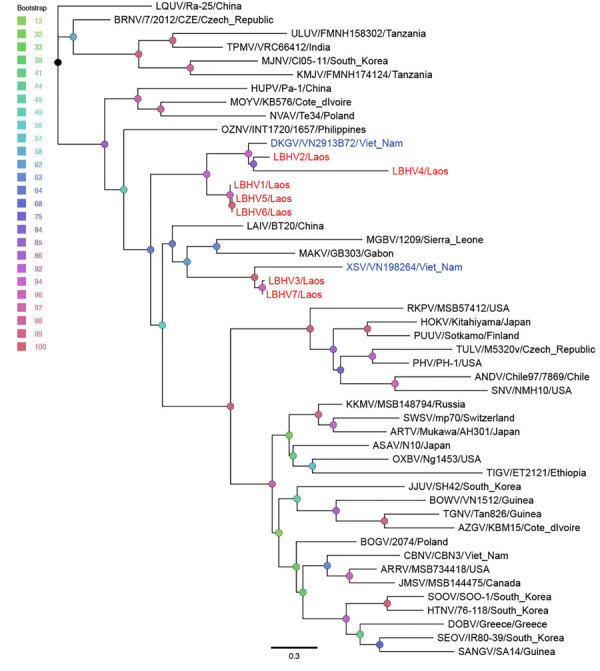 Figure 3
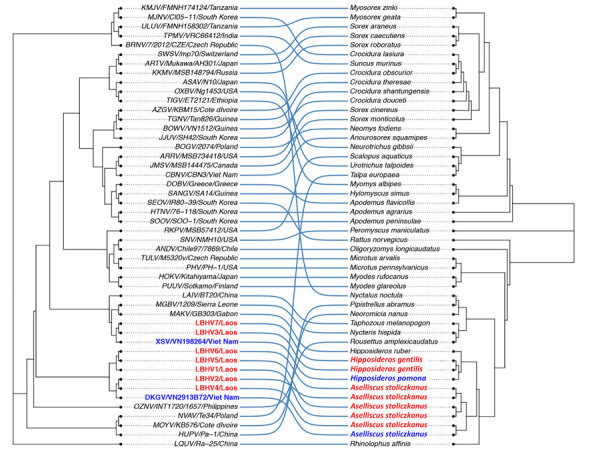 Figure 4
Peer Reviews
No public reviews on file for this paper yet. If you reviewed it on a platform where reviews are public (OpenReview, ICLR, NeurIPS, ICML), you can paste yours below so the community can read it here.
Videos
No videos yet. Explain this paper in a talk, walkthrough, or lecture? Add one.
Taxonomy
TopicsViral Infections and Vectors · Viral Infections and Outbreaks Research · Mosquito-borne diseases and control