On Power-Off Temperature Attacks Potential Against Security Sensors
Maryam Esmaeilian, Vincent Beroulle, David Hély

TL;DR
This paper explores how turning off a chip's power and changing its temperature can bypass security sensors in embedded systems, making them vulnerable to attacks.
Contribution
The paper introduces and evaluates a new fault injection attack called power-off temperature attack (POTA) against delay-based security detectors.
Findings
Heating cycles during power-off or inactive modes can alter FPGA component delays.
POTA reduces the accuracy of security detectors when power is restored.
This vulnerability highlights risks to the integrity of embedded system security mechanisms.
Abstract
Embedded systems can be targeted by fault injection attacks (FIAs), which enable attackers to alter the system specified behavior, potentially gaining access to confidential information or causing unintended outcomes, among other effects. Although numerous security sensors and attack detectors have been proposed in the literature to detect different sources of FIAs, it is crucial to ensure that these mechanisms themselves have not been tampered. Hence, the integrity of these detectors is critical in maintaining the security of embedded systems. This study focuses on evaluating the robustness of delay-based digital detectors against a new type of FIA called power-off temperature attack (POTA). POTA occurs when the chip power is turned off, rendering the detectors inactive and allowing the attackers to bypass them. After a POTA, the circuit or its detectors may not function properly when…
Genes, proteins, chemicals, diseases, species, mutations and cell lines named across the full text — each resolved to its canonical identifier and authoritative record.
Click any figure to enlarge with its caption.
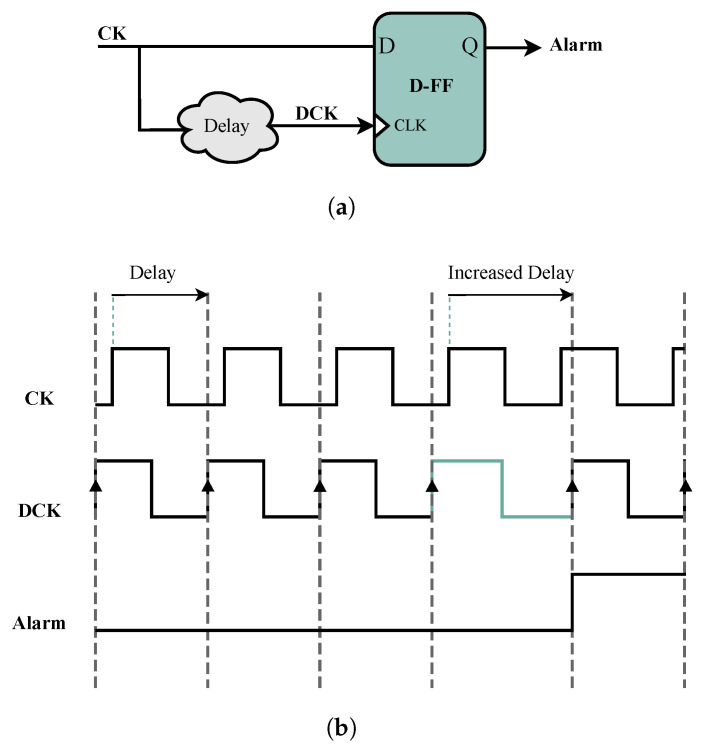 Figure 1
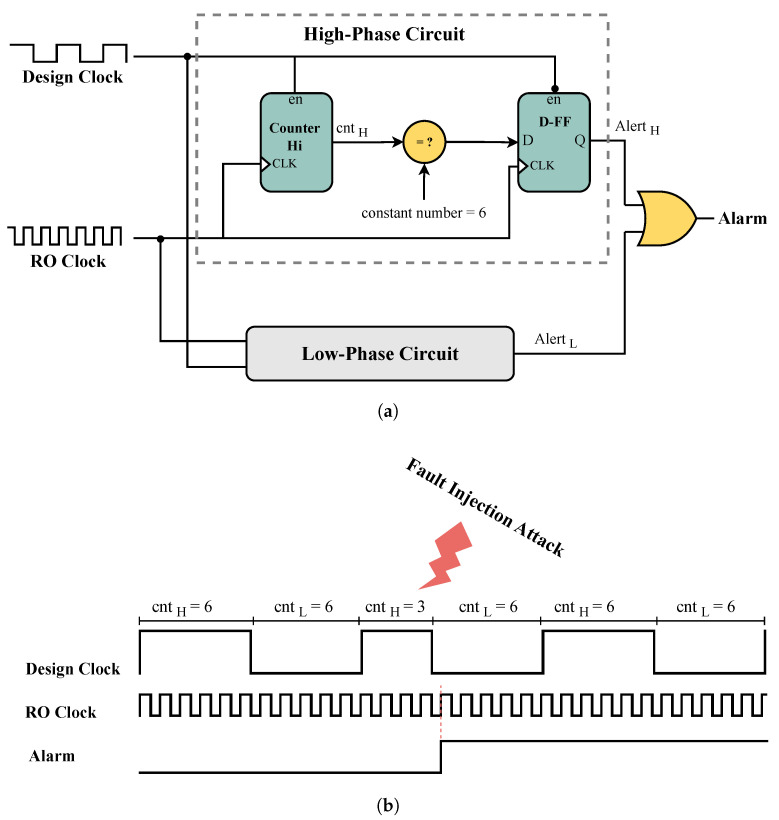 Figure 2
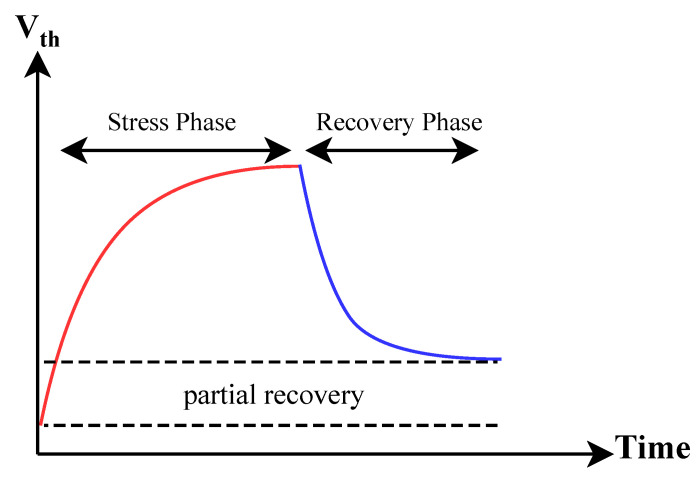 Figure 3
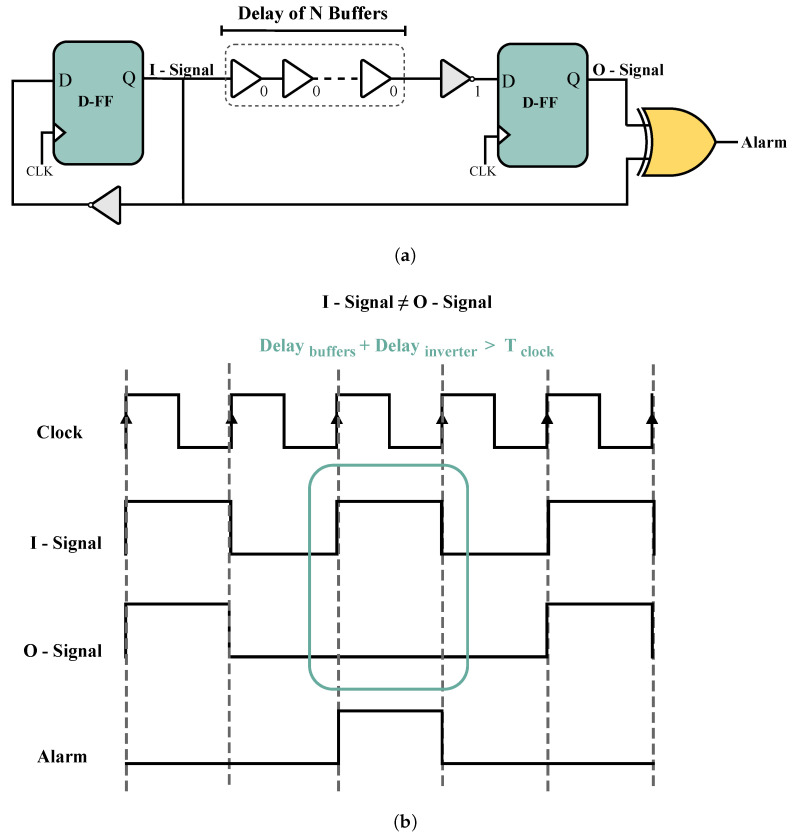 Figure 4
 Figure 5
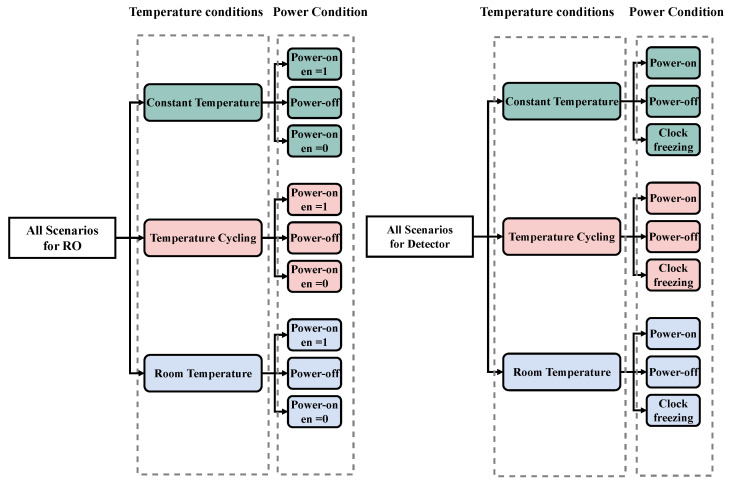 Figure 6
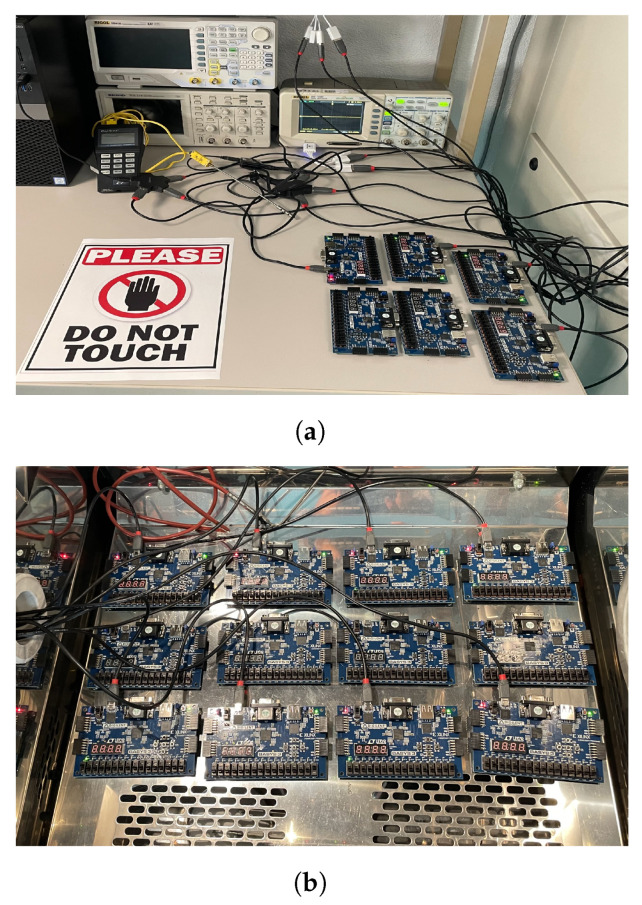 Figure 7
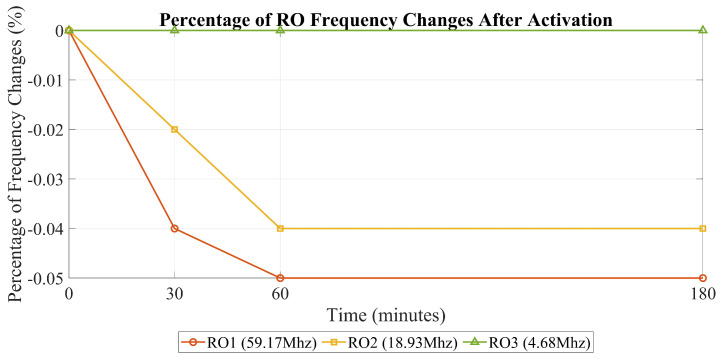 Figure 8
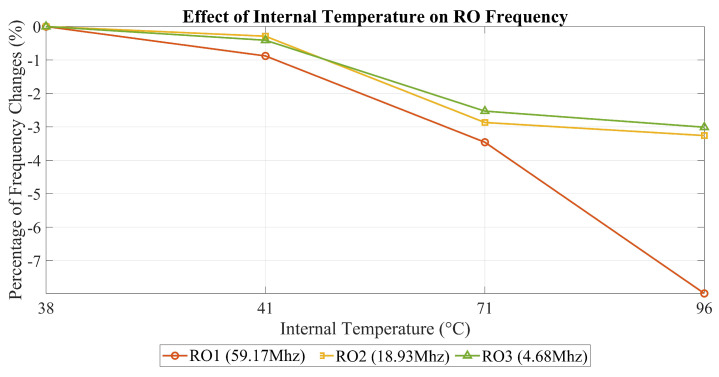 Figure 9
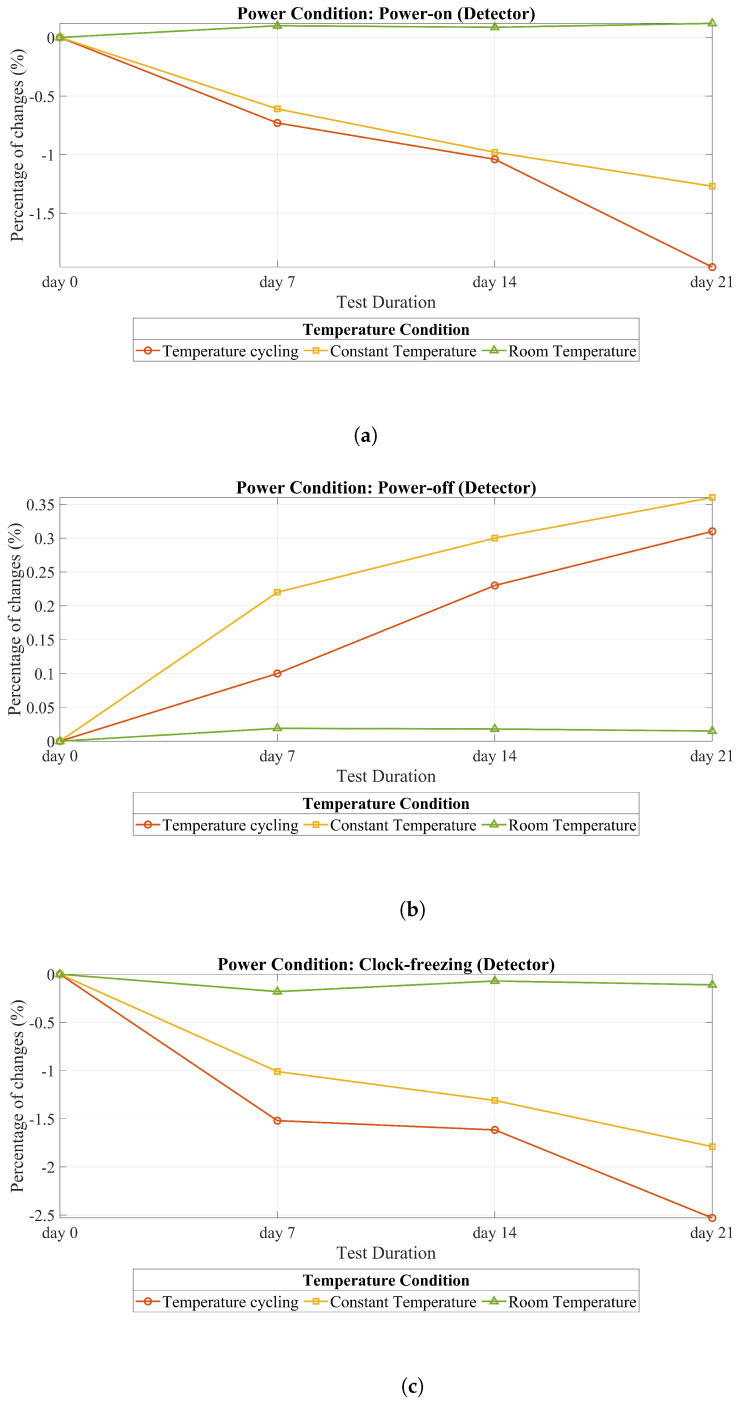 Figure 10
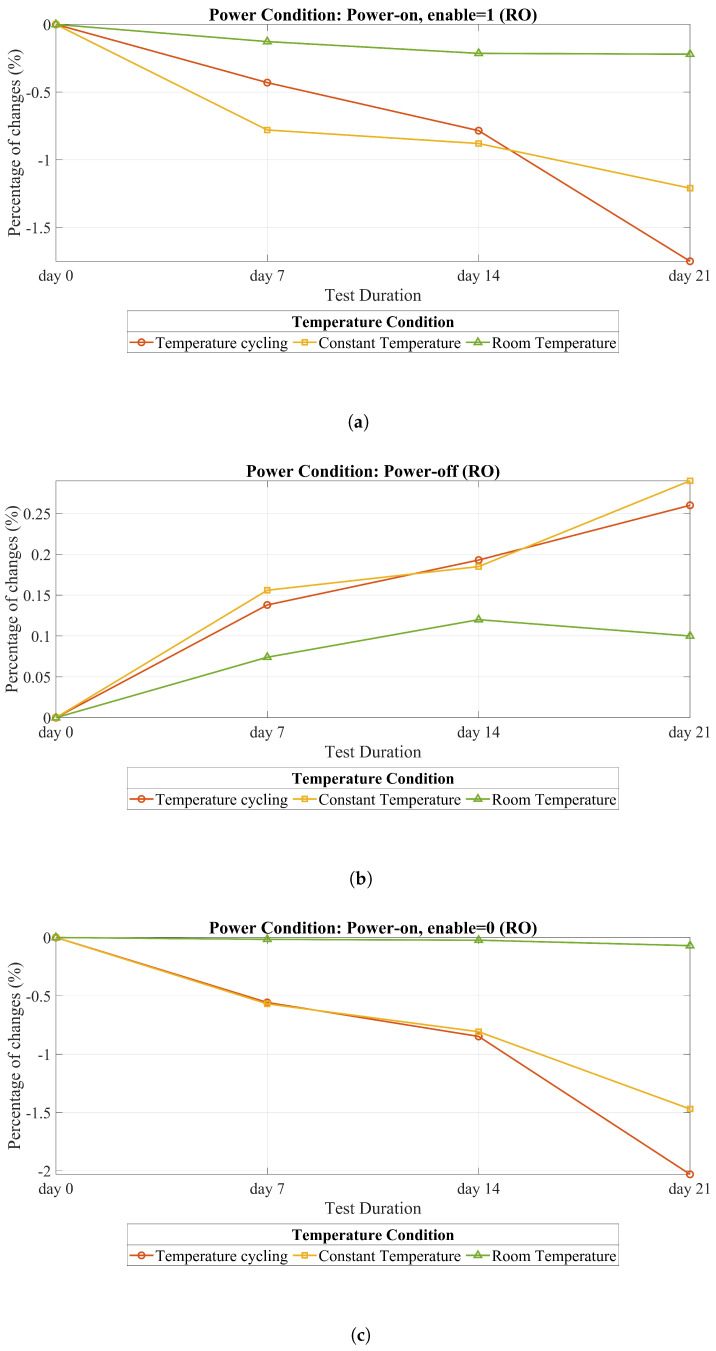 Figure 11
Peer Reviews
No public reviews on file for this paper yet. If you reviewed it on a platform where reviews are public (OpenReview, ICLR, NeurIPS, ICML), you can paste yours below so the community can read it here.
Videos
No videos yet. Explain this paper in a talk, walkthrough, or lecture? Add one.
Taxonomy
TopicsPhysical Unclonable Functions (PUFs) and Hardware Security · Cryptographic Implementations and Security · Security and Verification in Computing