Future Path Presentation to Passengers of an Autonomous Wheelchair Using Vibrotactile Feedback
Yusuke Higashi, Hiroyuki Takai, Tetsushi Ikeda

TL;DR
This paper introduces a method for autonomous wheelchairs to communicate their future path to passengers using vibrations, improving user comfort and understanding.
Contribution
The study introduces a novel vibrotactile feedback method that conveys both direction and width of wheelchair turns.
Findings
Presenting the future path with vibrotactile feedback improved user understanding of wheelchair movements.
Including avoidance maneuver information increased users' sense of security compared to directional-only feedback.
Abstract
While autonomous wheelchairs reduce the burden on passengers, automation can make it difficult for them to anticipate the future path of the wheelchair, potentially causing anxiety or discomfort due to unexpected movements. In this study, we define “path” as the geometric trajectory of the wheelchair position, without considering temporal aspects. Providing passengers with information about this future path is crucial, particularly when multiple pedestrians or obstacles are present. Previous studies have primarily focused on presenting only the direction in which the wheelchair turns. In this study, we propose a path presentation method that conveys both the direction and width of turns by varying the duration of haptic apparent motion according to the turning width. The results from the evaluation experiment showed that presenting the future path, including the extent of avoidance…
Genes, proteins, chemicals, diseases, species, mutations and cell lines named across the full text — each resolved to its canonical identifier and authoritative record.
Click any figure to enlarge with its caption.
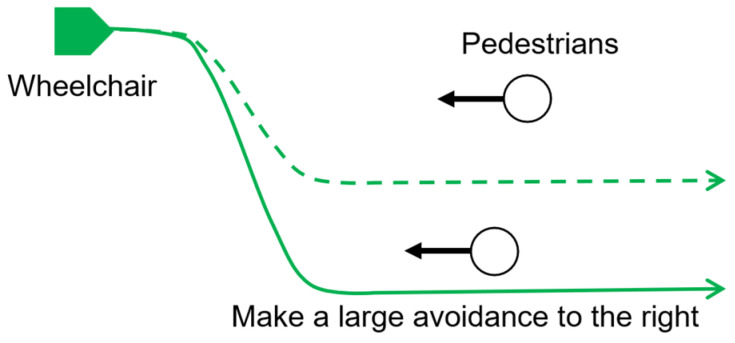 Figure 1
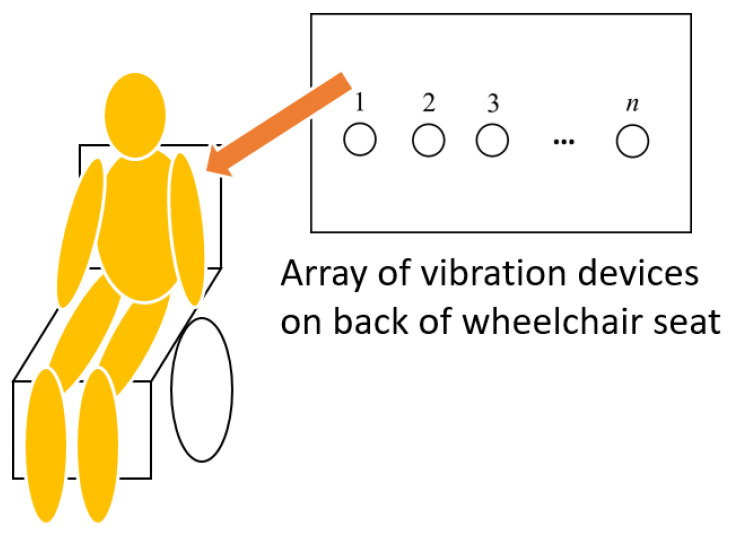 Figure 2
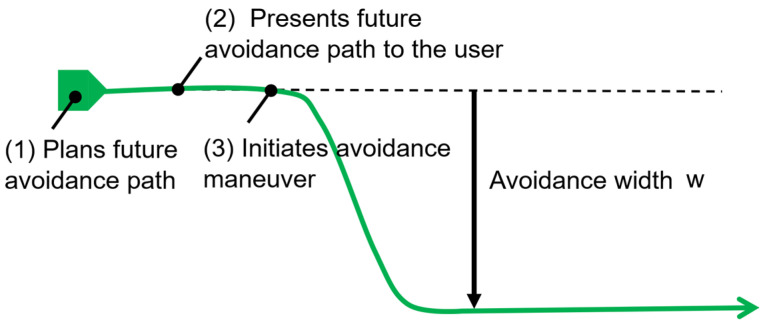 Figure 3
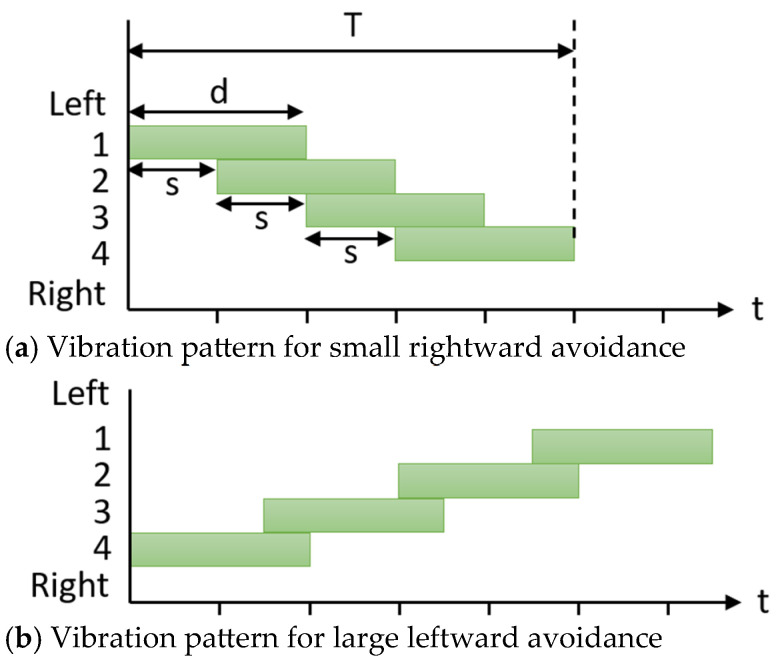 Figure 4
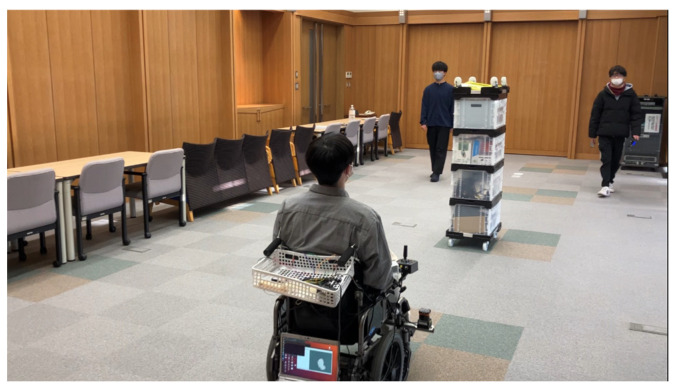 Figure 5
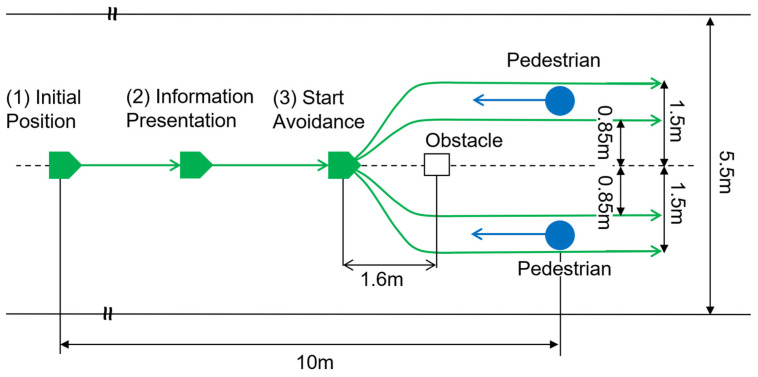 Figure 6
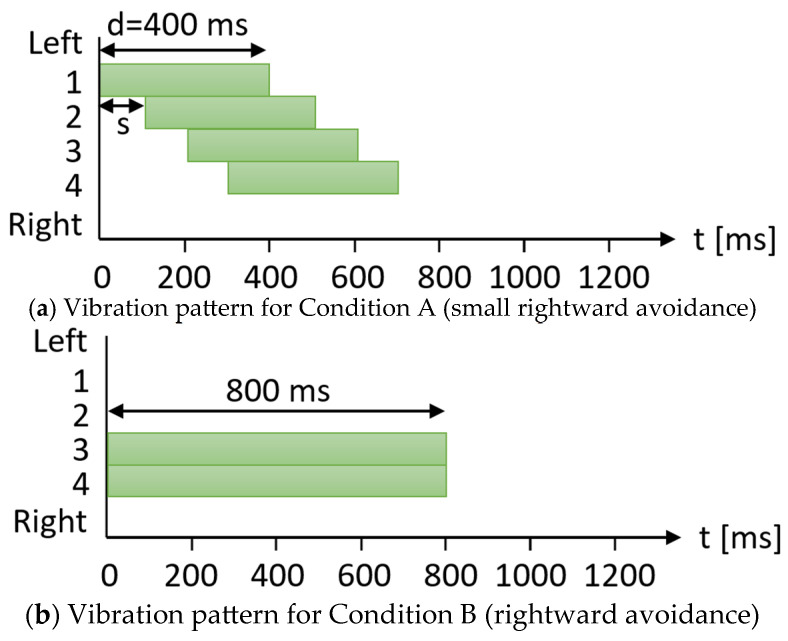 Figure 7
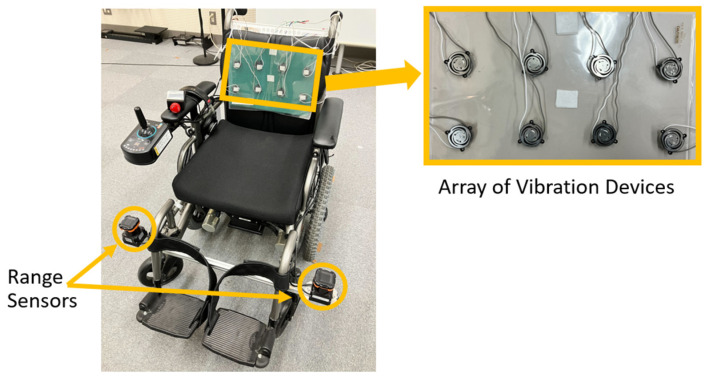 Figure 8
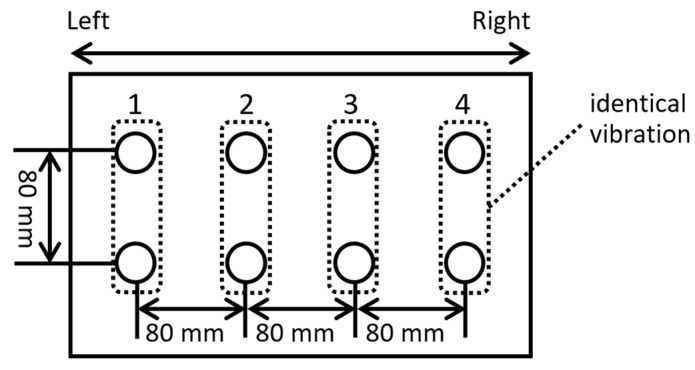 Figure 9
 Figure 10
 Figure 11
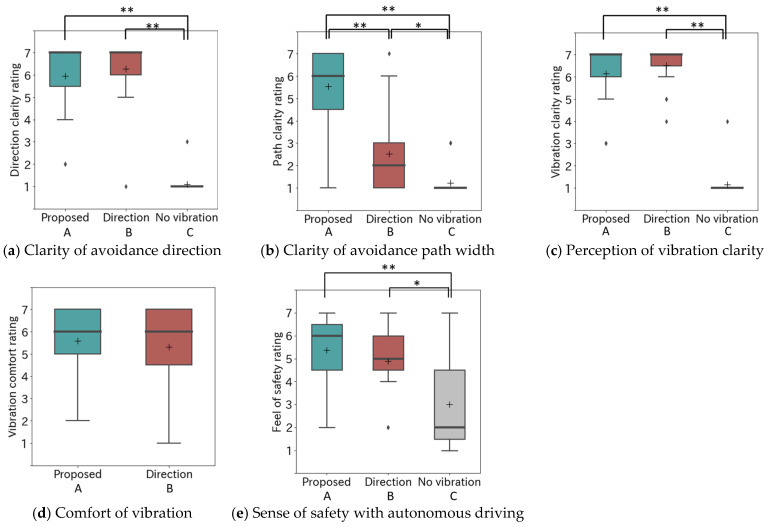 Figure 12
Peer Reviews
No public reviews on file for this paper yet. If you reviewed it on a platform where reviews are public (OpenReview, ICLR, NeurIPS, ICML), you can paste yours below so the community can read it here.
Videos
No videos yet. Explain this paper in a talk, walkthrough, or lecture? Add one.
Taxonomy
TopicsGaze Tracking and Assistive Technology · Human-Automation Interaction and Safety · Tactile and Sensory Interactions