HOF•CH3CN—The Most Potent Oxygen Transfer Agent for a Large Variety of Organic Molecules
Shlomo Rozen

TL;DR
HOF•CH3CN is a powerful oxygen transfer agent that enables unique chemical transformations across a wide range of organic and inorganic molecules.
Contribution
HOF•CH3CN is shown to be the most potent oxygen transfer agent for diverse organic molecules, enabling reactions previously inaccessible.
Findings
HOF•CH3CN can transfer oxygen atoms to electron-depleted olefins and deactivated C-H bonds.
It enables oxidation of thiophene to thiophen-S,S-dioxide without Diels–Alder dimerization.
HOF•CH3CN facilitates the synthesis of novel oxygenated oligothiophenes with lower HOMO-LUMO gaps.
Abstract
The complex of hypofluorous acid with acetonitrile—HOF•CH3CN—is the only substance possessing a truly electrophilic oxygen. This fact makes it the only tool suitable for transferring oxygen atoms to sites that are not accessible to this vital element. We will review here most of the known organic reactions with this complex, which is easily made by bubbling dilute fluorine through aqueous acetonitrile. The reactions of HOF•CH3CN with double bonds produce epoxides in a matter of minutes at room temperature, even when the olefin is electron-depleted and cannot be epoxidized by any other means. The electrophilic oxygen can also substitute deactivated tertiary C-H bonds via electrophilic substitution, proceeding with full retention of configuration. Using this complex enables transferring oxygen atoms to a carbonyl and oxidizing alcohols and ethers to ketones. The latter could be oxidized…
Genes, proteins, chemicals, diseases, species, mutations and cell lines named across the full text — each resolved to its canonical identifier and authoritative record.
Click any figure to enlarge with its caption.
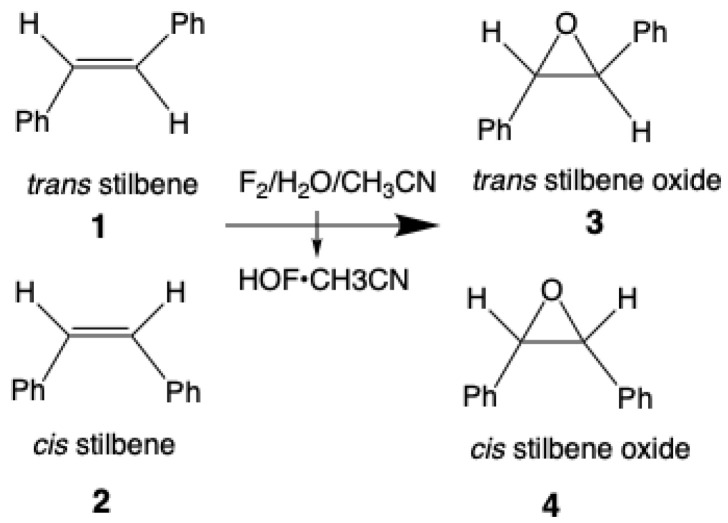 Figure 1
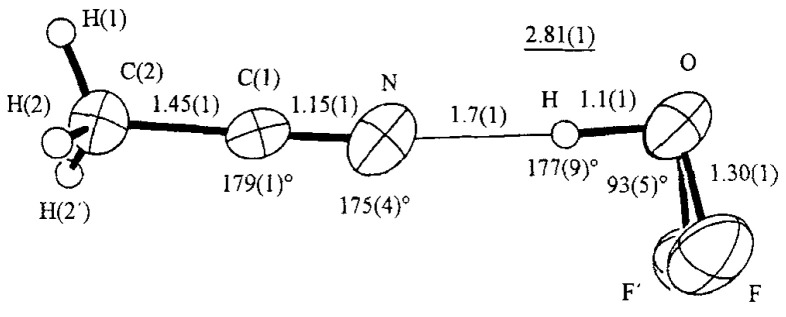 Figure 2
 Figure 3
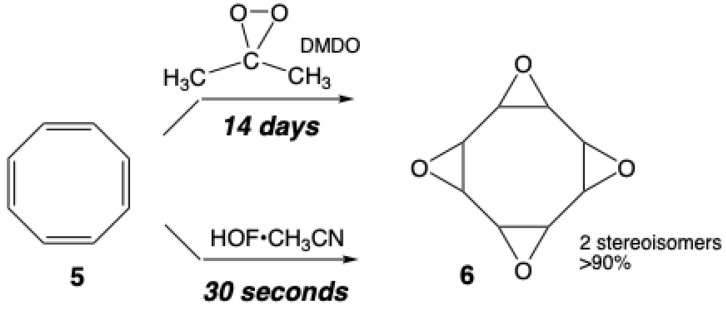 Figure 4
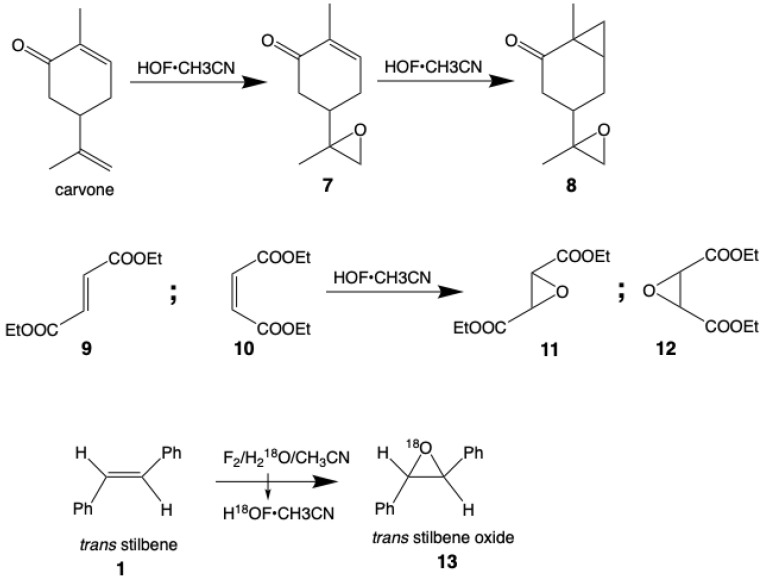 Figure 5
 Figure 6
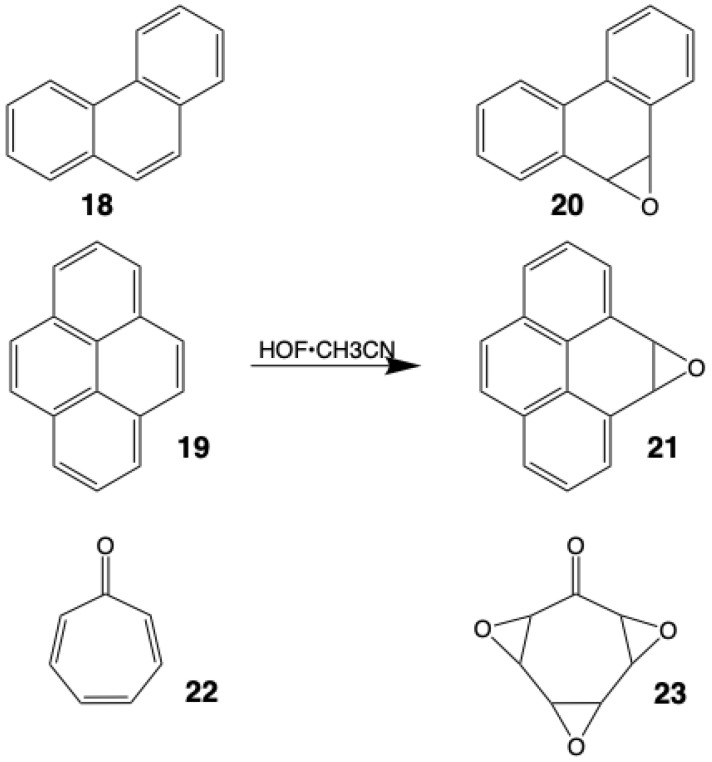 Figure 7
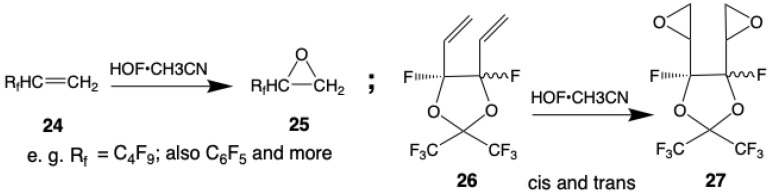 Figure 8
 Figure 9
 Figure 10
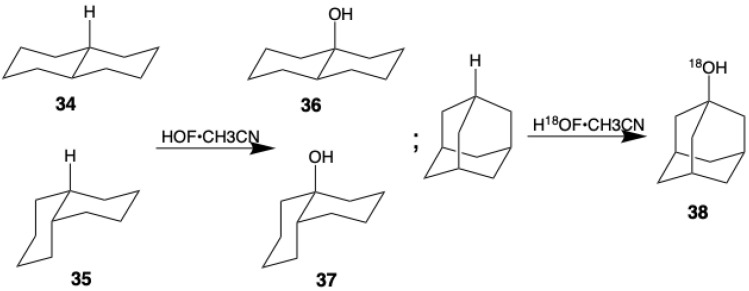 Figure 11
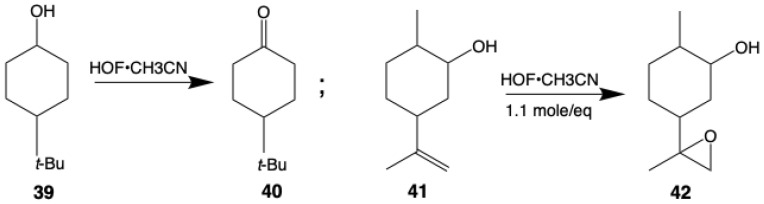 Figure 12
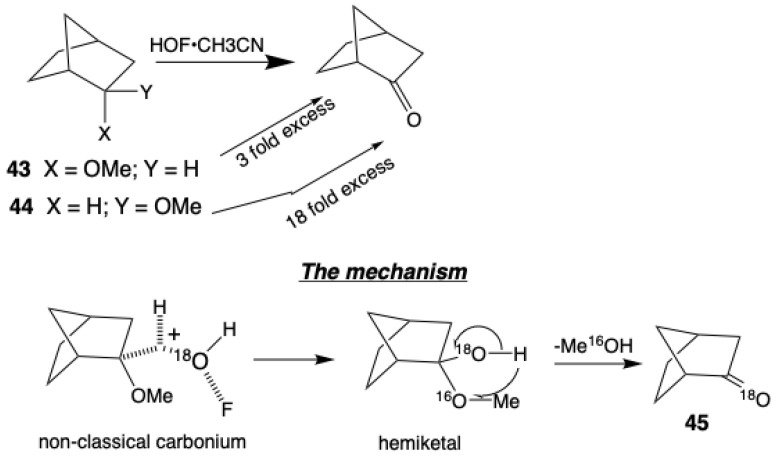 Figure 13
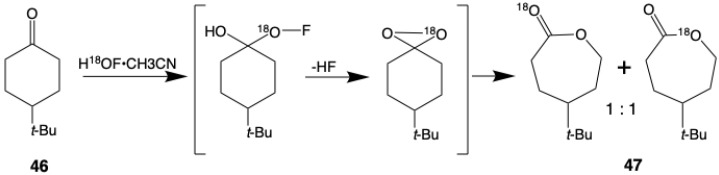 Figure 14
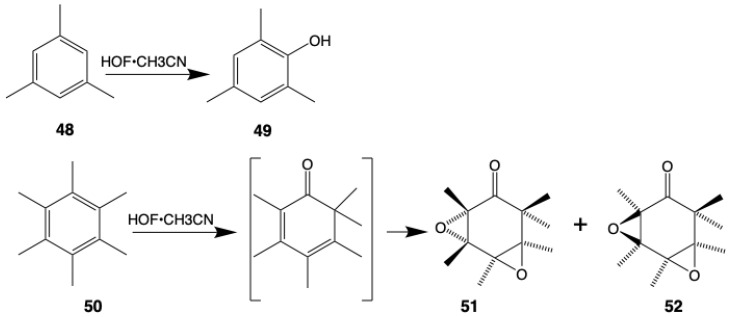 Figure 15
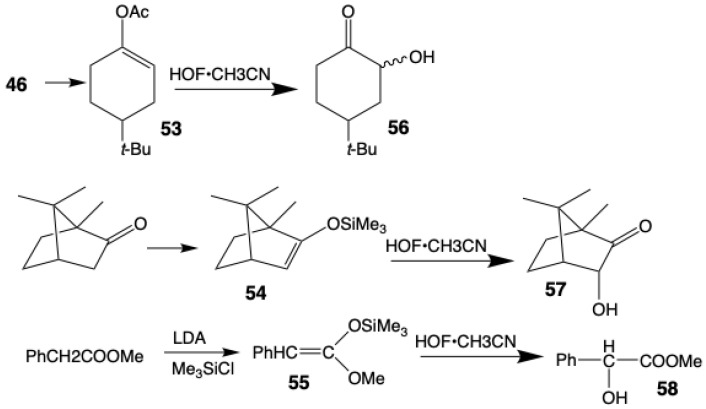 Figure 16
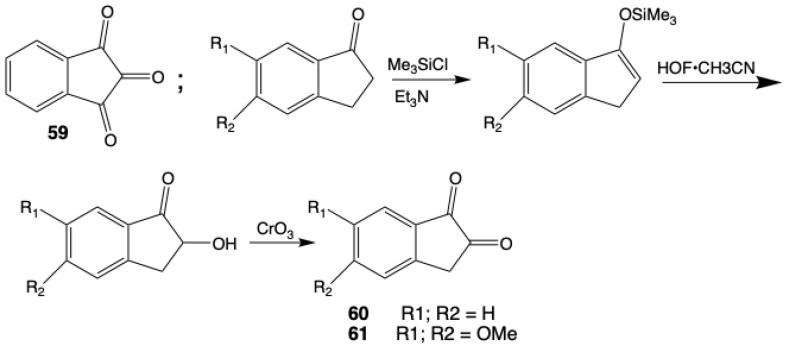 Figure 17
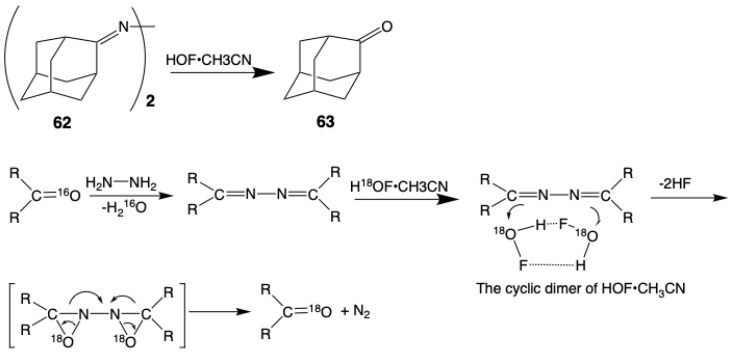 Figure 18
 Figure 19
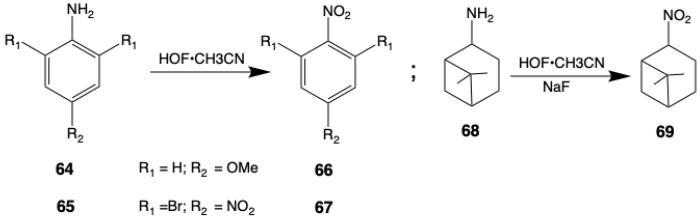 Figure 20
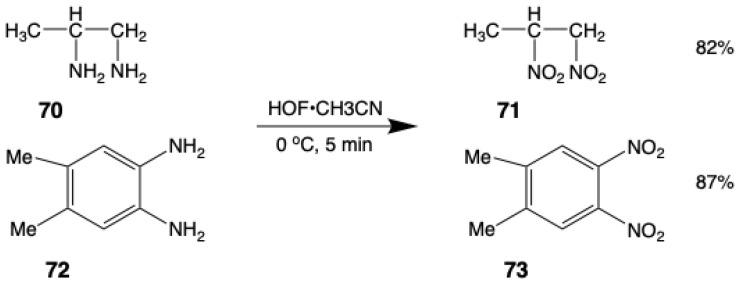 Figure 21
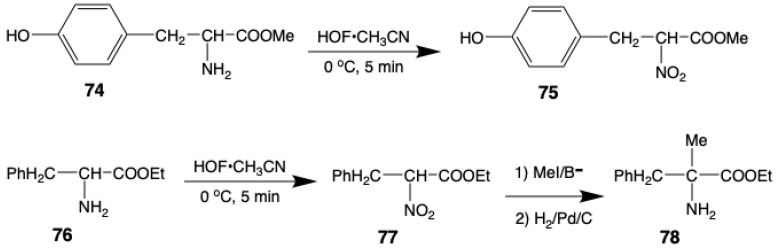 Figure 22
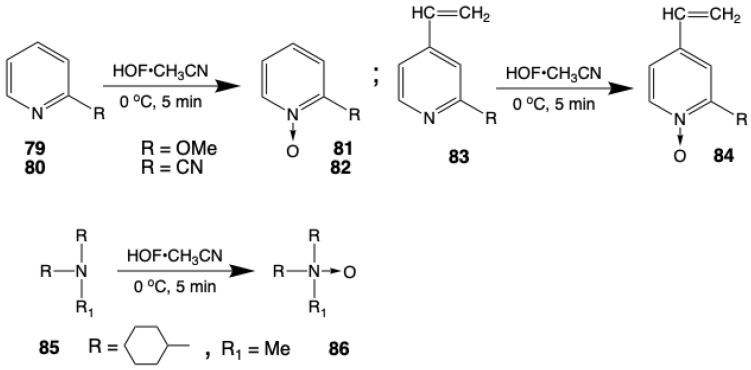 Figure 23
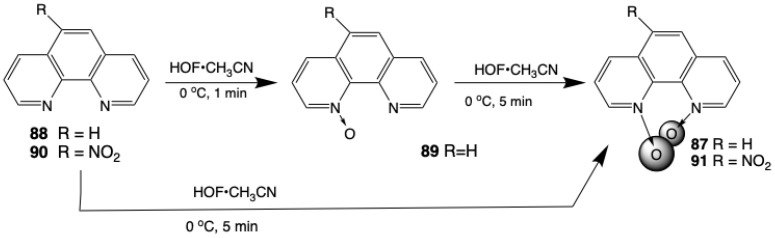 Figure 24
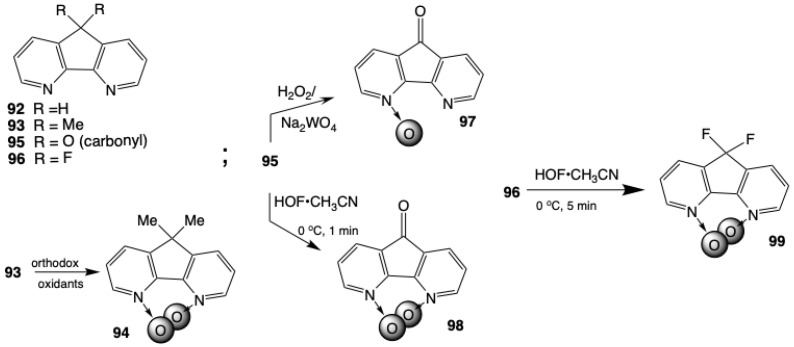 Figure 25
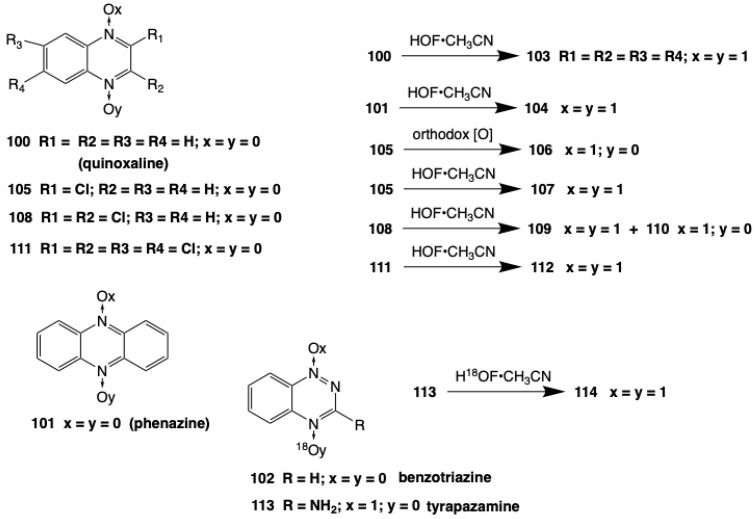 Figure 26
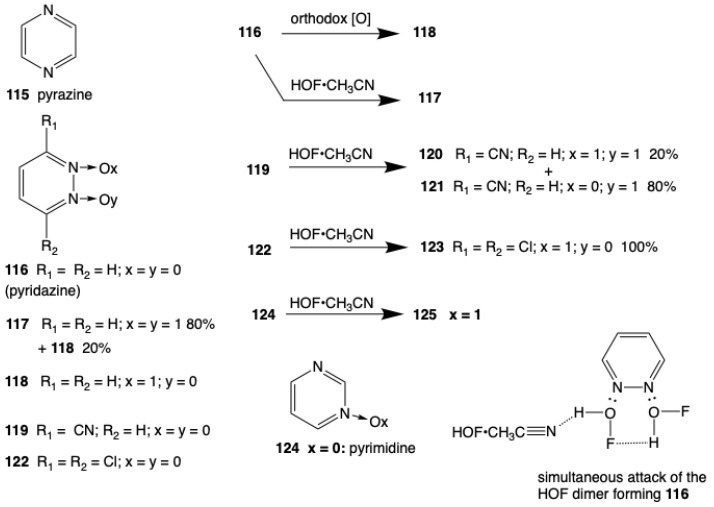 Figure 27
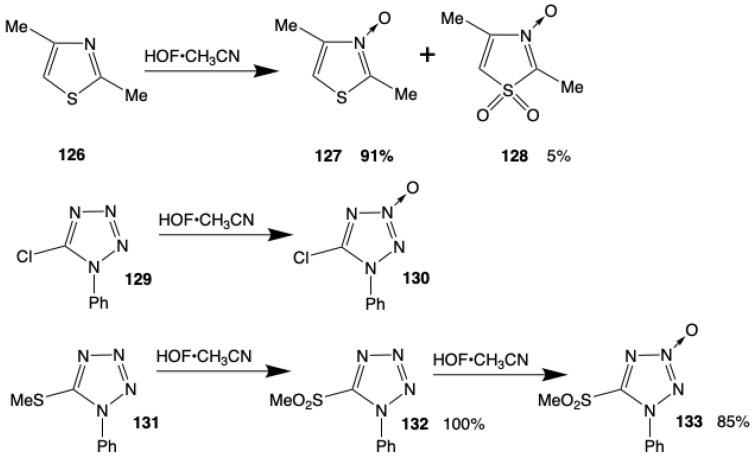 Figure 28
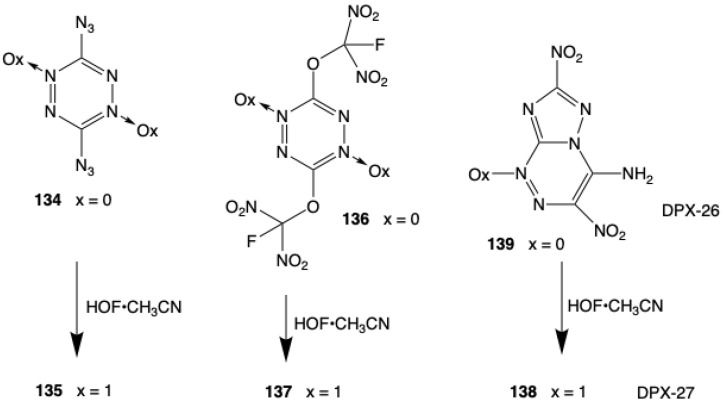 Figure 29
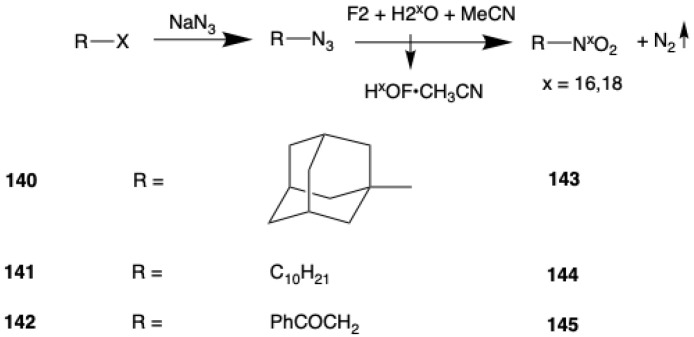 Figure 30
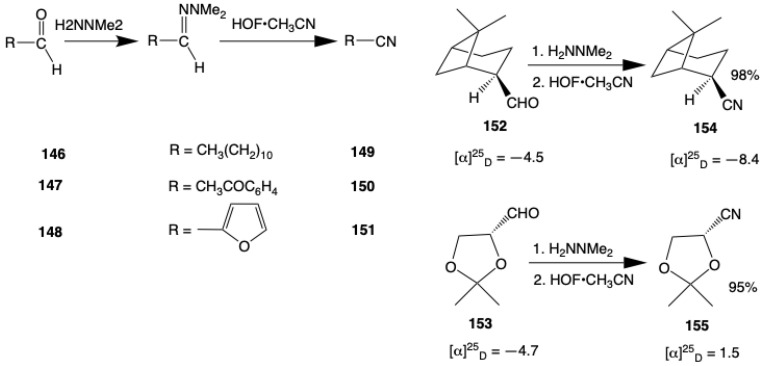 Figure 31
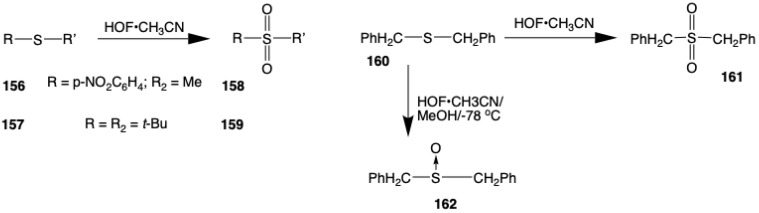 Figure 32
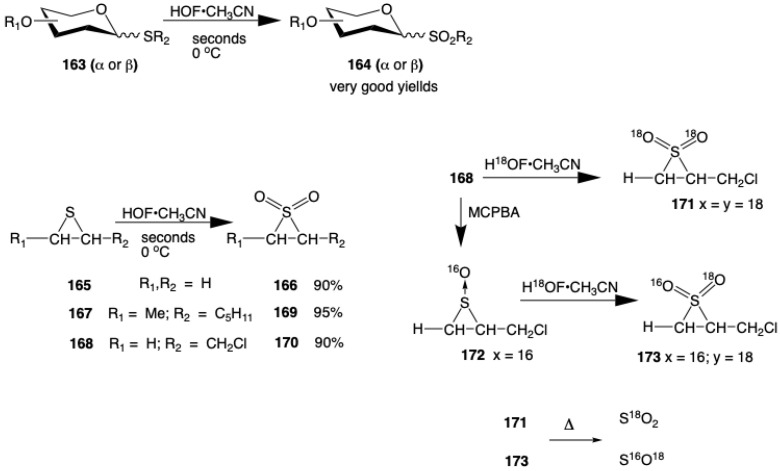 Figure 33
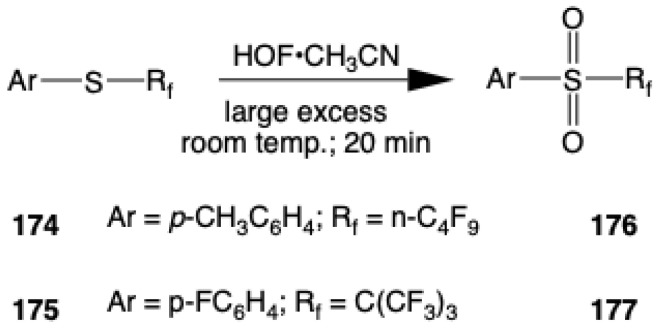 Figure 34
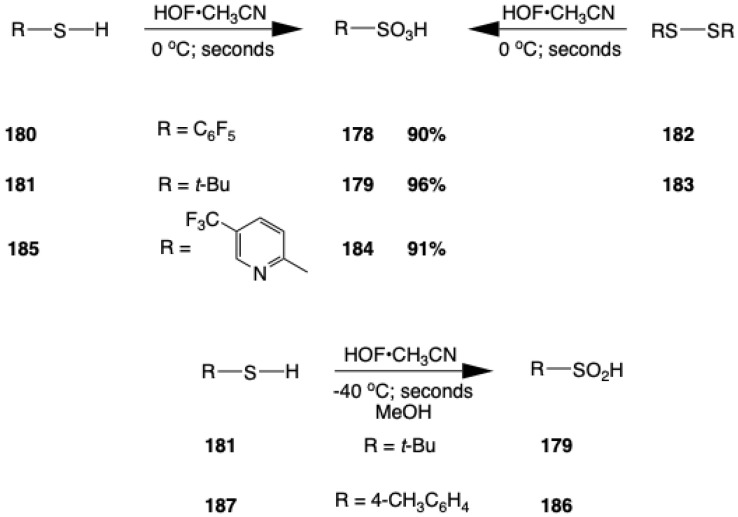 Figure 35
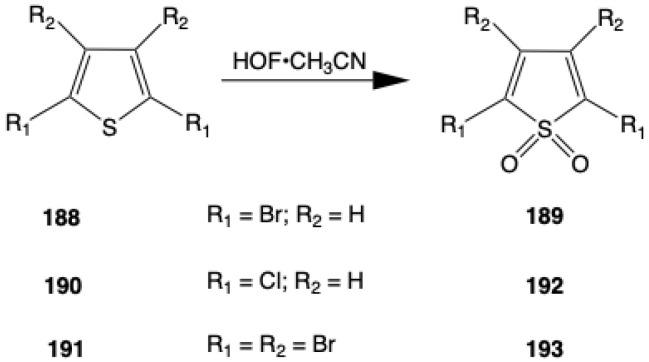 Figure 36
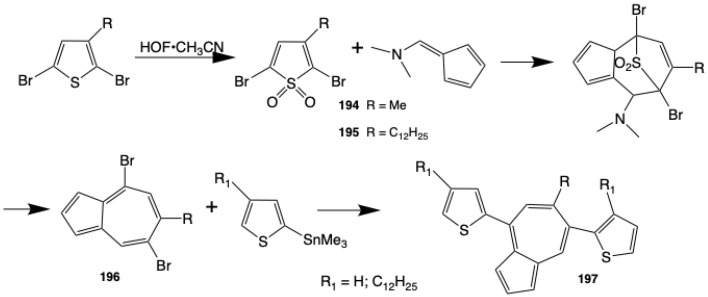 Figure 37
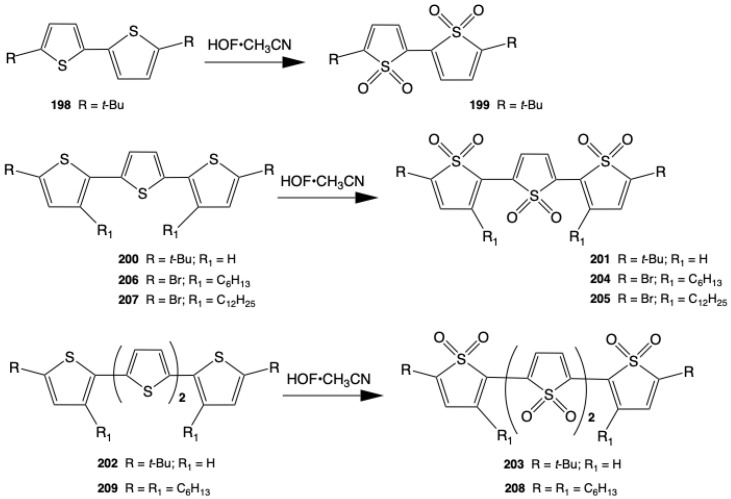 Figure 38
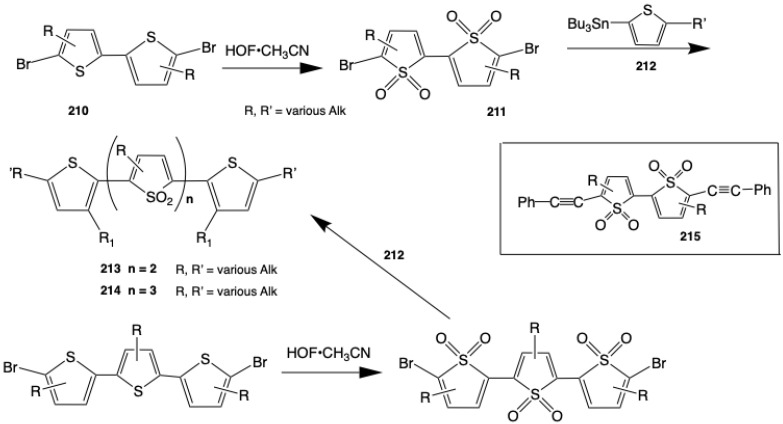 Figure 39
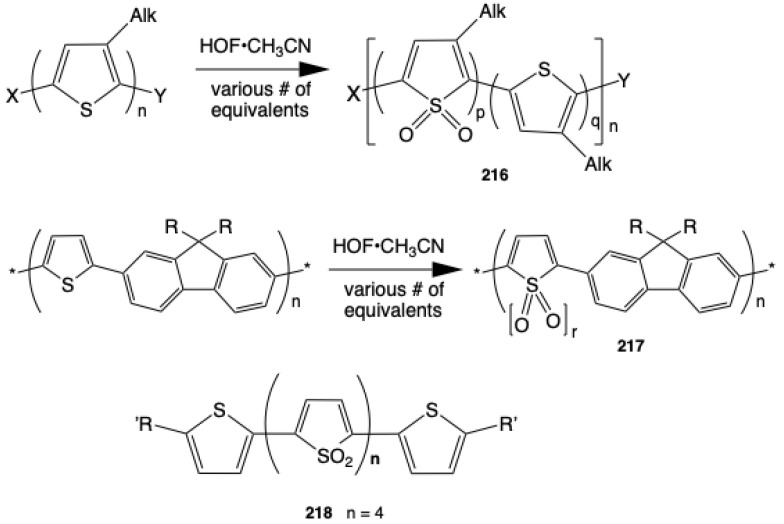 Figure 40
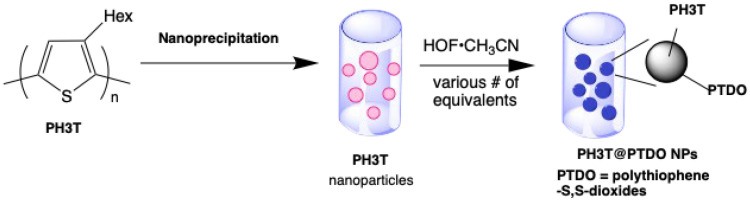 Figure 41
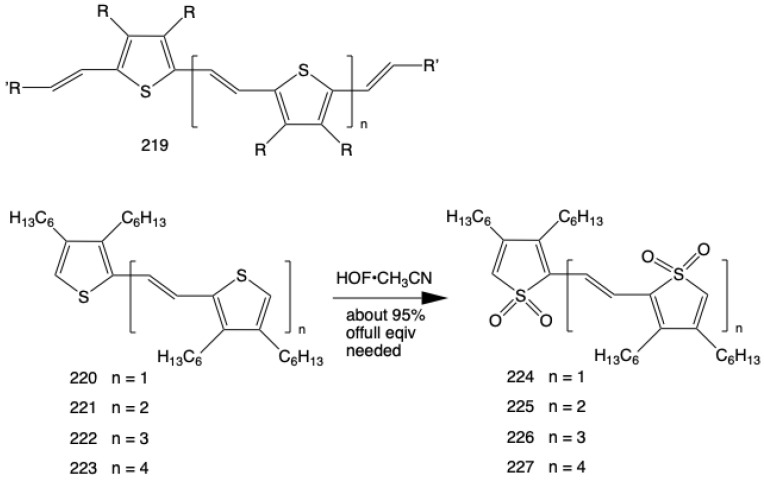 Figure 42
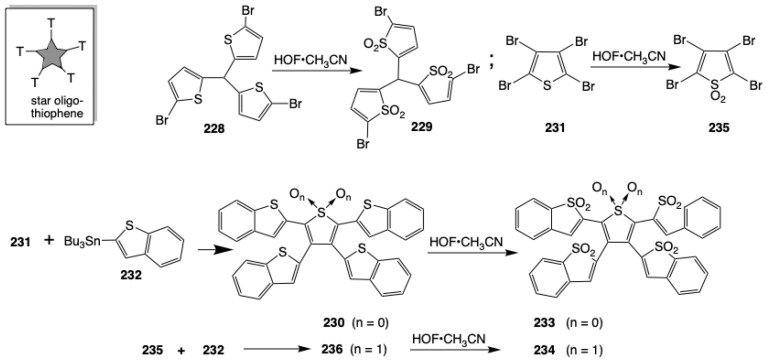 Figure 43
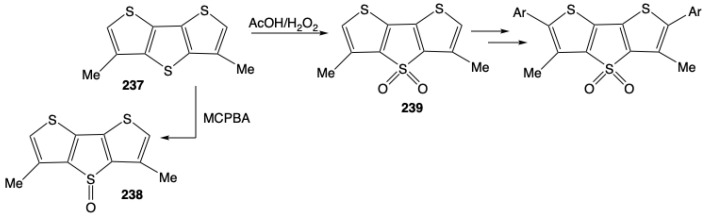 Figure 44
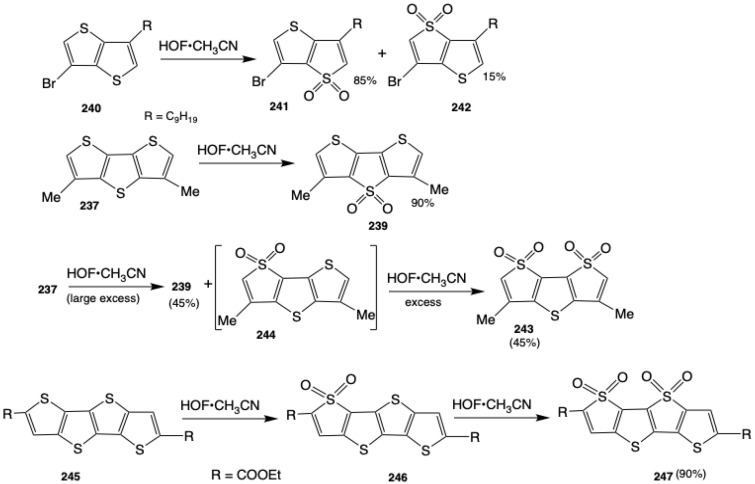 Figure 45
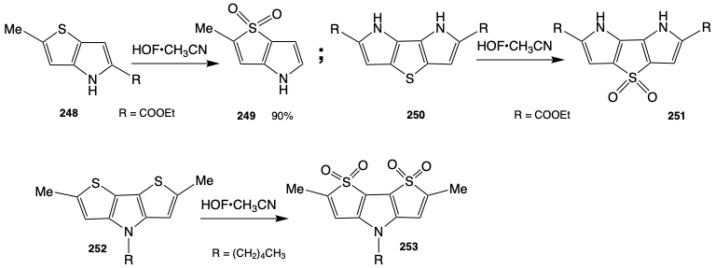 Figure 46
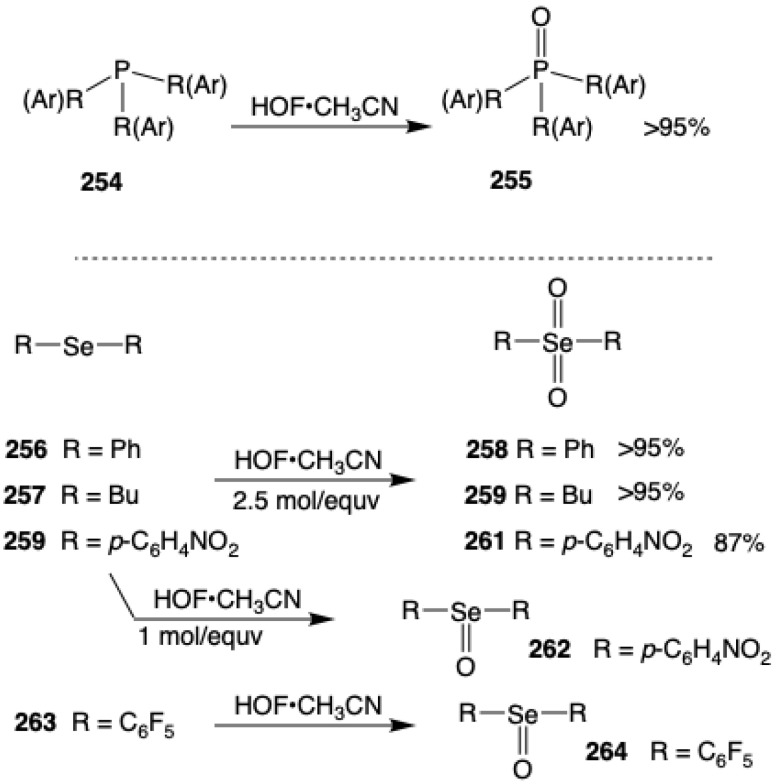 Figure 47
Peer Reviews
No public reviews on file for this paper yet. If you reviewed it on a platform where reviews are public (OpenReview, ICLR, NeurIPS, ICML), you can paste yours below so the community can read it here.
Videos
No videos yet. Explain this paper in a talk, walkthrough, or lecture? Add one.
Taxonomy
TopicsChemical Reactions and Mechanisms · Synthesis and Biological Evaluation · Synthesis and Catalytic Reactions