Impact of Zika and Chikungunya Viruses on Spontaneous Abortions: Insights from a Reference Maternity Hospital
Anne Kerollen Pinheiro de Carvalho, Ana Cecília Ribeiro Cruz, Juarez Antônio Simões Quaresma, Arnaldo Jorge Martins Filho, Darlene de Brito Simith Durans, Orlando Pereira Amador Neto, Ligia do Socorro Oliveira de Lima, Norma Suely de Carvalho Fonseca Assunçao

TL;DR
This study found that 40% of miscarriage samples tested positive for Zika or Chikungunya viruses, with Chikungunya being more common.
Contribution
The study provides new evidence linking ZIKV and CHIKV infections to spontaneous abortions in early pregnancy.
Findings
Zika and Chikungunya viruses were detected in 40% of miscarriage samples.
Chikungunya was more prevalent than Zika in the study, accounting for 36.11% of cases.
Histopathological changes like edema and necrosis were observed in placental tissues.
Abstract
To investigate the association between miscarriage and ZIKV and CHIKV infection. The study population consisted of pregnant women who had miscarriages between 2015, 2016 and 2017, comprising a total of 30 women who were treated at the Santa Casa de Misericórdia do Pará Foundation (FSCMPA). The processed samples came from already paraffinized material containing placental and fetal remains, where they were tested with hematoxylin–eosin and immunohistochemistry for ZIKV and CHIKV. Regarding the sociodemographic, clinical and obstetric characteristics of the patients, they correspond to the age group between 20 and 29 years of age; of brown color; women who had abortions for the first time; miscarriages occurring in the first trimester of pregnancy; women belonging to the metropolitan region of Belém; diagnosed with incomplete abortion and who had undergone uterine curettage procedure.…
Genes, proteins, chemicals, diseases, species, mutations and cell lines named across the full text — each resolved to its canonical identifier and authoritative record.
Click any figure to enlarge with its caption.
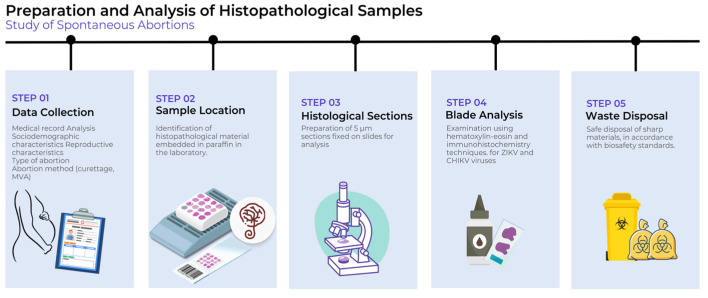 Figure 1
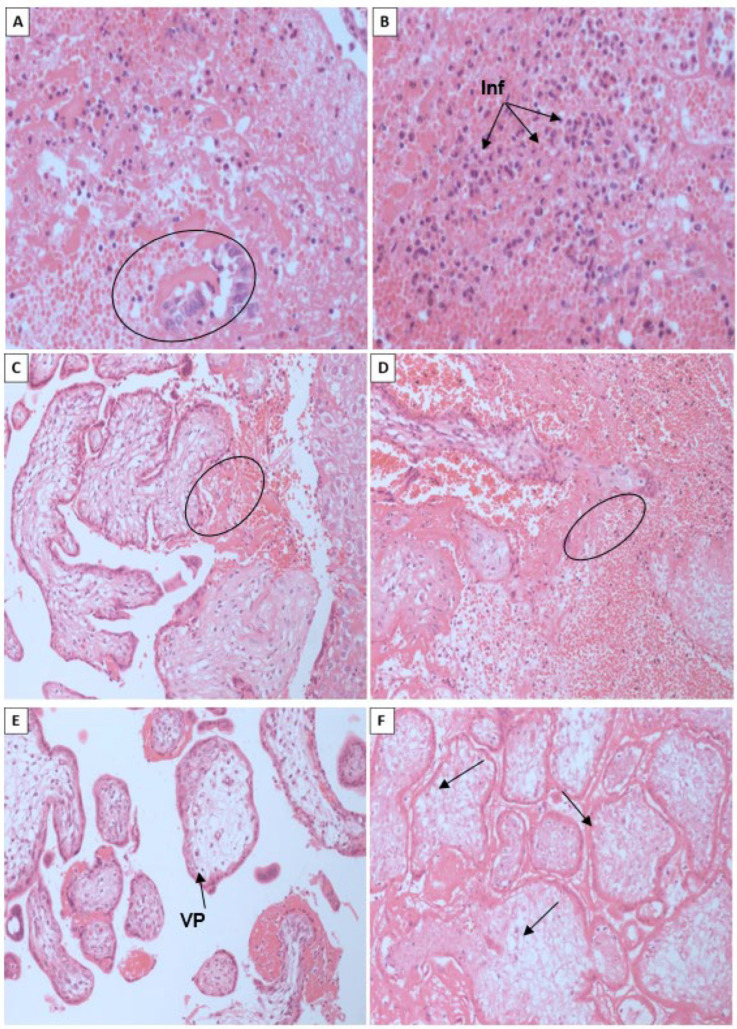 Figure 2
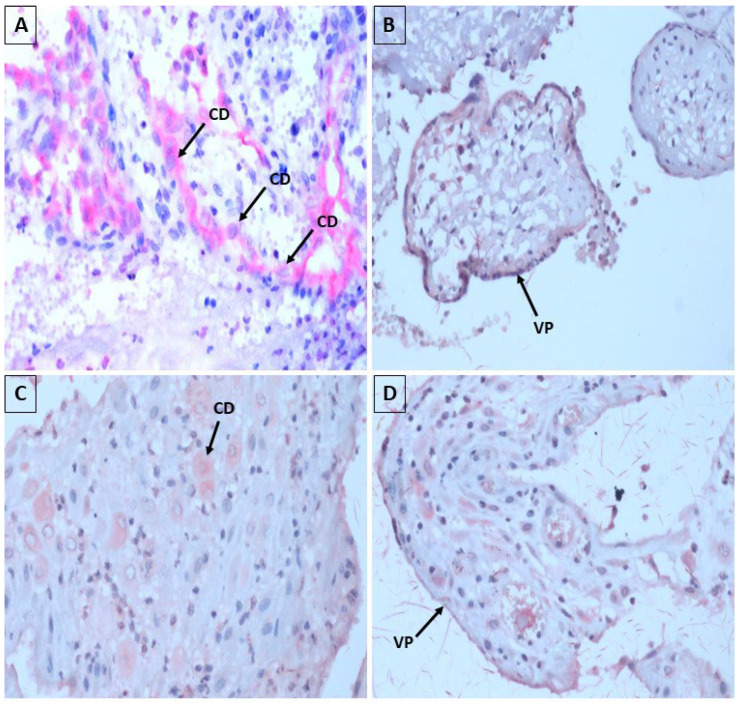 Figure 3
Peer Reviews
No public reviews on file for this paper yet. If you reviewed it on a platform where reviews are public (OpenReview, ICLR, NeurIPS, ICML), you can paste yours below so the community can read it here.
Videos
No videos yet. Explain this paper in a talk, walkthrough, or lecture? Add one.
Taxonomy
TopicsCOVID-19 Impact on Reproduction · Global Maternal and Child Health · Intimate Partner and Family Violence