Ultra-Fast Charge Transfer in P3HT Composites Using the Core Hole Clock Technique
Yan Li, Xiaoyu Hao, Xiongbai Cao, Tingting Wang, Haolong Fan, Lingtao Zhan, Zhenru Zhou, Huixia Yang, Quanzhen Zhang, Roberto Costantini, Cesare Grazioli, Teng Zhang, Yeliang Wang

TL;DR
This paper reviews how the core hole clock technique helps study ultra-fast charge transfer in P3HT composites, important for improving electronic and energy conversion devices.
Contribution
The paper highlights recent advancements in using the core hole clock technique to study charge transfer dynamics in P3HT composites with nanomaterials.
Findings
The core hole clock technique effectively measures interfacial charge transfer times in P3HT composites.
P3HT composites with carbon-based nanomaterials and 2D materials show modulated charge transfer dynamics.
Nanomaterial interfaces play a critical role in influencing charge transfer for electronic devices.
Abstract
Charge transfer dynamics fundamentally influence energy conversion efficiency in excited electronic states, directly impacting photoelectric conversion, molecular electronics, and catalysis. The core hole clock (CHC) technique enables the precise measurement of interfacial charge transfer time, providing insights into the electronic structure and dynamics of organic and inorganic coupled systems. Among these materials, poly(3-hexylthiophene) (P3HT), a p-type semiconductor known for its high charge mobility, serves as an ideal model for charge transfer studies. This review discusses recent advancements in understanding charge transfer dynamics in P3HT-based composites through the application of the CHC technique. The studies are categorized into two main areas: (1) P3HT combined with carbon-based nanomaterials and (2) P3HT combined with 2D materials. These findings highlight the…
Genes, proteins, chemicals, diseases, species, mutations and cell lines named across the full text — each resolved to its canonical identifier and authoritative record.
Click any figure to enlarge with its caption.
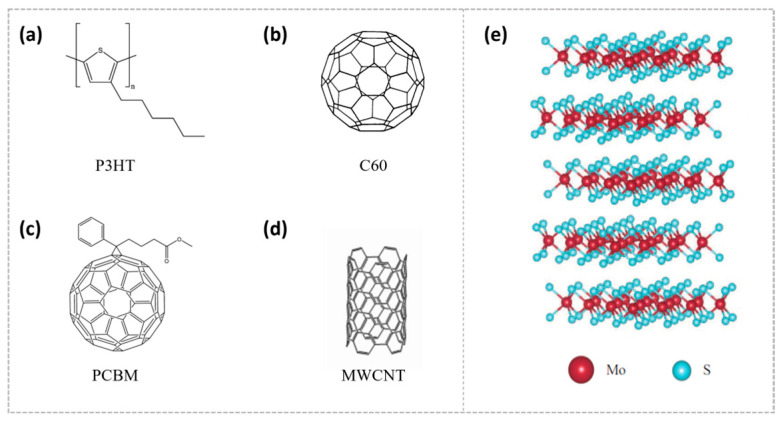 Figure 1
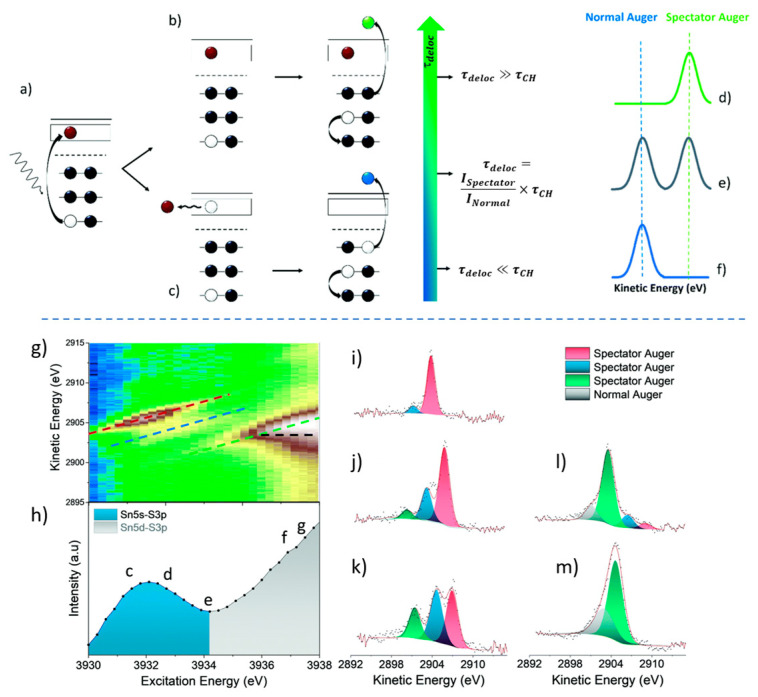 Figure 2
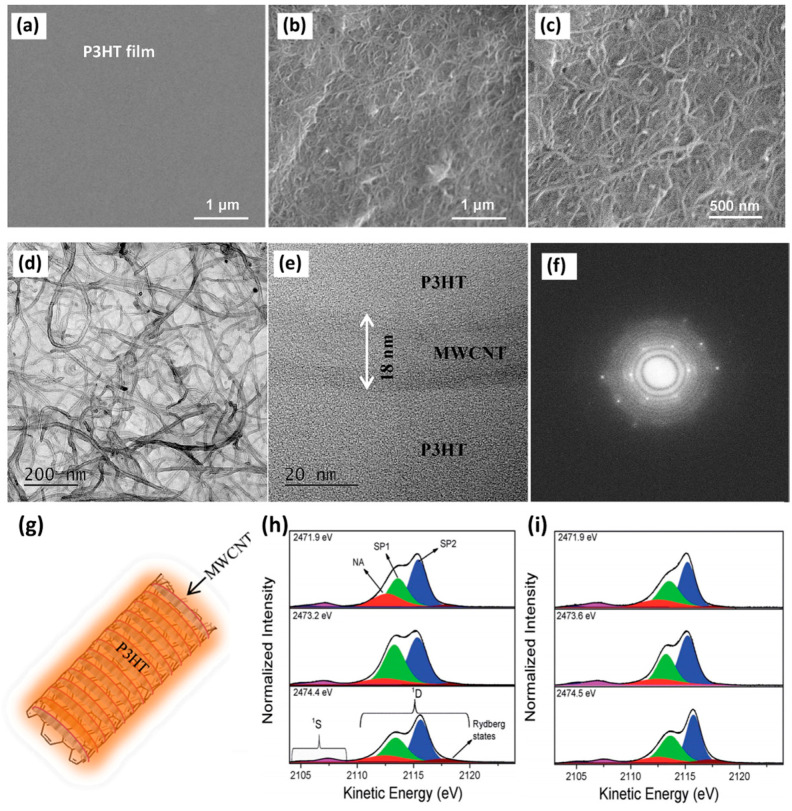 Figure 3
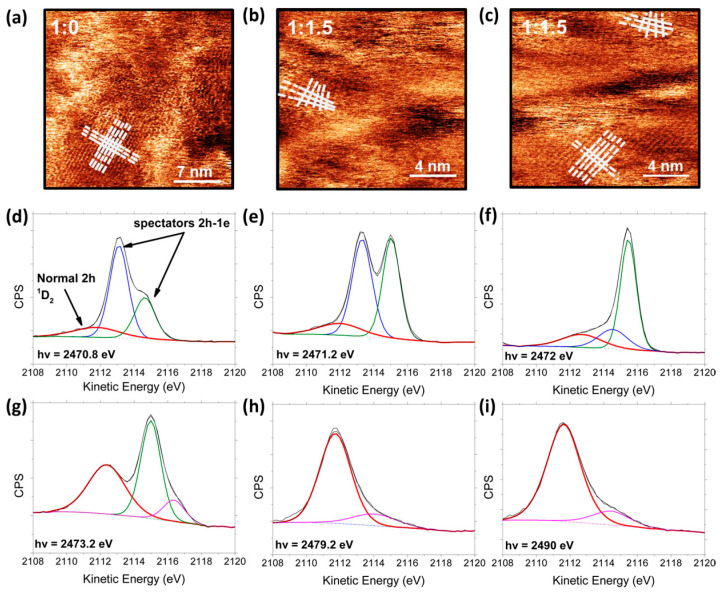 Figure 4
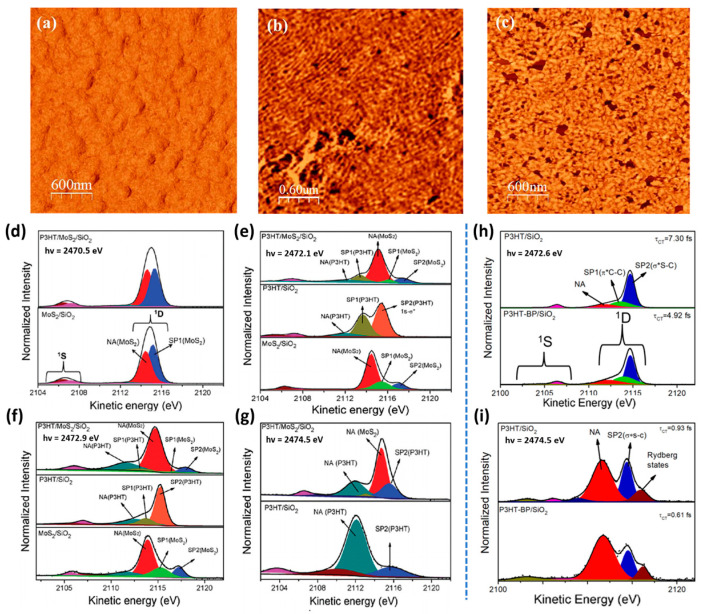 Figure 5
Peer Reviews
No public reviews on file for this paper yet. If you reviewed it on a platform where reviews are public (OpenReview, ICLR, NeurIPS, ICML), you can paste yours below so the community can read it here.
Videos
No videos yet. Explain this paper in a talk, walkthrough, or lecture? Add one.
Taxonomy
TopicsOrganic Electronics and Photovoltaics · Conducting polymers and applications · Perovskite Materials and Applications