The Light and the Dark Side of Maternal PKU: Single-Centre Experience of Dietary Management and Emergency Treatment Protocol of Unplanned Pregnancies
Claudia Gautiero, Iris Scala, Giulia Esposito, Maria Rosaria Coppola, Nunzia Cacciapuoti, Mariagrazia Fisco, Margherita Ruoppolo, Pietro Strisciuglio, Giancarlo Parenti, Bruna Guida

TL;DR
This study examines how dietary management affects pregnancy outcomes in women with phenylketonuria, highlighting the risks of unplanned pregnancies.
Contribution
The study provides insights into the effectiveness of early dietary intervention in preventing maternal PKU syndrome in unplanned pregnancies.
Findings
Women with unplanned pregnancies had higher phenylalanine levels during the first trimester.
Offspring of unplanned pregnancies showed lower birth parameters but no significant malformations.
Unplanned and untreated pregnancies resulted in maternal PKU syndrome in offspring.
Abstract
Background/Objectives. Maternal phenylketonuria syndrome (MPKUS) is the most serious pregnancy complication of women with phenylketonuria (PKU). High phenylalanine (Phe) levels are indeed embryotoxic for the fetus. A low-Phe diet started before conception and maintained throughout pregnancy ensures optimal blood Phe concentrations (120–360 μmol/L) and pregnancy outcome. Women with unplanned pregnancies are at higher risk of MPKUS and require a rapid and sustained reduction of blood Phe. In this retrospective study, we evaluated the effects of dietary intervention on Phe levels and on the clinical parameters of offspring at birth in a group of patients with PKU. We also describe the fetal outcome of unplanned and untreated mothers with PKU. Methods. The cohort consisted of 13 patients for a total of 22 pregnancies: 16 successful pregnancies and 6 abortions. Pregnancies were divided into…
Genes, proteins, chemicals, diseases, species, mutations and cell lines named across the full text — each resolved to its canonical identifier and authoritative record.
Click any figure to enlarge with its caption.
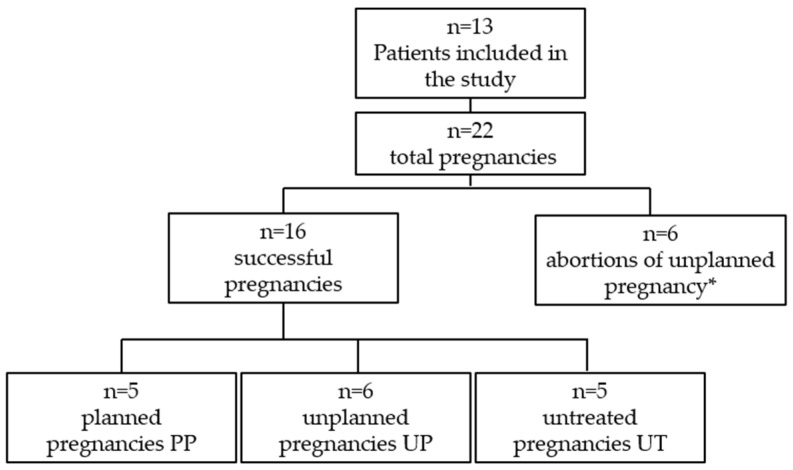 Figure 1
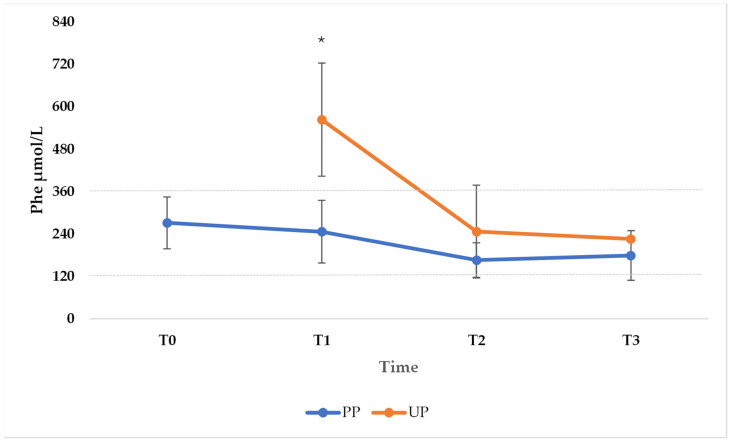 Figure 2
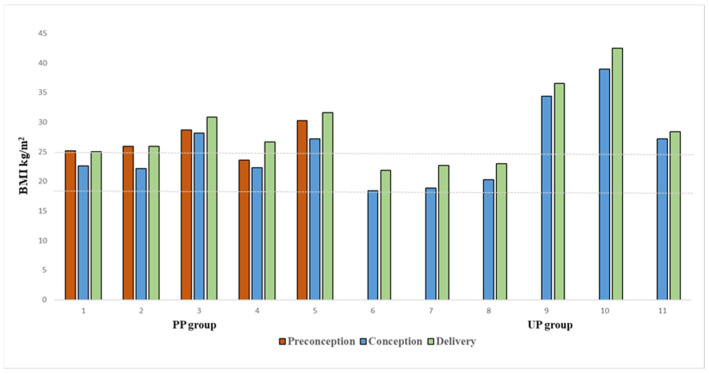 Figure 3
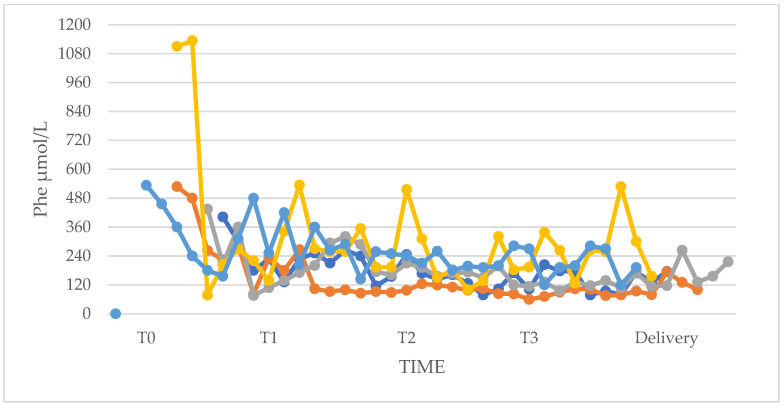 Figure 4
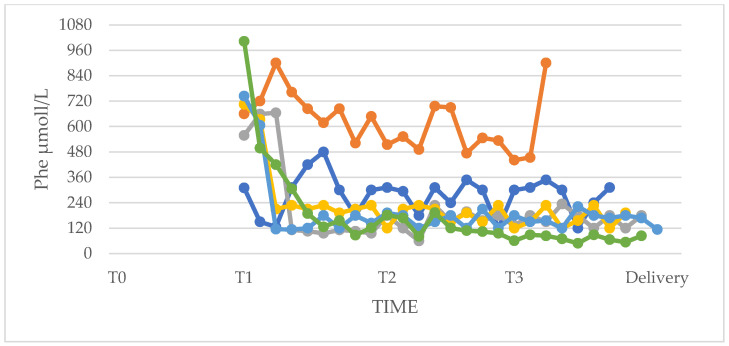 Figure 5
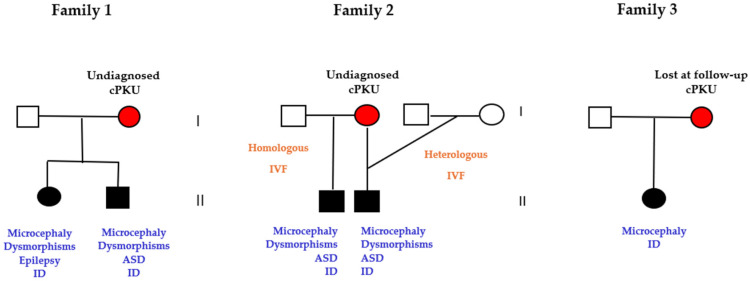 Figure 6
Peer Reviews
No public reviews on file for this paper yet. If you reviewed it on a platform where reviews are public (OpenReview, ICLR, NeurIPS, ICML), you can paste yours below so the community can read it here.
Videos
No videos yet. Explain this paper in a talk, walkthrough, or lecture? Add one.
Taxonomy
TopicsMetabolism and Genetic Disorders · Folate and B Vitamins Research · Mitochondrial Function and Pathology