Nutritional Stress Leads to Persistence and Persister-like Growth in Staphylococcus aureus
Katie R. Risoen, Claire A. Shaw, Bart C. Weimer

TL;DR
Nutritional stress causes Staphylococcus aureus to enter a persistent state, surviving for over 120 days and forming small colony variants, which may explain recurring infections in humans and animals.
Contribution
The study reveals that nutritional stress induces persister-like growth in S. aureus, offering new insights into its survival strategies.
Findings
S. aureus strains remained persistent for over 120 days under nutritional stress.
Persister-like growth included small colony variant formations and stable intracellular ATP levels.
Cell density was higher than plate counts indicated during persistence.
Abstract
Staphylococcus aureus is a versatile zoonotic pathogen capable of causing a wide range of infections. Due to the organism’s ability to persist, recalcitrant and recurring infections are a major concern for public and animal health. This study investigated the establishment of persistence using two S. aureus strains—ATCC 29740, a bovine mastitis isolate, and USA300, a human clinical isolate—under substrate depletion. This nutritional stress established a persistence phenotype where the strains remained persistent for >120 days at notable concentrations [>2 log10 CFU/mL] and developed persister-like growth, including small colony variant formations. With RT-qPCR, we found the cell density was higher than represented by the plate count while the intracellular ATP remained constant during the persistence phase. These findings indicate that S. aureus has complex survival strategies to…
Genes, proteins, chemicals, diseases, species, mutations and cell lines named across the full text — each resolved to its canonical identifier and authoritative record.
Click any figure to enlarge with its caption.
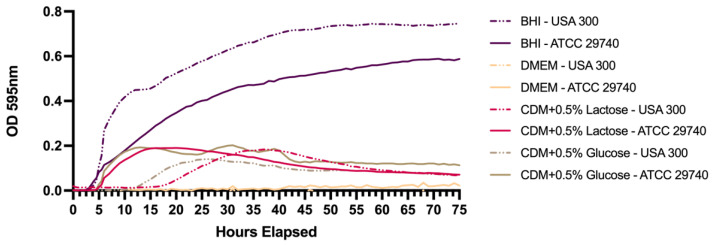 Figure 1
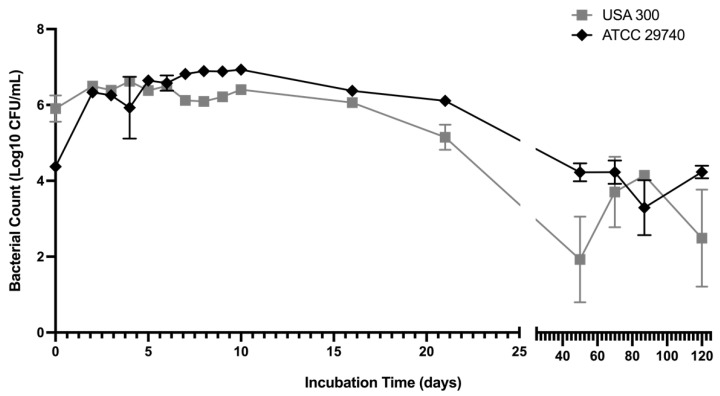 Figure 2
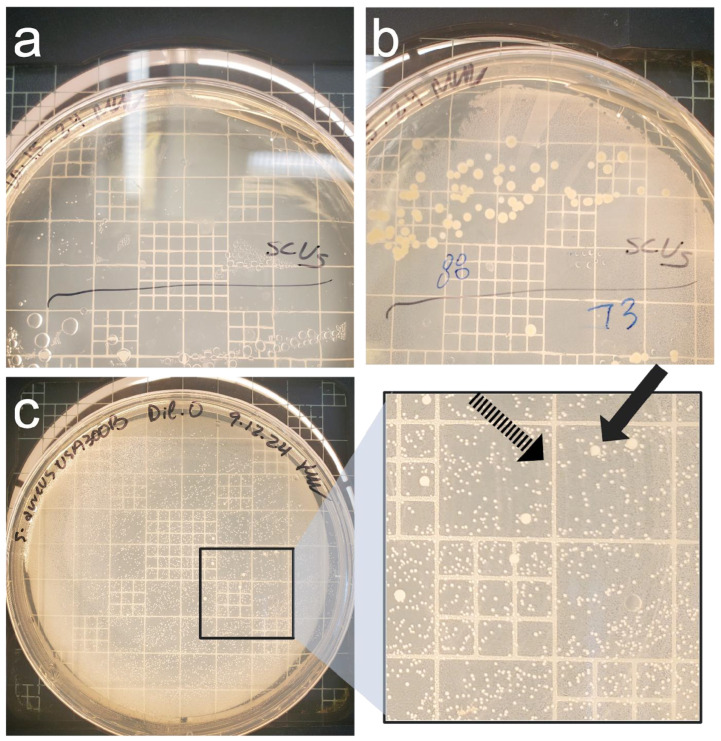 Figure 3
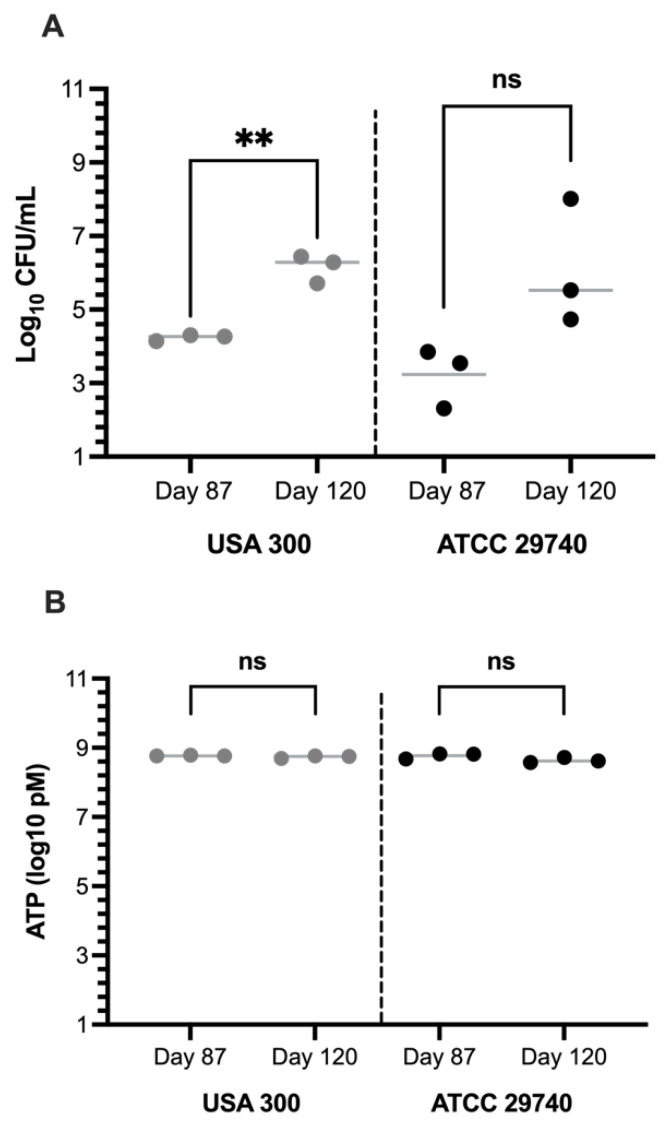 Figure 4
Peer Reviews
No public reviews on file for this paper yet. If you reviewed it on a platform where reviews are public (OpenReview, ICLR, NeurIPS, ICML), you can paste yours below so the community can read it here.
Videos
No videos yet. Explain this paper in a talk, walkthrough, or lecture? Add one.
Taxonomy
TopicsAntimicrobial Resistance in Staphylococcus · Bacterial Identification and Susceptibility Testing · Bacterial biofilms and quorum sensing