Wuzhuyu Decoction Relieves Chronic Migraine by Regulating 5-HT1A and 3A Receptors-Mediated CREB Signaling Pathway in Brain and Intestine
Zhimin Song, Meijing Li, Ziwei Zhou, Xiaomeng Guo, Qi Wang, Zekuan Zhang, Keshu Wang, Qixiang Zheng, Wenjing Gou, Sha Wu, Hui Zhao, Muxin Gong

TL;DR
Wuzhuyu Decoction (WZYD) helps treat chronic migraines by regulating brain and gut serotonin receptors, offering a new approach for managing both headache and digestive symptoms.
Contribution
This study reveals WZYD's novel mechanism of action via 5-HT1A/3A receptors and CREB signaling in both brain and gut, explaining its dual therapeutic effects.
Findings
WZYD increased 5-HT levels in the brain and decreased CGRP and c-Fos, alleviating chronic migraine symptoms.
WZYD modulated 5-HT1A and 3A receptors in the brain and colon, improving both headache and gastrointestinal symptoms.
The CREB signaling pathway mediated by 5-HT1A/3A receptors was regulated by WZYD, contributing to its brain-gut therapeutic effects.
Abstract
Background: Chronic migraine (CM) is a common complex nervous system disease, often accompanied by symptoms of the digestive tract that interact with each other, leading to prolonged and difficult-to-cure migraines. These symptoms are associated with abnormalities in 5-HT and its receptors. Wuzhuyu decoction (WZYD) is a traditional Chinese medicine prescription commonly used in clinics to treat CM; it relieves gastrointestinal symptoms, such as nausea and vomiting; however, its mechanism is still unclear. Investigating the differences in the role of WZYD compared to existing drugs targeting 5-HT receptors in the treatment of CM not only helps elucidate its pathogenesis but also provides possibilities for the development of new therapeutic approaches. Methods: An inflammation soup (IS)-induced CM male rat model was established. Based on a preliminary experiment, the target of WZYD in…
Genes, proteins, chemicals, diseases, species, mutations and cell lines named across the full text — each resolved to its canonical identifier and authoritative record.
Click any figure to enlarge with its caption.
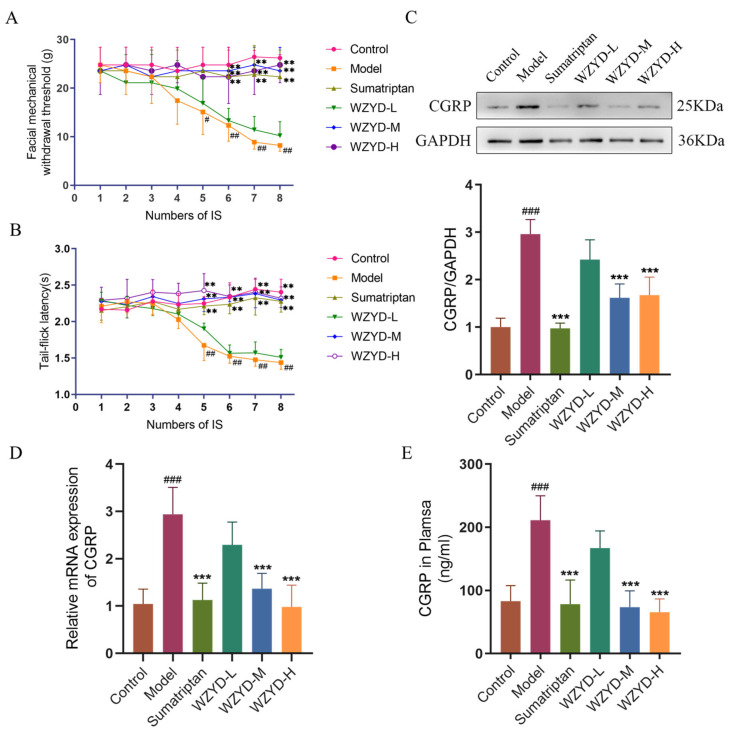 Figure 1
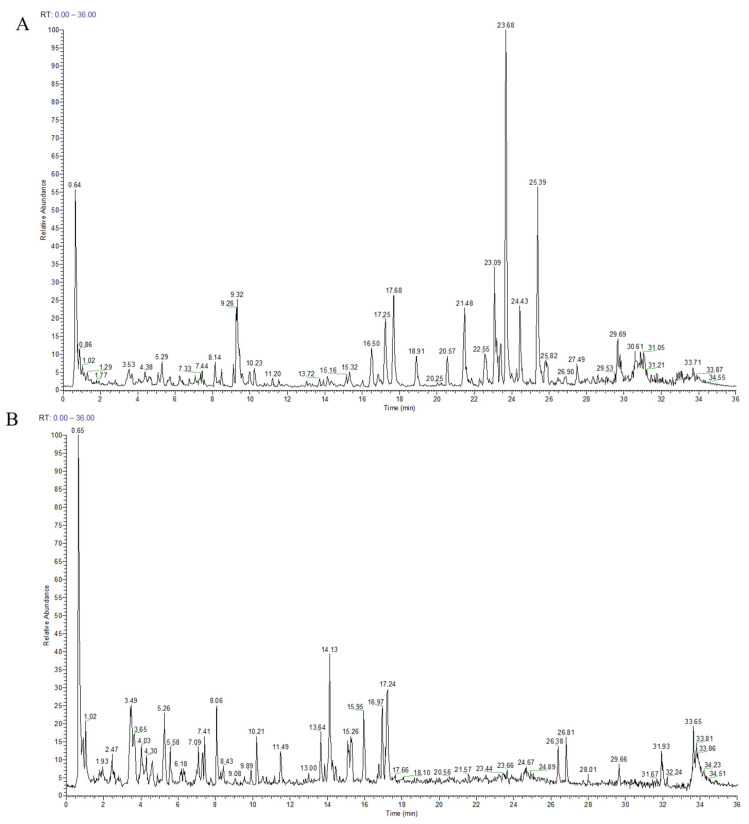 Figure 2
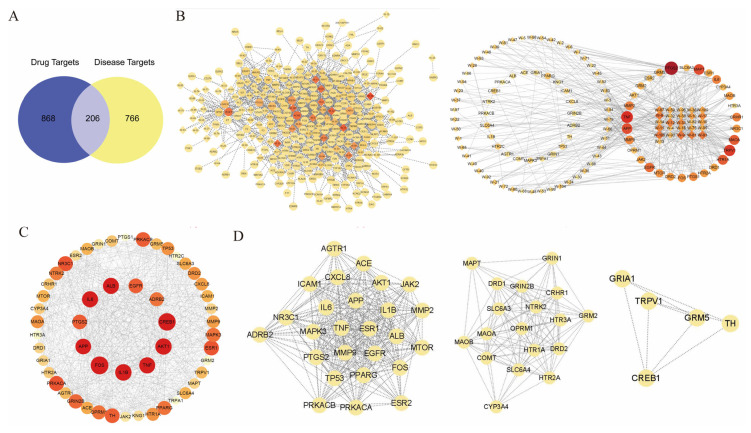 Figure 3
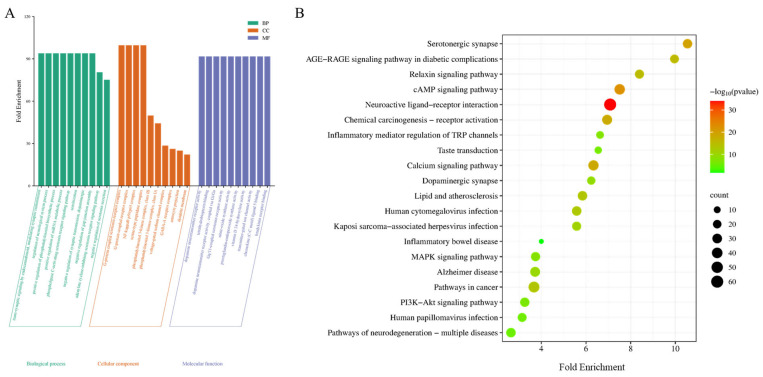 Figure 4
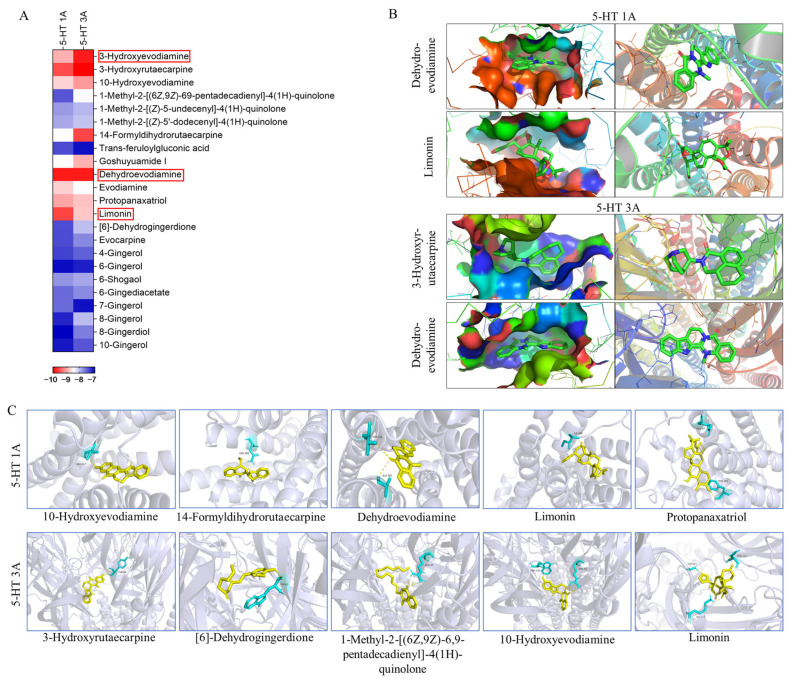 Figure 5
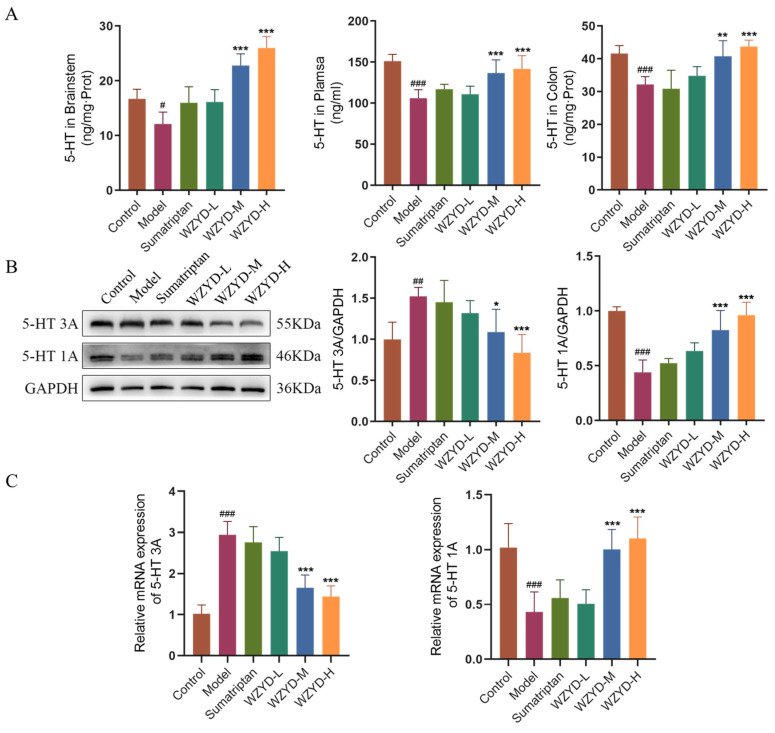 Figure 6
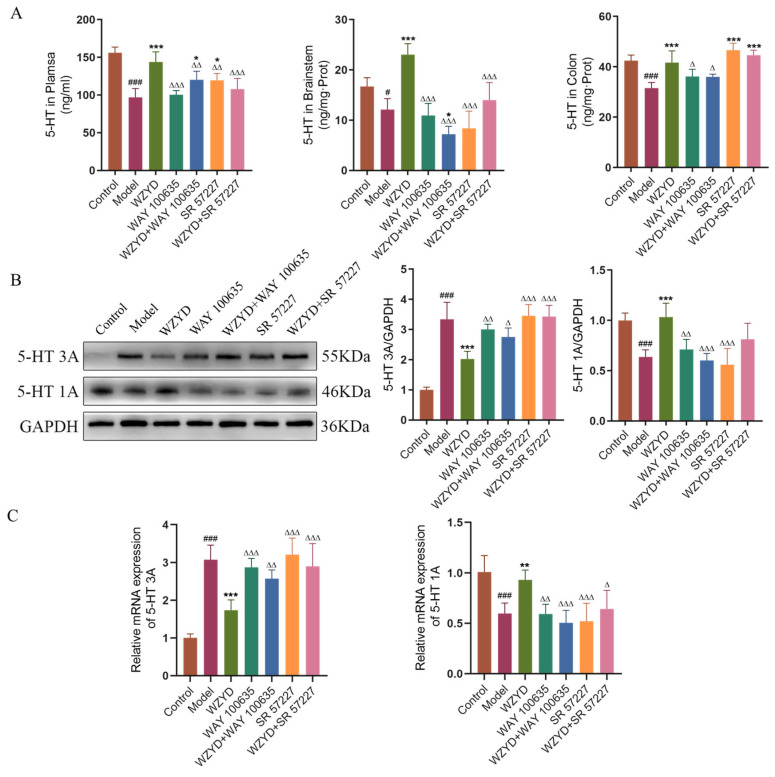 Figure 7
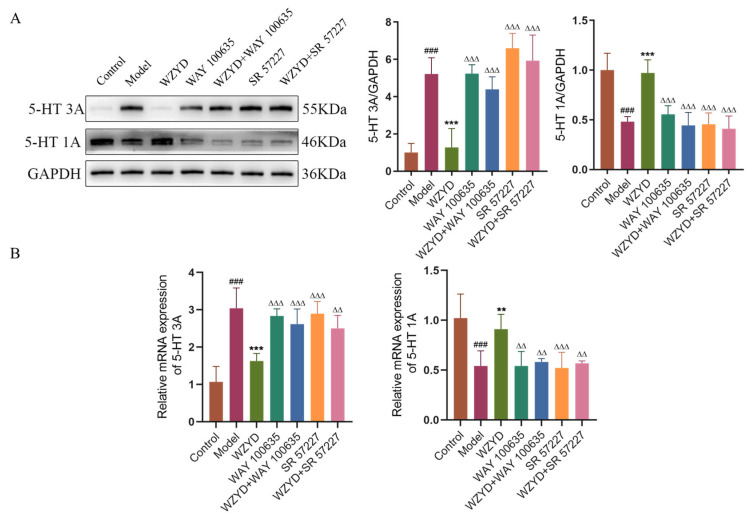 Figure 8
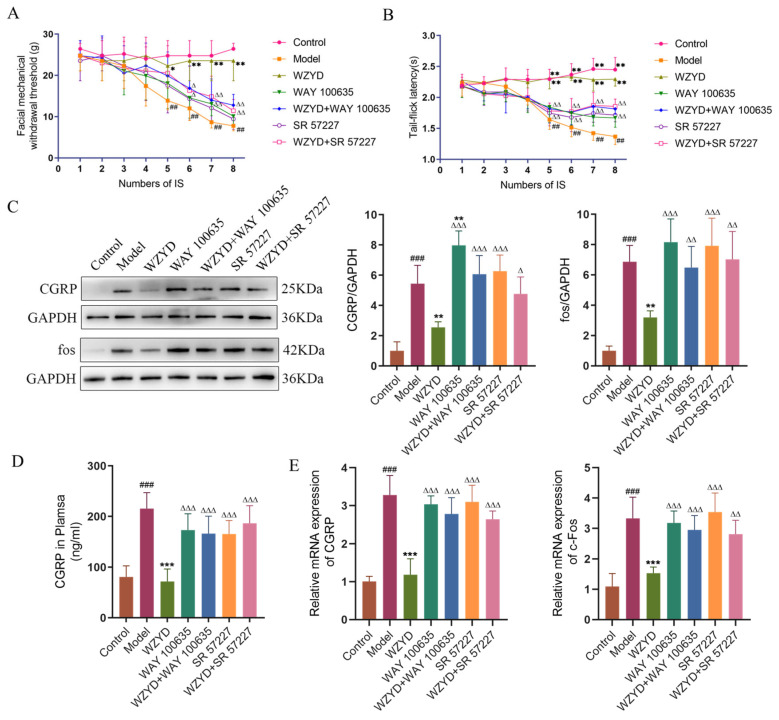 Figure 9
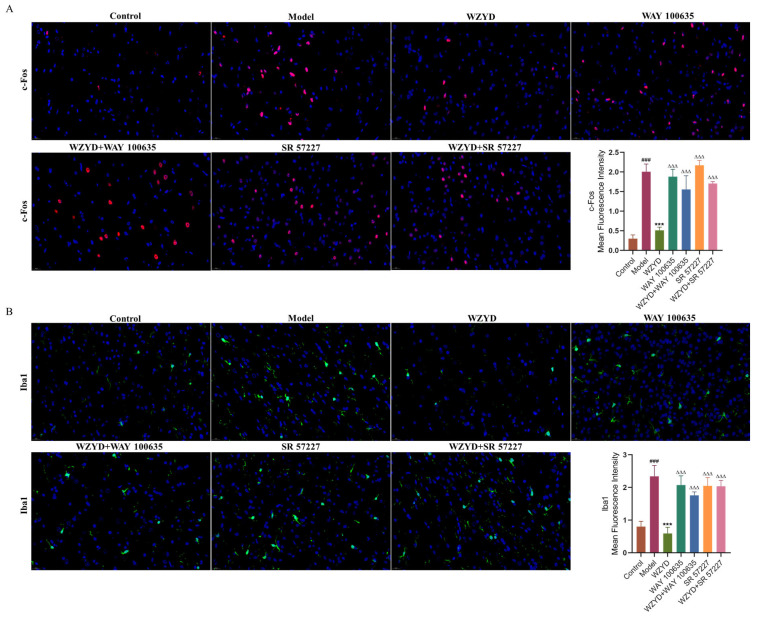 Figure 10
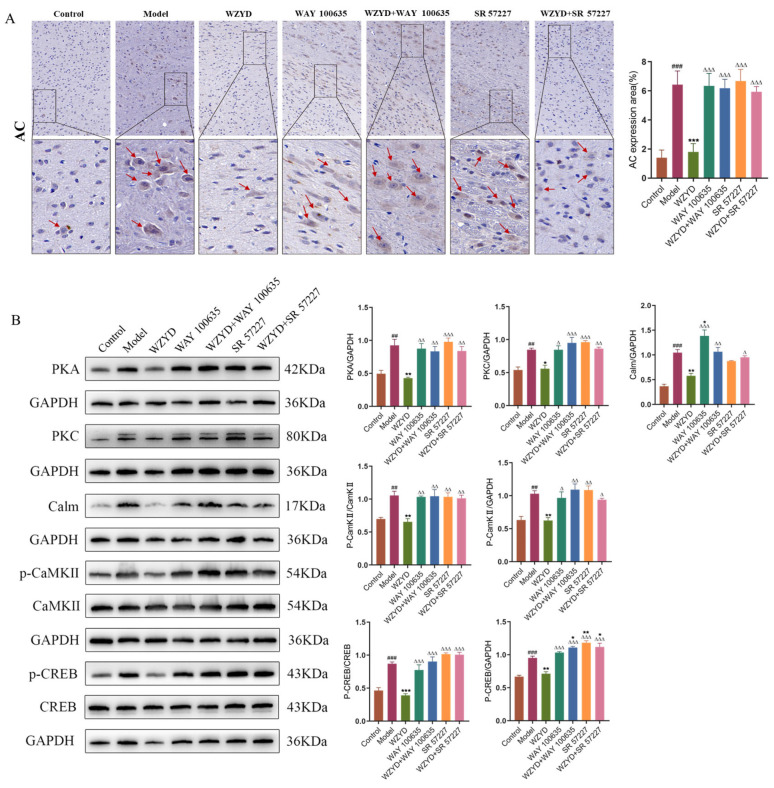 Figure 11
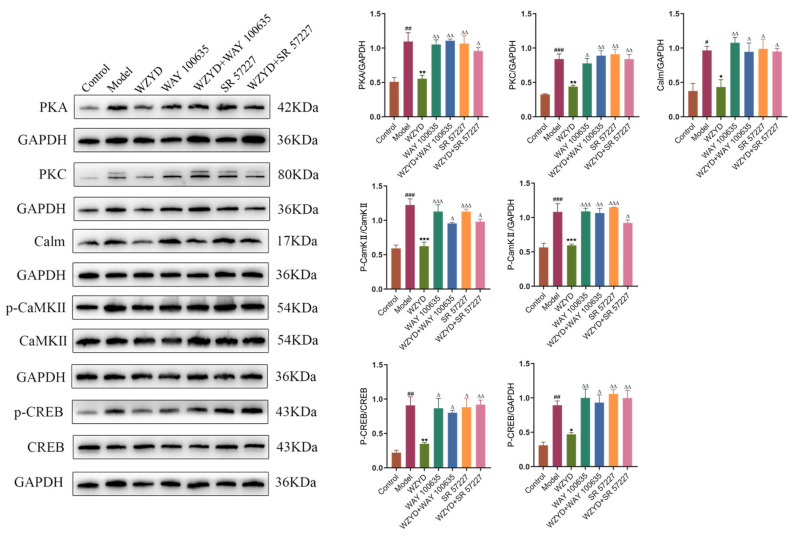 Figure 12
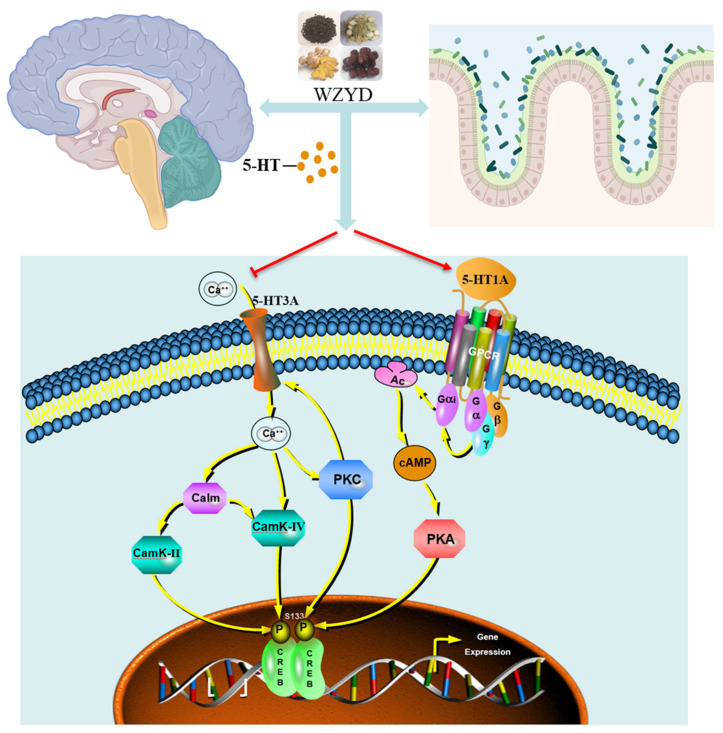 Figure 13
 Figure 14
Peer Reviews
No public reviews on file for this paper yet. If you reviewed it on a platform where reviews are public (OpenReview, ICLR, NeurIPS, ICML), you can paste yours below so the community can read it here.
Videos
No videos yet. Explain this paper in a talk, walkthrough, or lecture? Add one.
Taxonomy
TopicsMigraine and Headache Studies · Neurological Disorders and Treatments · Olfactory and Sensory Function Studies