Diversity and Correlation Analysis of Endophytes and Top Metabolites in Phlomoides rotata Roots from High-Altitude Habitats
Zuxia Li, Huichun Xie, Guigong Geng, Chongxin Yin, Xiaozhuo Wu, Jianxia Ma, Rui Su, Zirui Wang, Feng Qiao

TL;DR
This study explores the relationship between endophytes and metabolites in the roots of Phlomoides rotata, a medicinal plant from high-altitude regions.
Contribution
The study identifies key endophytic genera and their correlations with root metabolites and soil indicators in P. rotata.
Findings
The top 30 metabolites in P. rotata roots include amino acids, sugars, phenylpropanoids, organic acids, and alkaloids.
Endophytic bacteria and fungi show both positive and negative correlations with metabolite contents.
Soil physicochemical indicators are significantly correlated with specific endophytic genera like Acidibacter and Tetracladium.
Abstract
Phlomoides rotata, a traditional medicinal plant, always grows on the Tibetan Plateau at a high altitude of 3100–5200 m. The major active ingredients in P. rotata were used in medicines due to their diverse pharmacological effects, including hemostatic, anti-inflammatory, antitumor, immuno-modulatory, and antioxidant activities. This study screened 15 top endophytic genus through the analysis of OTUs and the top 30 metabolites with relatively high content in P. rotata roots from four different habitats (HN, GL, YS, and CD regions) in Qinghai Province. Twelve physicochemical indicators were measured and analyzed in the rhizosphere soils of P. rotata habitats. The results indicated that the top 30 metabolites compounds included 7 amino acids, 5 sugars and alcohols, 4 phenylpropanoids, 3 Organic acids, and 3 Alkaloids. Four endophytic bacteria (Acidibacter, Sphingomonas, Variovorax, and…
Genes, proteins, chemicals, diseases, species, mutations and cell lines named across the full text — each resolved to its canonical identifier and authoritative record.
Click any figure to enlarge with its caption.
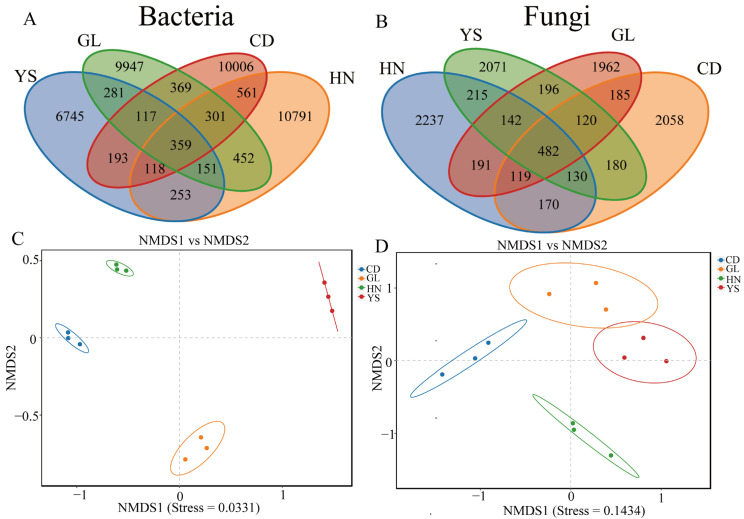 Figure 1
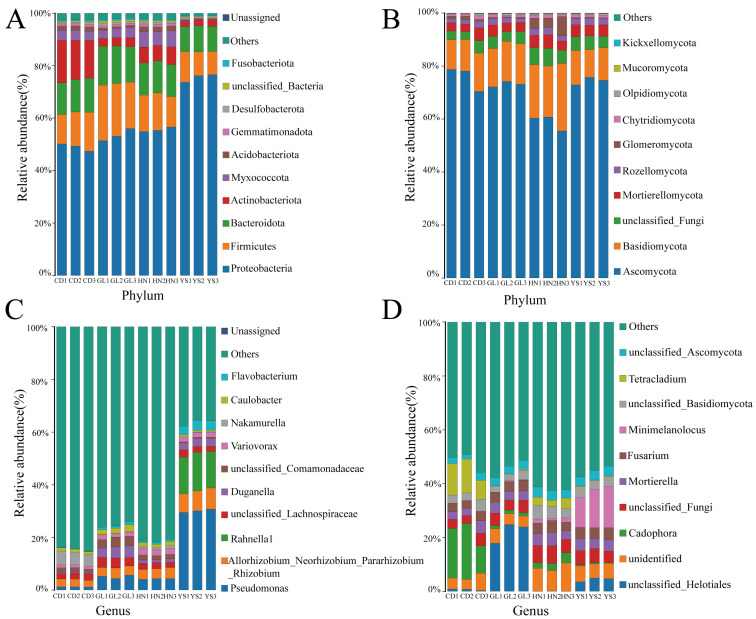 Figure 2
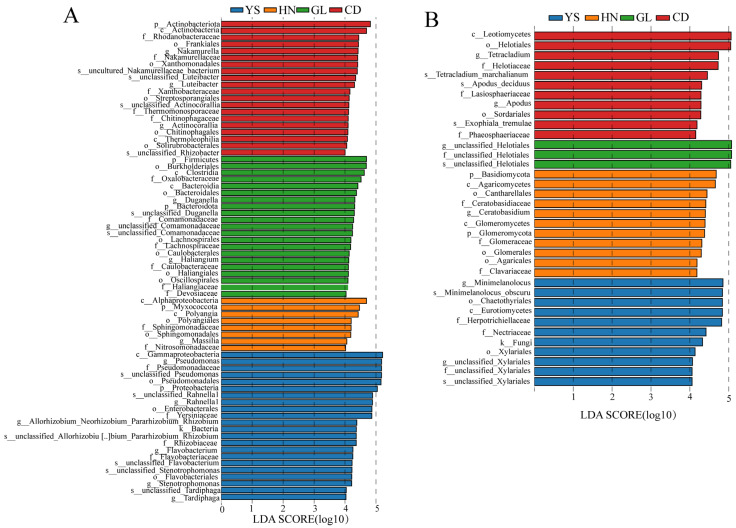 Figure 3
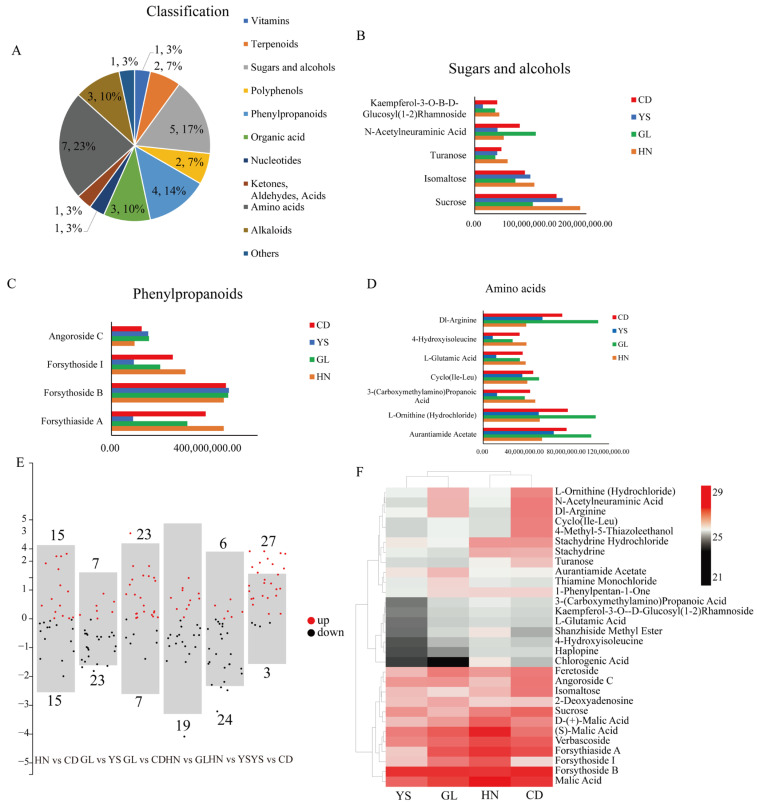 Figure 4
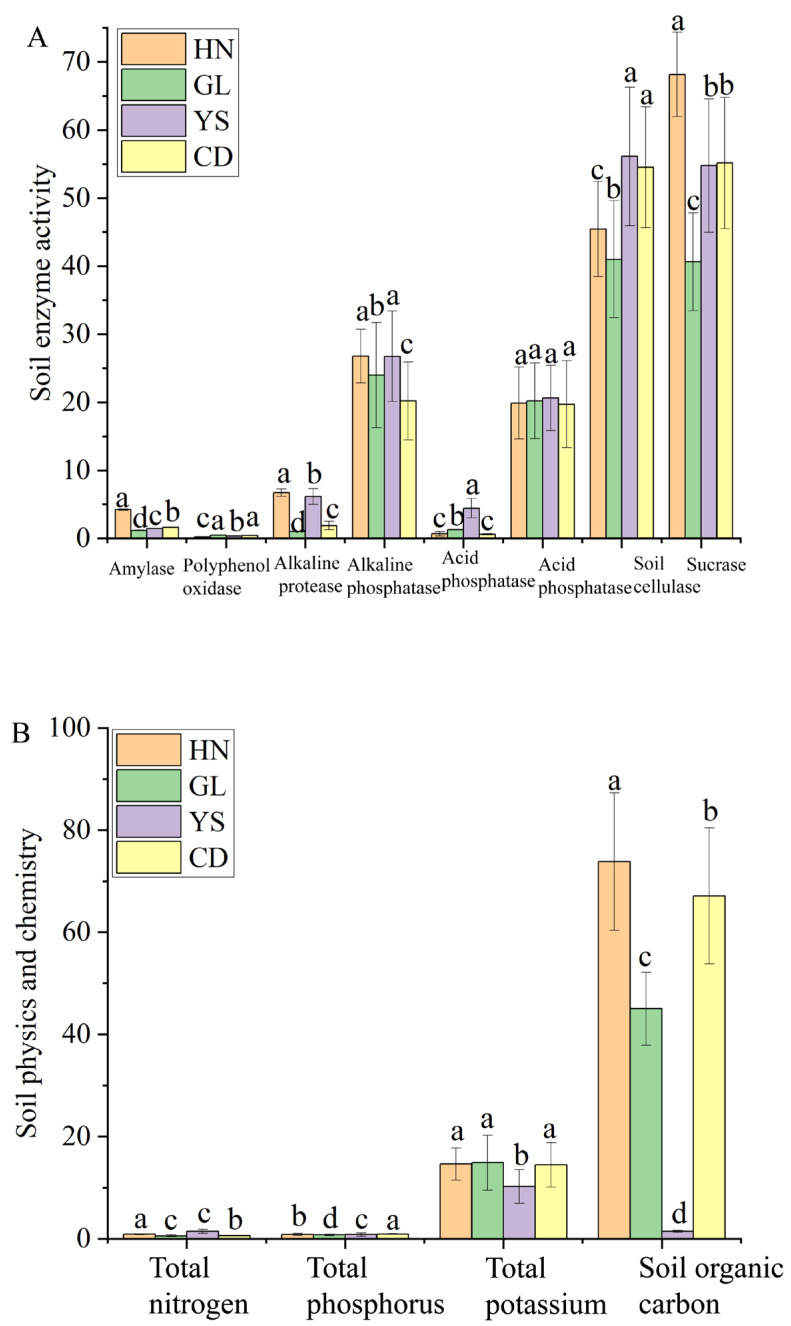 Figure 5
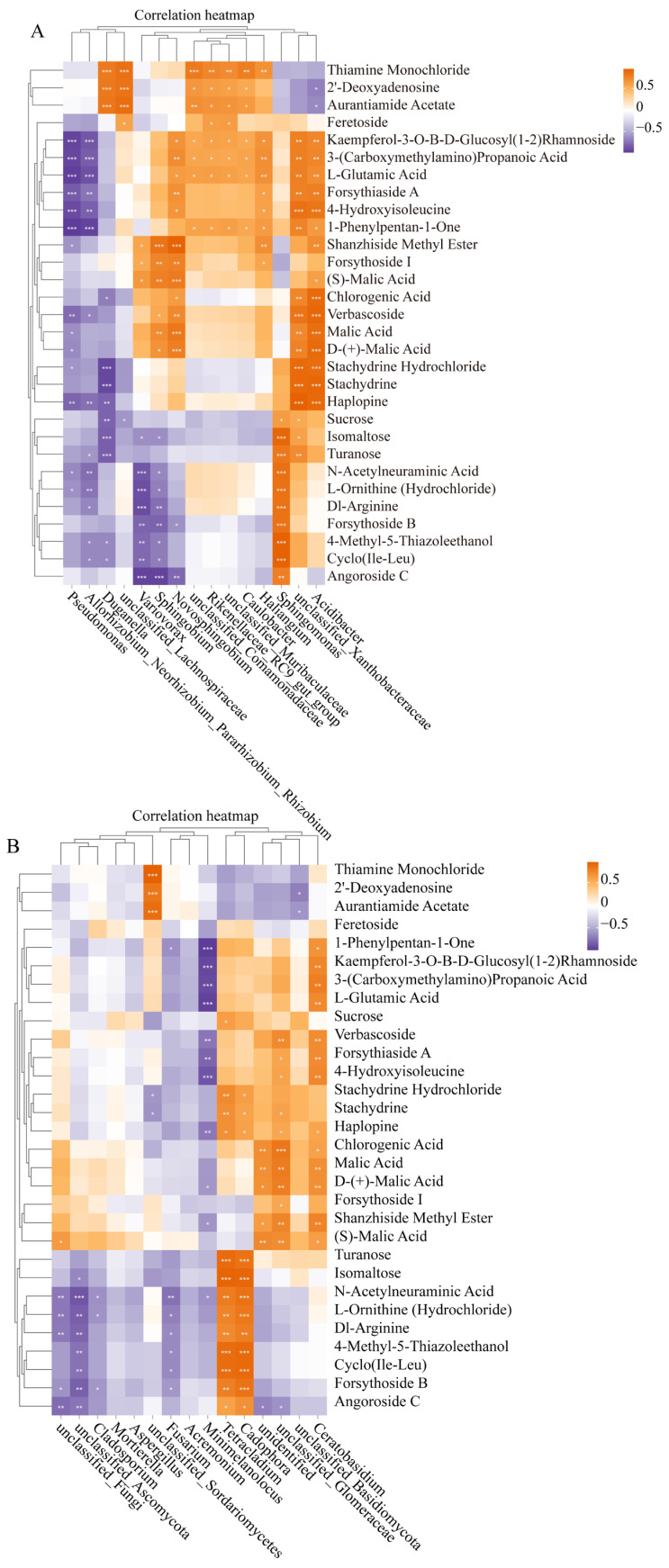 Figure 6
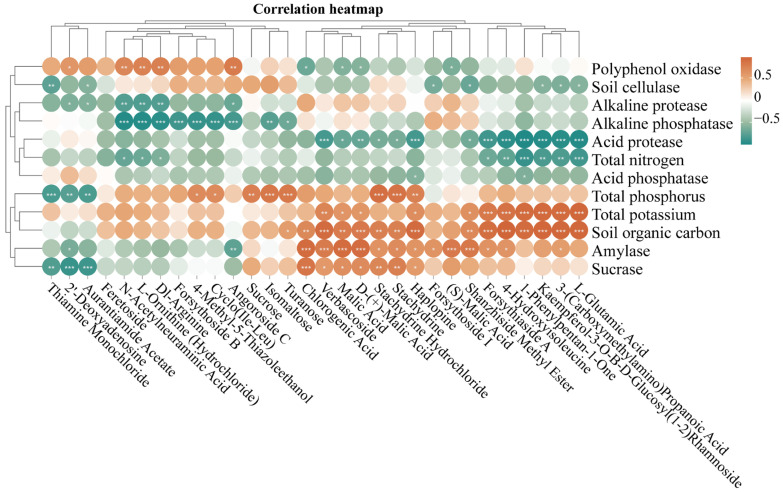 Figure 7
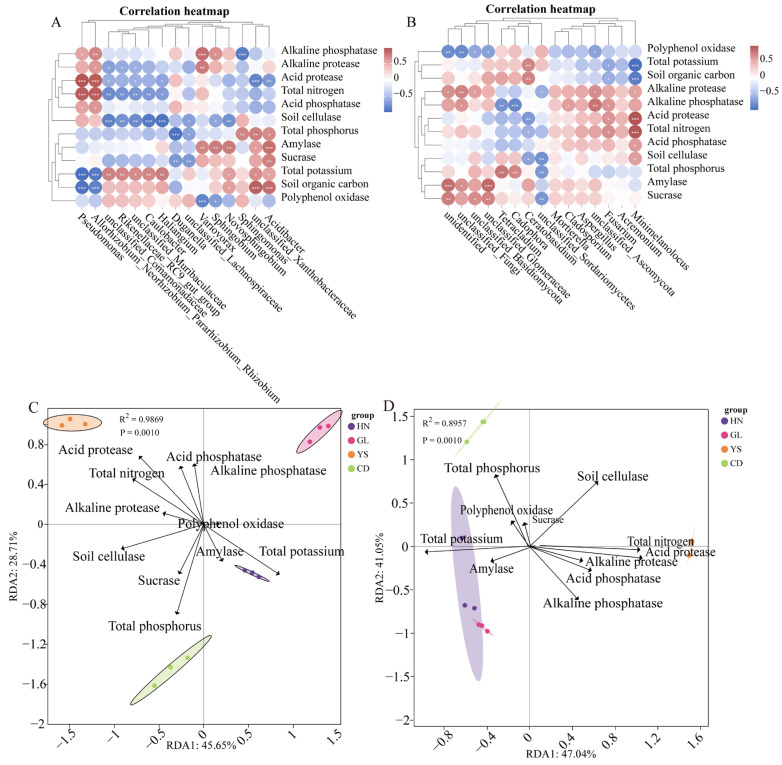 Figure 8
Peer Reviews
No public reviews on file for this paper yet. If you reviewed it on a platform where reviews are public (OpenReview, ICLR, NeurIPS, ICML), you can paste yours below so the community can read it here.
Videos
No videos yet. Explain this paper in a talk, walkthrough, or lecture? Add one.
Taxonomy
TopicsFungal Biology and Applications · Plant and fungal interactions · Plant Pathogens and Fungal Diseases