Integrating Surface Plasmon Resonance and Docking Analysis for Mechanistic Insights of Tryptase Inhibitors
Alessia Porta, Candida Manelfi, Carmine Talarico, Andrea Rosario Beccari, Margherita Brindisi, Vincenzo Summa, Daniela Iaconis, Marco Gobbi, Marten Beeg

TL;DR
This paper combines experimental and computational methods to study how tryptase inhibitors bind to their target, revealing insights into their mechanism of action.
Contribution
The novel integration of Surface Plasmon Resonance and in silico docking analysis provides mechanistic insights into tryptase inhibitor binding.
Findings
Bivalent inhibitors show higher affinity and occupy multiple binding pockets in the tryptase tetramer.
X-ray crystal structures confirm predicted binding modes and molecular interactions of inhibitors.
Rmax values suggest all four binding pockets of the tetramer are occupied by the inhibitors.
Abstract
Tryptase is a tetrameric serine protease and a key component of mast cell granules. Here, we explored an integrated approach to characterize tryptase ligands, combining novel experimental binding studies using Surface Plasmon Resonance, with in silico analysis through the Exscalate platform. For this, we focused on three inhibitors previously reported in the literature, including a bivalent inhibitor and its corresponding monovalent compound. All three ligands showed concentration-dependent binding to immobilized human tryptase with the bivalent inhibitor showing the highest affinity. Furthermore, Rmax values were similar, indicating that the compounds occupy all four binding pockets of the tryptase tetramer. This hypothesis was supported by in silico computational analysis that revealed the binding mode of the monovalent ligand, one in each monomer pocket, compared with crystal…
Genes, proteins, chemicals, diseases, species, mutations and cell lines named across the full text — each resolved to its canonical identifier and authoritative record.
Click any figure to enlarge with its caption.
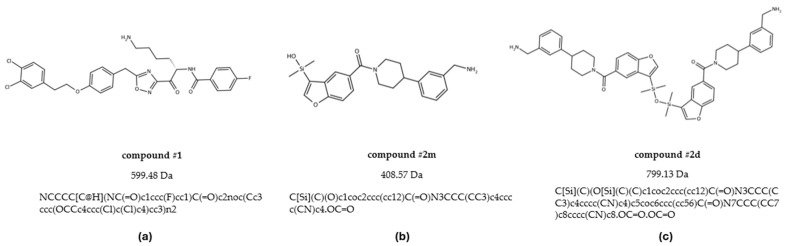 Figure 1
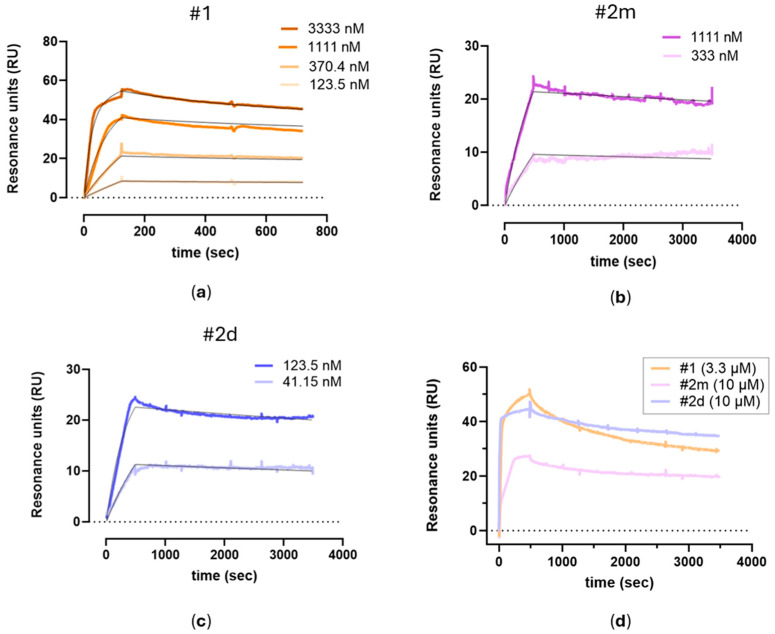 Figure 2
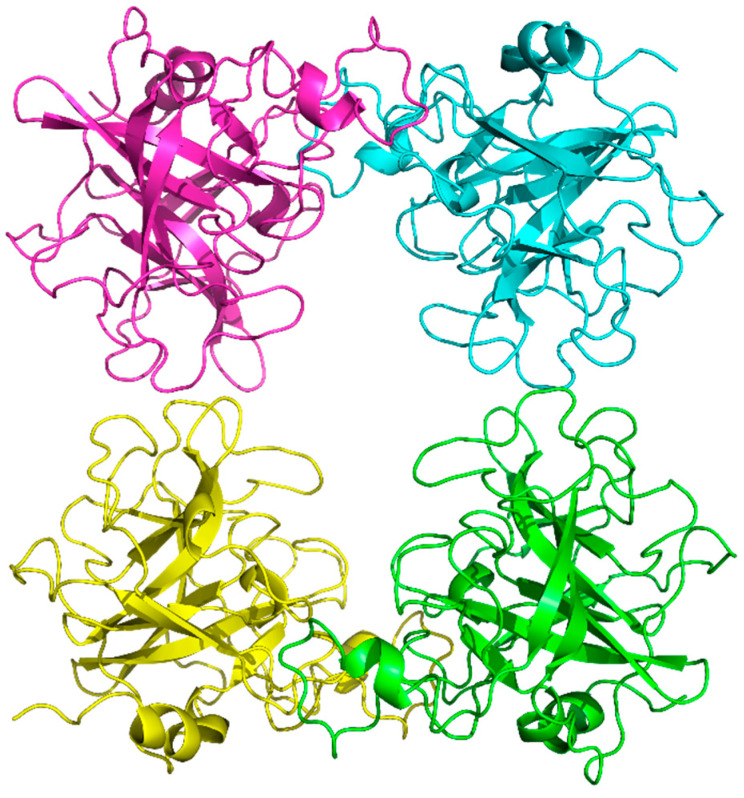 Figure 3
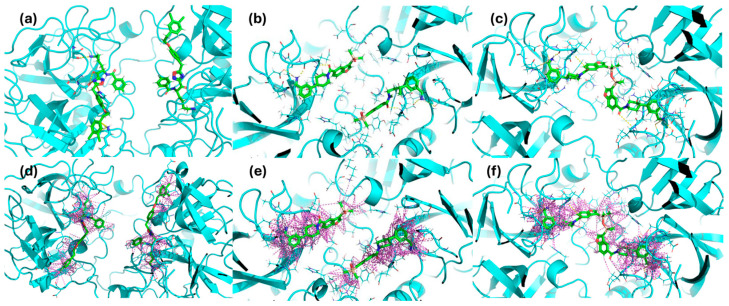 Figure 4
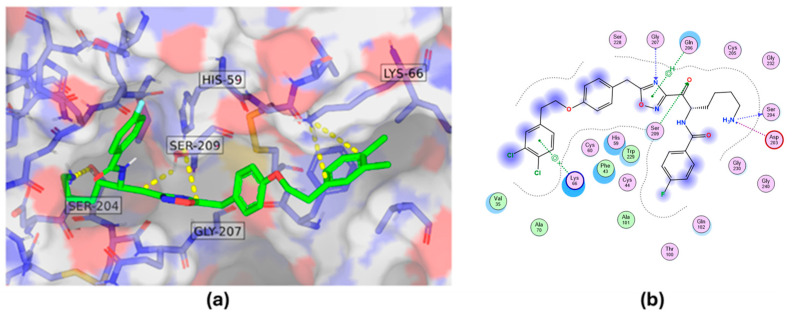 Figure 5
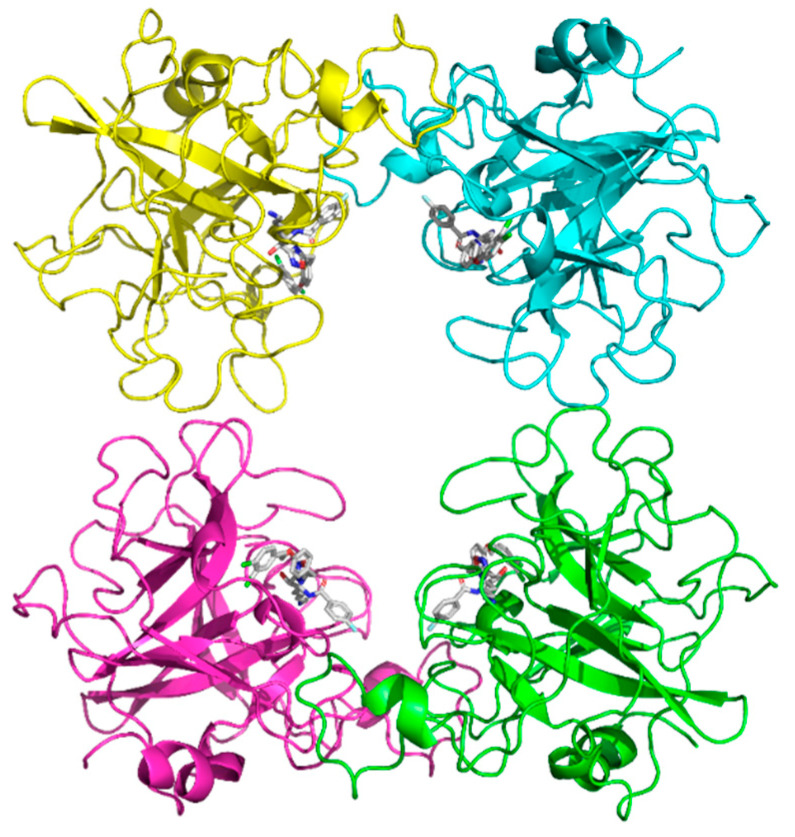 Figure 6
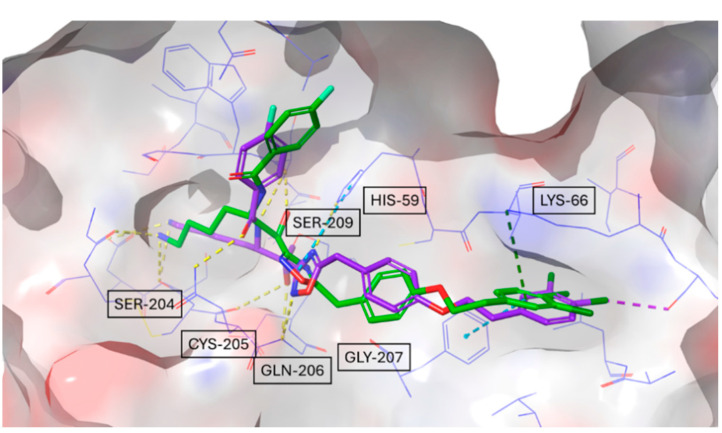 Figure 7
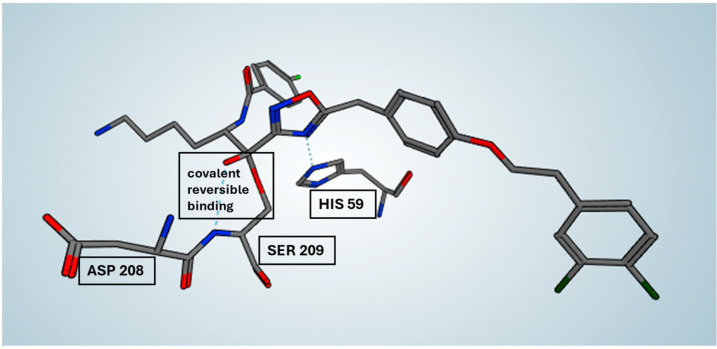 Figure 8
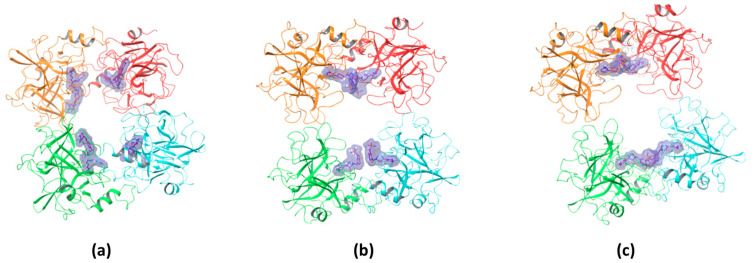 Figure 9
Peer Reviews
No public reviews on file for this paper yet. If you reviewed it on a platform where reviews are public (OpenReview, ICLR, NeurIPS, ICML), you can paste yours below so the community can read it here.
Videos
No videos yet. Explain this paper in a talk, walkthrough, or lecture? Add one.
Taxonomy
TopicsMast cells and histamine · Coagulation, Bradykinin, Polyphosphates, and Angioedema · Chemical Synthesis and Analysis