Non-Invasive Mycobacterium avium Detection Using 99mTc-GSA on Single-Photon Emission Computed Tomography
Yuri Nishiyama, Asuka Mizutani, Masato Kobayashi, Miyu Kitagawa, Yuka Muranaka, Kakeru Sato, Hideki Maki, Keiichi Kawai

TL;DR
This paper explores using a radiotracer called 99mTc-GSA to non-invasively detect Mycobacterium avium in animal models using SPECT imaging.
Contribution
The study introduces 99mTc-GSA as a novel non-invasive probe for detecting M. avium in NTM infections.
Findings
99mTc-GSA accumulates in M. avium both in vitro and in vivo.
SPECT imaging shows specific accumulation of 99mTc-GSA at infection sites correlated with bacterial load.
The radiotracer can be used to monitor M. avium distribution and quantity in animal models.
Abstract
Background: The prevalence of nontuberculous mycobacteria (NTM) infection is on the rise, surpassing that of pulmonary tuberculosis in Japan. Current standard therapy for NTM infection involves long-term treatment of at least 1.5 years, with low success rates and a high relapse rate. 99mTc-diethylenetriaminepentaacetic acid-galactosyl-human serum albumin (99mTc-GSA) is used for human liver imaging. In this study, we utilized 99mTc-GSA as a probe to detect Mycobacterium avium (M. avium), a major pathogen in NTM pulmonary diseases (NTM-PDs). Our aim was to investigate the non-invasive detection of M. avium using 99mTc-GSA on Single-Photon Emission Computed Tomography (SPECT). Methods: The accumulation of 99mTc-GSA in M. avium was investigated in vitro. In vivo, SPECT images were obtained after the administration of 99mTc-GSA to an M. avium thigh infection model. Subsequently, the contrast…
Genes, proteins, chemicals, diseases, species, mutations and cell lines named across the full text — each resolved to its canonical identifier and authoritative record.
Click any figure to enlarge with its caption.
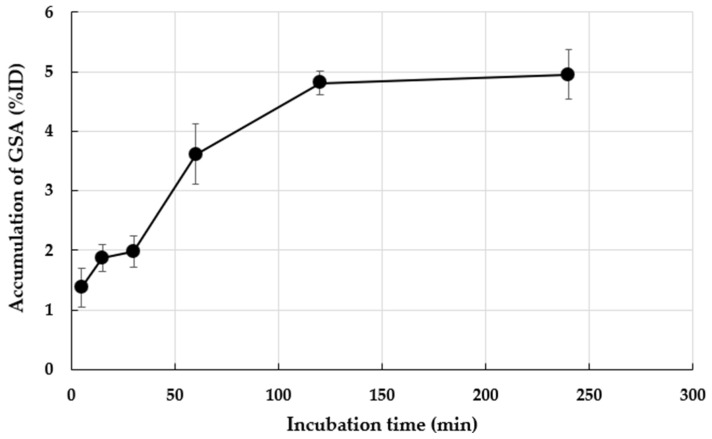 Figure 1
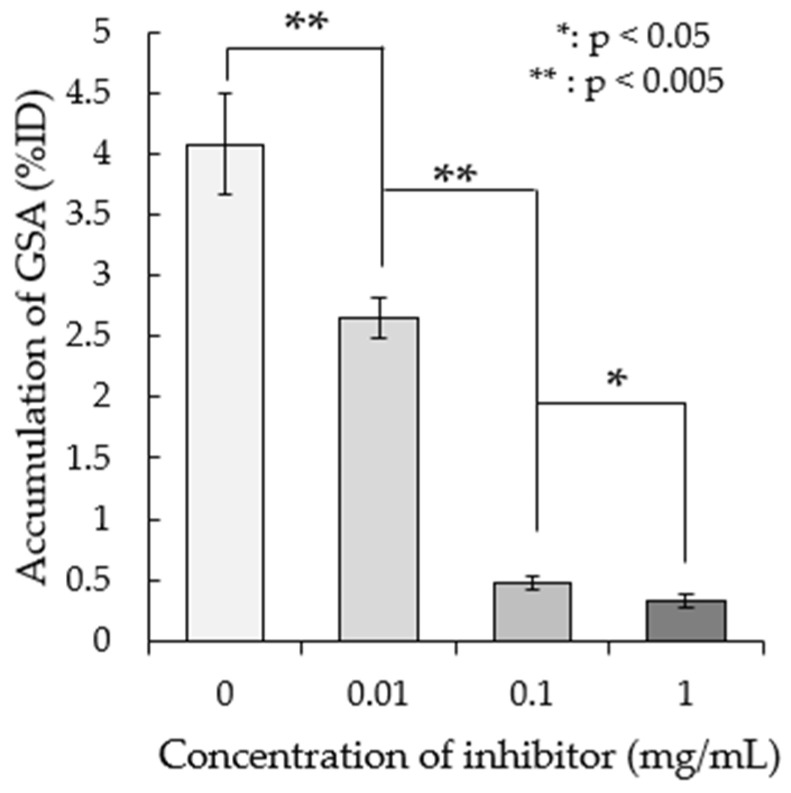 Figure 2
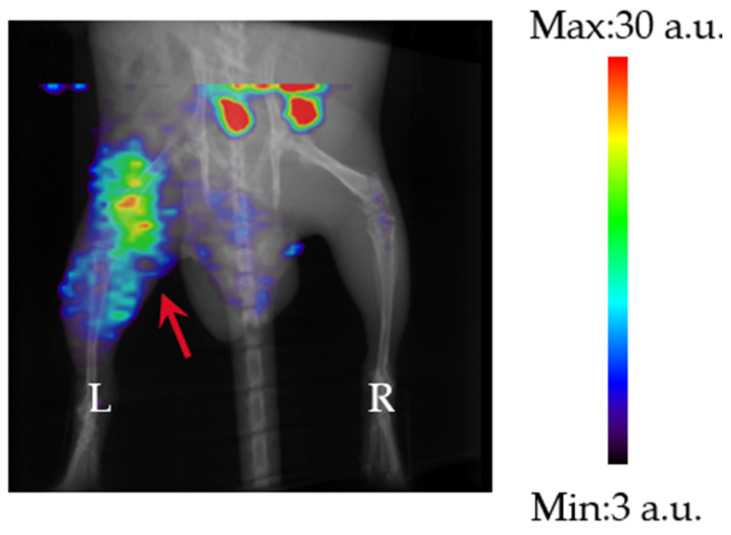 Figure 3
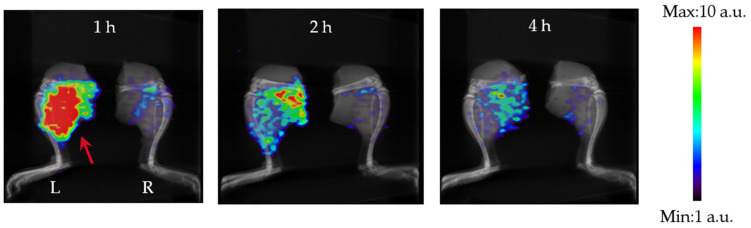 Figure 4
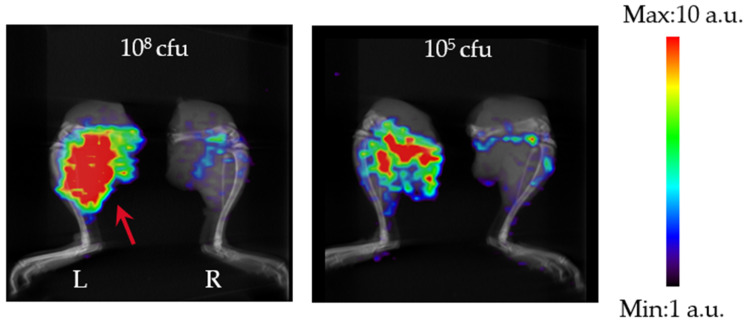 Figure 5
Peer Reviews
No public reviews on file for this paper yet. If you reviewed it on a platform where reviews are public (OpenReview, ICLR, NeurIPS, ICML), you can paste yours below so the community can read it here.
Videos
No videos yet. Explain this paper in a talk, walkthrough, or lecture? Add one.
Taxonomy
TopicsMycobacterium research and diagnosis · Tuberculosis Research and Epidemiology · Infectious Diseases and Mycology