Phytochemical Composition and Skin-Friendly Activities of the Ethyl Acetate Fraction in Ophioglossum vulgatum Linn., an In Vitro Study
Sihan Feng, Zhiguang Huang, Yichen Cao, Zixuan Huang, Chen Xu, Yibo Zeng, Yuhang Xu, Lijian Zhu, Bin Ding

TL;DR
This study explores the skin-friendly properties of a plant extract from Ophioglossum vulgatum, showing it can promote cell growth, reduce inflammation, and fight bacteria.
Contribution
The study identifies the phytochemical composition and mechanisms behind the skin-related bioactivities of Ophioglossum vulgatum's ethyl acetate fraction.
Findings
The ethyl acetate fraction of Ophioglossum vulgatum contains 21 identified compounds and activates the PI3K/Akt signaling pathway.
The extract promotes HaCaT cell proliferation and migration while scavenging free radicals and protecting against oxidative and inflammatory stress.
The extract shows anti-Staphylococcus aureus activity with a minimum inhibitory concentration of 1.2 mg/mL.
Abstract
Background: Ophioglossum vulgatum Linn. is a medical herb widely distributed in Southwest China. It has been used for the treatment of various diseases, including wounds or dermatitis, since ancient times, but little is known about its pharmacological and pharmaceutical chemistry. Methods: The ethyl acetate fraction of O. vulgatum (OpvE) was prepared with the reflex extraction and fractional extraction method. Its components were detected and identified with the UPLC-Q/TOF-MS system and the SCIEX OS database. The related biological activities and the underlying mechanisms were predicted by computational analysis. HaCaT cells were treated with gradient concentrations of OpvE, and a CCK-8 assay was performed to determine the cell viability. The OpvE-pretreated HaCaT cells were exposed to H2O2 or LPS for antioxidative and anti-inflammatory assessment. DPPH, GSH, SOD, and MDA kits were used…
Genes, proteins, chemicals, diseases, species, mutations and cell lines named across the full text — each resolved to its canonical identifier and authoritative record.
Click any figure to enlarge with its caption.
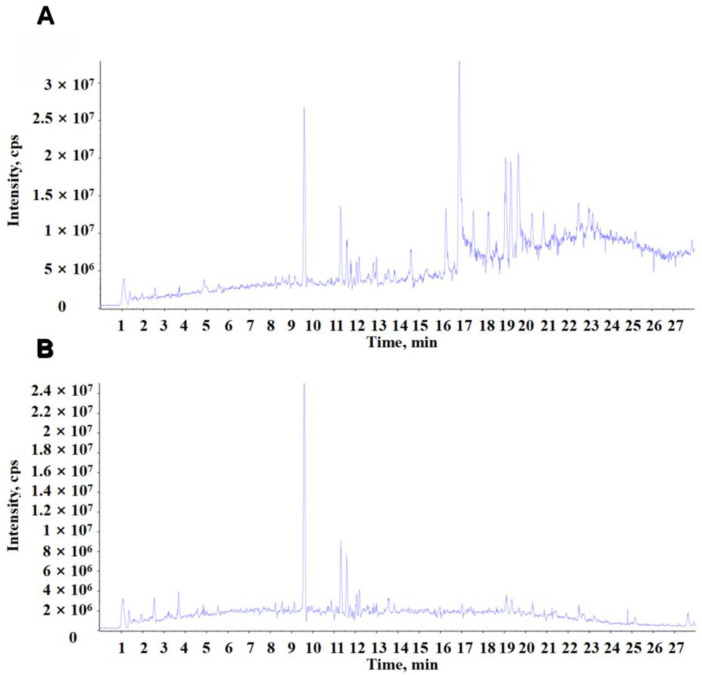 Figure 1
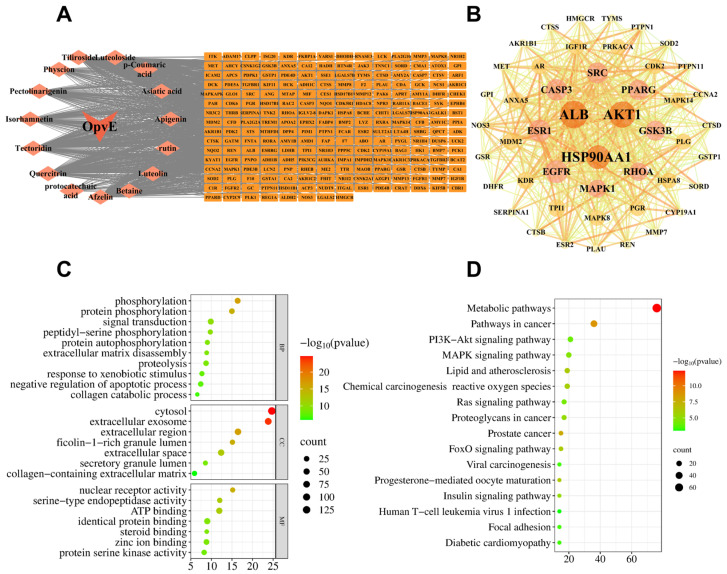 Figure 2
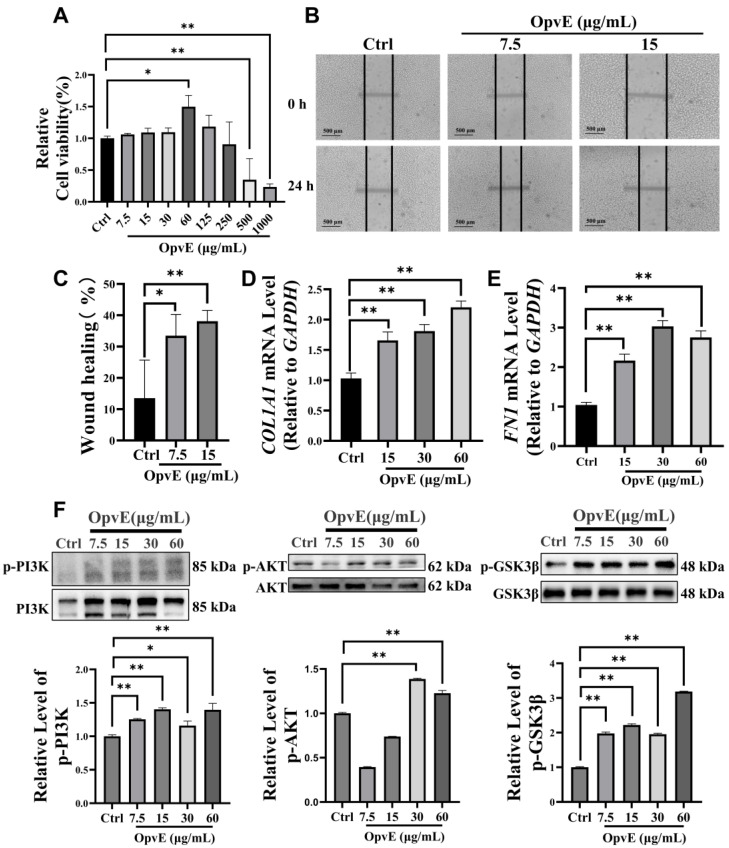 Figure 3
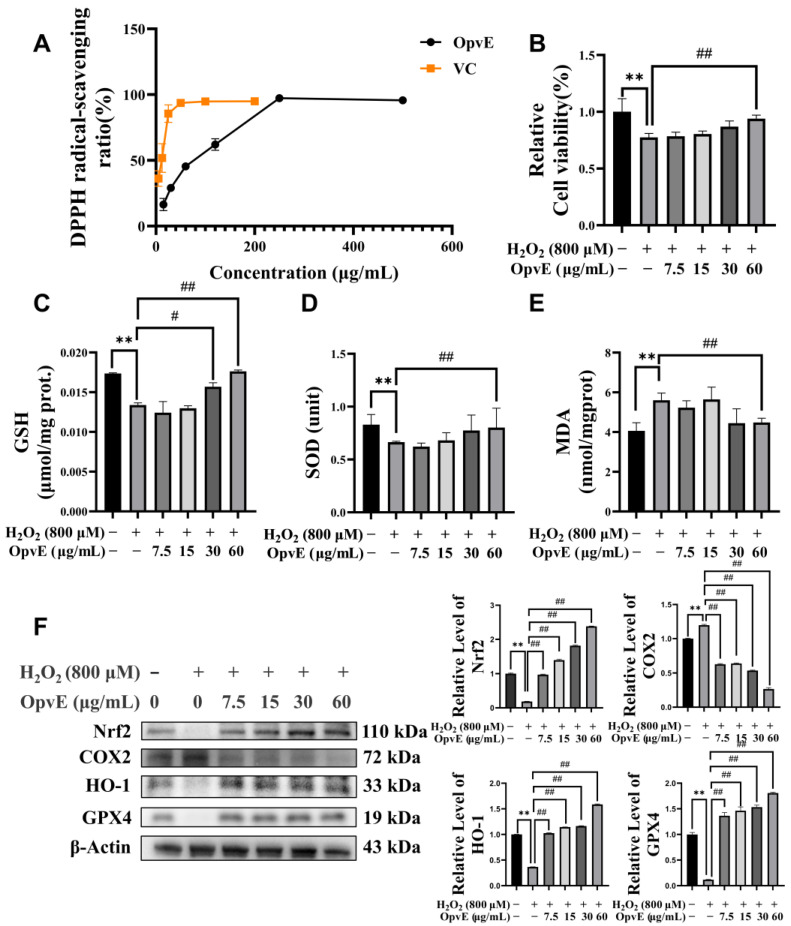 Figure 4
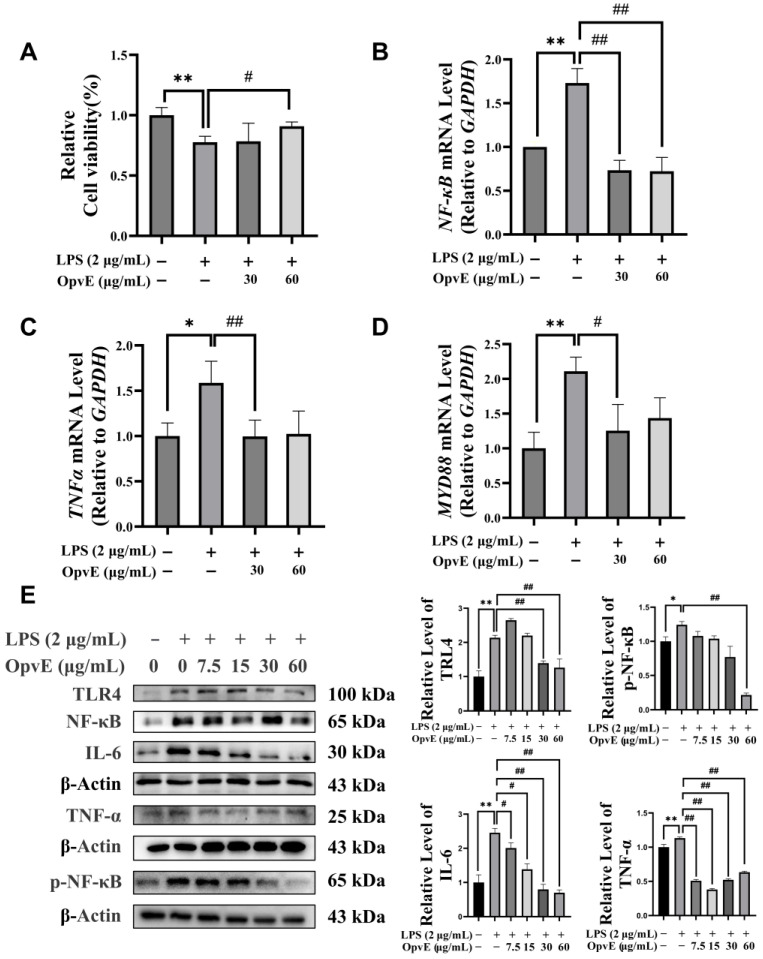 Figure 5
Peer Reviews
No public reviews on file for this paper yet. If you reviewed it on a platform where reviews are public (OpenReview, ICLR, NeurIPS, ICML), you can paste yours below so the community can read it here.
Videos
No videos yet. Explain this paper in a talk, walkthrough, or lecture? Add one.
Taxonomy
TopicsPhytochemistry and Biological Activities · Natural product bioactivities and synthesis · Seaweed-derived Bioactive Compounds