Carbon-Supported Hyperbranched Polyethyleneimines: Exploring into Polyamine/Anion Interactions to Design Efficient Polymer-Based Energy and Scavenger Materials
Antonio Peñas-Sanjuán, Celeste García-Gallarín, María L. Godino-Salido, Rafael López-Garzón, Michele Melchionna, Manuel Melguizo

TL;DR
This paper explores how a hybrid material made of polyethyleneimine on carbon can efficiently capture harmful anions, offering insights for designing better energy and scavenger materials.
Contribution
The study introduces a novel method to predict polyamine/anion interactions using a hybrid material for efficient anion scavenging.
Findings
The AC-HBPEI hybrid material effectively scavenges CrO42−, PO43−, AsO43−, and HgCl42− anions.
Anion adsorption is determined by the complexing properties of HBPEI molecules.
The study provides a tool to design efficient polymer-based materials for energy and scavenging applications.
Abstract
The anion-complexation mechanism and anion-adsorption capacity of a hybrid material based on hyperbranched polyethyleneimine (HBPEI) covalently bonded onto an activated carbon (AC) is presented. The anion-scavenger behavior of this hybrid material toward CrO42−, PO43−, AsO43− and HgCl42− was explored by direct potentiometric and adsorption measurements, which revealed a novel approach to predict the interactions between the supported polymeric complexing units and the different anions. The results were analyzed by considering the reactivity data of the HBPEI/anion (HBPEI free in solution) and AC-HBPEI/anion systems. The results corroborated that the AC-HBPEI hybrid material is an excellent anion-complexing material, whose anion adsorption ability is defined by the complexing properties of the HBPEI molecules toward the anions. This assessment provides a straightforward tool to determine…
Genes, proteins, chemicals, diseases, species, mutations and cell lines named across the full text — each resolved to its canonical identifier and authoritative record.
Click any figure to enlarge with its caption.
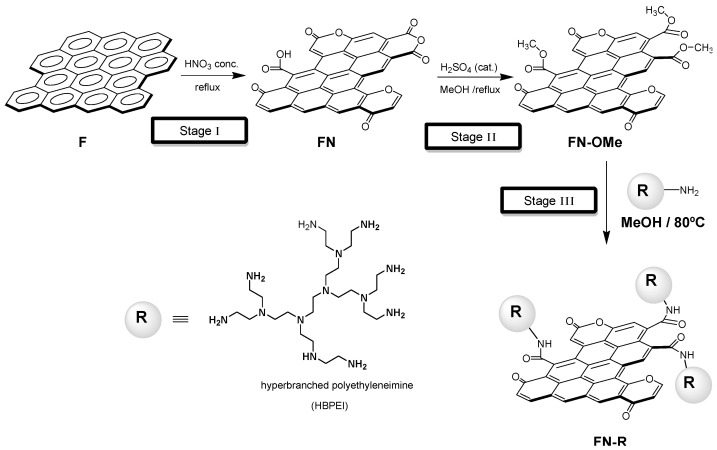 Figure 1
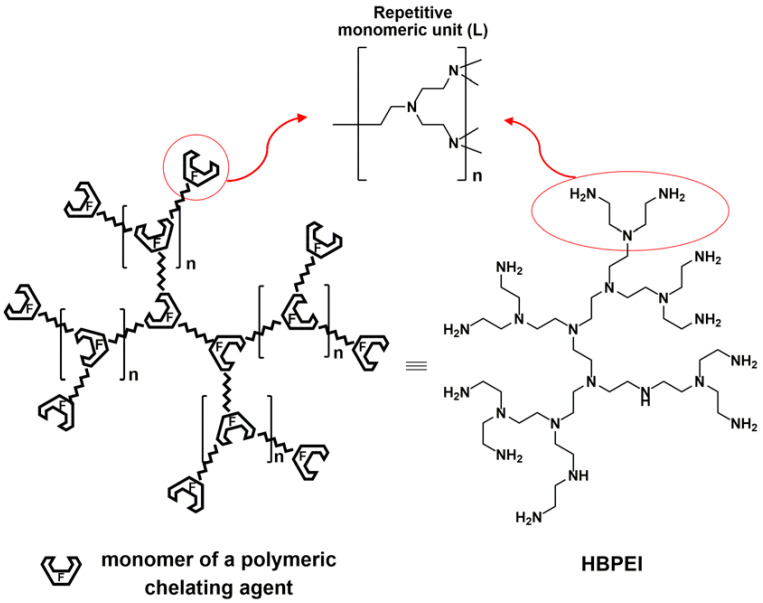 Figure 2
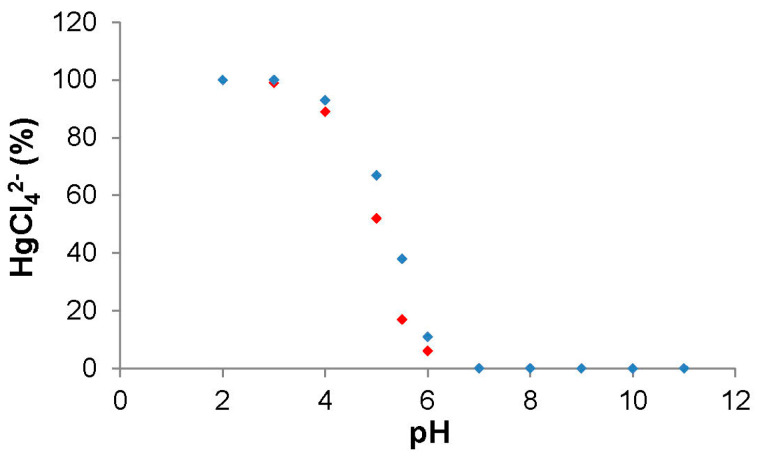 Figure 3
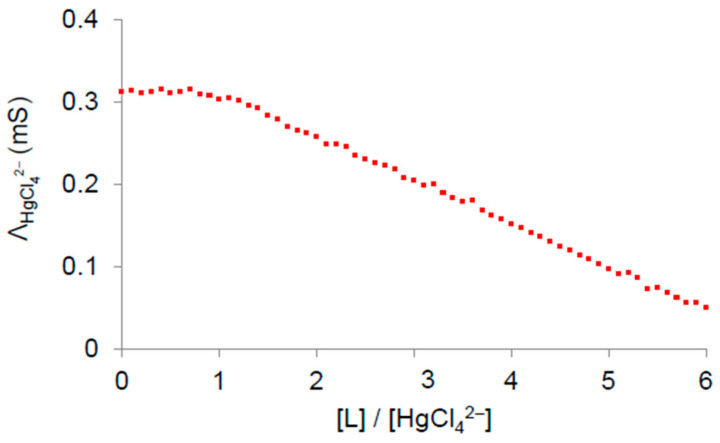 Figure 4
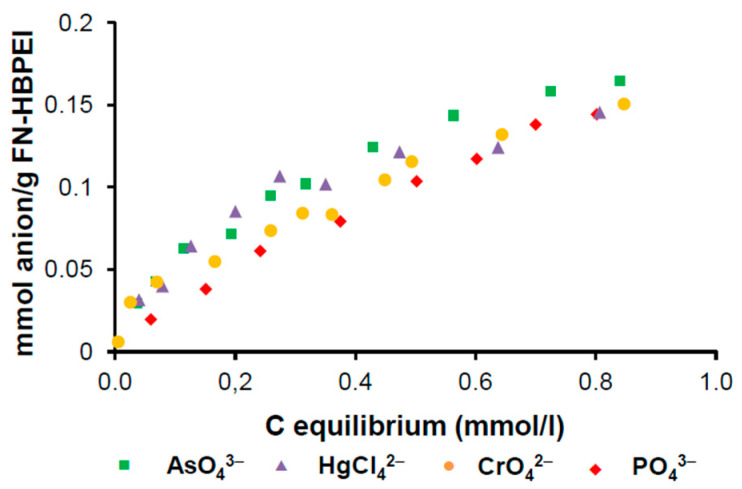 Figure 5
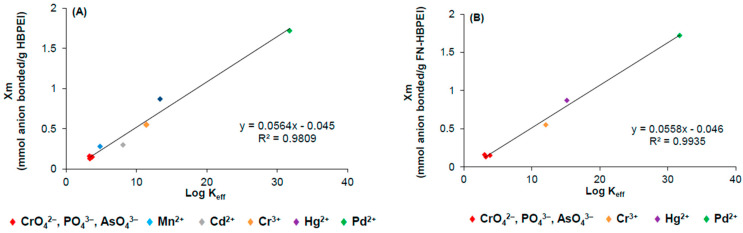 Figure 6
Peer Reviews
No public reviews on file for this paper yet. If you reviewed it on a platform where reviews are public (OpenReview, ICLR, NeurIPS, ICML), you can paste yours below so the community can read it here.
Videos
No videos yet. Explain this paper in a talk, walkthrough, or lecture? Add one.
Taxonomy
TopicsMolecular Sensors and Ion Detection · Luminescence and Fluorescent Materials · Conducting polymers and applications