Venomous Cargo: Diverse Toxin-Related Proteins Are Associated with Extracellular Vesicles in Parasitoid Wasp Venom
Jennifer Chou, Michael Z. Li, Brian Wey, Mubasshir Mumtaz, Johnny R. Ramroop, Shaneen Singh, Shubha Govind

TL;DR
Parasitoid wasp venom contains extracellular vesicles with toxin-related proteins that suppress host defenses, potentially delivering virulence factors to the host.
Contribution
Discovery of conserved extracellular vesicle markers and toxin-like proteins in parasitoid wasp venom proteomes, suggesting a novel mechanism of parasitism.
Findings
Venom particles from Leptopilina wasps contain extracellular vesicle markers and toxin-related proteins.
Both L. boulardi and L. heterotoma venom proteomes show enrichment in endomembrane and exosomal components.
Uncharacterized proteins with structural similarity to ADP-ribosyltransferase enzymes were identified in venom.
Abstract
Unusual membrane-bound particles are present in the venom of the parasitoid wasps that parasitize Drosophila melanogaster. These venom particles harbor about 400 proteins and suppress the encapsulation of a wasp egg. Whereas the proteins in the particles of Leptopilina boulardi venom modify host hemocyte properties, those in L. heterotoma kill host hemocytes. The mechanisms underlying this differential effect are not well understood. The proteome of the L. heterotoma venom particles has been described before, but that of L. boulardi has not been similarly examined. Using sequence-based programs, we report the presence of conserved proteins in both proteomes with strong enrichment in the endomembrane and exosomal cell components. Extracellular vesicle markers are present in both proteomes, as are numerous toxins. Both proteomes also contain proteins lacking any annotation. Among these,…
Genes, proteins, chemicals, diseases, species, mutations and cell lines named across the full text — each resolved to its canonical identifier and authoritative record.
Click any figure to enlarge with its caption.
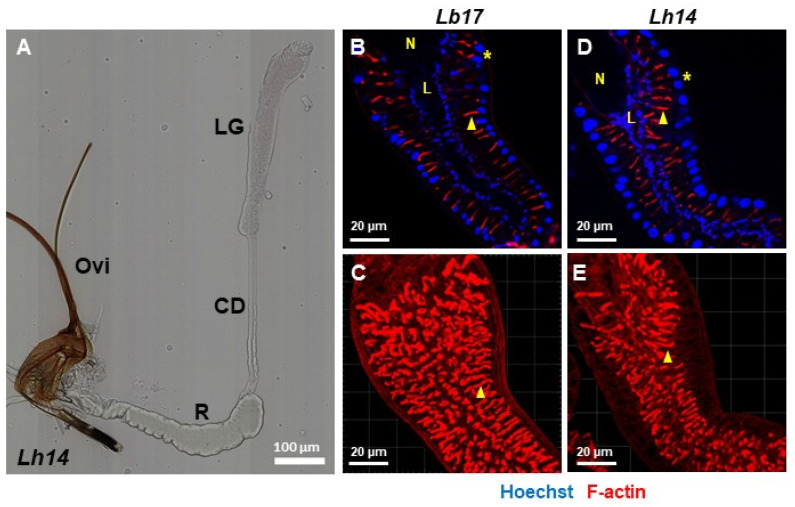 Figure 1
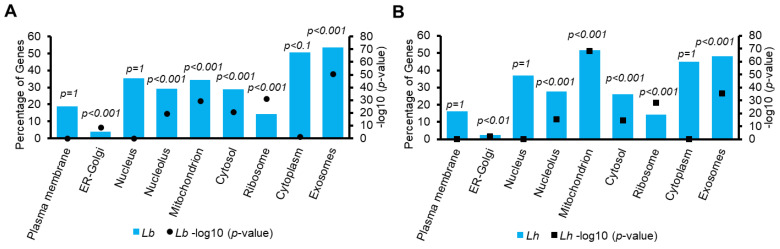 Figure 2
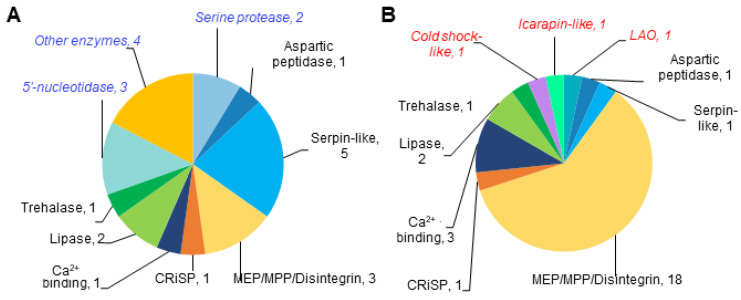 Figure 3
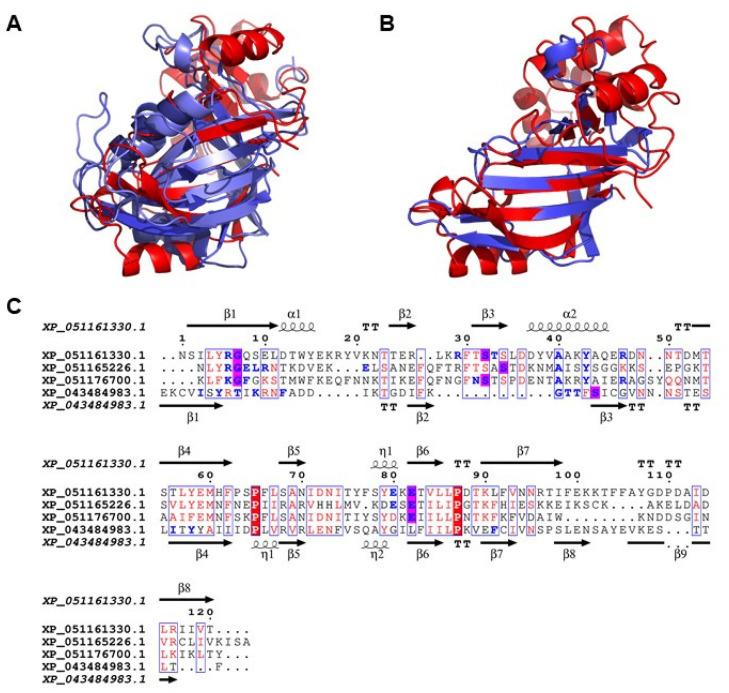 Figure 4
Peer Reviews
No public reviews on file for this paper yet. If you reviewed it on a platform where reviews are public (OpenReview, ICLR, NeurIPS, ICML), you can paste yours below so the community can read it here.
Videos
No videos yet. Explain this paper in a talk, walkthrough, or lecture? Add one.
Taxonomy
TopicsExtracellular vesicles in disease · Antimicrobial Peptides and Activities · Invertebrate Immune Response Mechanisms