A Succession of Microbiome Communities in the Early Establishing Process of an Epilithic Algal Matrix in a Fringing Reef
Beiye Zhang, Simin Hu, Chen Zhang, Tiancheng Zhou, Tao Li, Hui Huang, Sheng Liu

TL;DR
This study examines how microbial communities develop in a type of algae called an epilithic algal matrix in a coral reef, highlighting the role of time and environmental factors.
Contribution
The study reveals the succession dynamics and key microbial players in EAM formation in a fringing reef environment.
Findings
Proteobacteria dominated the microbial community and were crucial for biofilm formation.
Cyanobacteria contributed to microhabitat complexity and were positively correlated with light.
A chaotic aggregation stage preceded community stabilization into a low-diversity state.
Abstract
An epilithic algal matrix (EAM) exhibits rapid expansion, recovery capacity, and high adaptability, leading to widespread distribution in degraded coral reef habitats. However, limited research on the dynamic processes of succession hinders a comprehensive understanding of EAM formation. To examine the influence of succession processes and environmental factors on the composition of EAM microbial communities, a three-factor (time × depth × attached substrate type) crossover experiment was conducted in the Luhuitou Reef Area, Sanya, China. Microbial community compositions were analyzed through 16S rRNA gene amplicon sequencing. The community was predominantly composed of proteobacteria (61.10–92.75%), cyanobacteria (2.47–23.54%), bacteroidetes (0.86–8.49%), and firmicutes (0.14–7.76%). Successional processes were found to significantly shape the EAM-associated microbial communities in…
Genes, proteins, chemicals, diseases, species, mutations and cell lines named across the full text — each resolved to its canonical identifier and authoritative record.
Click any figure to enlarge with its caption.
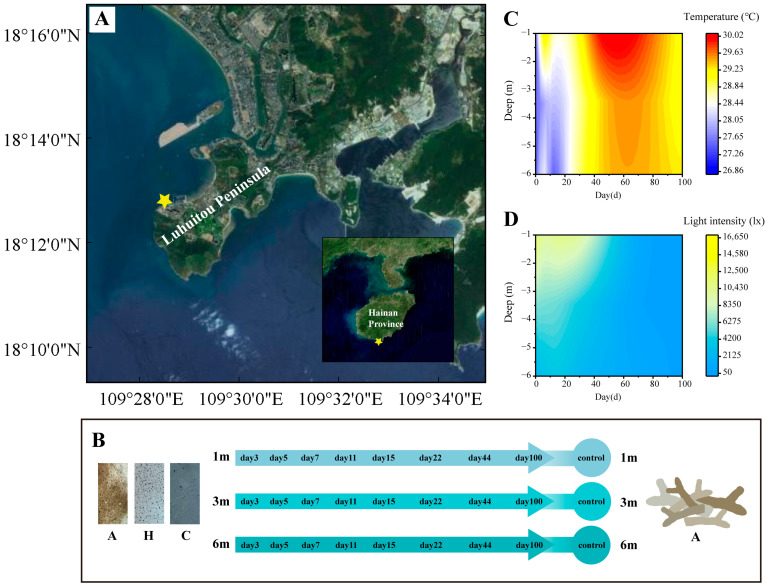 Figure 1
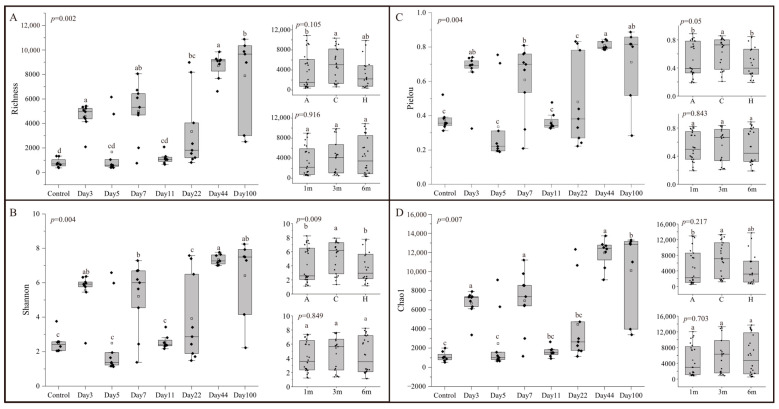 Figure 2
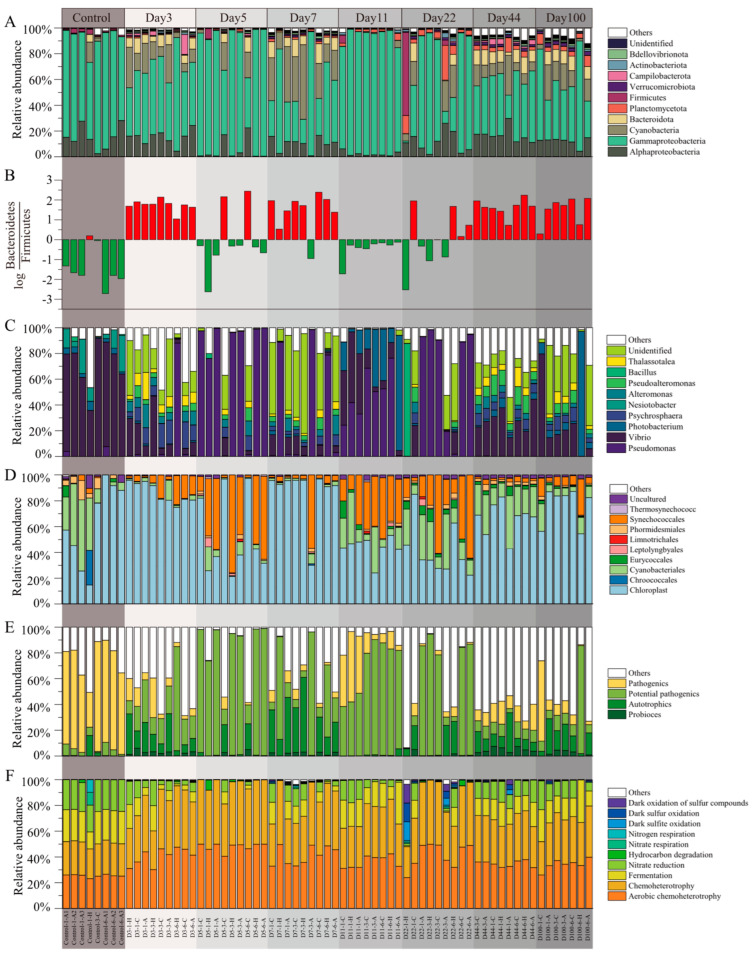 Figure 3
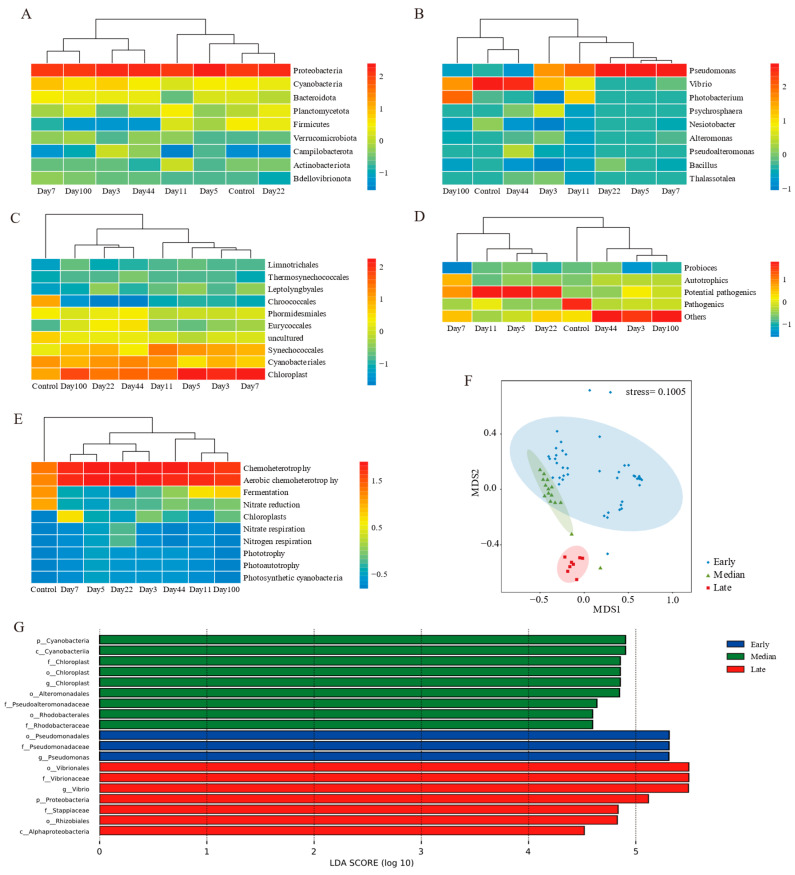 Figure 4
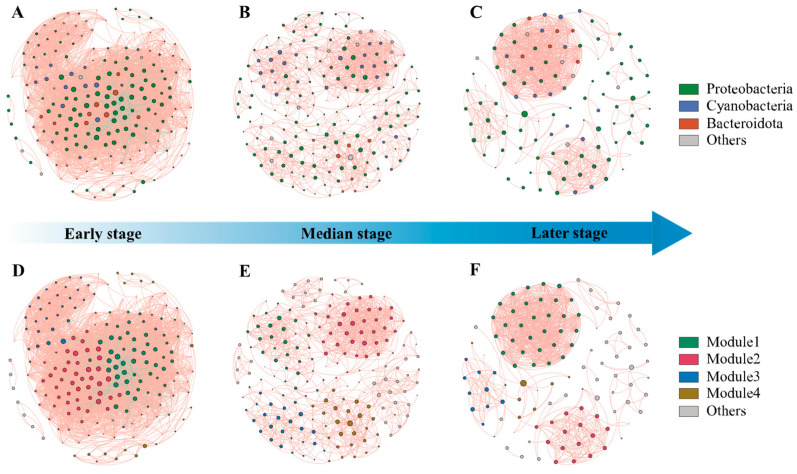 Figure 5
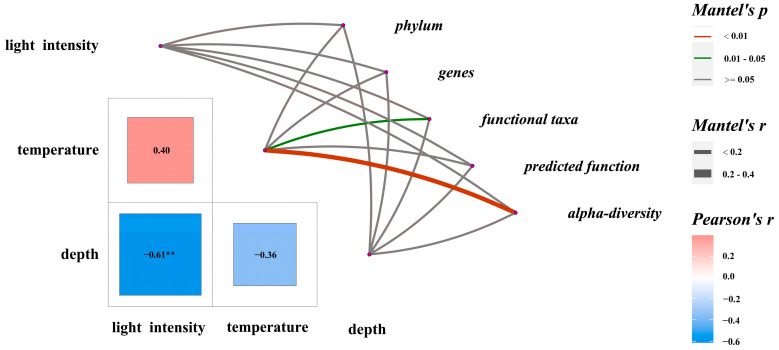 Figure 6
Peer Reviews
No public reviews on file for this paper yet. If you reviewed it on a platform where reviews are public (OpenReview, ICLR, NeurIPS, ICML), you can paste yours below so the community can read it here.
Videos
No videos yet. Explain this paper in a talk, walkthrough, or lecture? Add one.
Taxonomy
TopicsMarine Biology and Ecology Research · Coral and Marine Ecosystems Studies · Microbial Community Ecology and Physiology