Scanning Electron Microscopy Reveals New Ultrastructural Features in Metacercariae of Clinostomum cutaneum (Digenea: Clinostomidae) Infecting Oreochromis niloticus (Actinopterygii: Cichlidae) in Kenya
Miriam Isoyi Shigoley, Nikol Kmentová, Daniel Mungai Ndegwa, Martina Topić, Kelly J. M. Thys, Maarten P. M. Vanhove

TL;DR
This study uses electron microscopy to discover new structural features in a fish parasite from Kenya, which could help identify harmful flukes in fish and humans.
Contribution
The study reports the first occurrence of Euclinostomum heterostomum in Kenya and reveals new ultrastructural features of Clinostomum cutaneum metacercariae.
Findings
SEM analysis identified new ultrastructural features in C. cutaneum metacercariae, including spiny papillae around the excretory pore and dome-shaped papillae near the genital pore.
E. heterostomum is reported for the first time in Kenya, expanding the known geographic distribution of this species.
Morphological variation was observed between adult and metacercarial stages of Clinostomum, particularly in the absence of basal papillae on the cirrus.
Abstract
Clinostomum is a genus of parasitic trematodes found worldwide, infecting a wide range of hosts, including freshwater fishes, snails, birds and occasionally humans. In this study, clinostomid metacercariae were collected from Nile tilapia raised in fish farms in the Upper Tana River region, Kenya. The prevalence of infection was 17.2%, with metacercariae infecting the skin, gills and buccal cavity of the fish. Using light microscopy, scanning electron microscopy (SEM) and molecular methods targeting both nuclear ribosomal (ITS1, 5.8S, ITS2) and mitochondrial (COI) regions, the metacercariae were identified as C. cutaneum, C. phalacrocoracis, C. tilapiae and Euclinostomum heterostomum. The three species of Clinostomum have previously been reported to infect fish or piscivorous birds in Kenya, while this is the first report of E. heterostomum in this country. SEM analysis revealed new…
Genes, proteins, chemicals, diseases, species, mutations and cell lines named across the full text — each resolved to its canonical identifier and authoritative record.
Click any figure to enlarge with its caption.
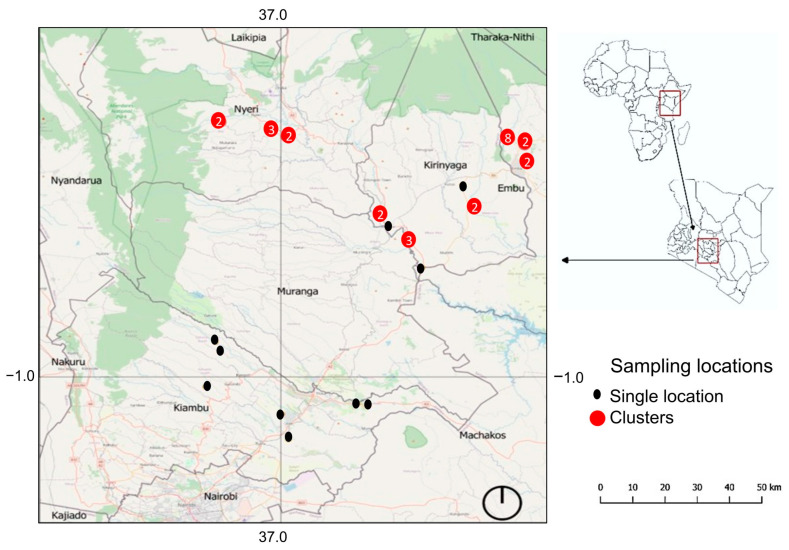 Figure 1
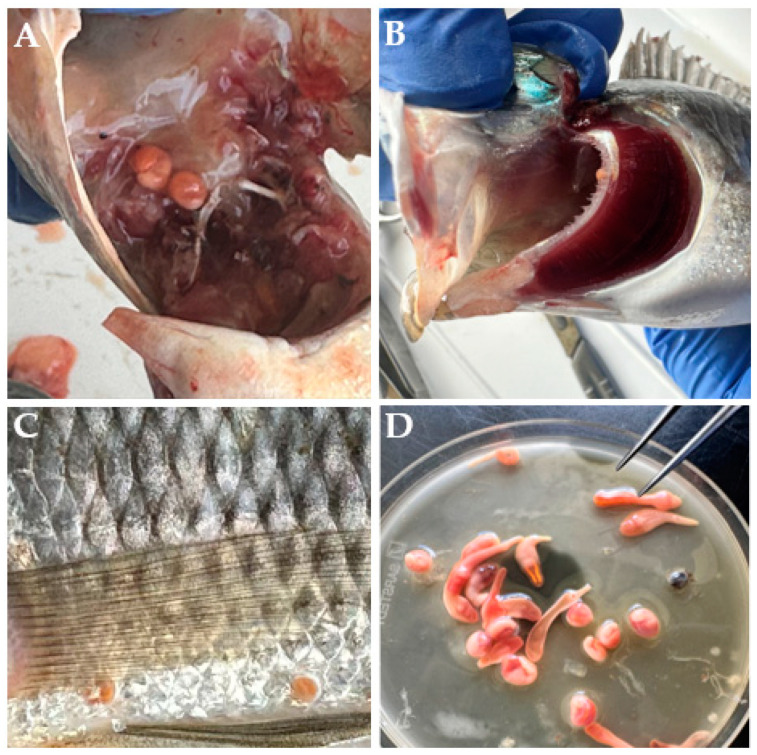 Figure 2
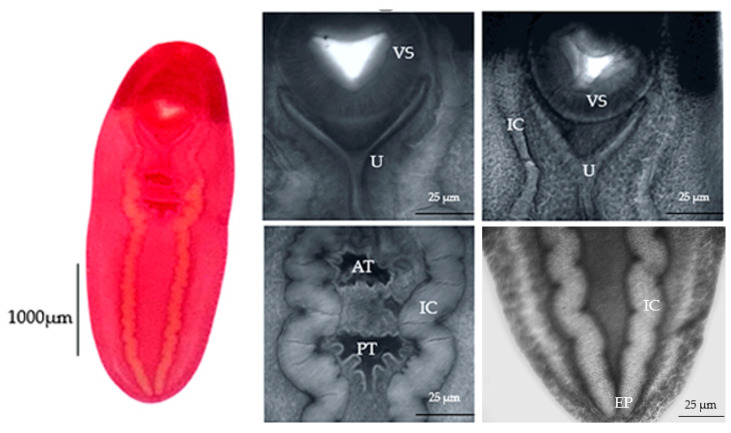 Figure 3
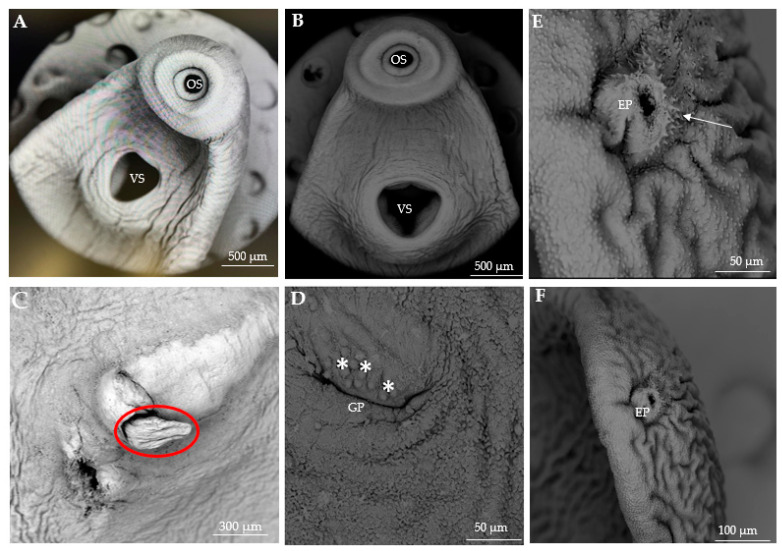 Figure 4
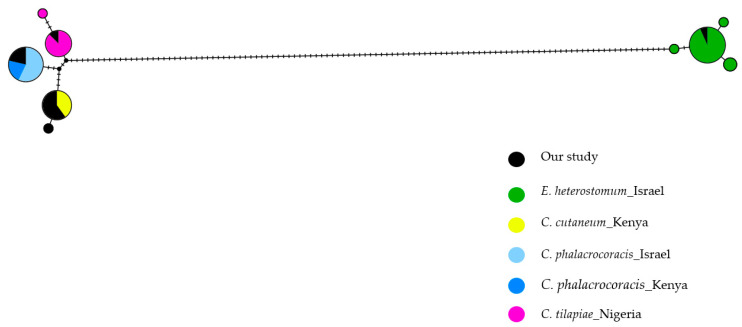 Figure 5
Peer Reviews
No public reviews on file for this paper yet. If you reviewed it on a platform where reviews are public (OpenReview, ICLR, NeurIPS, ICML), you can paste yours below so the community can read it here.
Videos
No videos yet. Explain this paper in a talk, walkthrough, or lecture? Add one.
Taxonomy
TopicsParasite Biology and Host Interactions · Parasites and Host Interactions · Helminth infection and control