Changes in the Separation Properties of Aged PVDF Ultrafiltration Membranes During Long-Term Treatment of Car Wash Wastewater
Wirginia Tomczak, Marek Gryta, Piotr Woźniak, Monika Daniluk

TL;DR
This study examines how aged PVDF membranes perform in treating car wash wastewater over time.
Contribution
The study provides new insights into the long-term separation performance of aged PVDF ultrafiltration membranes in car wash wastewater treatment.
Findings
Aged PVDF membranes showed increased porosity due to frequent chemical cleaning.
Membrane aging did not significantly affect permeate quality, with turbidity below 0.25 NTU.
Aged membranes retained over 99.99% of E. coli during ultrafiltration.
Abstract
Car wash wastewater (CWW) is complex waste that may be effectively treated by the ultrafiltration (UF) process. However, one of the most important challenges in implementing this process on an industrial scale is the fouling phenomenon membrane aging. Indeed, these may lead to a reduction in UF performance possibly associated with a loss in integrity of the fouled/aged membrane. Therefore, the main aim of the current study was to provide a comprehensive investigation on the changes in the separation properties of aged FP100 ultrafiltration membranes made of polyvinylidene fluoride (PVDF) with respect to their application for long-term treatment of CWW. For this purpose, studies were conducted for new membranes and membranes previously used for over 5 years in a pilot plant. As a feed, solutions of dextran, solutions of model organism Escherichia coli and synthetic CWW were used. It has…
Genes, proteins, chemicals, diseases, species, mutations and cell lines named across the full text — each resolved to its canonical identifier and authoritative record.
Click any figure to enlarge with its caption.
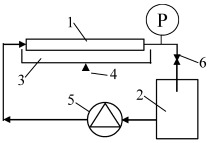 Figure 1
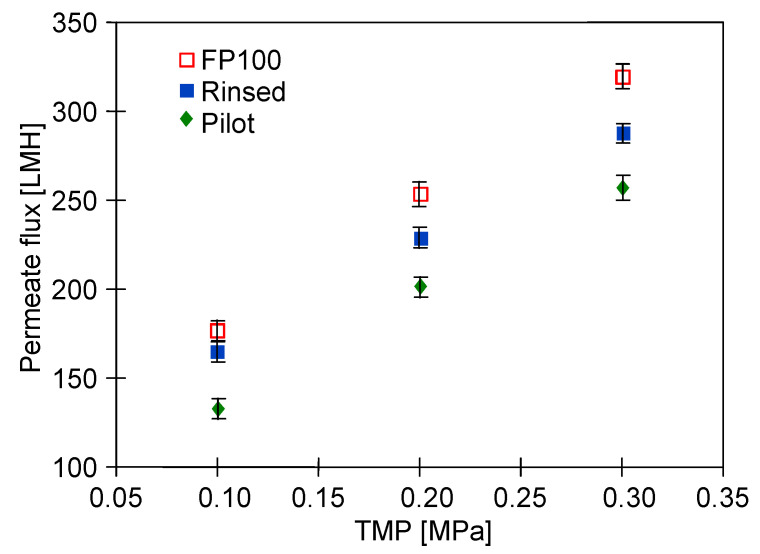 Figure 2
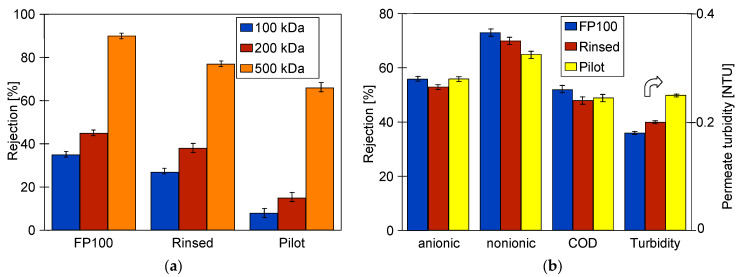 Figure 3
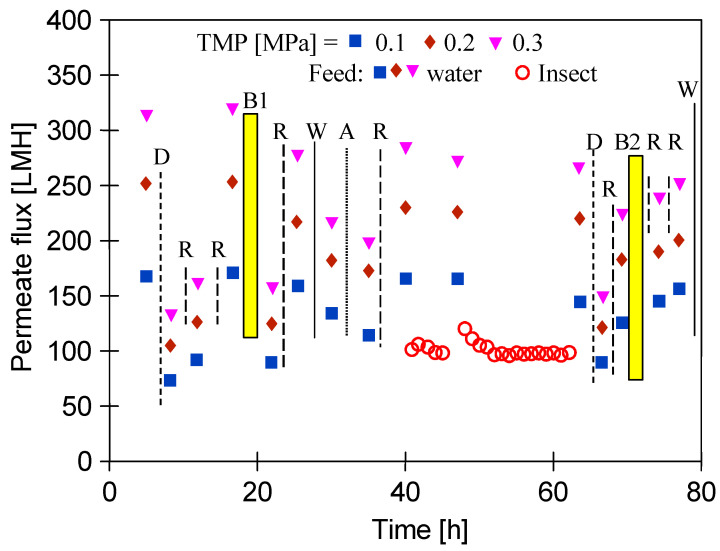 Figure 4
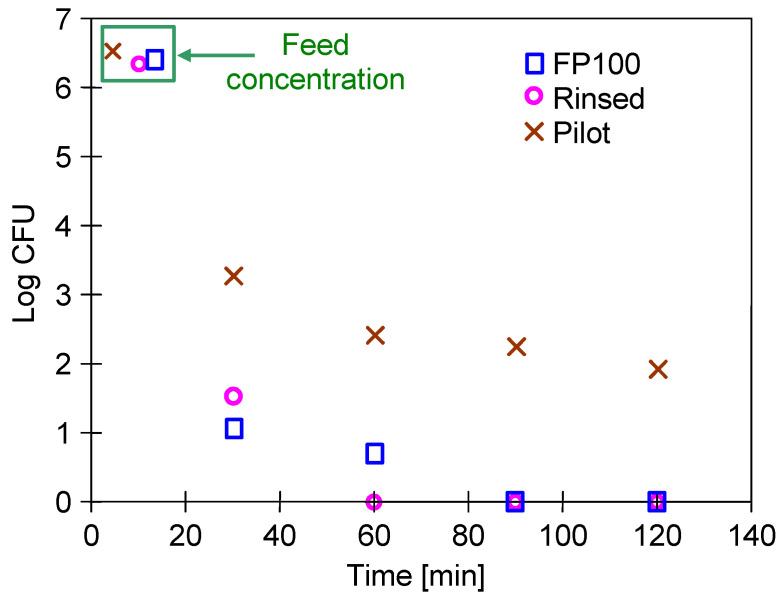 Figure 5
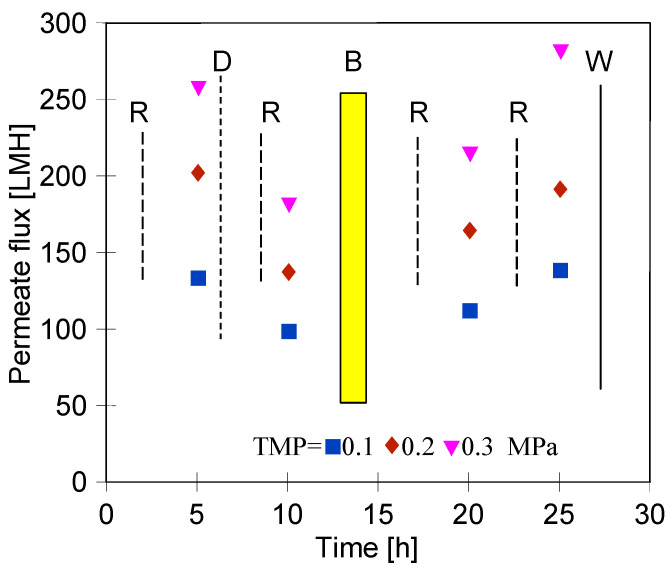 Figure 6
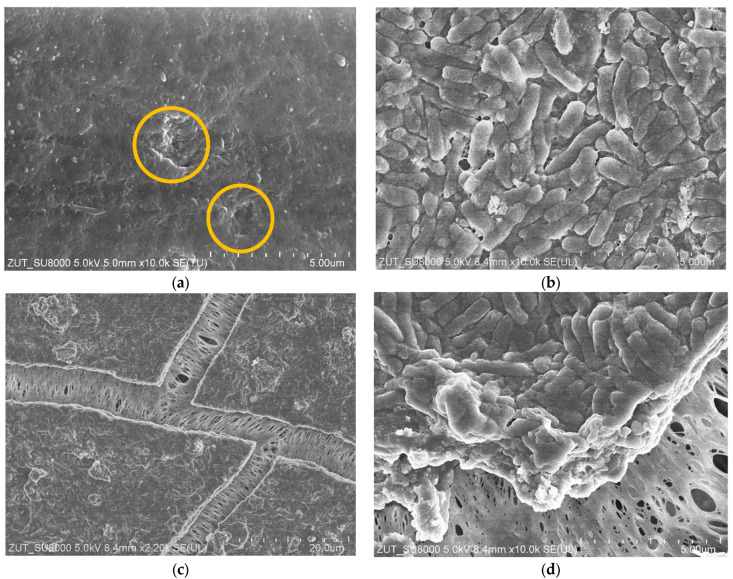 Figure 7
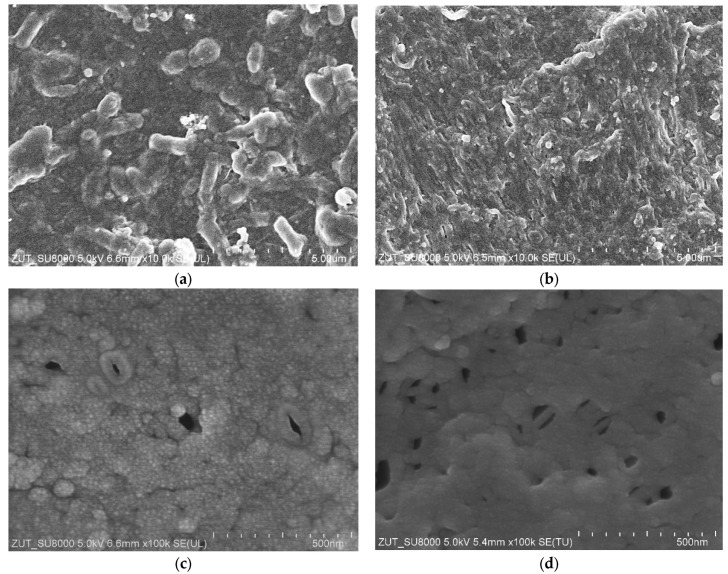 Figure 8
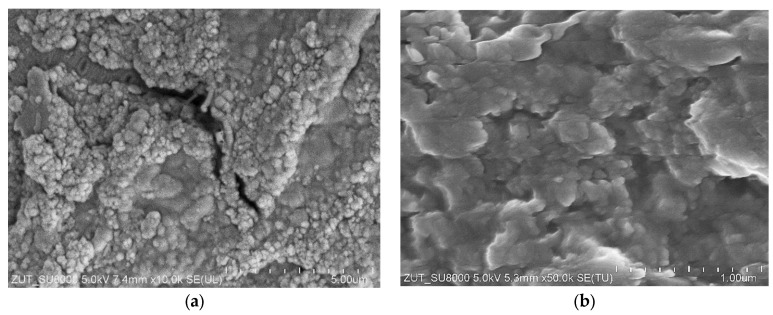 Figure 9
 Figure 10
- —Minister of Education and Science in Poland entitled “Science for the Society”
Peer Reviews
No public reviews on file for this paper yet. If you reviewed it on a platform where reviews are public (OpenReview, ICLR, NeurIPS, ICML), you can paste yours below so the community can read it here.
Videos
No videos yet. Explain this paper in a talk, walkthrough, or lecture? Add one.
Taxonomy
TopicsMembrane Separation Technologies · Membrane-based Ion Separation Techniques · Membrane Separation and Gas Transport
1. Introduction
Untreated wastewater from vehicle washes may have a negative impact, primarily on human and animal health and the environment. This is due to the fact that it contains several contaminants, such as oils, detergent, greases, and toxic metals [1,2,3]. It is worthy of note that one of the fundamental challenge in the treatment of car wash wastewater (CWW) with the use of conventional methods is the presence of Escherichia coli bacteria [4]. It is due to this fact that it is a public health issue [5,6,7,8,9,10]. It is evident from the available literature that E. coli is a major cause of urinary tract infection, enteritis, as well as other infections [7]. In addition, it may lead to meningitis, skin structure infections, myositis, and osteomyelitis [11].
Ultrafiltration (UF), a low-pressure membrane filtration process, is one of the most commonly used wastewater treatment processes. This is due to the fact that it provides low operation costs, facile operation, and high separation efficiency [12,13,14,15,16,17]. Consequently, in the past few years, there has been a particular research focus on the application of UF for the CWW separation, e.g., Refs. [18,19,20,21,22,23]. The selection of a suitable UF membrane is very crucial for promoting both high retention and permeate flux. Of particular note are polyvinylidene fluoride (PVDF), characterised by outstanding properties such as high mechanical strength, excellent thermal stability, and resistance; various organic solvents; and chemical agents such as acids, chlorine, and solvents [14,24]. Nevertheless, according to [25], the chemical stability does not apply to strong solutions of bases solutions, ketones, or esters. Moreover, due to hydrophobicity nature and low surface energy, PVDF membranes are prone to the fouling phenomenon due to organic feed components [13]. Fundamental properties of PVDF have been thoroughly presented and discussed in several excellent reviews [26,27,28,29,30,31,32].
As an example, performing a systematic review indicated that PVDF ultrafiltration membranes FP100 have been successfully used in several applications. Indeed, they have been used for the treatment of: (i) oil-in-water emulsion [33,34], (ii) car wash wastewater [20], (iii) metalworking fluids [35,36], and (iv) seawater [37] and bilge water [38,39].
Undoubtedly, the use of polymeric membranes on an industrial scale requires long-term efficiency and effectiveness of the process. Therefore, membrane fouling leading to flux decline is a great obstacle in the implementation of membrane technology [40,41]. Moreover, mitigation of severe fouling requires routine intensive and aggressive cleaning processes with the use of acidic and alkaline chemical agents [42,43]. Furthermore, membrane ageing may have serious consequences, such as modification of the physical–chemical and separation properties of the membrane as well as a loss of its integrity [44,45]. These phenomena may have a significant effect on the process performance and fouling behaviours. For this reason, the possibility of potential damage of the structure and properties of PVDF membranes during the long-term process should be considered.
An important point which should be noted is that although polymeric membranes dominate the wastewater industry [46,47,48,49,50,51], performing literature review allowed us to determine that the literature contains no experimental work investigating the changes in the separation properties of PVDF membranes during long-term application for the CWW treatment. This finding is in line with the indication pointed out by Zhang et al. [52] that literature focused on the properties and fouling behaviours of aged UF membranes are scarce. Moreover, several investigations regarding to the stability of PVDF membranes against sodium hypochlorite (NaOCl) solutions have been performed [53,54,55,56,57], while there is a significant lack of studies on the impact of sodium hydroxide (NaOH) solutions on the membranes separation properties.
Accordingly, to the best of the authors’ knowledge, this paper is one of the first attempts to provide a comprehensive investigation of the changes in the separation properties of the aged FP100 ultrafiltration membranes made of PVDF with respect to their application for the long-term treatment of CWW. For this purpose, the analysis was performed for new membranes and membranes previously used for over 5 years in a pilot plant and explored using NaOH solutions. Since UF membranes are known to be efficient for microorganism separation, in the current study, the membranes’ effectiveness was evaluated mainly by the separation degree of E. coli bacteria. In addition, to determine the membranes effectiveness in removing surfactants, chemical oxygen demand (COD) and turbidity, studies were also conducted using synthetic CWW as a feed.
2. Materials and Methods
2.1. Membranes
In the current work, the tubular FP100 membranes from PCI Membranes (Kostrzyn Wielkopolski, Poland) made of polyvinylidene fluoride (PVDF) were used. The membranes diameter and length were equal to 1.25 cm and 120 cm, respectively. The molecular weight cut-off (MWCO) declared by the manufacturer was 100 kDa. These membranes were successfully used to separate real car wash wastewater. However, daily membrane washing with alkaline cleaning solutions was required [20].
The results of UF separation tests were analysed for the three types of membrane samples differing in terms of operating conditions and time:
- (i)“FP100”—the new membranes are rinsed several times with DI water (5 h),
- (ii)“Rinsed”—chemical cleaning changes the membrane morphology [20,58]; thus, the new membranes which are subjected to preliminary degradation under the influence of aggressive cleaning agents. For this purpose, after dextran separation, membrane “FP100” was rinsed with DI water (5 h), alkaline P3 Ultrasil 11 solution (4 × 0.5 h), 0.5% H_3_PO_4_ (0.5 h), DI water (1 h) and then conditioned for 20 h with an alkaline (pH = 11.5) cleaning agent (“Insect”) and filtered (5 h/day, TMP = 0.1 MPa). The above-mentioned procedure corresponded to the impact of cleaning agents that would occur during more than 3 months of operation of the UF installation at a car wash [20].
- (iii)“Pilot”—the FP100 membranes operated periodically for over 5 years in a UF pilot installation. The pilot installation was described in the previous work [33]. This installation was equipped with the PCI B1 tubular module equipped with 18 membrane tubes FP100 (total membrane area: 0.9 m^2^). The installation was used to filter water contaminated with machine oil (50–200 ppm), and for the last 2 months, synthetic car wash wastewater—which was a mixture of cleaning agents (active foam) and waxing used for car paint protection (“Hydrowax”)—was filtered. The composition of these cleaning agents was presented in the previously published study [21]. Due to fouling, the membranes in the pilot installation were systematically (every 5–7 days) washed using alkaline cleaning agents (P3 Ultrasil 11 or “Insect”), and during downtime, the installation was rinsed with the 0.25% sodium disulfite (Na_2_S_2_O_5_) solution for 30 min. As a result, the permeate flux was maintained at the level of 70–80% of the initial flux. However, as it was found, chemical washing also caused minor damage of the polyethersulfone (PES) membranes [21,58]. For this reason, the study investigated whether long-term use of FP100 membranes would deteriorate separation.
2.2. Experimental Set-Up
The UF separation tests were conducted with the use of installation, as shown in Figure 1. Membrane samples with lengths of 25 cm (area 98 cm^2^) were installed in the laboratory system. The installation was fed with a piston pump, obtaining a feed flow of 1 m/s. The initial volume of feed samples was 2 L. The experiments were performed under transmembrane pressure (TMP) equal to 0.1 MPa and ambient temperature (293–295 K).
Before investigating the bacteria separation, the UF installation was thoroughly washed. To protect against airborne contamination, the installation was installed in a fume hood, which was thoroughly washed and disinfected with the use of a 70% ethanol solution. In order to disinfect the UF installation, the “Insect” solution (pH = 11.5) was filtered for 5–6 h. Subsequently, the installation was rinsed with a P3 Ultrasil 11 solution (pH = 11.8) for 30 min and then rinsed several times with DI water (Ellix 3, Millipore, Burlington, MA, USA). Finally, the installation was rinsed with 10% isopropanol, which remained in the installation overnight. Immediately before the experimental tests, the installation was rinsed several times with DI water and irradiated with a UV lamp for 1–2 h.
Obviously, long-term use and chemical cleaning of membranes may damage their surface [21,58]. The changes in the separation degree were determined under TMP of 0.1 MPa with the use of dextran solutions.
2.3. Feed Solutions
In order to determine the separation properties of membranes, three types of the feed were used:
- (i)Solutions of dextran (Polfa, Łódź, Poland) with a molecular weight within the range of 100 and 500 kDa. The solution concentration was equal to 0.5 g/L.
- (ii)Solutions of model organism Escherichia coli K12 (ATCC 29425). The feed volume was 2 dm^3^. The initial bacterial concentration in the feed was approximately 2.1–3.5·10^6^ CFU/mL. Similar bacterial content was found in real car wash wastewater analysed in [59].
- (iii)Synthetic CWW consisting of a mixture of 0.5 vol.% foaming agent solution Turbo Active Foam Green (EuroEcol, Łódź, Poland) and 0.2 vol.% Hydrowax (EuroEcol, Łódź, Poland), characteristics of which were presented in a previously published work [60]. The composition of CWW was the same as the composition of effluents generated during car washing and contained surfactants (789 mg/L anionic and 33 mg/L nonionic) and polymeric waxes. It was characterized by the COD = 2680 mg/L and tortuosity equal to 23 NTU.
2.4. Membranes Cleaning
For washing FP100 membranes contaminated with oily wastewaters, the manufacturer recommends using an alkaline agent P3 Ultrasil 11 (Suturamed, Szczecin, Poland), which was used in a 0.1 wt.% solution (pH = 11.8) to clean membranes in a pilot installation. Car wash owners are reluctant to use chemicals not intended for washing cars. For this reason, in order to eliminate the use of additional chemicals in the car wash system, a 0.5 vol% solution of “Insect” agents (EuroEcol, Łódź, Poland) was additionally used to wash the membranes. This agent is used for removing insects from car bodies, and similar to P3 Ultrasil 11, it contains NaOH, EDTA tetrasodium salt, and surfactants [33]. Deionized water (DI water) (Elix 3, Millipore, USA) was used to prepare solutions and rinse the UF system.
For SEM examination of skin layer damage, the membrane sample collected from the module was soaked for 10 min in concentrated HCl, which allowed for complete removal of the deposits from the membranes.
2.5. Analytical Methods
The Hach cuvette tests were used to determine the concentrations of surfactants (LCK 333—nonionic, LCK 432—anionic) and COD (LCK 1014).
The turbidity of the test solutions was determined using a portable turbidimeter, model 2100 AN IS (HACH, Loveland, CO, USA).
The surface of the membranes was observed using a Hitachi SU8000 Field Emission Scanning Electron Microscope (FESEM; Hitachi, Tokyo, Japan). For investigation, the sample was taken by cutting a 2 cm tubular membrane from the feed inlet side.
The concentration of dextrans was analysed using a high-performance liquid chromatograph (UlitiMate 3000, Dionex, Sunnyvale, CA, USA) with PolySep-GFC-P 4000 column (Phenomenex, Torrance, CA, USA).
The rejection efficiency R (%) was determined as follows:
where C_P_ (mg/L) and C_F_ (mg/L) are the measured concentrations of the permeate and feed, respectively.
Bacterial cultures were carried out in Petri dishes. To determine the number of Escherichia coli cells, TTC lactose agar containing the selective agent Tergitol-7 (BioMaxima, Lublin, Poland) was poured onto the plates. The incubation process was carried out at 37 °C for 24 h. The number of colonies was counted using a semi-automatic colony counter LKB 2002 (POL-EKO-APARATURA, Wodzislaw Slaski, Poland). The number of bacteria was expressed in CFU/mL (colony-forming units). The results are the average of three inoculations.
3. Results and Discussion
3.1. Membranes Performance
Figure 2 shows the maximum permeate flux determined for three types of membrane samples used in the present study (Section 2.1). It has been determined that for a TMP of 0.2 MPa, the maximum performance of the new membranes (“FP100”) was equal to about 252 LMH. However, it has been found that rinsing the membranes after dextran and bacterial separation with the use of P3 Ultrasil 11 solution followed by 20 h “Insect” filtration (‘Rinsed’) allowed us to achieve lower permeate flux. Indeed, for a TMP of 0.2 MPa, it was equal to about 225 LMH. It has been documented that these cleaning agents contain surfactants and NaOH, which effectively remove contaminants from membranes generated during UF car wash wastewater [20]. However, it is well known that long-term exposure to NaOH solutions on membranes causes swelling and degradation of polymer chains [61]. Such changes are also caused by filtration of “Insect” solution (pH = 11.5), which resulted in a slight decrease in permeate flux [58]. In addition, cleaning agents contain surfactants that enhance the removal of contaminants from membranes, nevertheless, they can also adsorb into the pores, which slightly reduces the membrane permeability [60]. On the other hand, as expected, the lowest performance was determined for the membranes collected from the pilot installation (“Pilot”). At the TMP mentioned above, a flux equal to about 200 LMH was noted. This can be explained by the fact that these aged membranes were characterized by the irreversible fouling caused by the long-term operation thoroughly discussed in the previously published papers [16,23].
Finally, it should be pointed out that for the membrane used, the permeate flux depended linearly on the applied TMP. For instance, for the new membrane, increasing the TMP from 0.1 to 0.2 and 0.3 MPa led to an increase in the permeate flux from about 170 LMH to 252 and 320 LMH, respectively. Obviously, the higher flux for higher TMP is supported by the greater hydrodynamic driving force toward the membranes [44,45]. In the literature, this phenomenon has been widely documented for various types of UF membranes [62,63,64,65].
In the next stage of the study, the retention degree of dextrans for the tested membranes was analysed (Figure 3a). It has been recognised that it can be presented in the following order: “FP100” ˃ “Rinsed” ˃ “Pilot”. Indeed, the new membranes (Figure 3a, “FP100”) ensured the highest retention degree for both dextrans, with MWCOs of 100 kDa, 200 kDa, and 500 kDa. In another study [58] a 100 kD polyethersulfone (PES) membrane retained 500 kDa dextran by 100%. The new FP100 had a lower rejection rate (92%). The studies of the membranes obtained from the manufacturer showed that their skin layer contained holes of 20–40 nm in size [20]. Such damage was also present in the samples tested in the current study, as shown in the SEM image in the Section 3.3. On the other hand, the membranes previously used for the pilot installation (Figure 3a, “Pilot”) were characterized by the lowest separation degree since it did not exceed 70%. It can be explained by the fact that these membranes were often cleaned with the use of chemical agents, and as a result of polymer degradation, the number of large pores increased (diameter up to 200 nm) [33]. Numerous instances of skin layer damage were also confirmed in this work (Section 3.3). Hence, it can be concluded that PVDF membranes demonstrated poor stability when in frequent contact with chemicals, such as alkaline cleaning agents. Surprisingly, it has been noted that the separation degree components of the synthetic wastewater for all the tested membranes were similar (Figure 3b). The noted high separation degree of surfactants, COD, and turbidity for the “Pilot” membrane can probably be explained by the accumulation of feed constituents on the membrane during the previously implemented processes. Finally, it should be noted that the membrane’s aging has no significant impact on the permeate quality. Indeed, all tested membranes provided a permeate characterised by turbidity lower than 0.25 NTU. The findings presented above demonstrate that all tested membranes applied for CWW separation ensured high permeate quality regardless of the contamination degree and aging time.
3.2. Membranes Exploitation
The measurement series carried out in this work were multi-stage. Undoubtedly, the conducted filtrations as well as the performed cleaning of the tested membranes had an influence on the changes in the maximum permeate flux. The noted changes during the exploitation of the new membranes (“FP100”) are presented in Figure 4. The flux decreased after dextran separation (Figure 3a) from 320 to 140 LMH (TMP = 0.3 MPa), and its recovery required two consecutive rinses of the membrane with P3 Ultrasil 11 solution (Figure 4, “R” up to 15 h). As a consequence, the flux increased to 325 LMH (TMP = 0.3 MPa).
After membrane washing and recovery of the initial permeate flux, filtration of E. coli bacteria was performed (Figure 4, “B1”), which led to a twofold decrease in the membrane’s performance. Therefore, it can be indicated that the membranes showed a fouling propensity, which can be attributed to their hydrophobic nature. Despite repeated alkaline cleaning, the permeate flux recovered was up to 275 LMH (TMP = 0.3 MPa). Then, separation of the wastewater was carried out (Figure 4, “W”), which resulted in a decrease in the flux to 220 LHM. The results of CWW separation are presented in Figure 3b (FP100). After acid and alkaline washing of the membrane (A and R, respectively) the permeate flux increased to 285 LHM. In the next step, in order to determine the chemical resistance of the PVDF membrane, the 0.5% “Insect” solution (pH = 11.5) was filtered for over 20 h. After that, the performed analysis of the dextran separation showed a slight deterioration of retention (Figure 3, “Rinsed”). This finding indicated that the NaOH interaction occurring during membranes washing and insect filtration could have caused the loosening of the skin layer of the used PVDF membranes. Such effects for PES membranes are clearly presented in the study [58]. This conclusion was also confirmed by the significant reduction in rejection degree for the CWW components (Figure 3b, “Rinsed”).
At the car wash, the washing fluids flow out of the nozzle at high pressure, which favours the formation of an aerosol. When washing cars, it is difficult to avoid inhaling such aerosol; therefore, the reused water should be microbiologically clean. In order to determine whether long-term exposure to NaOH solutions reduces the rejection degree, bacteria separation was performed again (Figure 4, “B2”). The results of the microbiological analysis are presented in Figure 5.
The obtained results showed that is possible to achieve complete bacterial separation for the new membranes (FP100) as well as for the “Rinsed” membrane. More precisely, the feed solutions “B1” and “B2” contained 2.1–3.5 · 10^6^ bacteria/mL. In the case of the feed “B1”, after 30 min of the UF process run, the permeate contained 6–12 bacteria/mL (Figure 5, ‘FP100’). Importantly, after 120 min, the obtained permeate was sterile. In turn, in the case of the feed B2 (Figure 5, “Rinsed”) after 30 min of UF process, there was 30–39 bacteria/mL in the permeate. However, after 60 min, the permeate was microbiologically clean. These findings indicate that bacterial rejection is influenced by both the membranes properties and the cake layer on their surface. E. coli is a rod-shaped and gram-negative bacteria which belongs to the Enterobacteriaceae family. Its cells are characterised as being 1–3 μm × 0.4–0.7 μm in size, 1 μm long, and 0.35 μm wide [66,67]. Hence, in general, these microorganisms are characterised as being much larger than the pores of UF membranes. For this reason, it has been assumed that the formation of small damages should not significantly decrease the separation degree for bacteria. Indeed, it was confirmed by results presented in Figure 5. From the view of the CWW treatment industry this finding is significant since effective fouling control allows to reduce the frequency of membrane replacement and is consistent with principles of resource efficiency [43].
It should be pointed out that results for the “Rinsed” membranes were obtained after several weeks of testing. However, it has been assumed that the separation properties of membranes deteriorate during longer periods of operation. To determine this, a membrane sample (“Pilot”) was taken for testing from a UF module used for 5 years. The changes in permeate flux are shown in Figure 6.
Despite 5 years of membrane exploitation, the obtained permeate flux was only slightly lower than the values obtained for new membranes (Figure 4). Although dextran rejection was significantly lower than those obtained for new membranes (Figure 3a, “Pilot”), the CWW separation results were only slightly less effective (Figure 3b). However, such results clearly indicated that membrane damage increases with the time of their exploitation. Due to them, the retention of bacteria also improved, and as a result, the permeate contained 218–390 bacteria/mL for a feed containing 3.3 × 10^6^/mL bacteria (Figure 5, “Pilot”).
3.3. Membranes Fouling
Notably, the research results presented and discussed above were explained by implementing SEM analyses. Indeed, after each filtration run, a sample of the membrane was analysed with the use of SEM. Firstly, the presence of bacteria in the permeate during the first 30 min of the UF process (Figure 5) can be explained by the little skin layer damage (Figure 7a, yellow circles). Secondly, a thick layer of bacterial cells formed on the membrane surface (Figure 7b) was the reason of the higher separation degree observed during the UF process run. The membrane sample with bacterial deposit was dried naturally, which caused it to crack. It should be pointed out that large pores (over 1 micrometer) were visible in the cracks (Figure 7c). Undoubtedly, they were created as a result of the stretching of the skin layer by the shrinking drying deposit. This finding confirmed that drying UF membranes causes damage to them. The image of fracture boundary with a biofilm layer allowed us to estimate the thickness of the biofilm to be over 2 μm (Figure 7d).
After filtration of the feed “B2” (Figure 4) the membrane surface was again covered with a thick layer of biofilm (Figure 8a), which ensured a high separation degree (Figure 5, “Rinsed”). Despite several membrane-washing steps, the surface was not completely cleaned (Figure 8b). This aim was achieved after soaking the membrane sample in 30% HCl solution for 10 min (Figure 8c). In the places where the deposit was removed, there were no large pores visible in the sediment cracks (Figure 7c,d), which confirms that they were formed as a result of the deposit drying. However, the presence several holes about 100 nm in size was observed in the membrane. Such damage was almost absent in the pristine membranes (Figure 7a). This finding showed that routinely using of chemical agents (mainly P3 Ultrasil 11 and “Insect”) in order to restore the membrane’s performance (Figure 4) destroyed its skin layer structure. However, there were significantly more of them in the membrane used in a pilot installation, which was chemically cleaned much longer and more often (Figure 8d). These findings clearly demonstrated that regular cleaning of PVDF membranes with alkaline chemical agents leads to damage of the membranes skin layer. This resulted in a significant decrease in the rejection degree for the “Pilot” membrane compared to those for the “FP100” and “Rinsed” membranes (Figure 3 and Figure 5).
Overall, it has been found that although PVDF membranes are being exposed to alkaline solution and subjected to frequent chemical cleaning, a layer of deposit accumulated on the membranes surface during 5-year exploitation in a pilot installation (Figure 9a). As a result, the lowest values of the maximum permeate flux were obtained for this membrane sample (Figure 2). Surprisingly, additional alkaline washing of “Pilot” membranes carried out at the beginning of the presented studies slightly washed away and loosened the deposit (Figure 9b). This—in turn, with a greater number of membrane damages (Figure 8d)—favours the presence of bacteria in the permeate. However, this phenomenon occurred only to a small extent, since during ultrafiltration, the permeate contained 218–390 bacteria/mL for a feed containing 3.3 × 10^6^/mL bacteria (Figure 5, “Pilot”).
4. Conclusions
This paper has highlighted the separation properties of the aged FP100 ultrafiltration membranes made of PVDF used for the long-term separation of CWW. The membranes’ effectiveness has been evaluated by the separation degree of dextran, E. coli bacteria, and synthetic CWW. Results obtained in the current study clearly demonstrated that the aged membranes allowed for almost complete retention of bacteria present in a feed. It has been well proved that the separation is enhanced by the formation of a biofilm on the membrane surface. The intensive fouling phenomenon was reduced by cyclically cleaning of the membranes with alkaline solutions. Although after more than 5 years of membrane cleaning, the presence of numerous holes of up to 100 nm in size was found in the membrane skin, the separation degree was similar to that noted for new membranes. It can be explained by the fact that the biofilm layer formed during the UF process ensured the high process efficiency. Finally, the outcomes of this study provide information on the separation properties of aged PVDF membranes used for the long-term treatment of CWW.
The reference list from the paper itself. Each links out to its DOI / PubMed record.
- 1Fayed M. Shewitah M.A. Dupont R.R. Fayed M. Badr M.M. Treatability Study of Car Wash Wastewater Using Upgraded Physical Technique with Sustainable Flocculant Sustainability 202315858110.3390/su 15118581 · doi ↗
- 2Kuan W.-H. Hu C.-Y. Ke L.-W. Wu J.-M. A Review of On-Site Carwash Wastewater Treatment Sustainability 202214576410.3390/su 14105764 · doi ↗
- 3Sarmadi M. Foroughi M. Najafi Saleh H. Sanaei D. Zarei A.A. Ghahrchi M. Bazrafshan E. Efficient Technologies for Carwash Wastewater Treatment: A Systematic Review Environ. Sci. Pollut. Res.202027348233483910.1007/s 11356-020-09741-w 32632696 · doi ↗ · pubmed ↗
- 4Zaneti R.N. Etchepare R. Rubio J. Car Wash Wastewater Treatment and Water Reuse—A Case Study Water Sci. Technol.201367828810.2166/wst.2012.49223128624 · doi ↗ · pubmed ↗
- 5Pakbin B. Brück W.M. Rossen J.W.A. Virulence Factors of Enteric Pathogenic Escherichia coli: A Review Int. J. Mol. Sci.202122992210.3390/ijms 2218992234576083 PMC 8468683 · doi ↗ · pubmed ↗
- 6Bonten M. Johnson J.R. Van Den Biggelaar A.H.J. Georgalis L. Geurtsen J. De Palacios P.I. Gravenstein S. Verstraeten T. Hermans P. Poolman J.T. Epidemiology of Escherichia coli Bacteremia: A Systematic Literature Review Clin. Infect. Dis.2021721211121910.1093/cid/ciaa 21032406495 · doi ↗ · pubmed ↗
- 7Allocati N. Masulli M. Alexeyev M. Di Ilio C. Escherichia coli in Europe: An Overview Int. J. Environ. Res. Public Health 2013106235625410.3390/ijerph 1012623524287850 PMC 3881111 · doi ↗ · pubmed ↗
- 8Kuang W. Huang Q. Xiao G. Modeling Escherichia coli Concentrations for Health Risk Analysis in the Three Gorges Reservoir Region, Chongqing, China J. Hydrol.202463913151110.1016/j.jhydrol.2024.131511 · doi ↗