Functional Verification of the Soybean Pseudo-Response Factor GmPRR7b and Regulation of Its Rhythmic Expression
Ziye Song, Jia Liu, Xueyan Qian, Zhengjun Xia, Bo Wang, Nianxi Liu, Zhigang Yi, Zhi Li, Zhimin Dong, Chunbao Zhang, Bo Zhang, Million Tadege, Yingshan Dong, Yuqiu Li

TL;DR
This study explores how the soybean gene GmPRR7b influences flowering time and circadian rhythms through overexpression and gene editing.
Contribution
The novel contribution is the functional verification of GmPRR7b's role in flowering and its rhythmic regulation in soybean.
Findings
GmPRR7b overexpression delays flowering in soybean plants.
Gene-edited GmPRR7b plants flowered earlier than wild-type controls.
GmPRR7b interacts with GmPRR5/9a and GmPRR5/9b, suggesting a regulatory network affecting flowering.
Abstract
The pseudo response regulator (PRR) gene is an important component of the core oscillator involved in plant circadian rhythms and plays an important role in regulating plant growth and development and stress responses. In this study, we investigated the function of GmPRR7b by overexpression and gene editing approaches. It was found that GmPRR7b plays a role in delaying flowering. While GmPRR7b overexpressing plants showed significantly delayed flowering compared to untransformed WT, GmPRR7b edited plants flowered earlier than the control WT. On the basis of previous research results and bioinformatics analysis, we re-identified 14 soybean PRR genes and analysed their rhythmic expression. Based on the rhythmic expression pattern, we found that GmPRR5/9a and GmPRR5/9b interacted with GmPRR7b by yeast two-hybrid and bimolecular fluorescence complementation (BiFC) experiments. Combined with…
Genes, proteins, chemicals, diseases, species, mutations and cell lines named across the full text — each resolved to its canonical identifier and authoritative record.
Click any figure to enlarge with its caption.
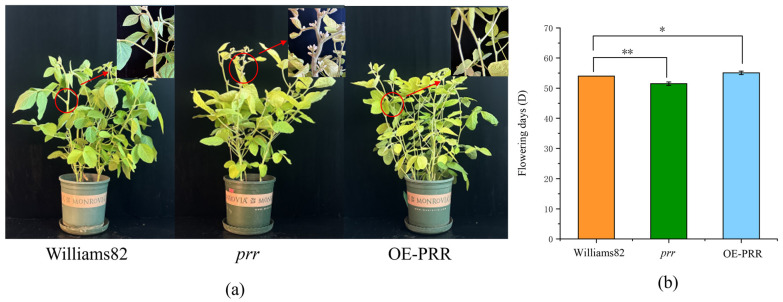 Figure 1
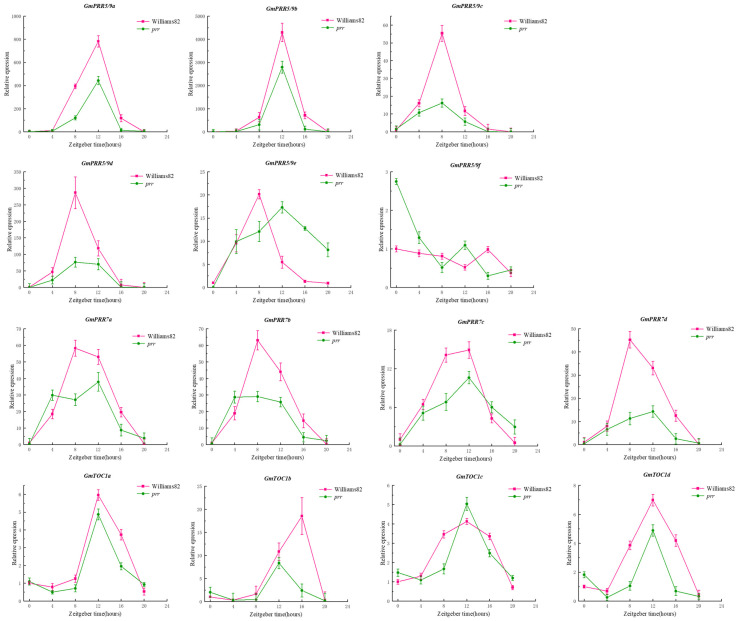 Figure 2
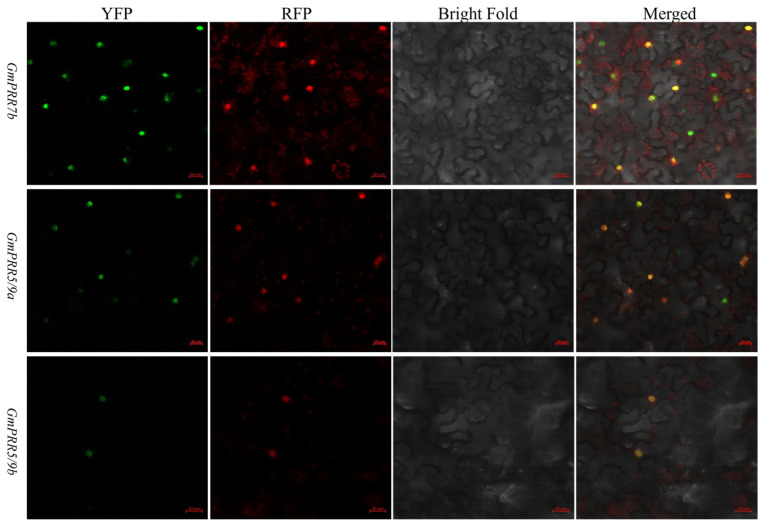 Figure 3
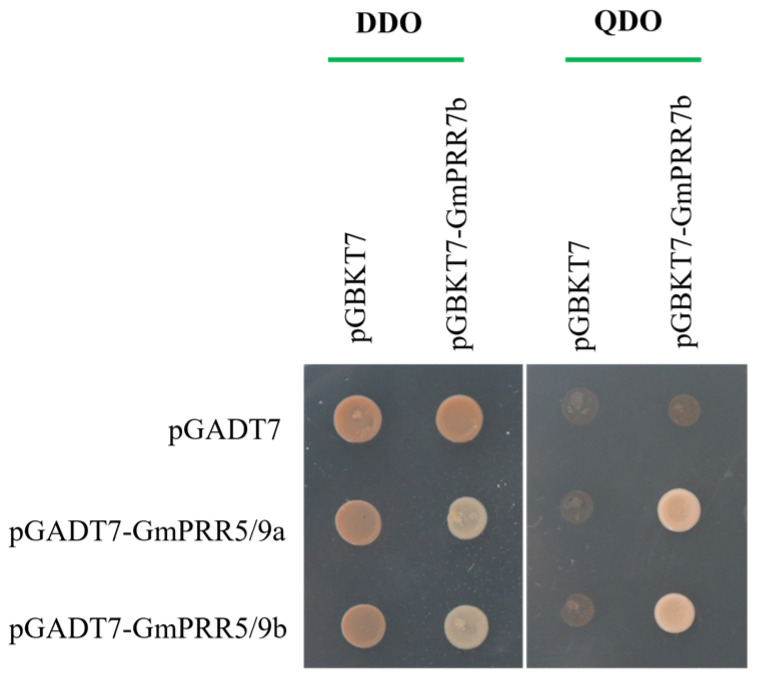 Figure 4
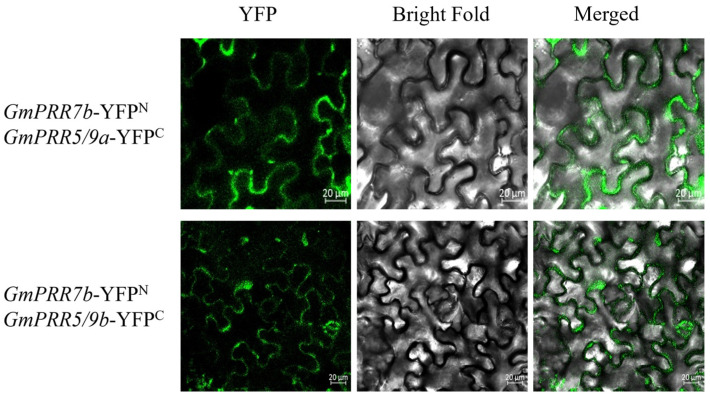 Figure 5
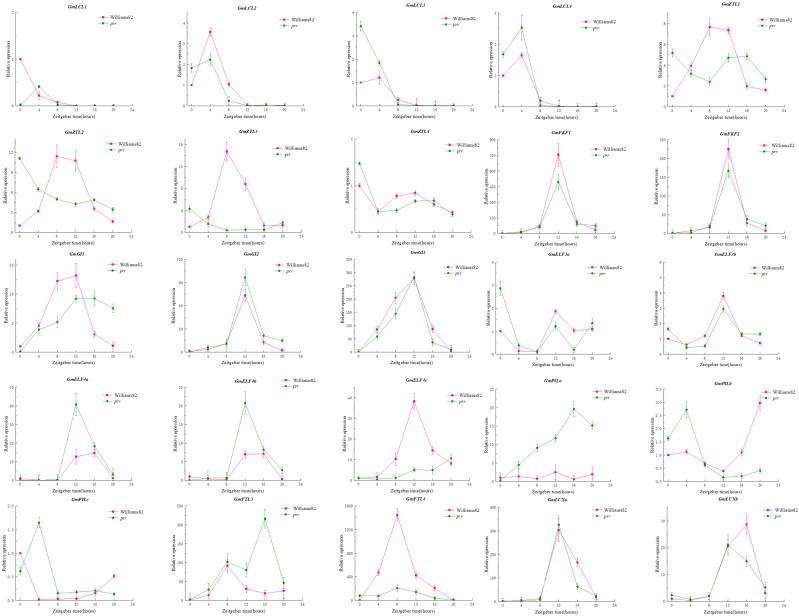 Figure 6
- —Intergovernmental International Science, Technology, and Innovation Cooperation Key Project of the National Key R&D Programme (NKP)
- —National Key R&D Programme
- —Jilin Provincial Department of Science and Technology Key R&D Project on Agricultural Key Technologies
- —Earmarked Fund for China Agriculture Research System
- —Jilin Province Agricultural Science and Technology Innovation Project
Peer Reviews
No public reviews on file for this paper yet. If you reviewed it on a platform where reviews are public (OpenReview, ICLR, NeurIPS, ICML), you can paste yours below so the community can read it here.
Videos
No videos yet. Explain this paper in a talk, walkthrough, or lecture? Add one.
Taxonomy
TopicsSoybean genetics and cultivation · Plant Molecular Biology Research · Light effects on plants
1. Introduction
Following the rhythmic phenomenon of the alternation of day and night caused by the rotation of the Earth, plants have a self-regulating mechanism with an approximate 24 h rhythm [1,2]. This endogenous rhythmic regulatory mechanism in plants is called the biological clock or circadian rhythm [3]. The plant circadian system regulates almost all growth and developmental and metabolic processes, such as flowering, leaf movement, and hormone signalling [4,5,6]. The clock consists of three parts: an input pathway, a core oscillator, and an output pathway [7]. The core oscillator is a transcriptional–translational feedback loop consisting mainly of two MYB proteins, LHY and CCA1, and the family of pseudo-response regulators (PRRs) [8].
The first identification of PRRs was in the model plant, Arabidopsis (Arabidopsis thaliana (L.) Heynh.) [9]. Scientists discovered that PRR genes exhibit robust rhythmicity with an expression cycle of approximately 24 h [9,10]. The transcript levels of AtPRR9/AtPRR7/AtPRR5/AtPRR3/AtPRR1 in Arabidopsis accumulate sequentially from morning to evening, reaching a peak within 2–3 h [9,10,11,12,13,14]. Furthermore, AtPRRs have been demonstrated to regulate diverse processes, including photoperiodic regulation of flowering, hypocotyl growth, and seed germination [15,16]. In addition to these functions, AtPRRs have been shown to respond positively to drought stress and cold stress [17,18]. The present research on PRRs in Arabidopsis is predominantly centred on the photoperiodic regulatory pathway of this species [18]. The “GI-CO-FT” pathway, which has been extensively studied, is a notable example of this regulatory mechanism, with PRRs playing a pivotal role in transmitting rhythmic signals [19,20,21,22].
Because of these interesting rhythmic expression patterns, PRRs have quickly become a popular research focus on plants. For example, five PRR genes (OsPRR1, OsPRR37, OsPRR73, OsPRR59, and OsPRR95) have also been identified in rice (Oryza sativa L.) and shown to be involved in the regulation of the biological clock [23,24,25,26,27]. Thirteen PRR genes have been identified in tomato (Solanum lycopersicum L.) [28,29], and Wang et al. [30] identified a total of forty-four PRR genes in four species of cotton (Gossypium hirsutum Linn.). These studies collectively indicate that PRRs are rhythmically expressed.
Research on PRRs in soybean (Glycine max (L.) Merr.) has progressed more slowly compared to model plants such as Arabidopsis and rice. Zhang et al. [31] used a homologous comparison to obtain five homologous genes of PRR5/9, four homologous genes of PRR7, and four homologous genes of TOC1 (PRR1) to study circadian rhythm genes in soybean. This is the first time that PRR genes have been identified in soybeans. Subsequently, Li et al. [32] obtained two homologous genes of APRR3, GmPRR3a, and GmPRR3b, from a recombinant inbred line population of wild soybean (Glycine soja Siebold & Zucc.) and soybean. Li et al. [33] also identified a gene homologous to PRR7 in a population of local and cultivated soybean varieties. Wang et al. [34] also identified GmPRR37 in a population of recombinant inbred lines and developed a mutant suitable for planting in high-latitude areas or under multiple cropping conditions. Similarly, Li et al. [35] also obtained a GmPRR3b gene through a genome-wide association study and found that overexpression of a haplotype of this gene increased the number of main stem nodes and yield. Lu et al. [36] identified two PRR3 homologous genes, Tof11 and Tof12, and found that these two genes can directly bind to the LHY promoter to inhibit its transcription, which adds to the mechanism of photoperiod regulation of flowering in soybeans.
Based on previous laboratory studies [33], this study further studied the function of the identified GmPRR7b gene. Then, by analysing the rhythmic expression of its gene family members, we try to determine the potential interaction proteins of the target gene. These interactions are verified by real-time quantitative PCR (qRT-PCR), yeast two-hybrid detection, and BiFC. It is expected to provide additional evidence for elucidating the role of circadian rhythm signals in regulating soybean photoperiod response.
2. Results
2.1. Phenotypic Characterisation of the Glyma.12G073900
We obtained the Glyma.12G073900 in our preliminary work by obtaining a QTL related to flowering and screening it by localization [33]. To verify the function of Glyma.12G073900, transgentic lines overexpressing (OE-PRR) and gene-edited lines (prr) were obtained by transgenic technology (Figure S1, Table S1). We found that OE-PRR bloomed significantly later than the wild type, while the prr bloomed significantly earlier than the wild type (Figure 1), indicating that Glyma.12G073900 overexpression delayed flowering, while Glyma.12G073900 loss-of-function accelerated flowering time. This result suggests that Glyma.12G073900 functions as a floral repressor in soybean under standard growth conditions.
2.2. Identification and Rhythmic Expression of Gene Family Members
Through a previous study by Li et al. [33], we found that Glyma.12G073900 belongs to the PRR gene family, so we re-identified the PRR gene family members. We searched the soybean genome data and obtained 12 PRR genes that contain both conserved structural domains of the PRR gene family. So Glyma.12G073900 is GmPRR7b. Although GmPRR7a and GmPRR7b do not contain the CCT domain, previous studies [32,33,34,35,36,37,38] have demonstrated their involvement in flowering, and we still consider them to be part of the PRR gene family. In total, we determined that there are 14 members of the PRR gene family in soybean (Table S2).
Due to the rhythmic expression characteristics of the PRR gene family, we tried to find the rhythmic expression pattern of GmPRRs as follows (Figure 2): We found that members of the gene family are characterised by rhythmic expression, and GmPRR5/9s appear to be classified into three groups based on the timing of expression, in Williams 82. GmPRR5/9c, GmPRR5/9d, GmPRR5/9e, GmPRR7b, and GmPRR7d were the first to reach peak expression at ZT8, then GmPRR7a; and GmPRR7c showed peak expression at both ZT8 and ZT12. Other PRR genes (GmPRR5/9a, GmPRR5/9b, GmTOC1a, GmTOC1c, GmTOC1d) basically reached peak expression at ZT12, and GmPRR5/9f and GmTOC1b were the latest, reaching peak expression at ZT16. In prr material, GmPRR5/9f was the first to reach peak expression at ZT0; GmPRR7a and GmPRR7b attained high expression at ZT4, followed by GmPRR5/9c, reaching peak expression at ZT10, and GmPRR5/9d reached a high expression, from ZT8 to ZT12, while the remaining genes reached peak expression at ZT12. These results suggest that PRR genes not only exhibit rhythmic expression but also may interact with one another within the gene family to respond to the light signal [9,10,11,12,13,14].
2.3. Verification of the Interaction Between GmPRR5/9a, GmPRR5/9b, and GmPRR7b
To test the above-stated, we selected GmPRR5/9a and GmPRR5/9b, which peaked after GmPRR7b, for yeast two-hybrid verification based on the order of expression. We first performed subcellular localization verification experiments on these three proteins (Figure 3). The results showed that all three proteins were localized in the nucleus, consistent with the previous prediction. On a high-stringency quadruple drop-out medium (QDO plate), the GmPRR5/9a and GmPRR7b plate grew white colonies, as did the GmPRR5/9b and GmPRR7b plate, indicating that both GmPRR5/9a and GmPRR5/9b interact with GmPRR7b at the protein level in yeast (Figure 4).
To further verify the results of the yeast two-hybrid assay, we performed a BiFC assay using the split YFP system to confirm the interaction in living plant cells (Figure 5). Imaging with laser confocal microscopy revealed that there is YFP fluorescence in both construct pairs, indicating that GmPRR7b interacts with both GmPRR5/9a and GmPRR5/9b.
2.4. Gene Regulatory Network Prediction
Based on the fact that circadian rhythm properties are closely linked to photoperiod [36,39] and we have demonstrated that there are interactions between gene family members, we used prr material to perform qRT-PCR on some of the currently known photoperiodic genes in order to be able to resolve the mechanism of GmPRR7b with the photoperiodic regulatory network (Figure 6). The results indicated that GmZTLs (GmZTL1, GmZTL2, GmZTL3), GmELF4s (GmELF4a, GmELF4b, GmELF4c), GmPILs (GmPILa, GmPILb, GmPILc), as well as GmFIL3 and GmFIL4 might be regulated in association with GmPRR7b expression.
3. Discussion
The two-component signal transduction system (TCS), the main mechanism of extracellular signal transduction, consists of a histidine protein kinase (HK) and a response regulator (RR). The response regulators (RR) are very similar to pseudo-response regulators [40]. In typical TCSs, once the HK senses a stimulus, the His protein kinase self-phosphorylates its conserved His residue to regulate its own signal, transferring the phosphate group to the conserved Asp residue in the RR acceptor domain to stimulate activity and respond accordingly [41]. The RR has an N-terminal receptor domain and a C-terminal output domain. The classical N-terminal receptor domain has a negatively charged amino acid surrounded by an N-terminal aspartic acid (D), a central aspartic acid site (D) that receives a phosphate group, and a C-terminal lysine (K), called the DDK sequence. Several DDK variants that are very similar to the classical DDK sequence have been found in Arabidopsis [42]. In these variants, the aspartic acid at the phosphorylation acceptor site is replaced with glutamic acid, and some amino acid positions differ. This type of protein is called pseudo-response regulatory protein (PRR), while the original classical DDK sequence regulatory protein is called response regulatory protein (RR) [43]. However, because PRR still contains an Asp residue in the conserved motif, it can still be used as the final output of the two-component phosphorelay in plants. Therefore, it is speculated that PRRs may be involved in the signal transduction of the His-to-Asp phosphorelay and the regulation of circadian rhythms.
Our previous work successfully localised the GmPRR7b gene on chromosome 12 [33]. So, we verified the gene function of GmPRR7b by constructing overexpression lines and gene editing lines. We suggest that the GmPRR7b gene is a deterrent to flowering, which is consistent with the findings of Wang et al. [34] and Lu et al. [36]. This could further confirm that GmPRR7b could provide a new target for creating soybean materials.
In Arabidopsis, PRRs are known clock factors involved in rhythmic expression in the core oscillator located in the photoperiod-regulated flowering pathway [44,45]. We re-identified all PRR gene family members in soybean and screened 12 members based on the structure and characteristics of the PRR gene family, which is consistent with the results of Wang et al. [30] and Zhang et al. [31]. There has been a lot of evidence [32,33,34,35,36,37,38] showing that GmPRR7a and GmPRR7b, although they are missing the CCT structural domains, can regulate flowering time. Not only that, in fact, we found that the wild type of GmPRR7b is equipped with the CCT structural domain and exhibits late flowering. However, it is CCT-deficient in bred varieties, such as W82 and CN16, which exhibit early flowering. Therefore, we agree with previous authors [30,31] that GmPRR7a and GmPRR7b belong to the PRR gene family, and the rhythmic expression of the PRR gene family members in prr material shows a different expression pattern from that in W82, which reveals the characteristic of the circadian cycle, ‘A single thread can pull the whole system’. After the change in GmPRR7b, GmPRR5/9a and GmPRR5/9b are the most direct changes. Therefore, we first chose to test the interaction between these two genes, and the yeast two-hybrid and BiFC experiments showed that they interacted with each other, especially in the BiFC experiments; we found that both of them were nuclear localised. GmPRR7b, GmPRR5/9a, and GmPRR5/9b and the interaction in BiFC was shown at the cell membrane, and we believe that when circadian signals are transmitted to GmPRR7b, GmPRR5/9a, and GmPRR5/9b, which are expressed downstream, interact with GmPRR7b at the cell membrane, thus generating a signal that transmits signals and maintains circadian rhythms that occurs.
We identified numerous genes associated with soybean photoperiod through gene regulatory network prediction of PRR gene family members, all of which may be regulated by GmPRR7b. GmLCLs are homologous to CCA1 and LHY and are first expressed in ZT0 and ZT4, in agreement with the results of Wang et al. [46] and Wu et al. [47]. GmZTLs, GmFKFs, and GmGIs have also all been shown to be associated with soybean flowering and photoperiod [48,49]; GmELF3s, GmELF4s, and GmLUXs are members of the EC of the soybean circadian complex [39,50,51]; in our results, GmPRR7b does not seem to have a regulatory relationship with GmELF3s and GmLUXs, but rather GmELF4s shows a strong regulatory relationship, so we infer that GmPRR7b is regulated by GmELF4s and then enters the EC complex, which influences the whole EC complex. Of course, these speculations need to be verified by further experiments, which is also the focus of our research direction in the future.
In summary, we propose a hypothesis that under prolonged sunlight, CCA1 and LHY activate the expression of GmPRR5/9a, GmPRR5/9b, and GmTOCs through activation of GmPRR5/9c, GmPRR5/9d, and GmPRR5/9e, which then affects the expression of GmPRR7s, GmPRR5/9a, GmPRR5/9b, and GmTOCs, and that the GmTOCs then acts, in turn, on CCA1 and LHY, forming a circadian cycle. When GmPRR7b was knocked down, GmPRR5/9a and GmPRR5/9b, which interact with GmPRR7b, showed reduced expression, which in turn affected the GmTOC expression, thereby increasing the expression of CCA1 and LHY and affecting GmELF4s in the evening EC complex, which then affects the entire EC complex and inhibits E1, resulting in the early flowering phenotype.
While we identified other genes that may have a regulatory relationship with each other, more research is needed. Studies on plant PRR genes primarily focus on the PRR gene family of the model plant, Arabidopsis; however, the structure, function, and expression patterns of PRR genes in soybeans require further systematic investigation. Such studies will provide deeper insights into the molecular mechanism underlying the functions of PRR genes more comprehensively, offering a strong scientific basis for future studies on the molecular mechanism underlying soybean growth.
4. Materials and Methods
4.1. Preparation of Plant Material
After amplifying the target gene using the parent CN16 of the group as a template [33], the overexpression vector pCAMBIA3301-GmPRR7b and the gene editing vector pKSE401-GmPRR7b was constructed, and Williams 82 was used as the genetic transformation receptor. The Agrobacterium-mediated method [52] was used to transfer the overexpression vector into Williams 82. The transgenic positive strain was obtained by screening with a concentration (160 mg·L^−1^) of glufosinate and Bar test strip, verified by sequencing, and then propagated to the F_2_ generation. After the transgenic plants were genetically stable, the phenotype was identified under long-day conditions (16 h light/8 h dark, LD). The above-related materials were provided by the Jilin Academy of Agricultural Sciences (Changchun, China).
4.2. Identification of Gene Family Members
The genomic data of soybean (Glycine max Wm82.a2. v1) were obtained from Phytozome 13 (https://phytozome.jgi.doe.gov/pz/portal.html, accessed on 27 September 2022). Previous studies have shown that genes belonging to the PRR family contain two conserved structural domains: REC(PF00072) and CCT(PF06203) [28,30]. We downloaded the HMM model from the InterPro website (https://www.ebi.ac.uk/interpro/search/sequence/, accessed on 27 September 2022), used it to perform an HMM search, and obtained the search results. The intersection was considered, and the CDD database (https://www.ncbi.nlm.nih.gov/cdd/, accessed on 27 September 2022), SMART database (http://smart.embl.de/, accessed on 27 September 2022), and Pfam database (http://pfam.xfam.org/, accessed on 27 September 2022) were then used to further identify the conserved domains of the initially screened candidate protein sequences. Following previous studies on PRR gene family members [31], we adopted the naming conventions established in those articles. The reidentified PRR family members in this study retain their original names, while newly identified members were named according to the same rules (Table S1).
4.3. Rhythmic Expression of Members
Williams 82 and prr transgenic materials were grown at room temperature under long-day conditions (16 h light/8 h dark). After the third trifoliate compound leaf was fully expanded, leaf tissue was collected every 4 h for 24 h. Samples were stored at −80 °C [33].
4.4. RNA Isolation and Quantitative Real-Time PCR Analysis
The Plant RNA Extraction Kit (Trans, Beijing, China) was used to extract RNA from the plant samples, and the purity and concentration of the total RNA were determined using the Nanodrop system (Thermo Fisher Scientific, Waltham, MA, USA). According to the kit instructions, cDNA was synthesized using the Prime Script™RT Reagent Kit (Takara Bio, Beijing, China). Real-time fluorescence quantitative PCR (qRT-PCR) was performed on each cDNA template using the TB Green Mix (Takara Bio, Beijing, China). The PCR amplification conditions were as follows: 95 °C for 5 min, followed by 45 cycles of 95 °C for 10 s and 60 °C for 30 s in a 10 μL reaction mixture. Three replicates were prepared per sample, and the QuantStudio 6 Flex system (Thermo Fisher Scientific, Waltham, MA, USA) was used to carry out the reactions. This was iterated three times. Relative gene expression was calculated using the 2^−ΔΔCt^ method, with Tubllin serving as the internal reference gene (Table S3).
4.5. Validation of Gene Regulatory Networks
Expression validation was conducted as described in Section 4.3 and Section 4.4.
4.6. Subcellular Localization and Experimental Validation of Interacting Proteins
The target gene vector pEarleygate104-GmPRR7b was constructed for subcellular localization. The marker used was PC1302-RFP-PIP2. Subcellular localization was analysed by transient expression in tobacco leaf epidermal cells, and results were observed using confocal microscopy, following the methods described by Zhu et al. [53].
The target gene CDS sequence was linked to pGADT7 vector, and GmPRR7b was ligated to pGBKT7 vector for yeast two-hybrid interactions validation, and the specific experimental steps were referred to Haobo He [54].
The successful gene verified by yeast two-hybrid experiment was ligated to pSITE-C-EYEP vector, and GmPRR7b was ligated to pSITE-N-EYFP vector, and the results of yeast two-hybrid experiments were verified by tobacco transformation using laser confocal microscopy, and the specific experimental steps were referred to Hongxia Dong [55].
The above-related materials were provided by the Jilin Academy of Agricultural Sciences (Changchun, China).
The reference list from the paper itself. Each links out to its DOI / PubMed record.
- 1Harmer S.L. The Circadian System in Higher Plants Annu. Rev. Plant Biol.20096035737710.1146/annurev.arplant.043008.09205419575587 · doi ↗ · pubmed ↗
- 2FarréE.M. Liu T. The PRR family of transcriptional regulators reflects the complexity and evolution of plant circadian clocks Curr. Opin. Plant Biol.20131662162910.1016/j.pbi.2013.06.01523856081 · doi ↗ · pubmed ↗
- 3Mcclung C.R. Circadian Clock Components Offer Targets for Crop Domestication and Improvemen Genes 20211237410.3390/genes 1203037433800720 PMC 7999361 · doi ↗ · pubmed ↗
- 4Bunning E. Endogenous Rhythms in Plants Annu. Rev. Plant Physiol.20037719010.1146/annurev.pp.07.060156.000443 · doi ↗
- 5Bunning E. Circadian Leaf Movements in Bean Plants: Earlier Reports Science 196414655110.1126/science.146.3643.55117806814 · doi ↗ · pubmed ↗
- 6Xu X. Yuan L. Yang X. Zhang X. Wang L. Xie Q. Circadian clock in plants: Linking timing to fitness J. Integr. Plant Biol.20226479281110.1111/jipb.1323035088570 · doi ↗ · pubmed ↗
- 7Park M.J. Sec P.J. Park C.M. CCA 1 alternative splicing as a way of linking the circadian clock to temperature response in Arabidopsis Plant Signal. Behav.201271194119610.4161/psb.2130022899064 PMC 3489659 · doi ↗ · pubmed ↗
- 8Mizuno T. Nakamichi N. Pseudo-Response Regulators (PR Rs) or true oscillator components (TO Cs)Plant Cell Physiol.20054667768510.1093/pcp/pci 08715767264 · doi ↗ · pubmed ↗