Macropsychology: A Systematic Scoping Review of the Psychology Literature on Public Policy and Law
Moonika Moonveld, Joanne McVeigh

TL;DR
This paper reviews psychology research on how public policies and laws affect well-being and social justice, highlighting a need for a more unified approach called macropsychology.
Contribution
The first systematic scoping review of psychological research at the macro level, offering a new synthesis of macropsychology.
Findings
118 articles were identified, including 46 empirical and 72 conceptual studies on macro-level psychology.
Authors often work at the macro level but rarely label their work as macropsychology.
The review emphasizes the role of psychology in shaping policies related to social justice.
Abstract
Macropsychology examines the influence of macro-level factors such as policies and laws on our psychological well-being and how the field of psychology can be more effectively leveraged to influence them. While psychology has traditionally been focused at the individual level, a greater focus is needed on policies and laws at the macro level, including areas that are underpinned by psychological concerns such as human rights and social justice. Systematic scoping review methods based on the PRISMA guidelines were used to examine the following research question: To what extent is psychology, through macropsychology, engaging with public policy and law, particularly in relation to social justice? In total, 118 articles were identified as meeting the inclusion criteria, including 46 empirical articles and 72 conceptual articles. Although the authors of such articles are clearly operating…
Genes, proteins, chemicals, diseases, species, mutations and cell lines named across the full text — each resolved to its canonical identifier and authoritative record.
Click any figure to enlarge with its caption.
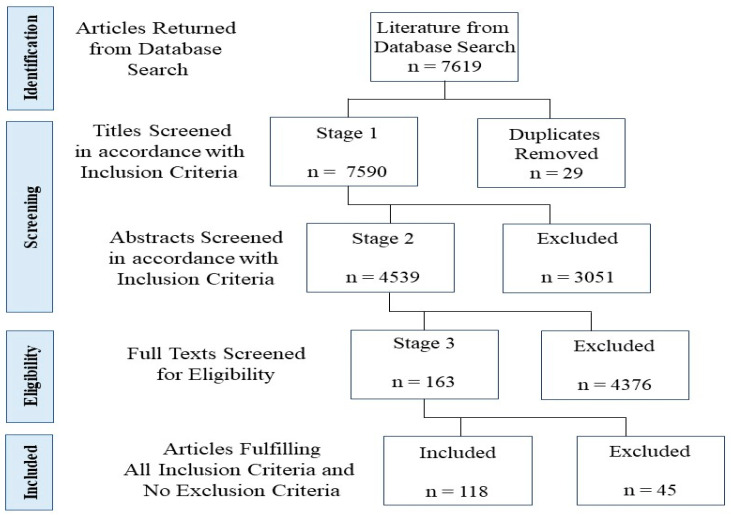 Figure 1
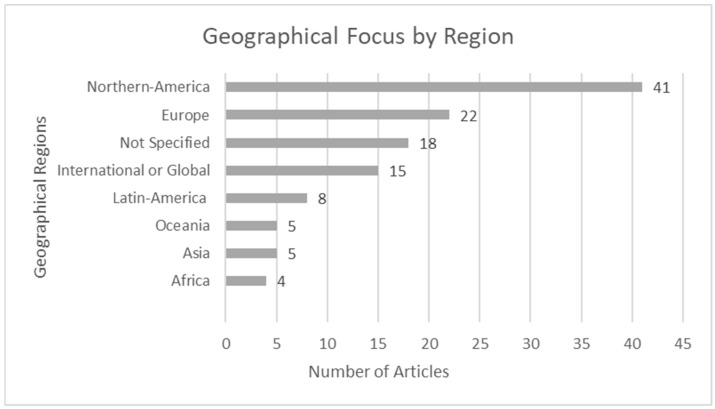 Figure 2
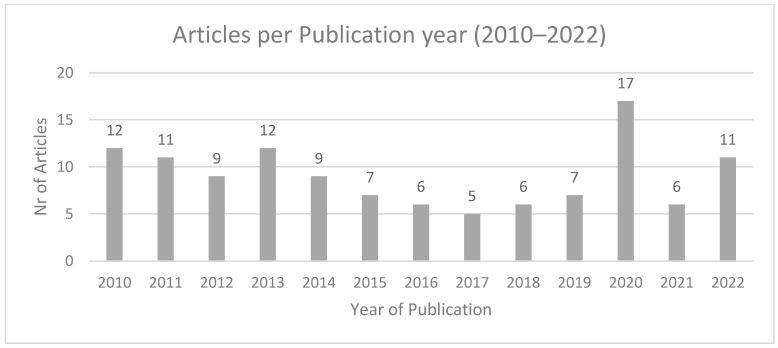 Figure 3
Peer Reviews
No public reviews on file for this paper yet. If you reviewed it on a platform where reviews are public (OpenReview, ICLR, NeurIPS, ICML), you can paste yours below so the community can read it here.
Videos
No videos yet. Explain this paper in a talk, walkthrough, or lecture? Add one.
Taxonomy
TopicsPsychology of Development and Education · Counseling Practices and Supervision · Educational and Psychological Assessments
1. Introduction
Psychology has long been focused at the micro and meso levels, less readily examining the impact of policies and law on our psychological well-being and how psychology can in turn be wielded to influence them. While psychology has traditionally been focused at the individual level, a greater focus is needed on policies and law at the macro level, including areas that are underpinned by psychological concerns such as the distribution of resources, power relations, and the settings and conditions required for people to exercise their rights (McVeigh & MacLachlan, 2022). Embracing this macro perspective would allow psychology to have a greater impact with its research findings, to use big data more effectively, and to have more involvement in areas such as organisational and social justice, human rights, equality, and equity (MacLachlan & McVeigh, 2021).
Policies are population-level interventions with the aim of influencing behaviours and choices to produce desired outcomes (Ruggeri, 2017), and the goal of evidence-based policy is to apply scientific research to decision-making (McKnight et al., 2005). The social sciences are therefore intrinsically in the realm of policy and governance (McVeigh & MacLachlan, 2021). Psychologists can valuably contribute to policy content and policy processes, for example, by providing robust models and methods for analysing populations, for supporting sustainable and community-based solutions, and for strengthening decision-making processes (Bullock et al., 2023).
However, the influence of psychological science in the public sphere has historically been relatively limited (Tropp, 2023), although psychology is now increasingly influencing how states operate (Jones & Whitehead, 2018). There has been a proliferation globally of ‘behavioural insights’ projects and units, comprising insights from psychology, cognitive science, and broader social science, schematically presented in the OECD’s Observatory of Public Sector Innovation’s interactive map (see https://oecd-opsi.org/bi-units, accessed on 26 February 2025) (OPSI, 2021).
The application of insights from the psychological sciences is the domain of ‘psychological governance’. Psychological governance may be defined as “forms of largely state-orchestrated public policy activity (though ‘nonstate’ actors are widely involved) that aim to shape the behavior of individuals, social groups, or whole populations through the deployment of the insights of behavioral and psychological sciences” (Pykett et al., 2017, p. 2). Psychological governance therefore focuses on the ways in which people behave, the reasons for such behaviours, and how to influence these behaviours (McVeigh & MacLachlan, 2021).
Psychological governance is facilitated by a macropsychology perspective, which may be defined as “the application of psychology to factors that influence the settings and conditions of our lives” (MacLachlan, 2014, p. 851). Macropsychology addresses how our well-being is influenced by macro-level factors including policies, laws, institutions, systems, and structures. It also examines how the field of psychology can be more effectively leveraged to influence them, whereby psychology needs to go further, beyond advocacy, to focus on evidence-based activism (Carr & MacLachlan, 2014). Various fields in psychology adopt this macro focus, including social psychology, political psychology, and human rights psychology. However, this macro perspective has been predominantly neglected in psychology in favour of reductionist and individualist perspectives (McVeigh & MacLachlan, 2022).
Research Aim
While scoping reviews have been conducted in cognate areas such as behavioural public policy (Mukhtarov, 2022), behavioural economics (Andrawis et al., 2022), nudging (Van Deun et al., 2018), and choice architecture interventions (Forberger et al., 2019), there is a paucity of reviews of the psychology literature on policy and law. In response to this research gap, a scoping review was conducted of the psychology literature on the engagement of psychology with public policy and law, particularly in relation to social justice.
A particular focus was adopted in the review on social justice due to the importance of law and policies that are rights-based and well rooted in the principles of fairness and social inclusion. As emphasised by the UN, the test of ‘good’ governance is the extent to which it promotes and protects human rights, including economic, social, political, cultural, and civil rights (OHCHR, 2022). Social justice may be defined as fairness, equity, and equality in access to resources, human rights, opportunities, and freedoms (Watts & Hodgson, 2019). It denotes the application of justice principles throughout society such as distributive justice, interactional justice, and procedural justice (Knapp & Fingerhut, 2024). Manifest injustices occur when reasonable means could be used to alleviate disproportionate morbidity and to prevent mortality (Venkatapuram et al., 2010). Evidence-based policies are therefore required that are drafted in the spirit of social justice (Marmot, 2017). Accordingly, psychology must zoom out from the individual level to also examine the systems, institutions, and policies that perpetuate marginalisation and unfairness; otherwise, it risks focusing on the symptoms of social injustice without addressing the root causes and may further marginalise structurally vulnerable groups (MacLachlan, 2017).
Similarly, in recognising law as a social construct rather than a scientific enterprise (Focarelli, 2012), it is important to evaluate the extent to which law, as a psychological instrument to wield behaviour, is rights-based and underpinned by social justice. As proposed by Newman and Gordon (2021),
“[T]he law is not an inanimate rule book for some inherently fair or meritocratic game of individual chance, skill, or even ‘justice’. It can be a powerful engine for the progressive advancement of some or all people or the means of their repression. It is made by humans and so is never completely neutral. It has moral content and values, not only in its substance but in its linguistic framing, form, process, and priorities”.
A scoping review was therefore conducted of the psychology literature on the extent to which psychology, through macropsychology, engages with public policy and law, particularly in relation to social justice. Accordingly, the review examined the areas in which psychology may inform and influence policy and law at the structural level. In doing so, it is hoped that this review calls attention to the work of psychologists engaging with public policy and law from a social justice perspective.
2. Methods
Scoping reviews are appropriate for research areas that have not been extensively reviewed, whereby such reviews can be used as a preliminary assessment of the extent, scope, and nature of the literature in a particular area, alongside gaps in the literature (Premachandra & Lewis, 2022). Scoping reviews fulfil various purposes, including identifying the types of evidence in a particular research area, elucidating key concepts in the literature, exploring how research is carried out in a particular field, detecting knowledge gaps, and providing the foundation for a systematic review (Munn et al., 2018).
Accordingly, due to a gap in the literature regarding a review of psychology’s involvement in public policy and law, systematic scoping review methods were conducted to examine the scope and nature of work in this area. In accordance with the framework provided by Arksey and O’Malley (2005), the scoping review was carried out using a methodologically rigorous and transparent approach to allow replicability and to strengthen the reliability of the findings.
2.1. Search Strategy
The overarching research question explored in the review was as follows: To what extent is psychology, through macropsychology, engaging with public policy and law, particularly in relation to social justice? Numerous preliminary sensitive search strategies were first developed. A Search Librarian was consulted to discuss the preliminary search strategies and systematic/scoping review methods more broadly. Due to the large number of articles returned from these searches, the search strategy was then revised to a more refined strategy.
The final literature search was conducted on 13 June 2022. The review was not prospectively registered. The inclusion and exclusion criteria are provided in Table 1. The search was conducted on APA PsycInfo using EBSCOHost. A search was conducted for publications on psychology at the macro level, with a particular focus on social justice. A second search was conducted to supplement the main search, specifically using the terms ‘behavioural insights’, ‘behavioural governance’, and ‘behavioural government’. Articles published in peer-reviewed psychology journals were included. The scoping review was conducted in accordance with the PRISMA criteria (please see Figure 1 and Supplementary File S1).
The time scale of 2010 onwards was selected, as the world’s first governmental institution for the application of behavioural sciences in policy, the UK Behavioural Insights Team, was established in 2010 (Hallsworth et al., 2018). The search was conducted in English. However, a number of non-English articles were also returned during the search, as they had an English title and abstract (two languages). Those non-English articles that fulfilled the criteria after abstract screening were translated into English using Google Translate. With regard to papers returned from multidisciplinary journals, articles were included if the first author was working in the field of psychology, as determined by author affiliation. Table 2 presents the search terms used for the review. More details on the electronic search strategy conducted in APA PsycINFO are presented in Supplementary File S3.
2.2. Literature Screening
The review was conducted using Rayyan (www.rayyan.ai), an online tool for systematic literature reviews. The primary researcher (MM) reviewed the titles, abstracts, and full texts in accordance with the inclusion criteria. The second reviewer (JMV) screened one in ten articles at the title, abstract, and full-text screening stages. When a disagreement between reviewers arose, this was resolved upon discussion.
2.3. Data Extraction
Following the full-text screening stage, both reviewers extracted information from the articles. A data extraction template was designed to record relevant data from the included publications, including the authors, aims, design, population of interest, geographical location, main findings, main conclusions, and key words/topics (see Supplementary File S2). In the extraction template, articles were also categorised as empirical articles or conceptual articles.
3. Results
The search strategy yielded 7619 articles, after which 29 duplicates were removed. After title, abstract, and full-text screening were conducted, 118 articles were identified as meeting all of the inclusion criteria and none of the exclusion criteria. Figure 1 schematically presents the scoping review search process. Supplementary File S2 presents the completed data extraction template for all 118 articles, including 46 empirical articles and 72 conceptual articles.
3.1. Populations
The articles focused on various populations, as summarised in Table 3 and discussed in more detail below.
3.1.1. Children and Adolescents
In total, 19 articles (16.1%) focused on children and/or adolescents. Such articles examined specific populations such as left-behind children from rural primary schools in remote areas of western China (Article 11) (Please note that article numbers correspond to those presented in Supplementary File S2), children with special healthcare needs (Article 37), youth with obesity (Article 115), families with parental mental health issues and child protection concerns (Article 84), and legal professionals working with lawsuits involving children (Article 44). An overview of the populations that were in focus in the articles is provided in Supplementary File S2.
For example, in a policy analysis of Child and Adolescent Mental Health Services Policy in England, Callaghan et al. (2017) identified how distress experienced by children is individualised via medicalising discourses and understandings of the relationship between socioeconomic circumstances and mental health. In a qualitative study of urban American Indian youth and families, West et al. (2012) found that system/policy changes are needed to support systems of care that address the needs of communities. Magor-Blatch (2011) critically examines the ‘Zero Tolerance’ policy, arguing that a better understanding of adolescent development and working more proactively within a harm minimisation and primary prevention model will provide better opportunities for at-risk children and young people.
With regard to inclusive education policy, Thomas (2013) argues that inclusive education needs to engage with a different psychology of learning, a model of learning that emphasises the significance of community including meaning, narrative, and apprenticeship (i.e., the context and culture for learning). In a mixed methods study on child and adolescent mental health policies, programmes, and infrastructures across Europe, Bielsa et al. (2010) reported inter alia that the implementation and effects of child and adolescent mental health (CAMH) policies and action plans are not evaluated systematically in Europe.
3.1.2. People with Mental Health Problems
A number of articles focused on people with mental health problems and/or substance abuse problems and/or service users more broadly (16, 13.6%) (Articles 19, 22, 23, 27, 77, 88, and 90); individuals found not criminally responsible on account of a mental disorder (Article 79); mental health service users and people subject to (involuntary) detention (Articles 1 and 10); mental health system stakeholders including service users and advocates more broadly (Articles 6, 36, 47, and 51); people with mental, neurological, and substance use disorders in low- and middle-income countries (Article 27), and populations with lived experience in the Movement for Global Mental Health (Article 107).
For example, Cronin et al. (2017) conducted a narrative review of mental health legislation across the Republic of Ireland, England and Wales, Scotland, Ontario (Canada), and Victoria (Australia). While they found broadly similar procedures across the five jurisdictions for the admission, detention, and treatment of involuntary patients, they identified differences with regard to the criteria in defining a ’mental disorder’, automatic review hearings subsequent to a patient being involuntarily admitted, and supported decision-making under mental health legislation. Kitafuna (2022) presents an overview of mental health-related beliefs, services, and systems in Uganda and recent activist and legal challenges. As contended by Kitafuna, while Ugandans with mental health problems experience significant stigma, social exclusion and punitive treatment, incremental improvements and revolutionary advancements have been evident in the last 2–3 decades as a result of momentum by activists with psychosocial disabilities, in addition to the UNCRPD, international disability alliances, and international law.
Wong et al. (2014) critically explored Chinese mental health and mental health-related policies, raising numerous policy-related questions such as the inadequate coverage of mental health services in rural districts and inadequate protection of the rights of individuals with mental health problems. In a critical review of the Lancet Commission on global mental health and sustainable development, Cosgrove et al. (2020a) called for a paradigm shift that adopts a ‘global burden of obstacles’ approach (one that addresses structural issues), which aligns with a politically informed societal determinants of health framework. Accordingly, instead of conceptualising poverty, violence, or gender inequity as predictive variables or risk factors for mental health problems, Cosgrove et al. (2020a) argued that we need to view the crisis in mental health as a crisis of obstacles. In a qualitative study exploring challenges in the South African mental health system, Lund et al. (2011) identified key challenges as including the lack of officially endorsed mental health policy, the low priority of mental health, and inadequate intersectoral policy integration.
3.1.3. LGBTQ+ Persons
Several articles focused on LGBTQ+ persons (13, 11%), including individuals in same-sex relationships (Article 4); Lesbian, Gay, and Bisexual (LGB) individuals (Articles 32 and 104); LGBTQ+ individuals (Articles 13, 62, and 87); LGBTQ+ service users and professional practitioners such as psychologists (Articles 34 and 103); sexual minority (LGBQ+) college students (Article 20); sexual and gender minority individuals (Article 9); transgender and gender-diverse (TGD) individuals (Articles 17 and 99); and parents of trans and gender-diverse (TGD) youth (Article 15).
For example, Ogolsky et al. (2019) explored changes in personal well-being among people in same-sex relationships throughout the transition to federal marriage recognition, using longitudinal panel data collected before and after the US Supreme Court decision in Obergefell v. Hodges. The findings indicated that the Supreme Court decision, which provided legal recognition of same-sex marriage, had a demonstrable impact on experiences of minority stress and well-being. Grzanka et al. (2020a) conducted interviews with sexual and gender minority individuals living in Tennessee in relation to a law that permits counsellors and therapists in independent practice to deny mental health services to a client based on the practitioner’s “sincerely held principles” (the “conscience clause”). Grzanka and colleagues argue for counselling psychologists to actively engage in opposing “conscience clauses”, which may have a significant impact on the engagement of vulnerable populations with mental health services.
3.1.4. Miscellaneous Populations
Other articles focused on populations such as socioeconomically disadvantaged groups (Articles 41, 63, 71, and 73), including adolescents in resource-constrained settings (Article 45) and people experiencing relative food insecurity (Article 33); employees (Articles 18 and 116), including employees experiencing gender discrimination (Article 24); individuals with physical and/or intellectual disabilities (Articles 40, 64, 68, and 96); refugee populations (Articles 21, 43, and 89); asylum seekers (Article 106); students at school who are disadvantaged (Article 53); people affected by HIV/AIDS (Article 97); marginalised communities (Article 61); historically disadvantaged groups (Article 108); students from culturally and linguistically diverse backgrounds (Article 69); and people who are unemployed (Articles 5 and 8).
For example, Shand et al. (2022) conducted a systematic review to examine whether government policies aimed at addressing unemployment can moderate the effects of unemployment on suicide and self-harm. Their results indicated that unemployment policies can mitigate the relationship between unemployment and suicide, particularly for men. In an analysis of Danish policies in the fields of drug use and treatment, unemployment, and mental health, Bjerge et al. (2020) found that although policies state that multiple factors may impact individuals (such as drug use, unemployment, and mental health), interventions are conceptualised in terms of one type of problem, rather than addressing numerous forces, structures, institutions, and stakeholders.
3.2. Age, Gender, and Ethnicity
With regard to age range, seven articles (5.9%) focused on children aged 0–12 years (childhood, including school age), five articles (4.2%) focused on children aged 0–17 years (childhood, school age, and adolescence), three (2.5%) focused on children aged 13–17 years (adolescence), and one (0.8%) focused on individuals aged 13–64 years (adolescence and adulthood including young adulthood, thirties, and middle age). Three articles (2.5%) focused on all ages (0–65+); and 35 articles (29.7%) focused on the age range 18–65+ years only (adulthood, including young adulthood, thirties, middle age, and aged). Notably, 64 (54.2%) articles did not specify an age range.
With respect to gender, 22 articles (74.6%) focused on binary genders (only male and female). Six articles (5.1%) considered transgender people in addition to binary genders (male, transgender, and female). One article (0.8%) focused on female populations only, and one (0.8%) study focused on gender diverse populations. The remaining 88 (74.6%) articles did not specify genders of interest.
The articles focused on a range of ethnic groups, including Latinos (Articles 16 and 76), and Indigenous and Aboriginal populations in Canada (Article 54) and in North America (Article 3). For example, Mitchell and MacLeod (2014) called for the increased commitment of the community mental health profession to the monitoring and advancement of social policy processes that support legitimate community consultation and community wellness in Aboriginal communities. Other articles focused on Asian Americans (Article 113), black and minority ethnic (BME) communities (Article 86), Eastern Asian populations and North American populations (Article 118), Rwandan ethnic groups (Article 48), heterogeneous cultural groups in multicultural societies (Article 75), immigrants and migrants (Articles 12, 70, 85, and 111), and persons belonging to ethnic minorities more broadly (Article 31).
3.3. Type of Article and Method
In total, 72 articles (61%) were conceptual papers, including 18 (15.3%) reviews. A total of 46 articles (39%) were empirical articles, including 23 (19.5%) qualitative studies, 18 (15.3%) quantitative studies, and 5 (4.2%) mixed methods studies. The methods described in the empirical articles included interviews and/or focus groups (14, 11.9%), surveys (13, 11%), policy analysis or reviews (7, 5.95%), systematic reviews and/or meta-analysis (4, 3.4%), reviews and analyses of legal judgments (2, 1.7%), and a scoping review (1, 0.8%). The remaining empirical articles used mixed methods. The conceptual articles were varied, including literature reviews (11, 9.3%), conceptual policy analysis/review papers (3, 2.55%), critical reviews (2, 1.7%), narrative reviews (2, 1.7%), conference notes and proceedings (4, 3.4%), comments on articles and commentaries (3, 2.5%), case studies (2, 1.7%), a letter to the editor (1, 0.8%), and a note (1, 0.8%).
3.4. Geographical Location
The articles focused on various regions, with some articles spanning multiple jurisdictions. Figure 2 illustrates the distribution of articles by geographical region.
Fifteen articles focused on the global (3) or international level (12), and six articles focused on multiple countries in Europe. Eighteen (15.3%) articles did not specify a geographical focus. In total, 79 (66.9%) articles focused on a single country. The U.S. was a geographical location in focus in 37 (31.4%) articles and the U.K. in 8 (6.8%) articles. The remaining articles focused on Australia (4, 3.4%), Brazil (4, 3.4%), Canada (4, 3.4%), China (3, 2.5%), Portugal (3, 2.5%), Columbia (2, 1.7%), South Africa (2, 1.7%), Argentina (Article 46), Denmark (Article 8), Finland (Article 42), Germany (Article 23), Iran (Article 70), Mexico (Article 82), New Zealand (Article 94), Philippines (Article 76), Rwanda (Article 48), Scotland (Article 80), Switzerland (Article 106), and Uganda (Article 49).
3.5. Year of Publication
Figure 3 below presents the publications per year. No trend regarding an increase in publications was identified, notwithstanding the establishment in 2010 of the world’s first governmental institution for the application of behavioural sciences in policy (the UK Behavioural Insights Team). A slight increase in publications is observable for 2020, which potentially may be attributable to the COVID-19 pandemic.
4. Discussion
While scoping reviews have been conducted in cognate areas, there is a paucity of reviews of the psychology literature on policy and law. This scoping review addressed this research gap with regard to the extent and nature of psychology’s engagement with public policy and law, particularly in relation to social justice. While the articles identified in this scoping review were diverse with regard to their geographical focus, the research methods employed, and the population in focus, each of the articles engaged with public policy and law, particularly with regard to social justice.
Although the authors of such articles are clearly operating at the macro level and thinking in a ‘macropsychology way’, it is not evident that they conceptualise such work as macropsychology. While the importance of a macropsychology perspective has been discussed elsewhere (see, for example, MacLachlan, 2014, 2017; McVeigh & MacLachlan, 2022), this scoping review is the first to systematically synthesise psychological research at the macro level, adding value to the existing conceptualisation of macropsychology.
A number of articles were directly focused on the integration of psychology with the field of law. For example, Gilfoyle and Dvoskin (2017) provided an overview of APA’s Amicus Curiae Program, which translates psychological research findings to the courts on key public law issues and has therefore advanced the application of psychological research to benefit society. Correspondingly, Liu and Peng (2012) call attention in their article to cultural differences that can impact the use and understanding of laws, emphasising the importance for both psychology and law scholars to examine the ways in which the law’s substantive and procedural standards are applied in different cultural populations.
The scoping review identified 19 articles that were focused on children and/or adolescents. It is crucial for psychologists to adopt a greater focus at the macro level on policies and laws that may impact on the well-being of children and adolescents. For example, a recent study by Weissman et al. (2023) examined if the macrostructural characteristics of the U.S. states, including the cost of living and anti-poverty policies, moderate the associations of low income with brain structure and mental health amongst those in early adolescence. The study used data from the Adolescent Brain and Cognitive Development study from 10,633 9–11-year-old children from 17 U.S. states. The findings indicated that a lower income was associated with a smaller hippocampal volume and higher internalising psychopathology, and these associations were found to be stronger in states that had a higher cost of living. However, in States with a high cost of living that granted higher cash benefits for low-income families, socioeconomic disparities in hippocampal volume were reduced by 34%, so that the association of family income with hippocampal volume was similar to that in the States with the lowest cost of living. The authors asserted that “state-level macrostructural characteristics, including the generosity of anti-poverty policies, are potentially relevant for addressing the relationship of low income with brain development and mental health” (p. 1). A focus at this macro level would allow psychology to have a greater impact with its research findings, to use big data more effectively, and to have more involvement and impact in areas such as organisational and social justice, human rights, equality, and equity (MacLachlan & McVeigh, 2021).
Sixteen articles focused on people with mental health problems and/or substance abuse problems and/or service users. As proposed by WHO Europe (Friedli, 2009, p. v), “A focus on social justice may provide an important corrective to what has been seen as a growing over-emphasis on individual pathology. Mental health is produced socially”. Similarly, the United Nations General Assembly (2017, p. 19) has emphasised that mental health policies need to focus on the “power imbalance” instead of the “chemical imbalance”. As contended by Johnstone et al. (2018) in the Power Threat Meaning Framework, although the majority of work on mental health is focused at the individual level, meaning and distress must also be examined at the social, community, and cultural levels, including meaning-based threat responses to the negative operation of power. By recognising power as the basic dynamic underpinning our social relations and our experiences, psychologists can more effectively understand the nature and causes of ‘clinical’ distress and unhappiness and initiate practical ways to alleviate them (Smail, 1995).
From this perspective, mental health is not a medical issue, but rather a social and psychological one, which must be addressed in the context of policies, social justice, equity, and human rights (Kinderman, 2021). Psychologists must therefore turn their attention to policies and laws that impact on the well-being, enjoyment of rights, and social inclusion of people experiencing mental health problems. For example, in the Irish context, while mental health legislation has been enacted, the Irish courts have continued to interpret domestic mental health law in a paternalistic way with regard to the ‘best interests’ of the person, thereby diminishing the autonomy and full personhood of persons with psychosocial disabilities (Department of Health, 2015; Whelan, 2021).
Thirteen articles focused on LGBTQ+ persons. Psychologists must move beyond an individualist perspective to focus on policies and laws that impact the well-being, rights, and inclusion of LGBTQ+ people. For example, a recent national study on the mental health and well-being of the LGBTQI+ communities in Ireland (Higgins et al., 2024, p. 60) found that LGBTQI+ people took strength from positive societal developments, particularly recent progressive policies, which were viewed as ‘coping ability boosters’. Indeed, both national and local anti-bullying and anti-discrimination policies that explicitly refer to sexuality and gender have been found to increase feelings of safety amongst sexual and gender minority youth and lower their adverse experiences at school (Költő et al., 2021). Similarly, Lampe et al. (2024) have called for more research on upstream social and policy factors that impact the health and lack of social support experienced by LGBTQ+ persons.
A small number of articles focused on other structurally vulnerable populations such as persons with physical and/or intellectual disabilities, people affected by HIV/AIDS, refugee populations, and asylum seekers. Psychologists must move beyond the individual level to address macro level factors that influence the well-being of vulnerable groups. Mental health problems are more prevalent amongst structurally vulnerable groups, including those living in poverty and people with HIV/AIDS, whereby mental health outcomes progressively worsen with lower social position due to the social gradient of mental health (Mannan et al., 2013; Mezzina et al., 2022). It is well established that the social determinants of health—‘the causes of the causes’—significantly influence health and are determined by social policies (Braveman & Gottlieb, 2014), and it is to these macro level determinants that psychology must therefore devote greater attention.
Limitations
The very broad scope of this review was challenging, and the search was therefore limited to the APA PsycInfo database and to the time scale of 2010 onwards. The findings of this review should therefore be interpreted with regard to these caveats in addition to those outlined below.
Although this study used systematic scoping review methods, it is important to note that the findings of this study are derived from a scoping review rather than a systematic review or meta-analysis. However, scoping reviews are appropriate for research areas that have not been extensively reviewed, whereby such reviews can be used as a preliminary assessment of the extent, scope, and nature of literature in a particular area, alongside gaps in the literature (Premachandra & Lewis, 2022).
The wide scope of the research area and the need to refine the search strategy resulted in the exclusion of articles in cognate areas such as psychiatry publications (see exclusion criteria presented in Table 1), therefore limiting the inclusion of articles focused on particular vulnerable populations such as people subject to involuntary detention. Many articles in the area of forensic psychology were also excluded, such as those focused on the rights of incarcerated persons. Furthermore, with regard to papers returned from multidisciplinary journals, articles were only included if the first author was working in the field of psychology, as determined by the authors’ affiliations.
It is also important to consider that this review included only publications with a particular focus on social justice. Publications addressing psychology at the macro level were therefore excluded where this focus was not evident. However, a focus on social justice was adopted due to the importance of law and policies that are rights-based and well rooted in the principles of fairness and social inclusion. Social justice influences the way people live and their resulting risk of morbidity and premature death and is therefore literally “a matter of life and death” (WHO & WHO Commission on Social Determinants of Health, 2008, p. i).
5. Conclusions
Macro-level domains such as public policy and public health have traditionally not been a focus of the field of psychology (Rami et al., 2022). It is crucial for psychology to adopt a greater focus on macro-level factors at the population level, including policies and laws, that impact on well-being. Similarly, at the international level, by translating our knowledge, skills, methods and models into practical proposals, psychologists can significantly contribute to global policy content and processes (Bullock et al., 2023). This is illustrated by psychologists’ contribution to promoting social justice through policy, for example, by developing instruments to evaluate the extent to which marginalised groups are addressed in policy content (EquiFrame) or involved in policy processes (EquIPP) (MacLachlan et al., 2012; Mannan et al., 2012; McVeigh et al., 2024). In addition to the need for psychology’s greater involvement in policy content and processes, psychology can make valuable contributions to law. As proposed by Sales and Krauss (2015), while psychologists have been making significant contributions to the understanding of law throughout the past number of decades, we need to take a step back and reconceptualise how we can enhance psychology’s contribution to the field of law.
It is imperative for psychology’s involvement at the macro level to be guided by the principle of social justice. Psychology must zoom out from the individual level to also examine the systems, institutions, and policies that perpetuate marginalisation and unfairness; otherwise, it risks focusing on the symptoms of social injustice without addressing the root causes (MacLachlan, 2017). Psychology as a field can contribute greatly to promoting social justice, requiring psychologists to systematically apply their knowledge to social issues (Vasquez, 2012). Indeed, “justice requires psychological-mindedness” (Melton, 1995, p. xxii).
A macropsychology perspective supplements micro- and meso-perspectives in psychology, connecting these in a meta-system (MacLachlan et al., 2019). Psychology therefore needs to both ‘zoom in’ and ‘zoom out’ to develop more balanced, complete, and meaningful understandings of psychological phenomena (Van de Vliert et al., 2023). As asserted by Tropp (2023), “Collectively, as a discipline, we have only begun to cultivate the presence and influence we could potentially have in the public sphere, speaking to the broader relevance of psychological research for people’s lives and society at large”. To foster this influence in the public sphere and to develop a more meaningful understanding of psychological well-being, psychology will need to focus on macro-level factors that affect our well-being and how psychology can, in turn, be wielded to influence them.
The reference list from the paper itself. Each links out to its DOI / PubMed record.
- 1Abreu R. L. Sostre J. P. Gonzalez K. A. Lockett G. M. Matsuno E. ‘I am afraid for those kids who might find death preferable’: Parental figures’ reactions and coping strategies to bans on gender affirming care for transgender and gender diverse youth Psychology of Sexual Orientation and Gender Diversity 20219450051010.1037/sgd 0000495 · doi ↗
- 2Abreu R. L. Sostre J. P. Gonzalez K. A. Lockett G. M. Matsuno E. Mosley D. V. Impact of gender-affirming care bans on transgender and gender diverse youth: Parental figures’ perspective Journal of Family Psychology 202236564365210.1037/fam 000098735324250 · doi ↗ · pubmed ↗
- 3Agrusti T. Bohn J. Dunn E. Bell C. Ziegler A. The story so far: A mixed-methods evaluation of county-level behavioral health needs, policies, and programs Social Work in Mental Health 202018325727310.1080/15332985.2020.1720889 · doi ↗
- 4Alfaro J. Martin M. P. Proceso y oportunidades de la transferencia del conocimiento desde la psicología comunitaria a las políticas públicas = Process and opportunities for knowledge transfer from community psychology to public policy Universitas Psychologica 20151441347135810.11144/Javeriana.up 14-4.potc · doi ↗
- 5Andrawis A. Tapa J. Vlaev I. Read D. Schmidtke K. A. Chow E. P. F. Lee D. Fairley C. K. Ong J. J. Applying behavioural insights to HIV prevention and management: A scoping review Current HIV/AIDS Reports 20221935837410.1007/s 11904-022-00615-z 35930186 PMC 9508055 · doi ↗ · pubmed ↗
- 6Aranda R. Living in the shadows: Plight of the undocumented Journal of Clinical Psychology 201672879580610.1002/jclp.2236127552394 PMC 5129489 · doi ↗ · pubmed ↗
- 7Arksey H. O’Malley L. Scoping studies: Towards a methodological framework International Journal of Social Research Methodology 200581193210.1080/1364557032000119616 · doi ↗
- 8Baker A. J. L. Brassard M. Predictors of variation in sate reported rates of psychological maltreatment: A survey of statutes and a call for change Child Abuse & Neglect 20199610410210.1016/j.chiabu.2019.10410231386997 · doi ↗ · pubmed ↗