Behavioral Dynamics Analysis in Language Education: Generative State Transitions and Attention Mechanisms
Qi Zhang, Yiming Qian, Shumiao Gao, Yufei Liu, Xinyu Shen, Qing Jiang

TL;DR
This paper introduces a new method for analyzing student behavior in Chinese language education using attention mechanisms and state transitions, improving prediction accuracy and learning satisfaction.
Contribution
The novel generative loss function jointly optimizes sentiment prediction and behavior analysis for dynamic modeling.
Findings
The method achieved 90.6% accuracy and 88.8% F1-score in behavioral prediction tasks.
It attained a learning satisfaction score of 89.2 with 94.3% positive feedback.
Outperformed BERT, GPT-3, and T5 in benchmark comparisons.
Abstract
This study proposes a novel approach for analyzing learning behaviors in Chinese language education by integrating generative attention mechanisms and generative state transition equations. This method dynamically adjusts attention weights and models real-time changes in students’ emotional and behavioral states, addressing key limitations of existing approaches. A central innovation is the introduction of a generative loss function, which jointly optimizes sentiment prediction and behavior analysis, enhancing the adaptability of the model to diverse learning scenarios. This study is based on empirical experiments involving student behavior tracking, sentiment analysis, and personalized learning path modeling. Experimental results demonstrate this method’s effectiveness, achieving an accuracy of 90.6%, recall of 88.4%, precision of 89.3%, and F1-score of 88.8% in behavioral prediction…
Genes, proteins, chemicals, diseases, species, mutations and cell lines named across the full text — each resolved to its canonical identifier and authoritative record.
Click any figure to enlarge with its caption.
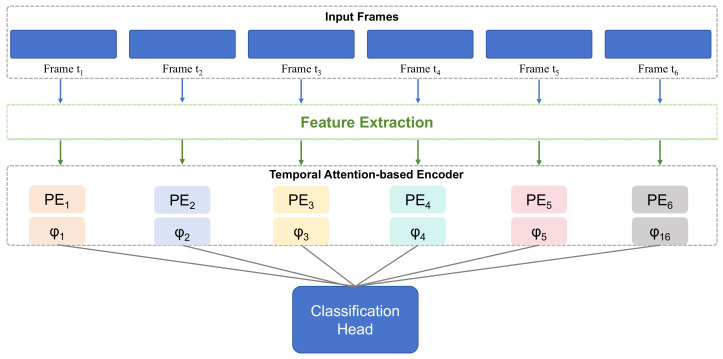 Figure 1
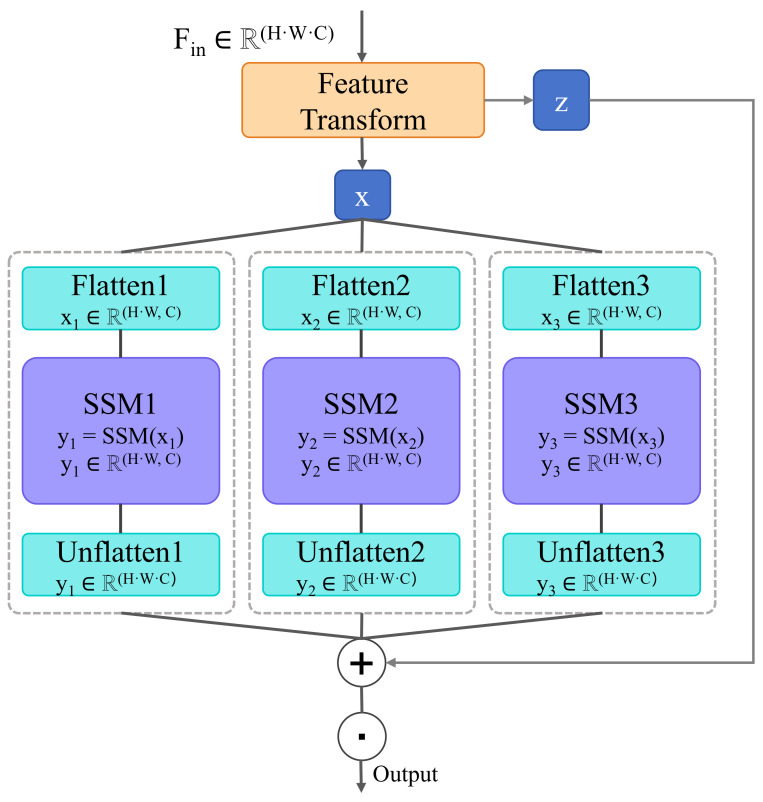 Figure 2
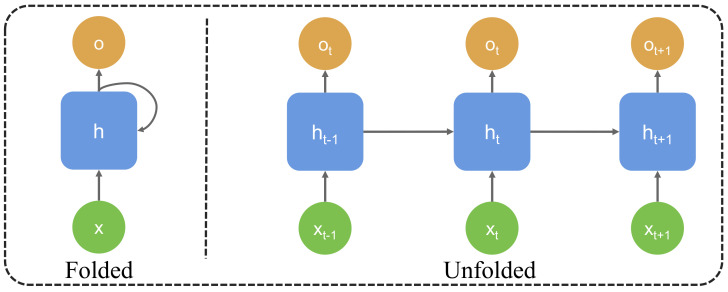 Figure 3
Peer Reviews
No public reviews on file for this paper yet. If you reviewed it on a platform where reviews are public (OpenReview, ICLR, NeurIPS, ICML), you can paste yours below so the community can read it here.
Videos
No videos yet. Explain this paper in a talk, walkthrough, or lecture? Add one.
Taxonomy
TopicsOnline Learning and Analytics