Chinese Named Entity Recognition for Dairy Cow Diseases by Fusion of Multi-Semantic Features Using Self-Attention-Based Deep Learning
Yongjun Lou, Meng Gao, Shuo Zhang, Hongjun Yang, Sicong Wang, Yongqiang He, Jing Yang, Wenxia Yang, Haitao Du, Weizheng Shen

TL;DR
This paper introduces a deep learning model for recognizing disease-related entities in Chinese dairy cow texts, improving accuracy for building knowledge graphs in the cattle industry.
Contribution
A novel self-attention-based deep learning model for Chinese NER in dairy cow disease texts using multi-semantic features.
Findings
The proposed model achieved an F1 score of 92.18% on the dairy cow disease corpus.
Multi-level features (character, pinyin, glyph, lexical) improved entity recognition performance.
The model outperformed existing baselines for Chinese dairy cow disease named entity recognition.
Abstract
Building a high-quality knowledge graph of dairy cow diseases is one of the main concerns in the cattle breeding industry; it can serve as a reliable foundation for subsequent applications, including answering disease-related questions and auxiliary diagnosis systems, which can significantly lower the barrier for farmers and dairy farms to access professional knowledge. The named entity recognition (NER) task is crucial for constructing a knowledge graph and aims to extract key information such as disease names and symptoms from textual data, where the disease name and symptom information are referred to as entities. According to the characteristics of Chinese dairy cow disease texts, this study explored a named entity recognition method based on multi-semantic features. The results show that the proposed model achieved good recognition performance. Our work provides a foundation for…
Genes, proteins, chemicals, diseases, species, mutations and cell lines named across the full text — each resolved to its canonical identifier and authoritative record.
Click any figure to enlarge with its caption.
 Figure 1
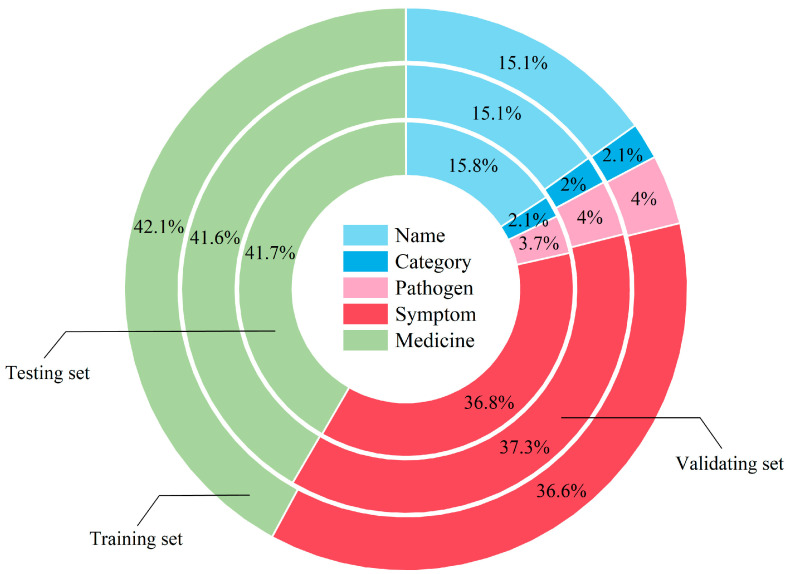 Figure 2
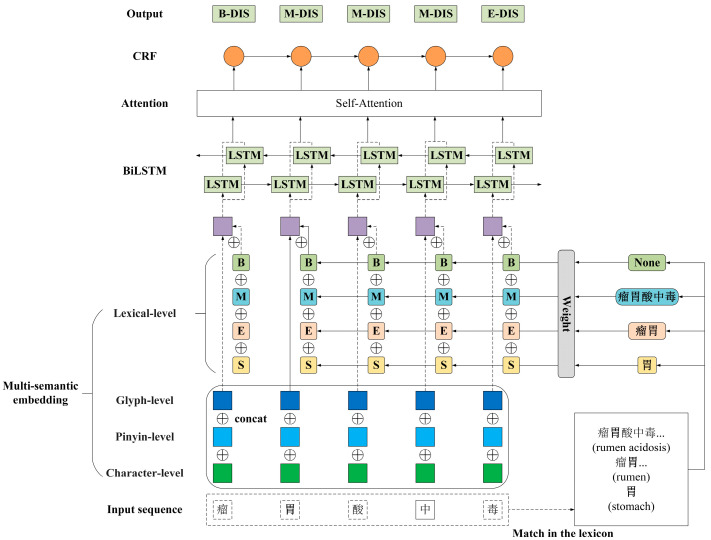 Figure 3
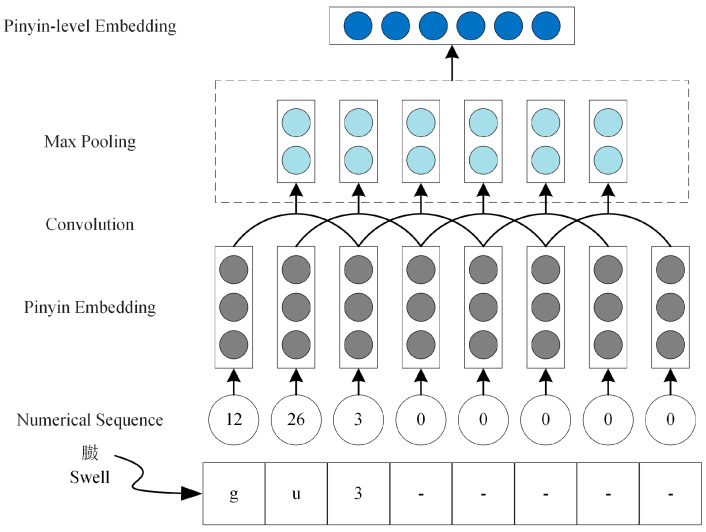 Figure 4
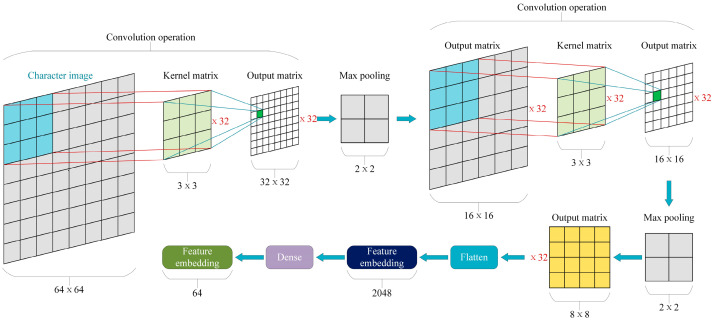 Figure 5
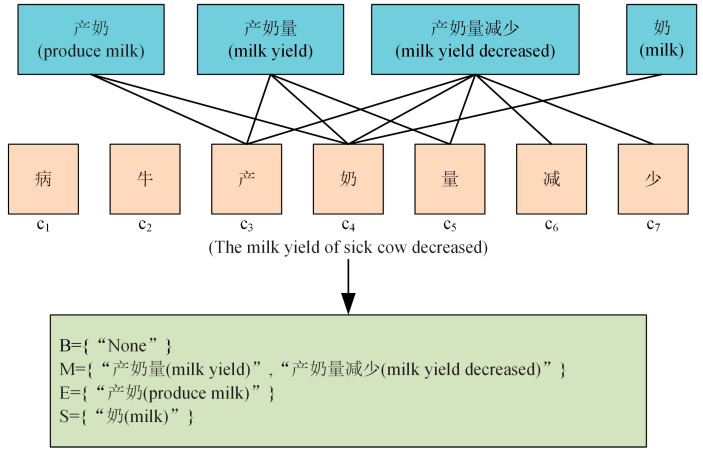 Figure 6
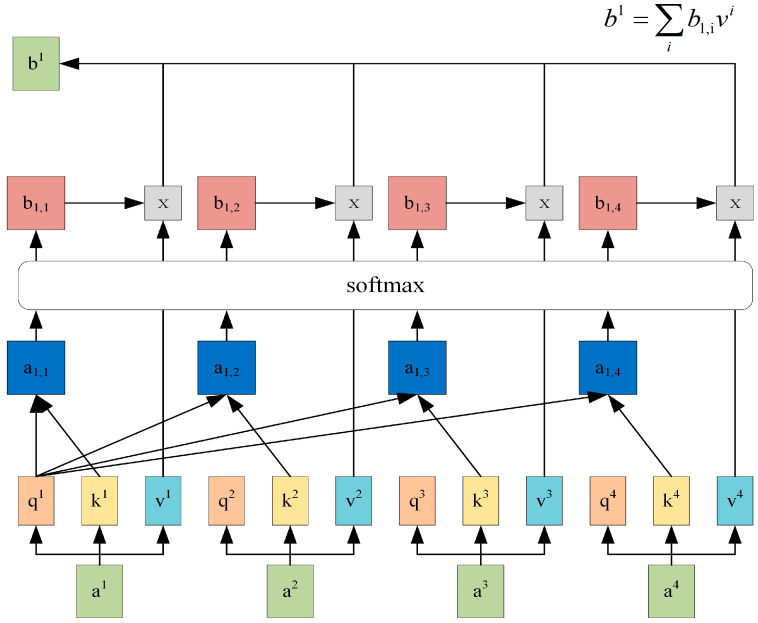 Figure 7
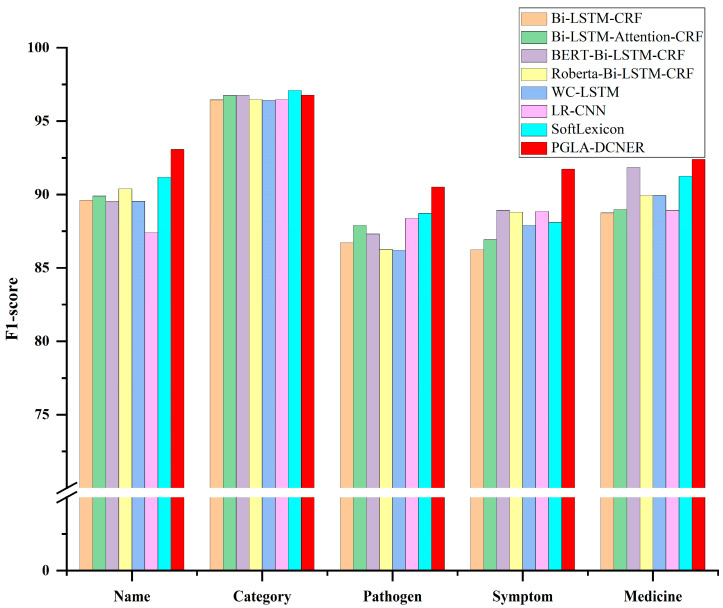 Figure 8
Peer Reviews
No public reviews on file for this paper yet. If you reviewed it on a platform where reviews are public (OpenReview, ICLR, NeurIPS, ICML), you can paste yours below so the community can read it here.
Videos
No videos yet. Explain this paper in a talk, walkthrough, or lecture? Add one.
Taxonomy
TopicsTopic Modeling · Natural Language Processing Techniques · Text and Document Classification Technologies