Dynamic Surface Topography for Thoracic and Lumbar Pain Patients—Applicability and First Results
Johanna Kniepert, Henriette Rönsch, Ulrich Betz, Jürgen Konradi, Janine Huthwelker, Claudia Wolf, Ruben Westphal, Philipp Drees

TL;DR
This study explores the use of Dynamic Surface Topography to analyze spine movement in back pain patients during walking, finding it feasible and potentially useful for individualized therapy.
Contribution
The paper introduces Dynamic Surface Topography as a novel, radiation-free method for analyzing spine movement in thoracic and lumbar pain patients during dynamic conditions.
Findings
Back pain patients showed greater total segmental rotation compared to healthy individuals at walking speeds of 2–4 km/h.
Patients with higher pain levels exhibited more movement at a speed of 3 km/h compared to the healthy group.
DST is feasible for back pain patients who can walk confidently on a treadmill, offering potential therapeutic insights.
Abstract
Current routine diagnostic procedures for back pain mainly focus on static spinal analyses. Dynamic Surface Topography (DST) is an easy-to-use, radiation-free addition, allowing spine analyses under dynamic conditions. Until now, it is unclear if this method is applicable to back pain patients, and data reports are missing. Within a prospective observational study, 32 patients suffering from thoracic and lumbar back pain were examined while walking, randomized at four speeds (2, 3, 4, 5 km/h), using a DST measuring device (DIERS 4Dmotion® Lab). The measurement results were compared with those of a healthy reference group. We calculated the intrasegmental rotation for every subject and summed up the spinal motion in a standardized gait cycle. The Mann–Whitney U Test was used to compare the painful and healthy reference groups at the four different speeds. In a subgroup analysis, the…
Genes, proteins, chemicals, diseases, species, mutations and cell lines named across the full text — each resolved to its canonical identifier and authoritative record.
Click any figure to enlarge with its caption.
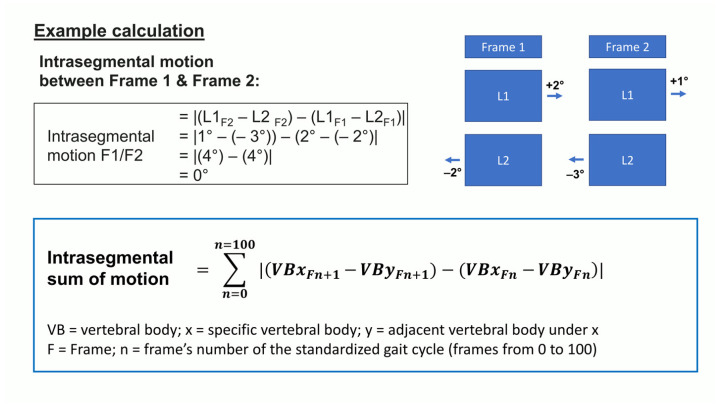 Figure 1
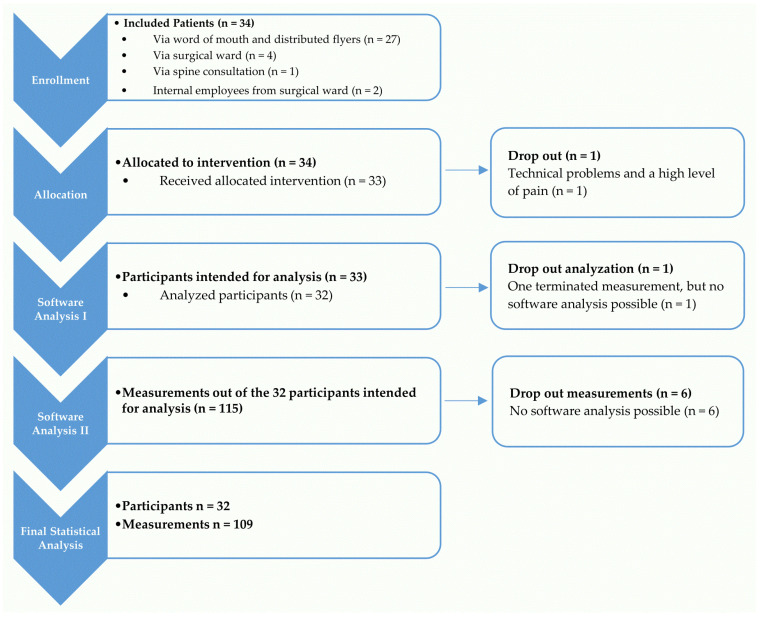 Figure 2
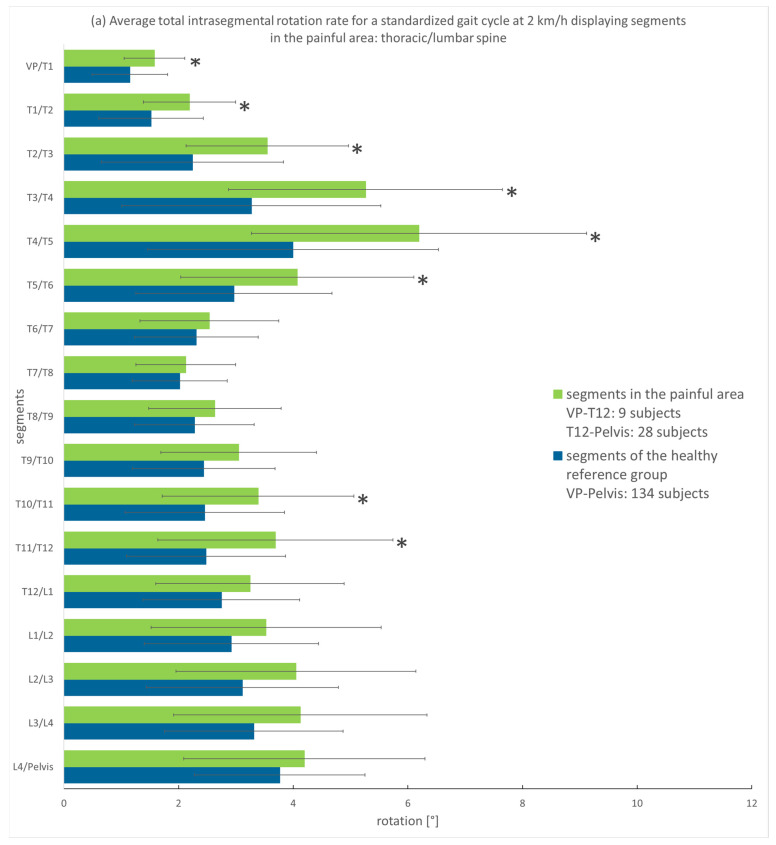 Figure 3
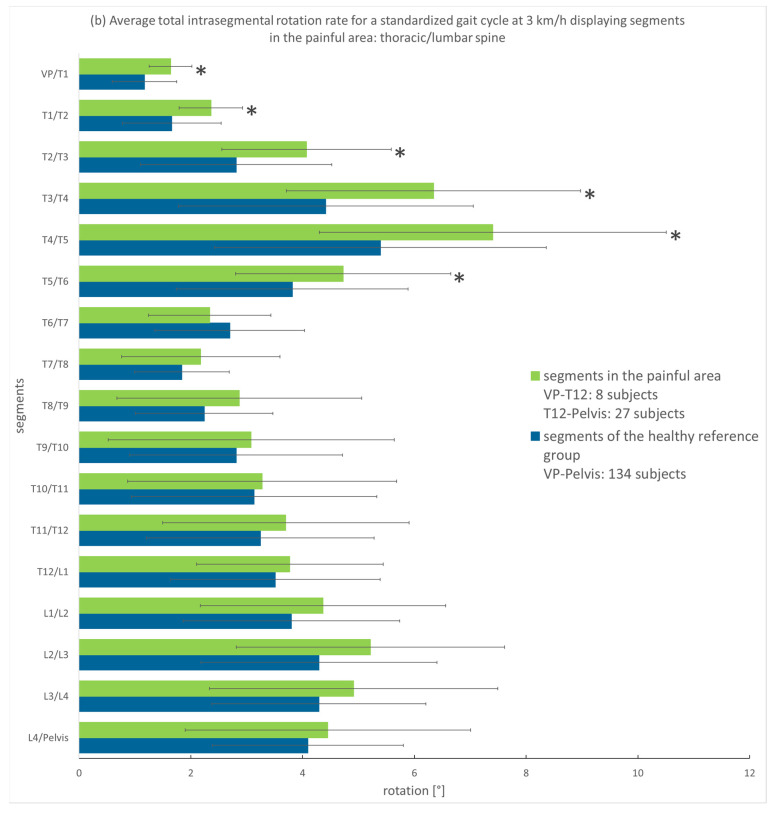 Figure 4
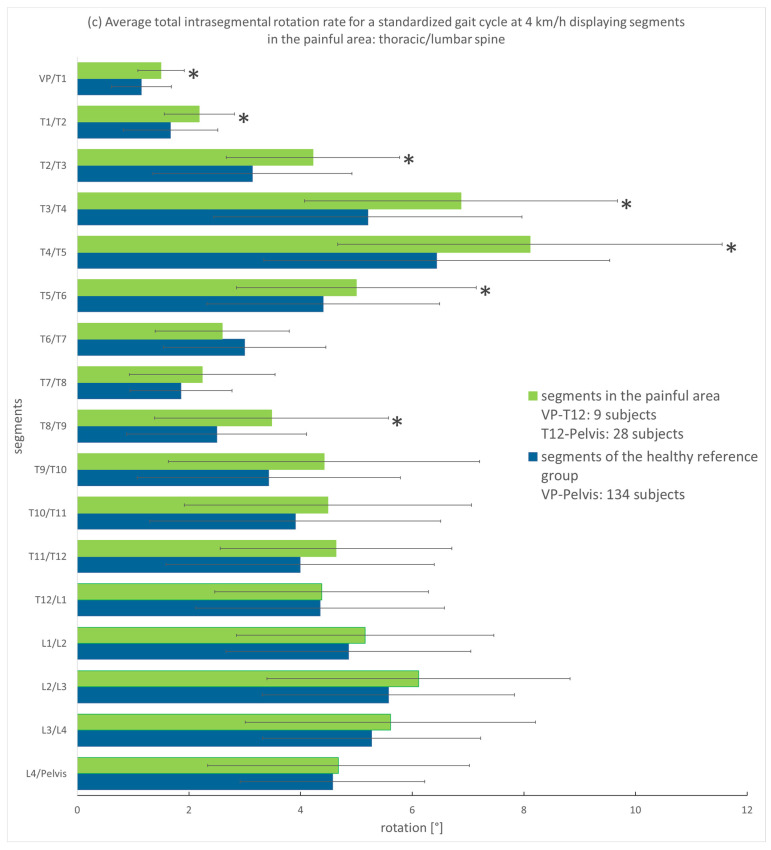 Figure 5
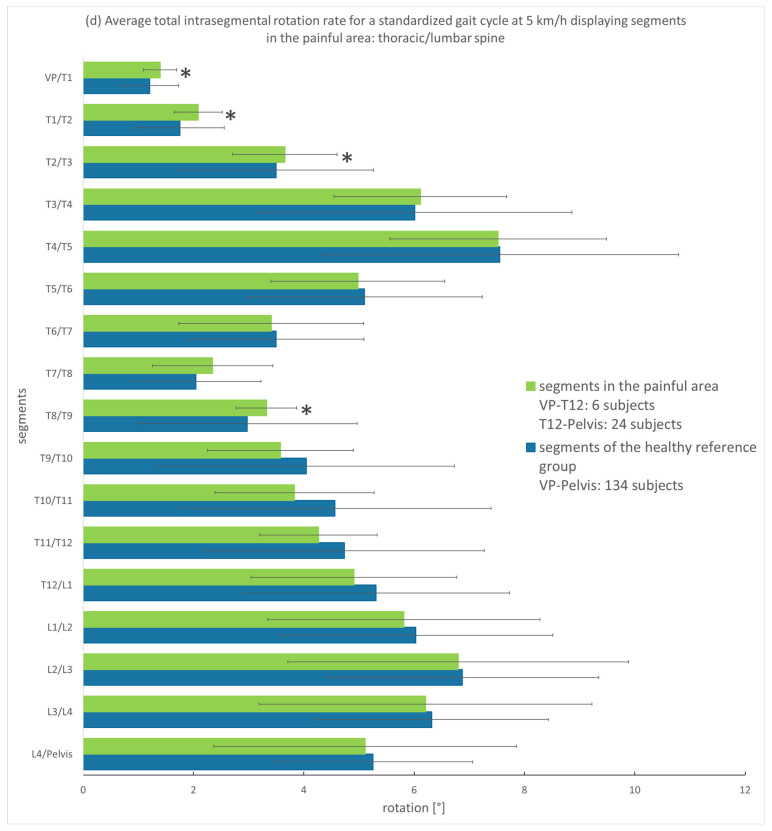 Figure 6
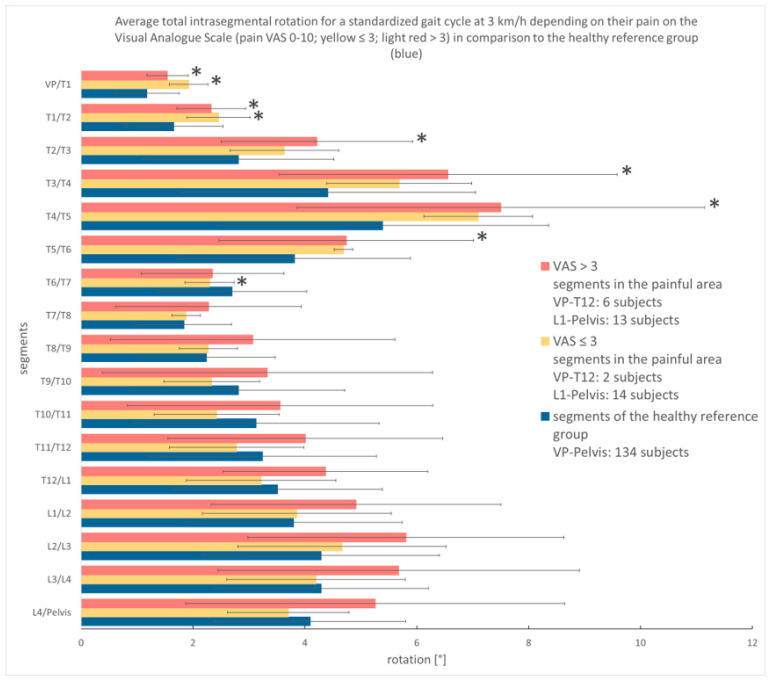 Figure 7
Peer Reviews
No public reviews on file for this paper yet. If you reviewed it on a platform where reviews are public (OpenReview, ICLR, NeurIPS, ICML), you can paste yours below so the community can read it here.
Videos
No videos yet. Explain this paper in a talk, walkthrough, or lecture? Add one.
Taxonomy
TopicsMusculoskeletal pain and rehabilitation · Spine and Intervertebral Disc Pathology · Myofascial pain diagnosis and treatment