Growth-Associated Protein-43 Loss Promotes Ca2+ and ROS Imbalance in Cardiomyocytes
Michele Bevere, Caterina Morabito, Delia Verucci, Noemi Di Sinno, Maria A. Mariggiò, Simone Guarnieri

TL;DR
This study shows that the loss of a protein called GAP-43 in heart cells disrupts calcium and reactive oxygen species balance, leading to heart disease risks.
Contribution
The novel contribution is identifying GAP-43's role in regulating Ca2+ and ROS homeostasis in cardiomyocytes, linking its loss to cardiac dysfunction.
Findings
GAP-43−/− cardiomyocytes show increased Ca2+ release and ROS levels.
Treatment with CaM inhibitor W7 or Ru360 reduces ROS and Ca2+ imbalances.
Loss of GAP-43 correlates with cardiac hypertrophy and oxidized proteins.
Abstract
Growth-Associated Protein-43 (GAP-43) is a calmodulin-binding protein, originally found in neurons, that in skeletal muscle regulates the handling of intracellular Ca2+ dynamics. According to its role in Ca2+ regulation, myotubes from GAP-43 knockout (GAP-43−/−) mice display alterations in spontaneous Ca2+ oscillations and increased Ca2+ release. The emerging hypothesis is that GAP-43 regulates CaM interactions with RyR and DHPR Ca2+ channels. The loss of GAP-43 promotes cardiac hypertrophy in newborn GAP-43−/− mice, extending the physiological role of GAP-43 in cardiac muscle. We investigated the role of GAP-43 in cardiomyocytes derived from the hearts of GAP-43−/− mice, evaluating intracellular Ca2+ variations and the correlation with the levels of reactive oxygen species (ROS), considering their importance in cardiovascular physiology. In GAP-43−/− cardiomyocytes, we found the…
Genes, proteins, chemicals, diseases, species, mutations and cell lines named across the full text — each resolved to its canonical identifier and authoritative record.
Click any figure to enlarge with its caption.
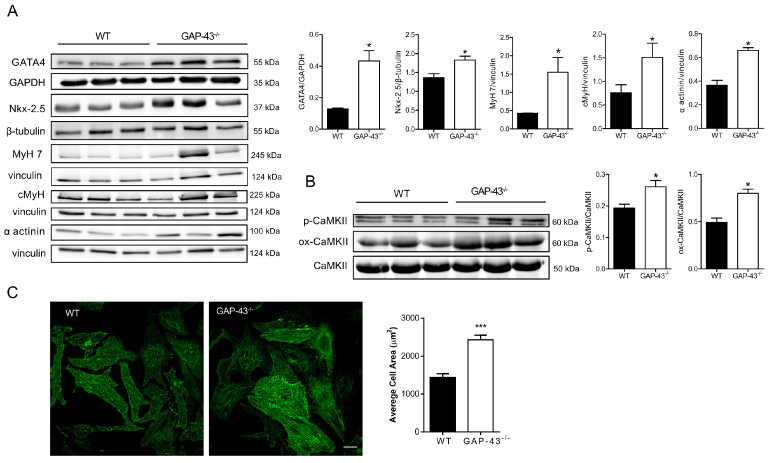 Figure 1
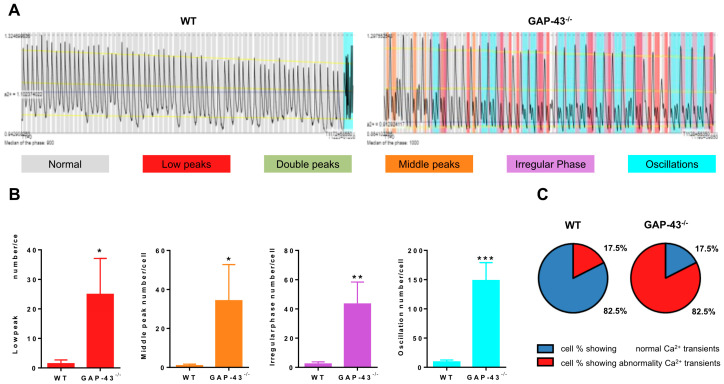 Figure 2
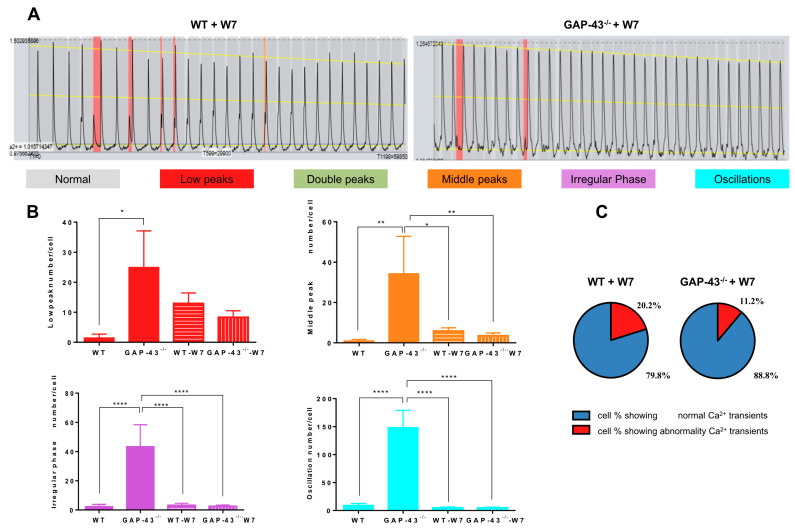 Figure 3
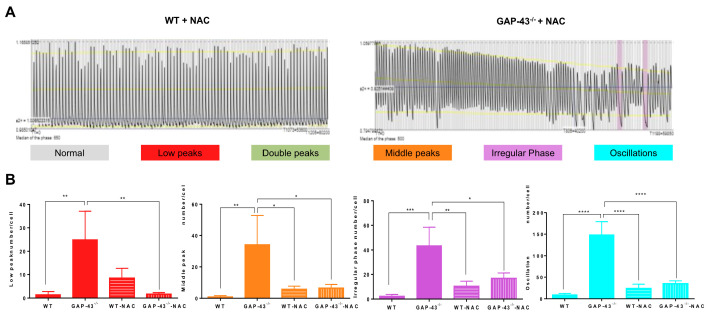 Figure 4
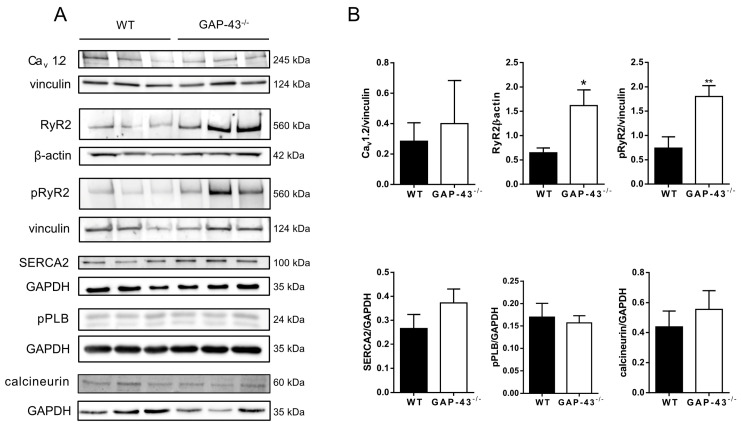 Figure 5
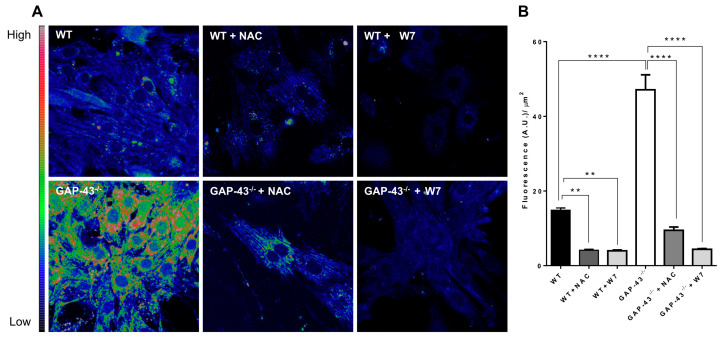 Figure 6
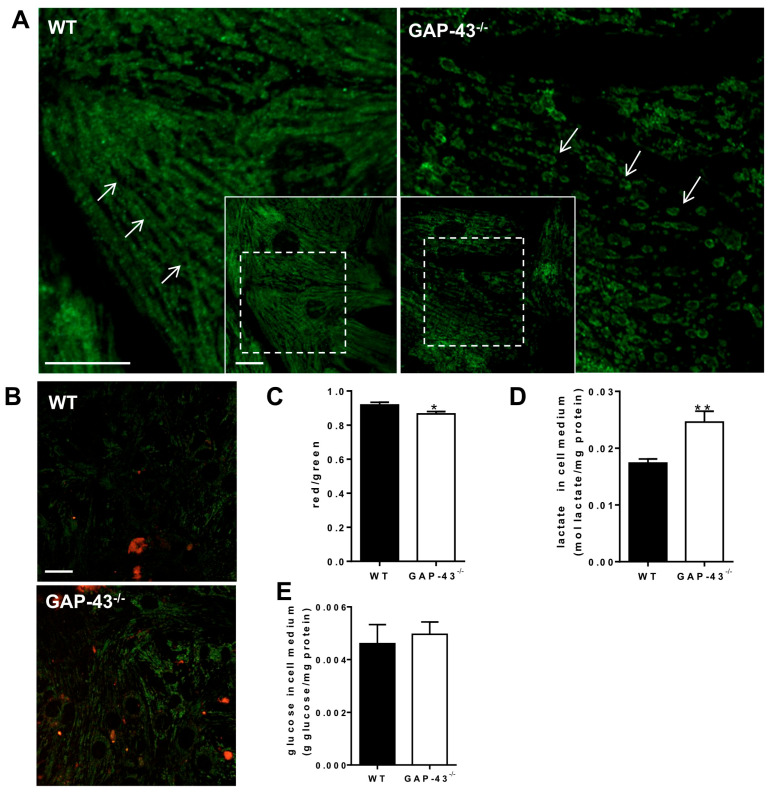 Figure 7
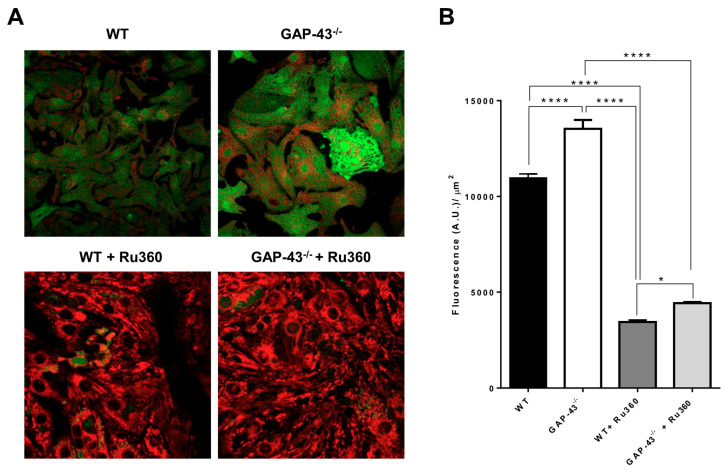 Figure 8
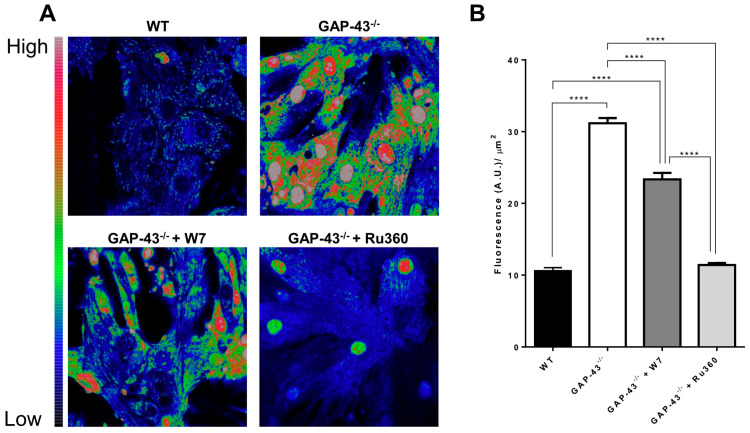 Figure 9
Peer Reviews
No public reviews on file for this paper yet. If you reviewed it on a platform where reviews are public (OpenReview, ICLR, NeurIPS, ICML), you can paste yours below so the community can read it here.
Videos
No videos yet. Explain this paper in a talk, walkthrough, or lecture? Add one.
Taxonomy
TopicsCardiomyopathy and Myosin Studies · Cardiac electrophysiology and arrhythmias · Mitochondrial Function and Pathology