A Cross-Language Study of Tonal Variants in Mandarin in Different Attentional Conditions
Xin Chen, Jianqin Wang, Ji Lu

TL;DR
This study explores how Mandarin speakers and non-native learners perceive the third tone under different attention levels, revealing differences in their reliance on pitch cues.
Contribution
The study introduces a cross-language comparison of Mandarin tone perception under varying attentional conditions.
Findings
Native Mandarin speakers show no significant differences in perceiving T3 variants under different attentional conditions.
Non-tonal language learners rely more on low-pitch cues than the concave contour when perceiving T3 in attentive conditions.
Abstract
This study used an electrophysiological technique to investigate the perception mechanism of Mandarin native speakers and learners from non-tonal language backgrounds when processing the third tone (T3) and its variants in Mandarin. The experiments used a 2 × 2 two-factor mixed design to examine the perception of T3 and its variants and the processing mechanisms of learners and native speakers under different levels of attention. Differences in attention and language backgrounds in the perception of Mandarin tones were further investigated. These results provide evidence that there are no significant differences in the perception of the two T3 variants by native Mandarin speakers under different attentional conditions. In contrast, learners from non-tonal language backgrounds were more likely to perceive a low flat tone as T3 than a low concave tone in the attentive condition. This…
Genes, proteins, chemicals, diseases, species, mutations and cell lines named across the full text — each resolved to its canonical identifier and authoritative record.
Click any figure to enlarge with its caption.
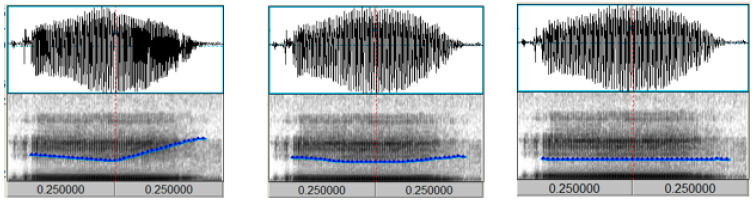 Figure 1
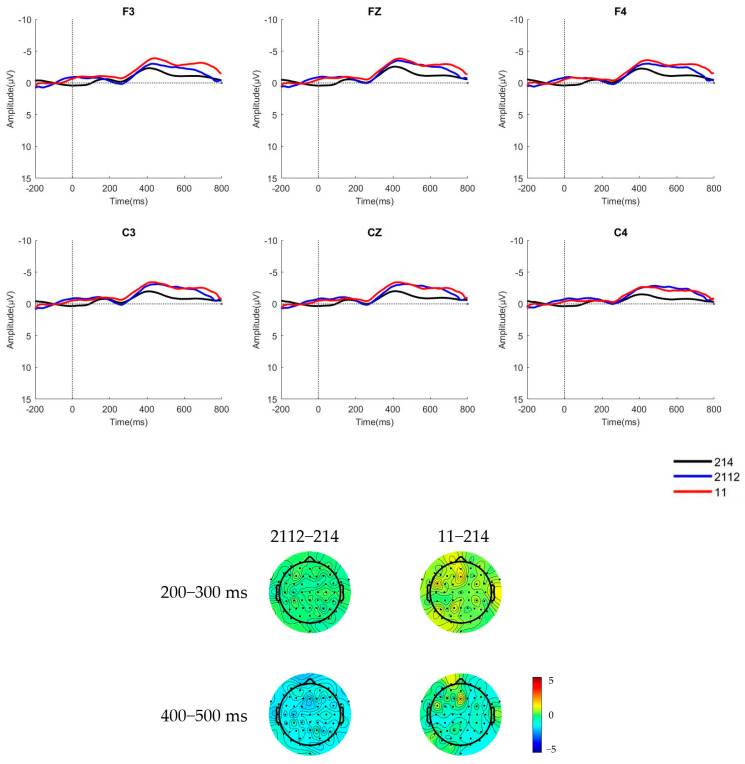 Figure 2
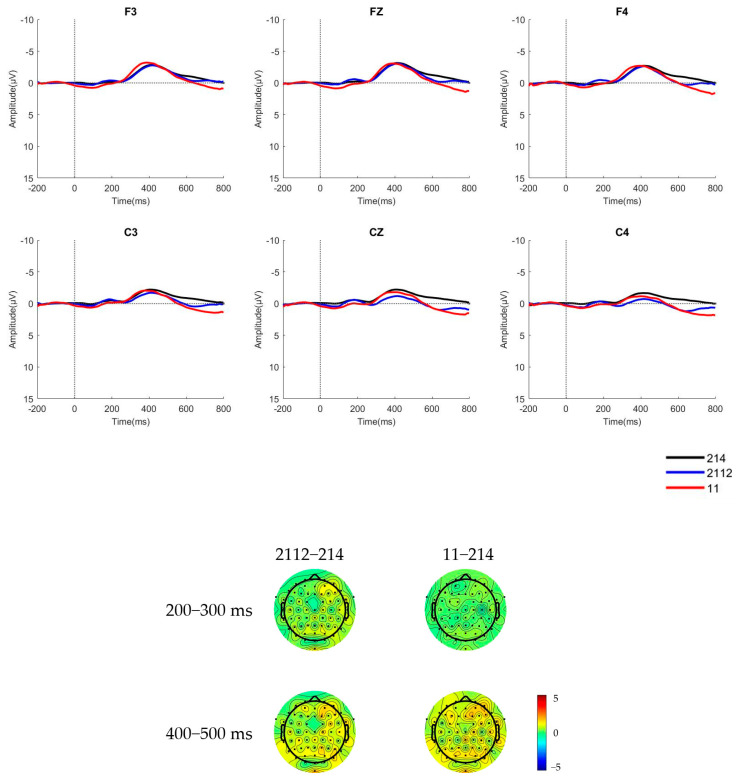 Figure 3
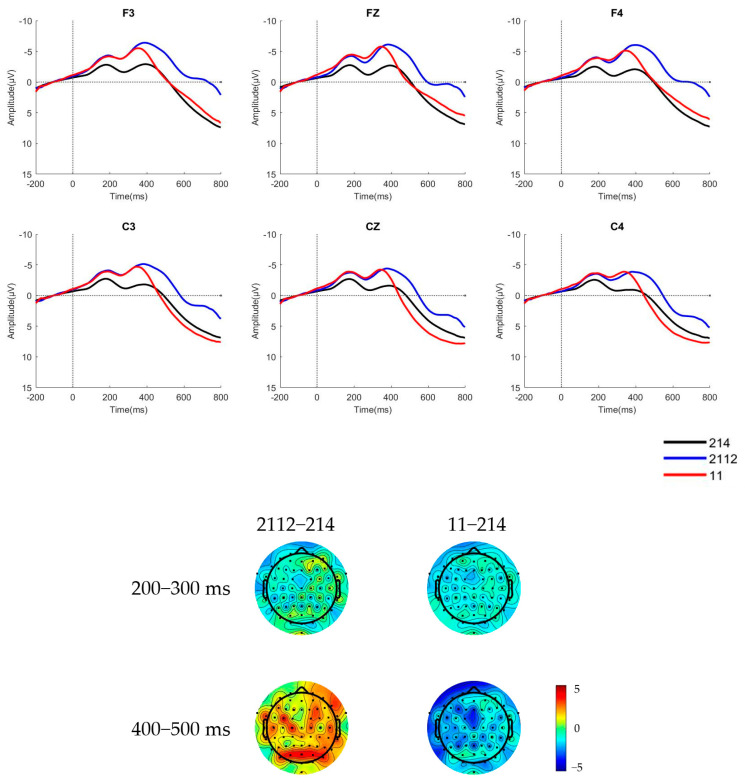 Figure 4
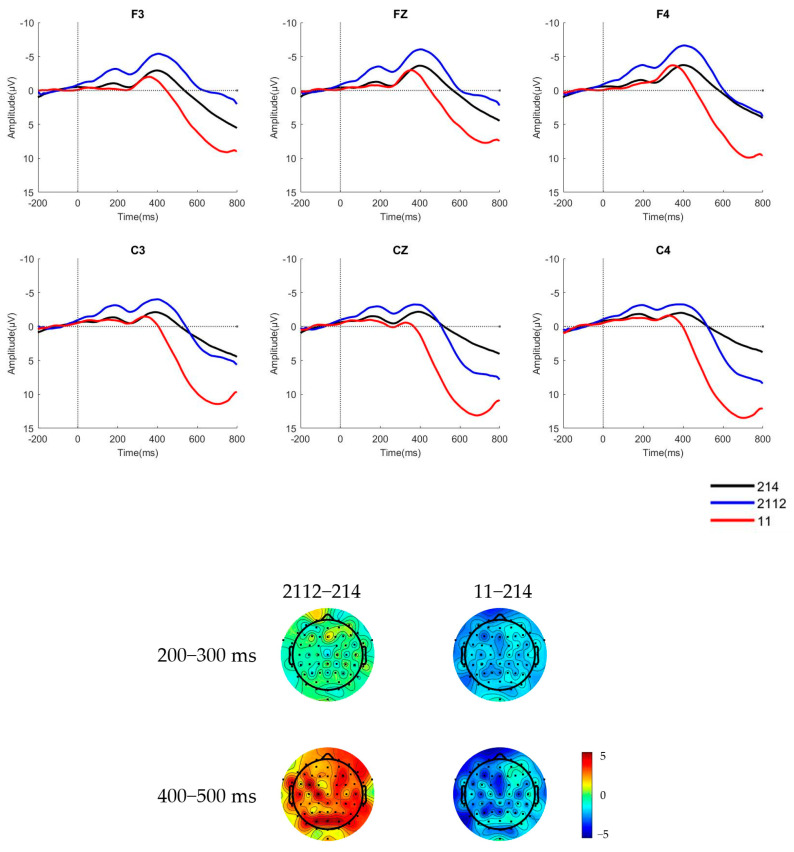 Figure 5
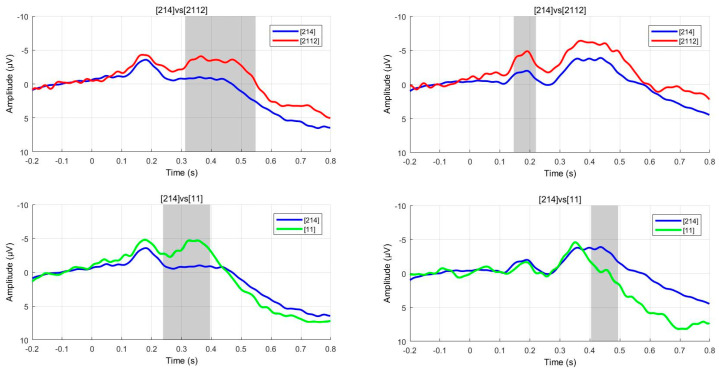 Figure 6
Peer Reviews
No public reviews on file for this paper yet. If you reviewed it on a platform where reviews are public (OpenReview, ICLR, NeurIPS, ICML), you can paste yours below so the community can read it here.
Videos
No videos yet. Explain this paper in a talk, walkthrough, or lecture? Add one.
Taxonomy
TopicsNeuroscience and Music Perception · Multisensory perception and integration · Blind Source Separation Techniques