Predictors for long-term outcome of pulmonary valve perforation and balloon valvuloplasty in neonates with critical pulmonary valve stenosis or pulmonary valve atresia with intact ventricular septum
Tariq Abu-Tair, Ines Willershausen, Melanie Friedmann, Kai Rubarth, Annika Weigelt, Claudia Martin, Sven Dittrich, Christoph Kampmann

TL;DR
This study examines long-term outcomes of balloon valvuloplasty in neonates with severe heart valve issues, identifying factors that predict the need for future surgery or valve replacement.
Contribution
The study identifies specific morphological and hemodynamic predictors of long-term outcomes after balloon valvuloplasty in neonates with critical pulmonary valve stenosis or atresia.
Findings
A small pulmonary valve diameter Z-score increases the risk of needing surgical intervention or valve replacement.
A reduced number of cusps and persisting stenosis are significant predictors of reduced freedom from surgery.
Pulmonary valve perforation and balloon valvuloplasty generally result in favorable long-term outcomes in these neonates.
Abstract
Percutaneous balloon valvuloplasty is the treatment of choice for critical pulmonary valve stenosis (CPS) and pulmonary valve atresia with intact ventricular septum (PA/IVS) if the ventricle has a suitable size. This study aimed to evaluate the long-term outcomes and predictors for surgical intervention and pulmonary valve replacement in patients with CPS or with PA/IVS after PBV, considering different morphological and hemodynamic parameters. Neonates with PA/IVS or CPS who were admitted to the University Medicine Mainz and University Hospital Erlangen between November 1994 and March 2013 and underwent successful PBV as an initial procedure, with a follow-up of at least 5 years (median 13.1 years), were included. The Z-scores of pulmonary valve diameter, balloon/annulus ratio, number of cusps, and persisting stenosis were analyzed. The endpoint was the need for surgical procedures or…
Genes, proteins, chemicals, diseases, species, mutations and cell lines named across the full text — each resolved to its canonical identifier and authoritative record.
Click any figure to enlarge with its caption.
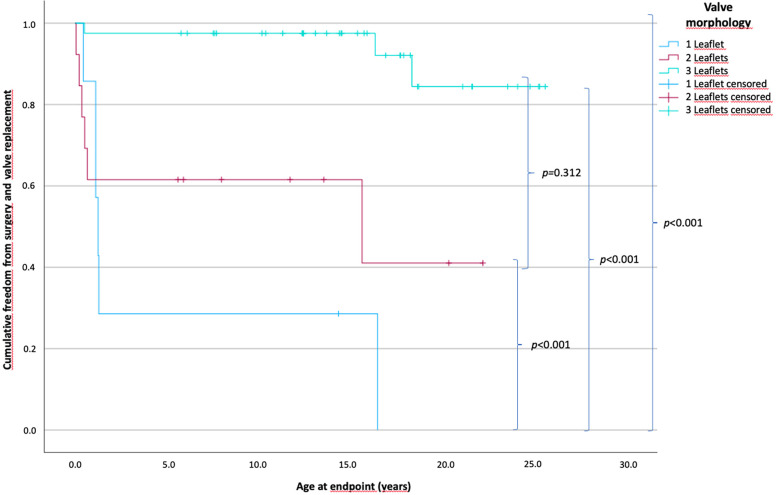 Figure 1
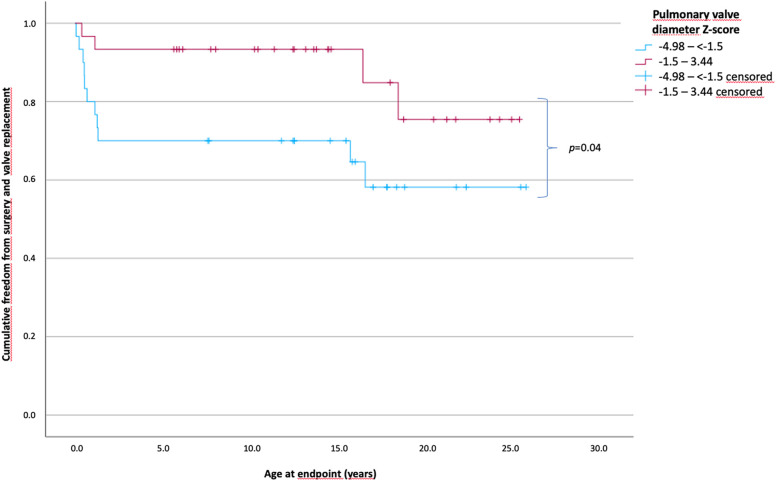 Figure 2
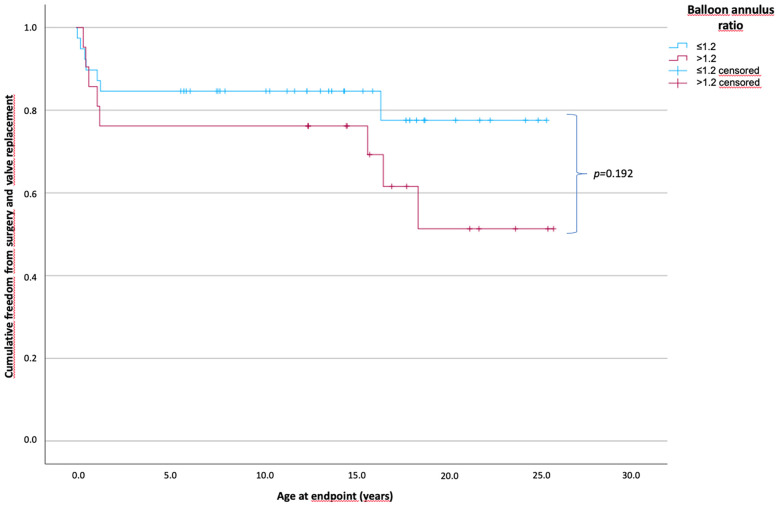 Figure 3
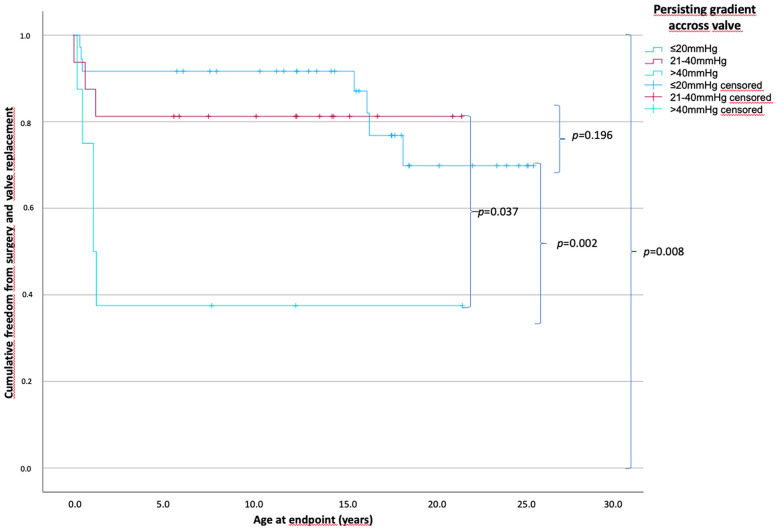 Figure 4
Peer Reviews
No public reviews on file for this paper yet. If you reviewed it on a platform where reviews are public (OpenReview, ICLR, NeurIPS, ICML), you can paste yours below so the community can read it here.
Videos
No videos yet. Explain this paper in a talk, walkthrough, or lecture? Add one.
Taxonomy
TopicsCongenital Heart Disease Studies · Mechanical Circulatory Support Devices · Congenital Diaphragmatic Hernia Studies