Assessing the role of mega cisterna magna in criminal responsibility: implications for neurocognitive disorders in forensic evaluations
Gamze Onar, Sena Inal Azizoglu, Ece Büyükakça, Fatih Oncu

TL;DR
This study examines how neurocognitive disorders like mega cisterna magna affect criminal responsibility and highlights the need for better diagnosis and treatment in forensic settings.
Contribution
The paper introduces case studies linking mega cisterna magna to criminal behavior and advocates for improved forensic neurocognitive assessments.
Findings
Mega cisterna magna and other neurocognitive disorders are underdiagnosed in forensic populations.
Cognitive impairments can significantly influence criminal behavior and legal responsibility assessments.
Comprehensive neurocognitive evaluations are needed to improve forensic legal and clinical outcomes.
Abstract
This article explores the intersection of neurocognitive disorders and criminal behavior, highlighting the significant role of conditions such as traumatic brain injury (TBI), substance misuse, and neurodegenerative diseases in cognitive decline and associated criminal activities. We present three case studies of patients with mega cisterna magna diagnosed through imaging, discussing their legal proceedings and the impact of their cognitive impairments on criminal responsibility. The study underscores the prevalence of neurocognitive disorders among incarcerated and psychiatrically assessed individuals, suggesting these conditions are often underdiagnosed in forensic settings. Our findings indicate a critical need for comprehensive neurocognitive assessments to better understand and manage the influence of neurological disorders on behavior and legal responsibility. The cases…
Genes, proteins, chemicals, diseases, species, mutations and cell lines named across the full text — each resolved to its canonical identifier and authoritative record.
Click any figure to enlarge with its caption.
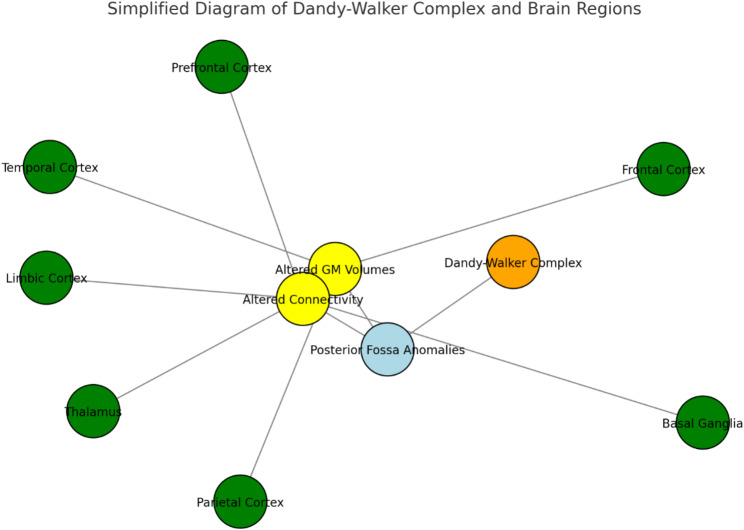 Figure 1
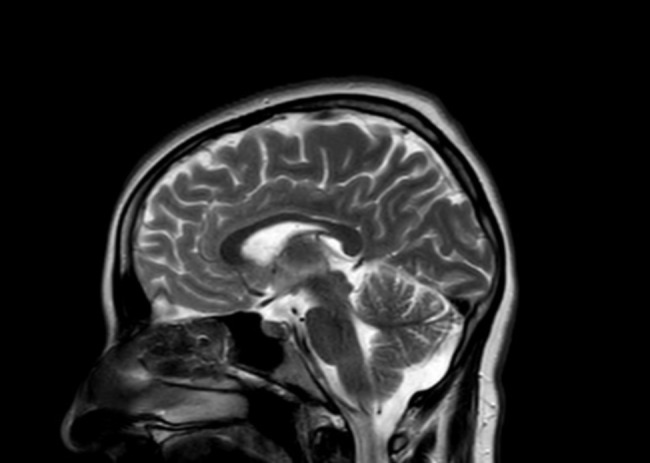 Figure 2
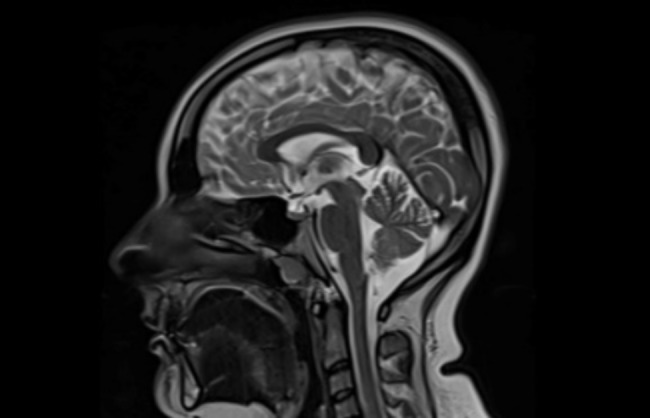 Figure 3
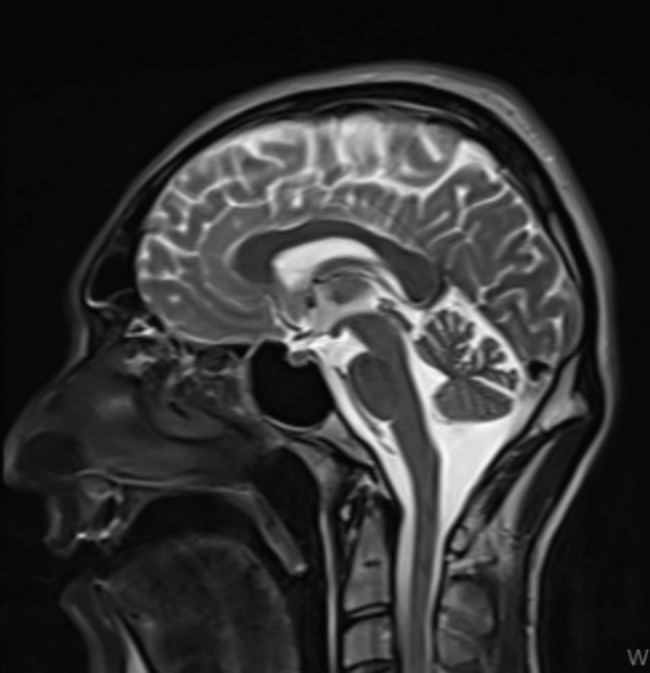 Figure 4
Peer Reviews
No public reviews on file for this paper yet. If you reviewed it on a platform where reviews are public (OpenReview, ICLR, NeurIPS, ICML), you can paste yours below so the community can read it here.
Videos
No videos yet. Explain this paper in a talk, walkthrough, or lecture? Add one.
Taxonomy
TopicsTraumatic Brain Injury Research · Psychosomatic Disorders and Their Treatments · Cognitive Functions and Memory