Management of divergent stances as a resource to maintain progressivity and social relationships
Aija Logren, Sakari Ilomäki, Johanna Ruusuvuori

TL;DR
This paper explores how people manage different types of stances during conversations to maintain relationships and progress in tasks.
Contribution
The study introduces the dynamic management of epistemic, deontic, and affective stances in social interactions.
Findings
Divergent stances can be used to overcome disalignment and achieve task progress.
Participants use multimodal communication to manage multiple stance axes simultaneously.
Stance management supports both social relationships and task continuity in institutional settings.
Abstract
Previous studies have shown the intersubjective and negotiable nature of stance: interlocutors orient to alignment and adjust their stances to achieve closer alignment. In this article, we study the interplay of three axes of stance—epistemic, deontic and affective stance—and the role their management may have in socially relevant tasks. We describe how the three axes can be simultaneously relevant, taken into account, and dynamically shifted by the participants in a specific sequence of action. The three axes are not always equally aligned or disaligned, but instead divergent: some are aligned at the same time when others are disaligned. Through a case study with two data excerpts, we show how the divergence is an interlocutors’ resource to overcome the disalignment of some of the stances, and to eventually achieve sufficient alignment in order to proceed their activity. Our data are…
Genes, proteins, chemicals, diseases, species, mutations and cell lines named across the full text — each resolved to its canonical identifier and authoritative record.
Click any figure to enlarge with its caption.
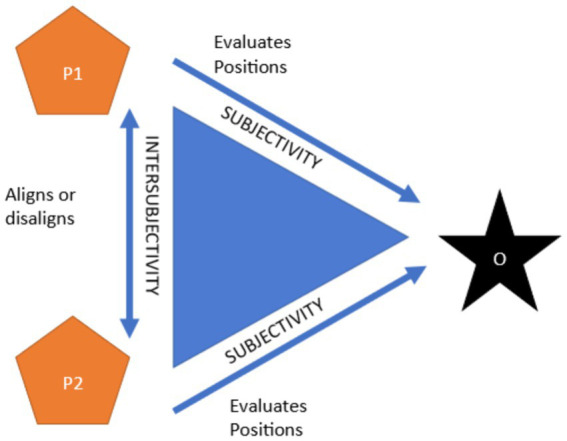 Figure 1
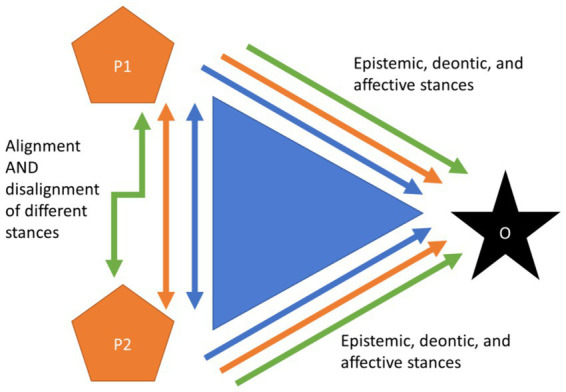 Figure 2
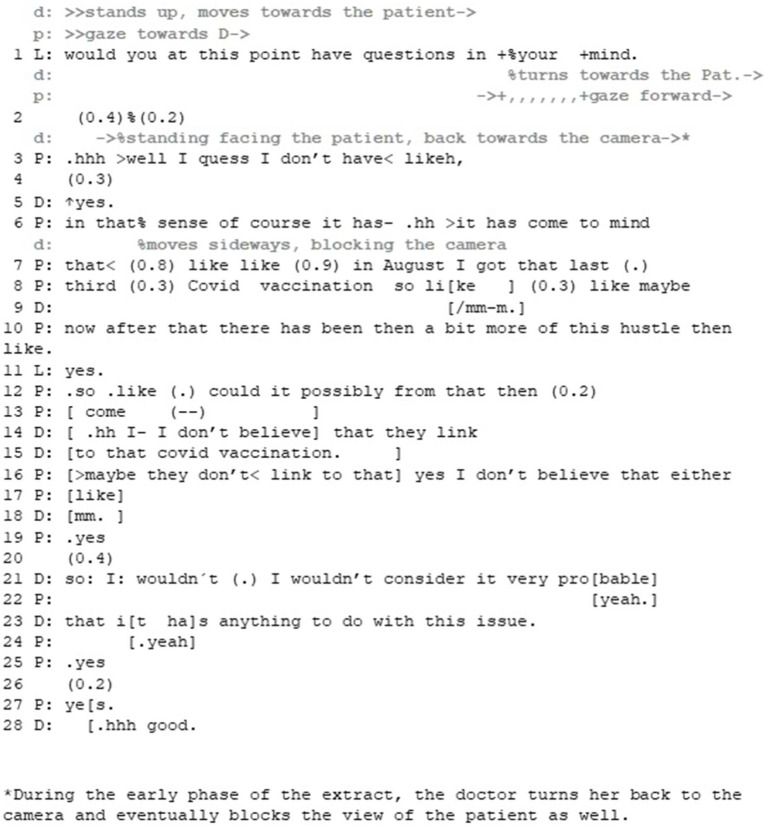 Figure 3
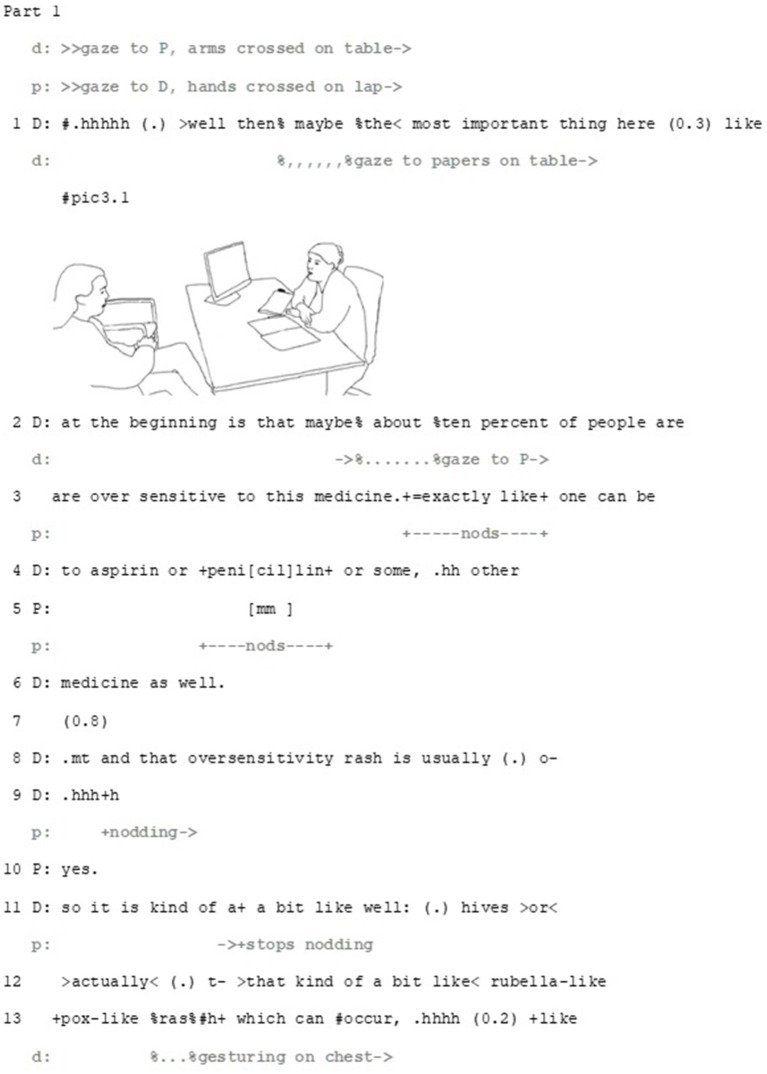 Figure 4
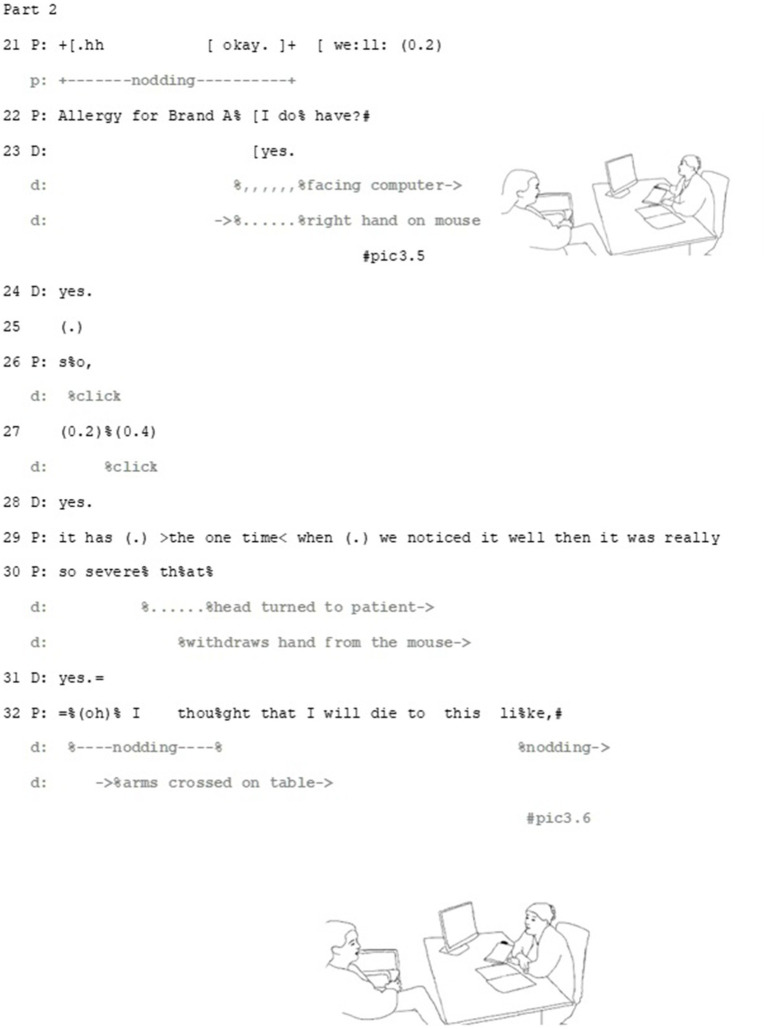 Figure 5
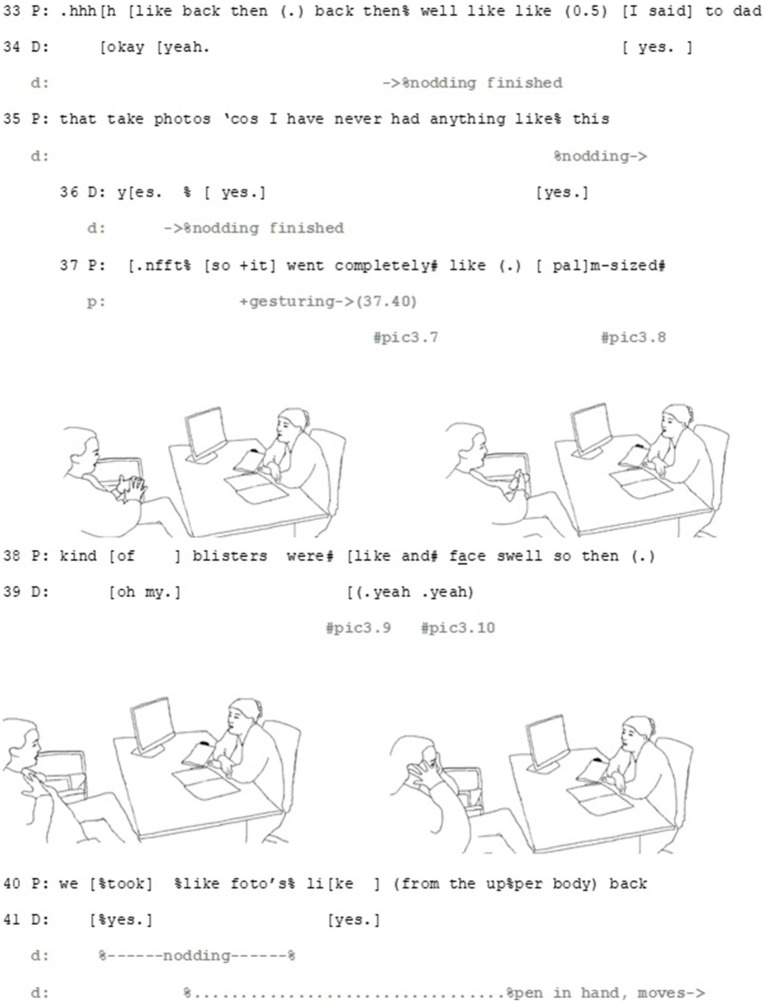 Figure 6
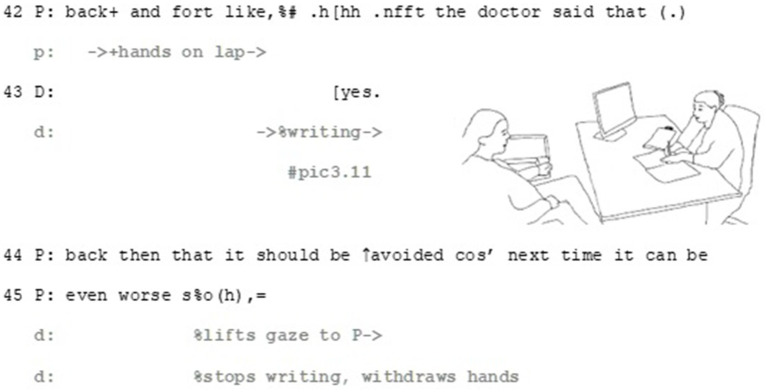 Figure 7
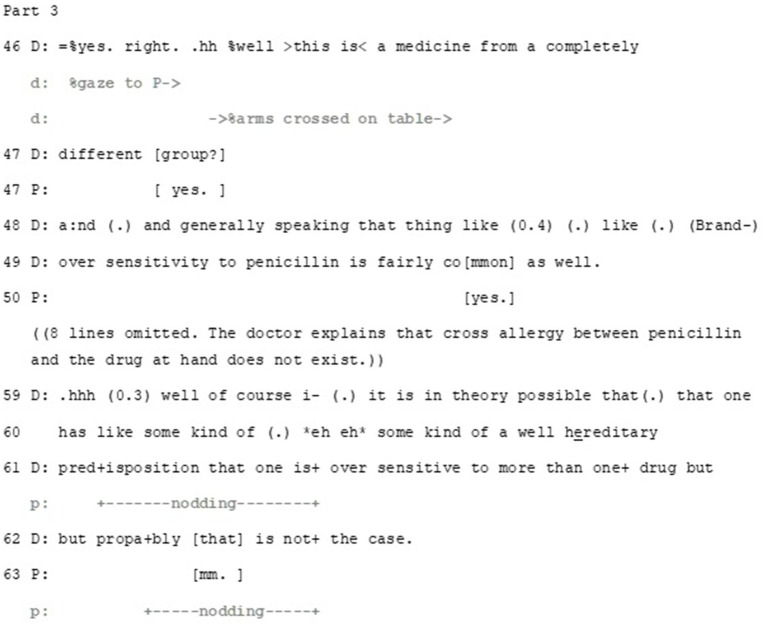 Figure 8
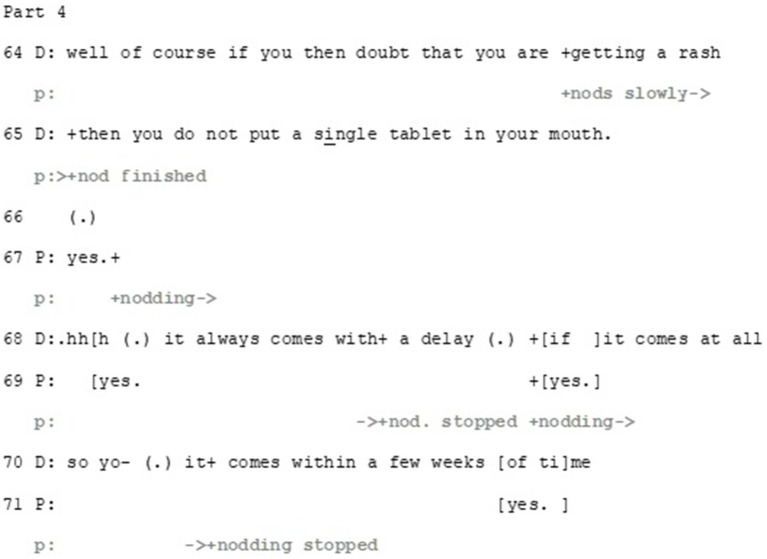 Figure 9
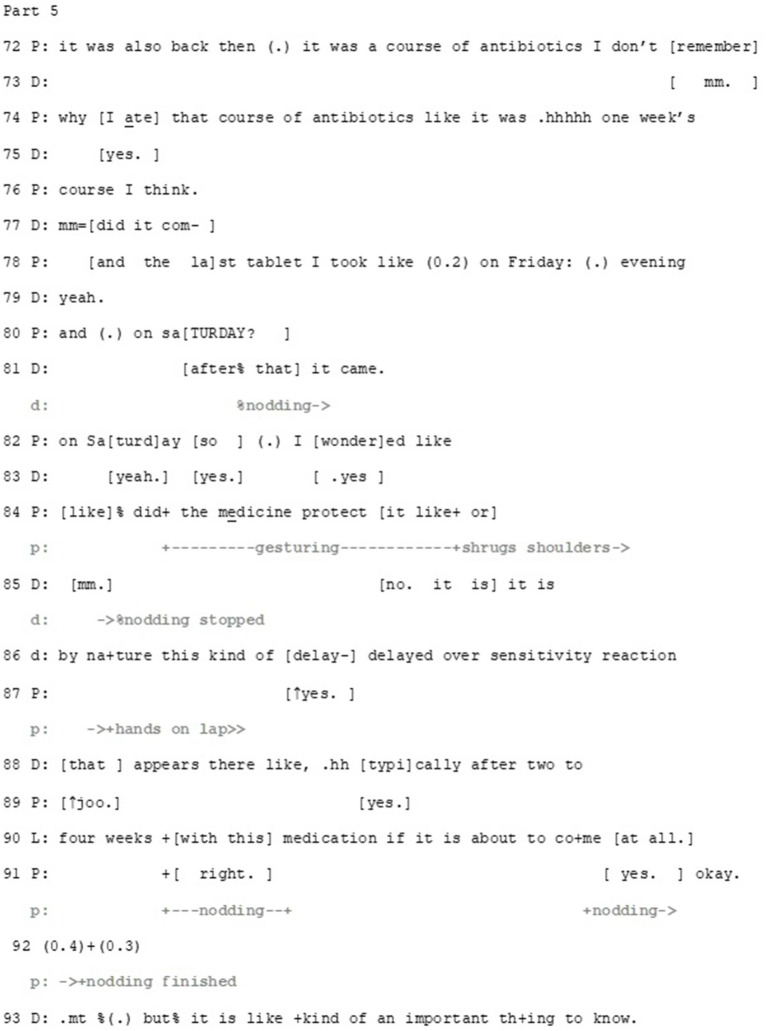 Figure 10
Peer Reviews
No public reviews on file for this paper yet. If you reviewed it on a platform where reviews are public (OpenReview, ICLR, NeurIPS, ICML), you can paste yours below so the community can read it here.
Videos
No videos yet. Explain this paper in a talk, walkthrough, or lecture? Add one.
Taxonomy
TopicsLanguage, Discourse, Communication Strategies · Language, Metaphor, and Cognition · Neurobiology of Language and Bilingualism