Green Synthesis of Copper Nanoparticles utilising the Maillard Reaction
Lukas Mielewczyk, Virginia Liebscher, Julia Grothe, Stefan Kaskel

TL;DR
This paper introduces an eco-friendly method to create copper nanoparticles using natural compounds and a Maillard reaction, allowing control over nanoparticle size.
Contribution
A novel green synthesis method for copper nanoparticles using the Maillard reaction and natural reagents is introduced.
Findings
Copper nanoparticles were synthesized using arginine and monosaccharides via the Maillard reaction.
Nanoparticle size can be tuned down to 3 nm by adjusting arginine concentration.
The method is nontoxic, uses aqueous solutions, and has quantitative yield.
Abstract
A new approach for the fabrication copper nanoparticles by a wet chemical reduction method is reported. The natural resources arginine as amino compound and several monosaccharides (xylose, ribose, galactose and glucose) react characteristically performing an Amadori rearrangement followed by a Maillard type reaction. This reaction carried out in an aqueous solution ensures an environmentally friendly way of reducing copper(II) ions leading to the formation of the desired nanoparticles. By changing the concentration of the amino acid, simultaneously acting as a complexing agent, it is possible to tune the size of the resulting nano particles to a certain degree down to 3 nm. This nontoxic and facile preparation route with quantitative yield opens a wide field of applications ranging from electronics to medical approaches. This paper presents a green synthesis method for copper…
Genes, proteins, chemicals, diseases, species, mutations and cell lines named across the full text — each resolved to its canonical identifier and authoritative record.
Click any figure to enlarge with its caption.
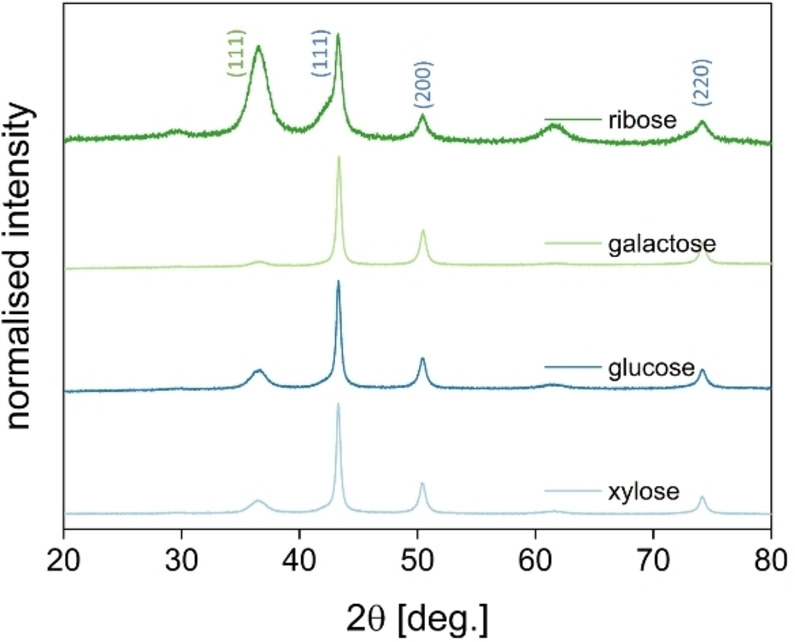 Figure 1
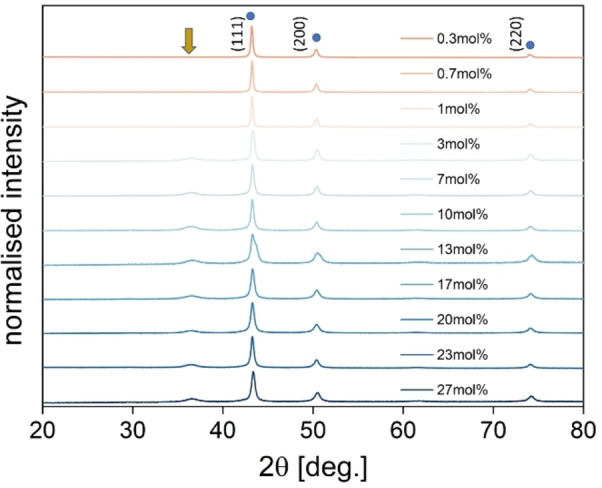 Figure 2
 Figure 3
 Figure 4
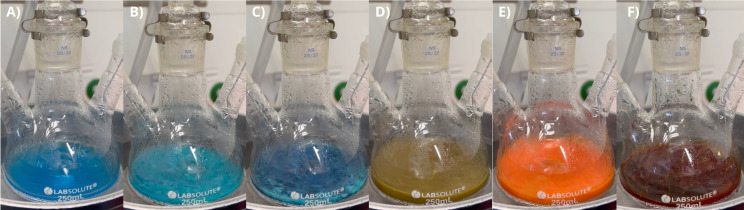 Figure 5
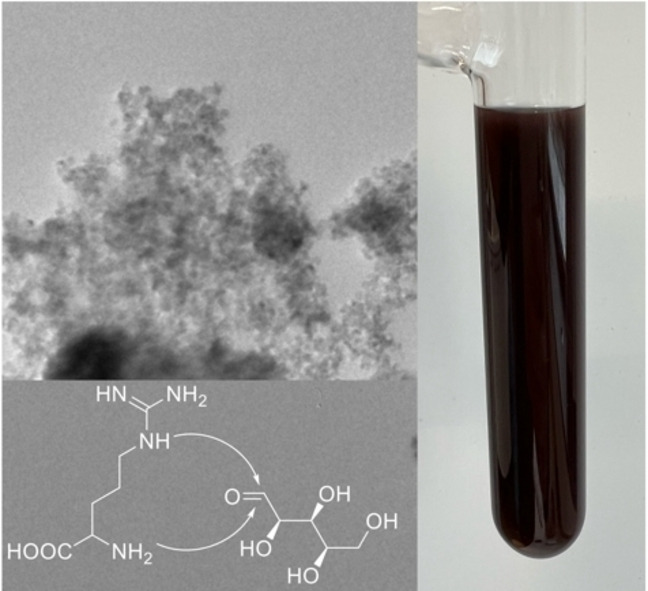 Figure 6
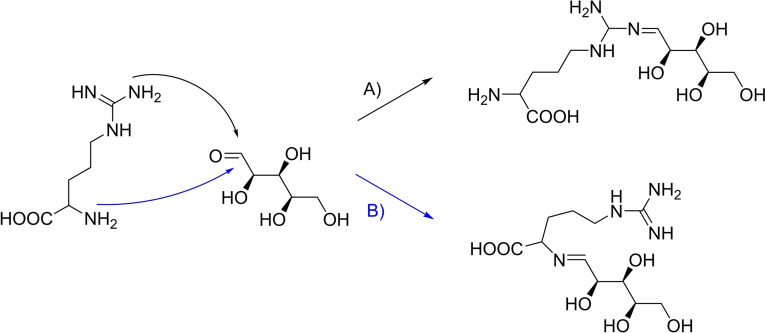 Figure 7
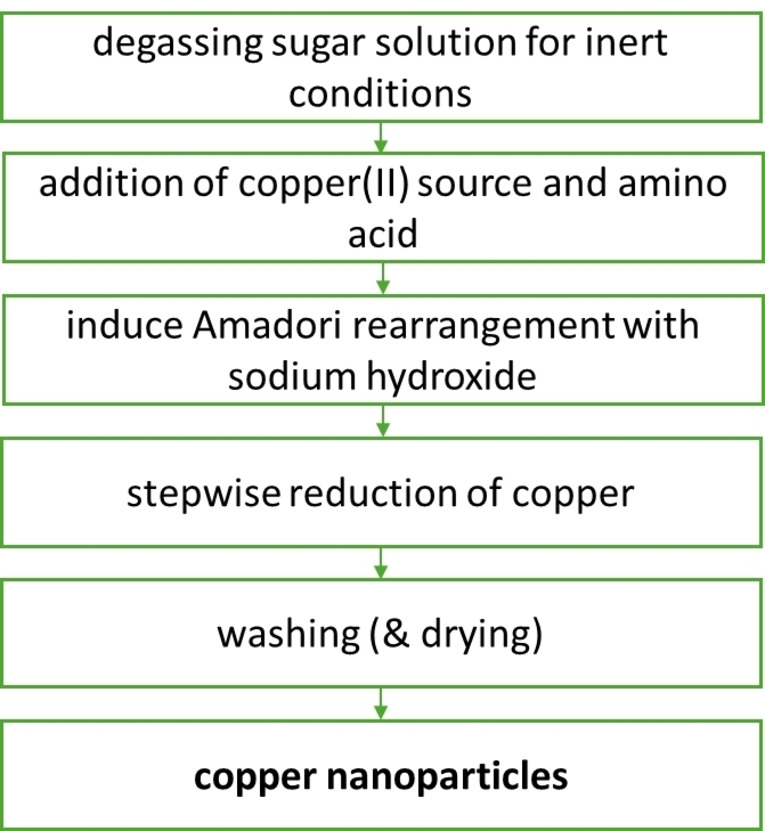 Figure 8
 Figure 9
Peer Reviews
No public reviews on file for this paper yet. If you reviewed it on a platform where reviews are public (OpenReview, ICLR, NeurIPS, ICML), you can paste yours below so the community can read it here.
Videos
No videos yet. Explain this paper in a talk, walkthrough, or lecture? Add one.
Taxonomy
TopicsNanomaterials for catalytic reactions