Bone quality in pycnodysostosis: micropetrosis, locally distorted osteocyte lacuno-canalicular network, and heterogenous mineralization pattern in an adult female patient with multiple fractures
Nadja Fratzl-Zelman, Stéphane Blouin, Uwe Kornak, Markus A Hartmann, Andreas A Kurth, Jochen Zwerina

TL;DR
This study examines bone quality in a rare bone disorder called pycnodysostosis, revealing issues like micropetrosis and disrupted osteocyte networks.
Contribution
The study is the first to show that osteocyte viability and network structure are affected in pycnodysostosis, beyond known osteoclast dysfunction.
Findings
Bone matrix in pycnodysostosis is overmineralized, with highly mineralized areas up to 27 weight % calcium.
Osteocyte lacunae show signs of micropetrosis and locally disrupted lacuno-canalicular networks.
Despite impaired osteocyte viability, a dense osteocyte network exists in some areas, suggesting cathepsin K is not essential for OLCN formation.
Abstract
Pycnodysostosis is a very rare skeletal dysplasia caused by biallelic loss-of-function mutations in cathepsin K, a proteolytic enzyme highly expressed by osteoclasts. Deficiency of cathepsin K impairs bone resorption and further bone remodeling leading to progressive osteosclerosis and bone fragility. Moreover, cathepsin K is also expressed by mature osteocytes. Whether the density, size, and viability of osteocytes and the osteocyte lacuno-canalicular network (OLCN) are also altered, thereby impacting bone quality in pycnodysostosis, has not been explored. We used light microscopy, quantitative backscattered electron imaging, and confocal laser scanning microscopy to examine bone material obtained from a 57-yr-old female patient during surgical correction after femoral head fracture. The cortex consisted of a compact shell of multilayered collagen fibrils oriented in parallel to the…
Genes, proteins, chemicals, diseases, species, mutations and cell lines named across the full text — each resolved to its canonical identifier and authoritative record.
Click any figure to enlarge with its caption.
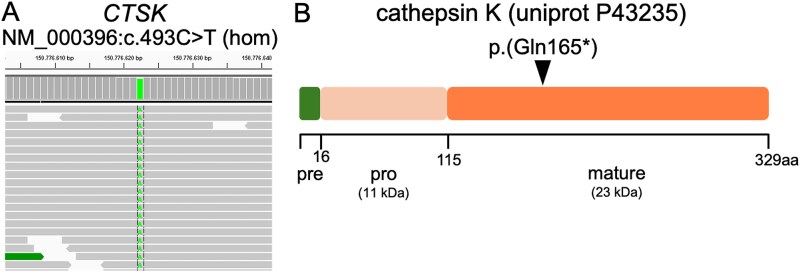 Figure 1
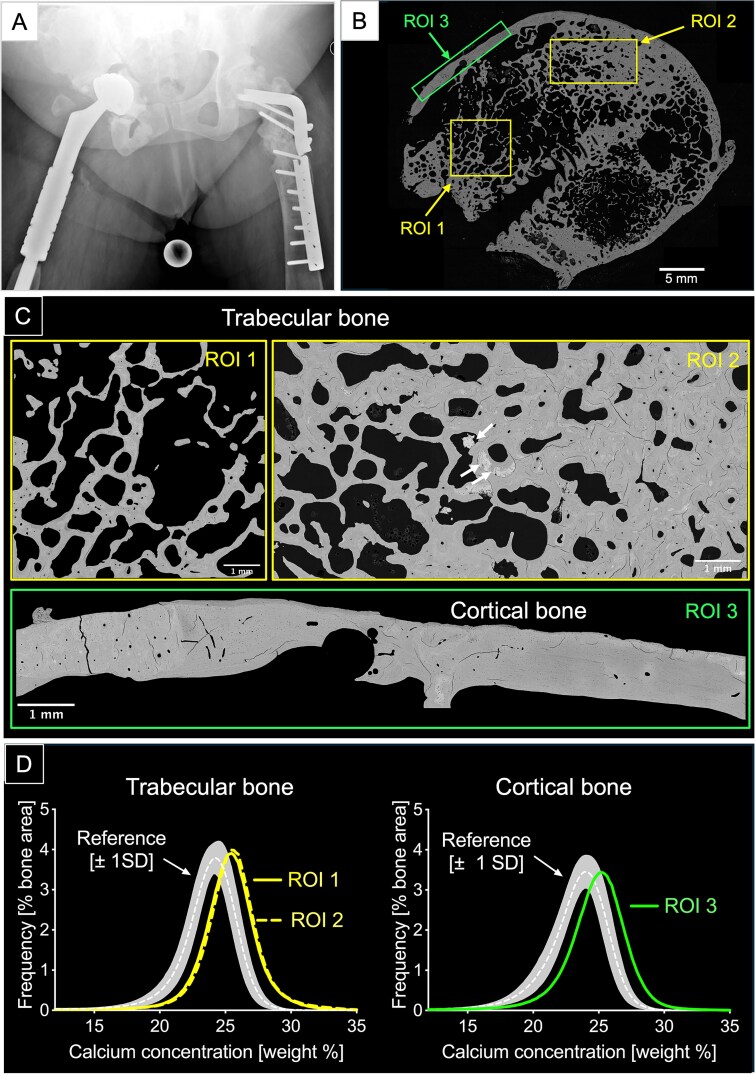 Figure 2
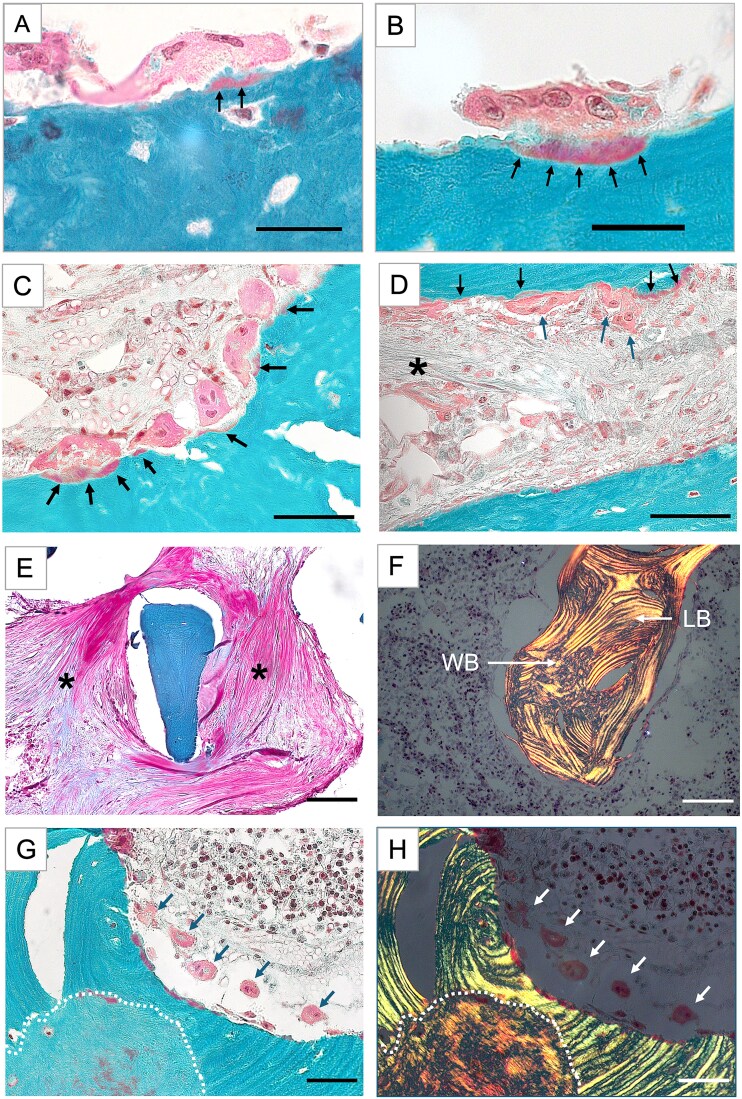 Figure 3
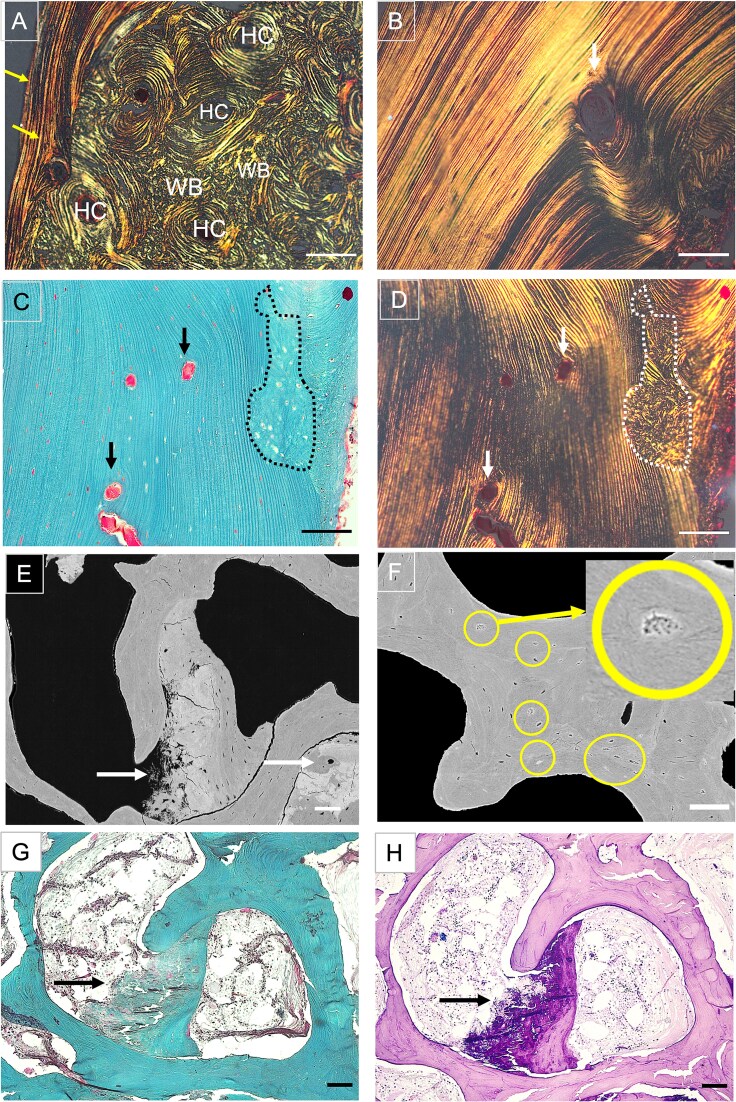 Figure 4
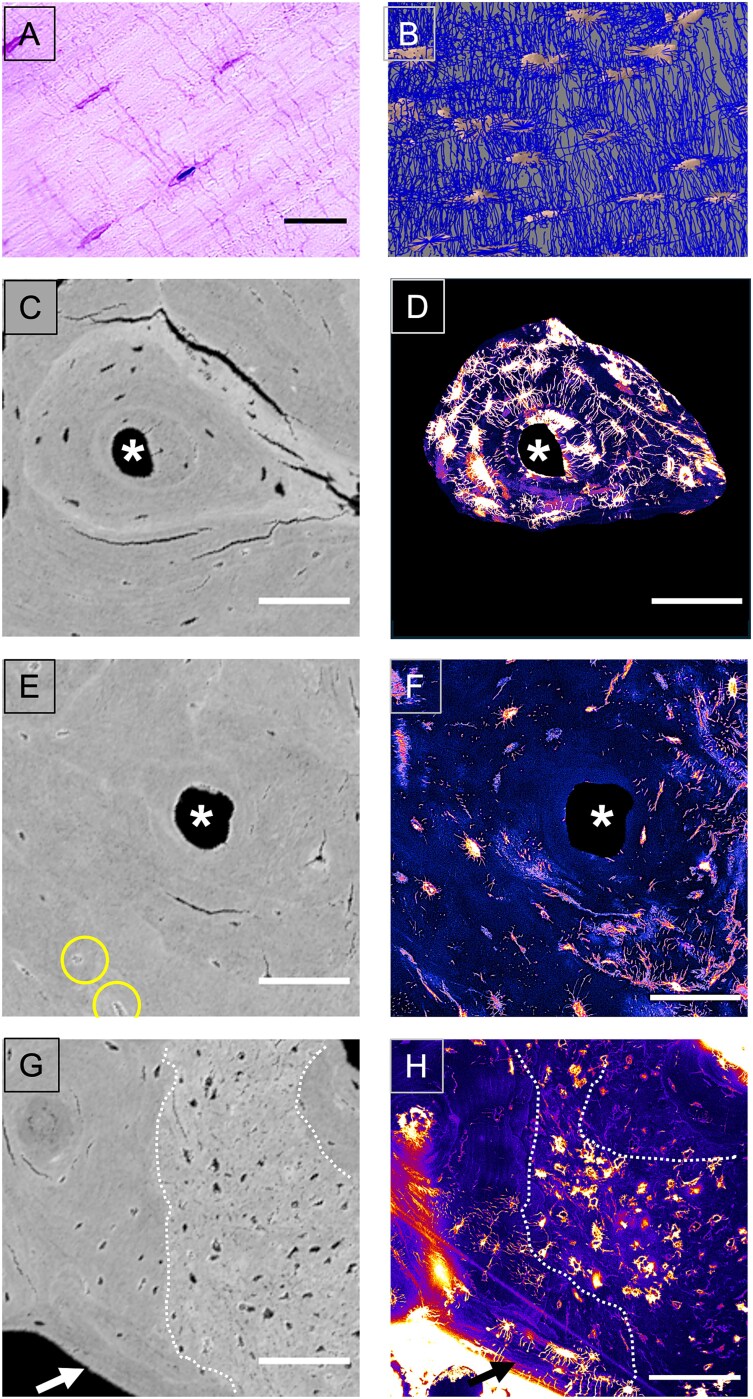 Figure 5
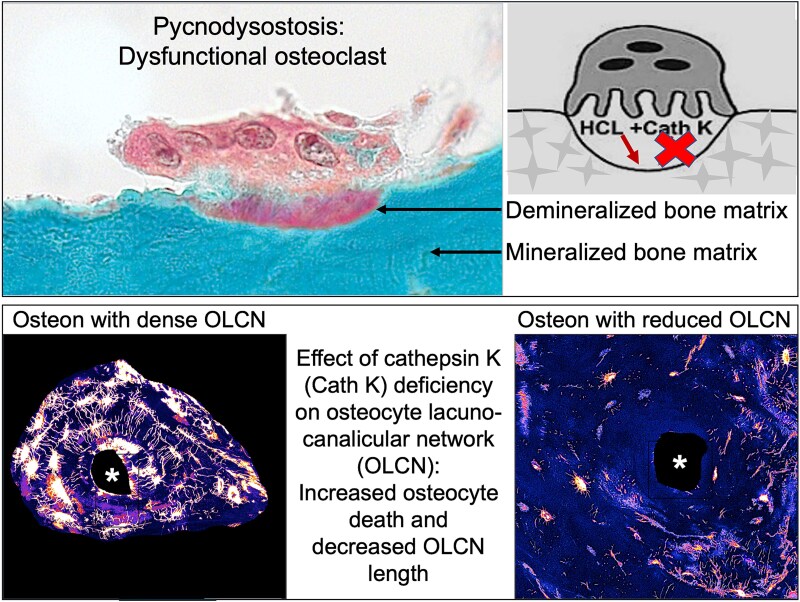 Figure 6
Peer Reviews
No public reviews on file for this paper yet. If you reviewed it on a platform where reviews are public (OpenReview, ICLR, NeurIPS, ICML), you can paste yours below so the community can read it here.
Videos
No videos yet. Explain this paper in a talk, walkthrough, or lecture? Add one.
Taxonomy
TopicsBone Metabolism and Diseases · Bone health and treatments · Bone and Dental Protein Studies