High-velocity fragmentation of titanium alloy rings and cylinders produced using Field-Assisted Sintering Technology
T. Virazels, S. Lister, O. Levano-Blanch, M. Jackson, J. A. Rodríguez-Martínez, J. C. Nieto-Fuentes

TL;DR
This paper studies how titanium alloys break apart under high-speed impacts, using a new sintering method to create parts for aerospace applications.
Contribution
The study presents the first systematic investigation of dynamic fragmentation behavior in Ti6Al4V and Ti5Al5V5Mo3Cr titanium alloys.
Findings
Fragmentation increases with higher expansion velocities, producing more necks and fragments.
The average distance between necks aligns well with theoretical predictions from linear stability analysis.
Material behavior significantly influences fragment size and neck spacing statistics.
Abstract
This paper explores the mechanics of high-velocity impact fragmentation in titanium alloys produced by Field-Assisted Sintering Technology. For that purpose, we have utilized the experimental setups recently developed by Nieto-Fuentes et al. (J Mech Phys Solids 174:105248, 2023a; Int J Impact Eng 180:104556, 2023b) for conducting dynamic expansion tests on rings and cylinders. The experiments involve firing a conical-nosed cylindrical projectile using a single-stage ight-gas gun against the stationary ring/cylinder at velocities ranging from \documentclass[12pt]{minimal} \usepackage{amsmath} \usepackage{wasysym} \usepackage{amsfonts} \usepackage{amssymb} \usepackage{amsbsy} \usepackage{mathrsfs} \usepackage{upgreek} \setlength{\oddsidemargin}{-69pt} \begin{document}\end{document}≈248m/s to…
Genes, proteins, chemicals, diseases, species, mutations and cell lines named across the full text — each resolved to its canonical identifier and authoritative record.
Click any figure to enlarge with its caption.
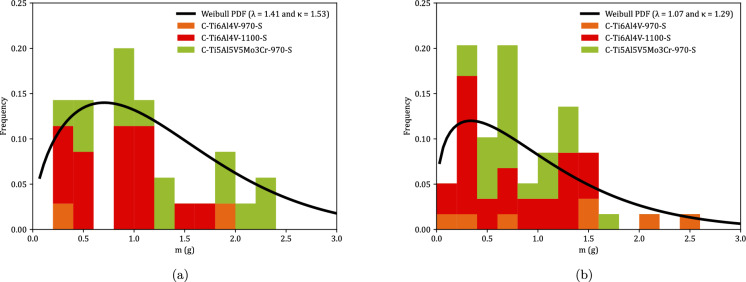 Figure 10
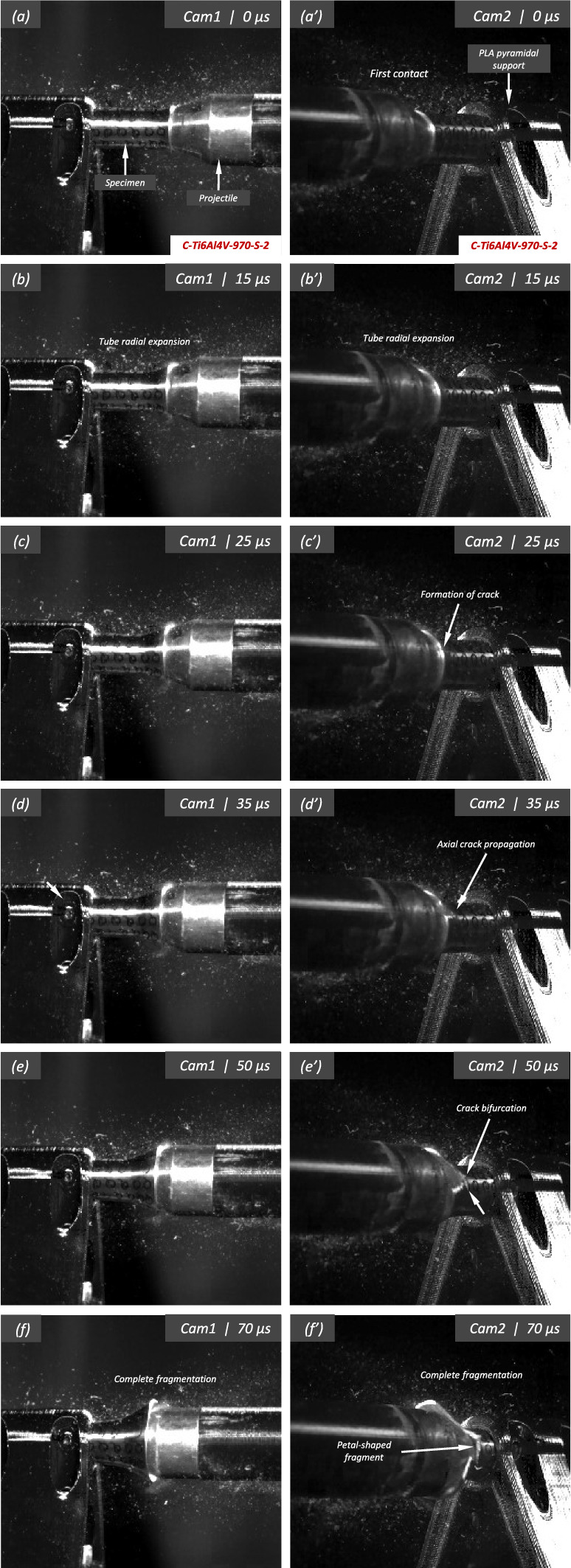 Figure 11
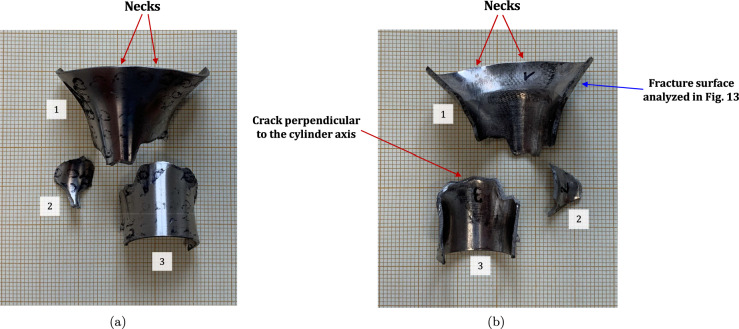 Figure 12
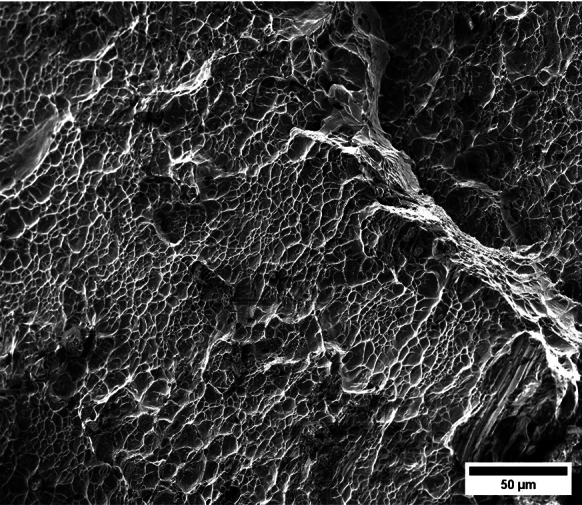 Figure 13
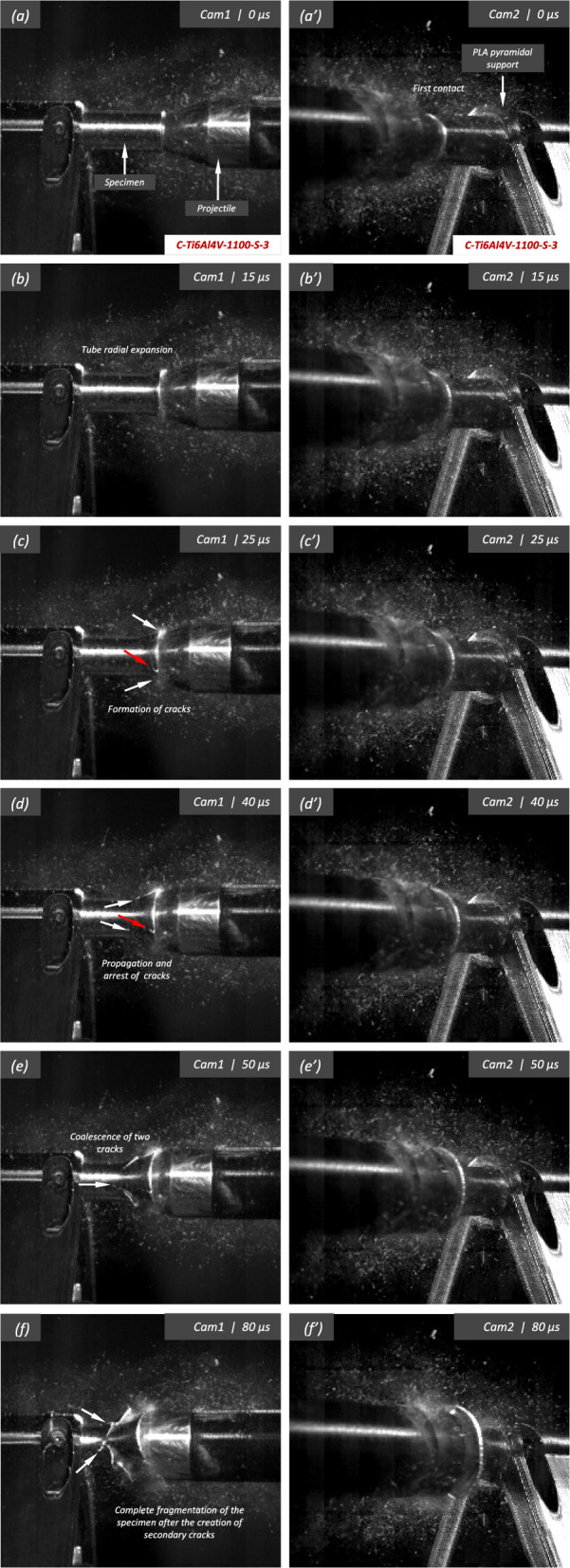 Figure 14
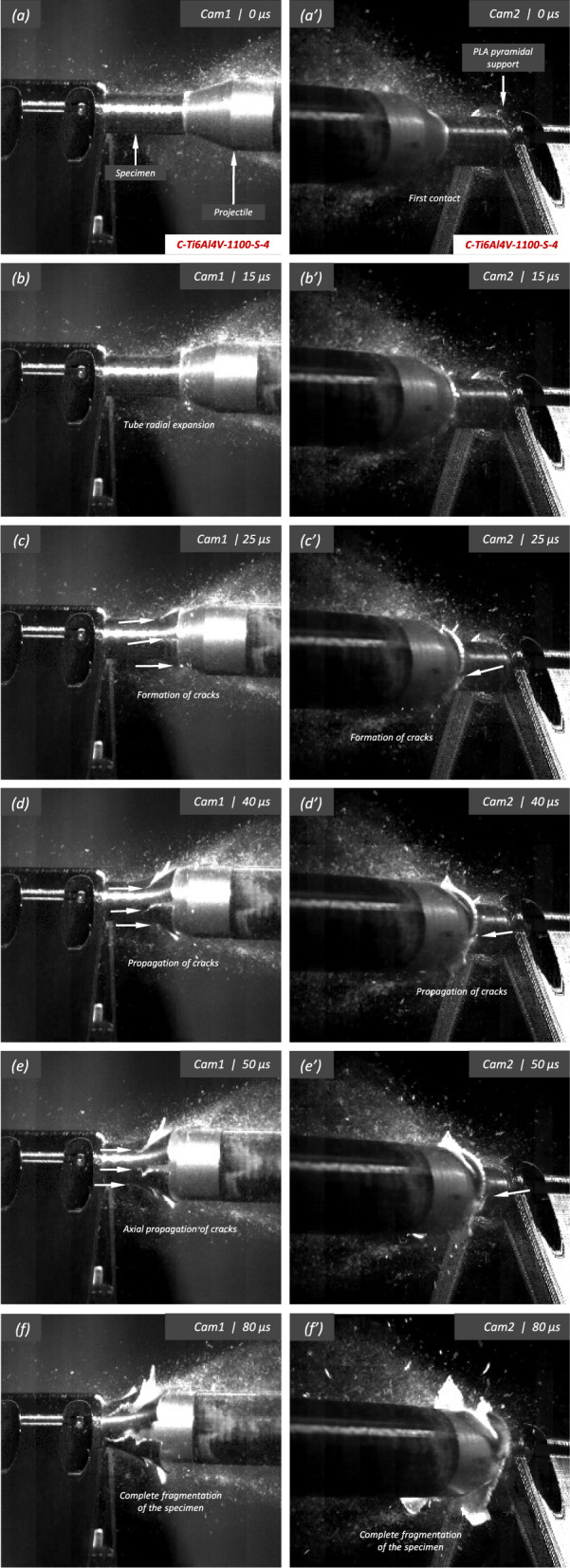 Figure 15
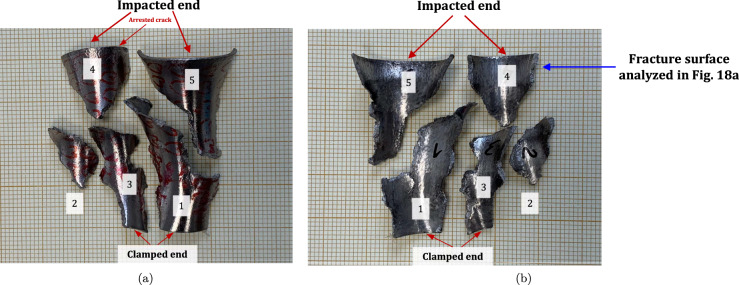 Figure 16
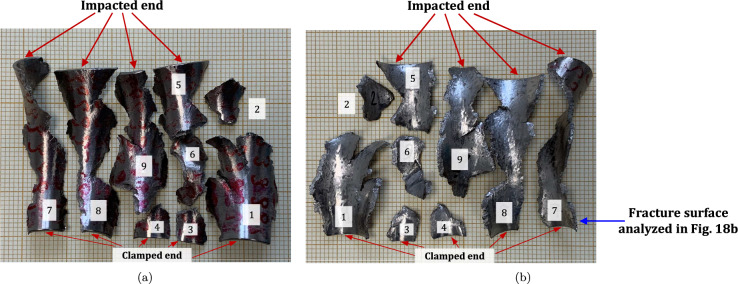 Figure 17
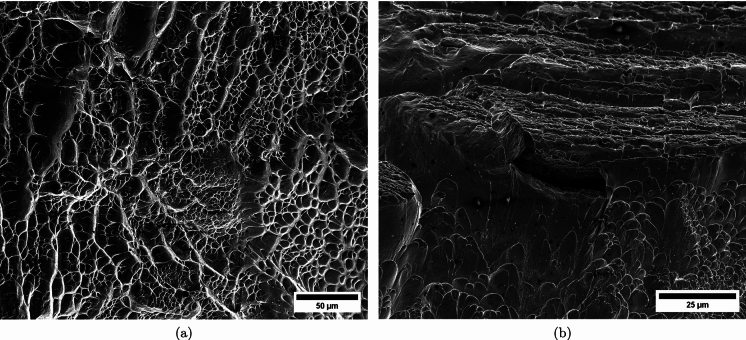 Figure 18
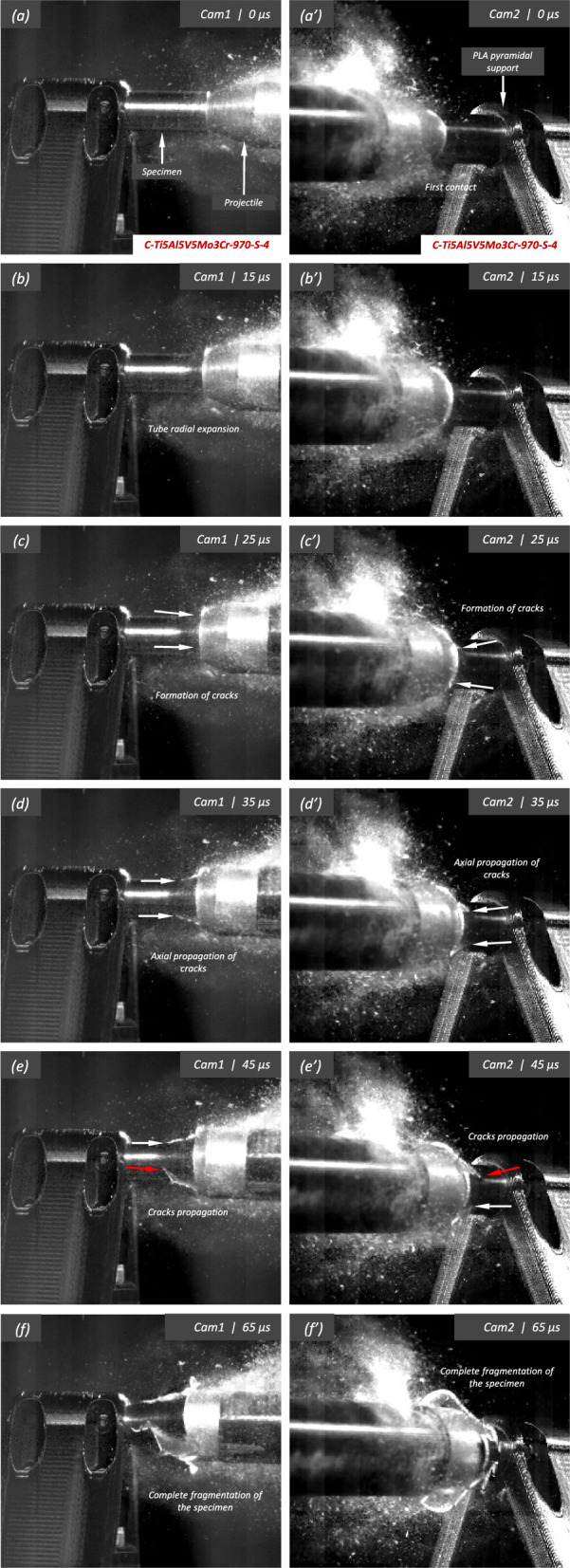 Figure 19
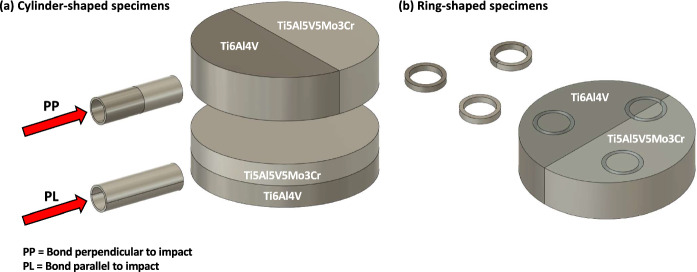 Figure 1
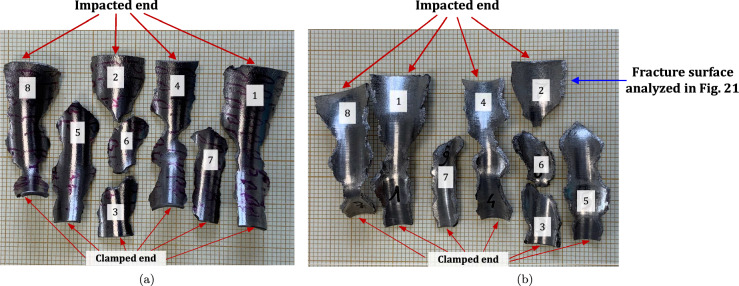 Figure 20
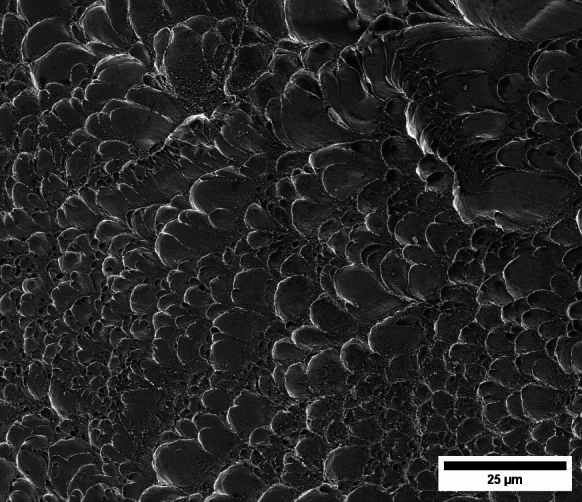 Figure 21
 Figure 22
 Figure 23
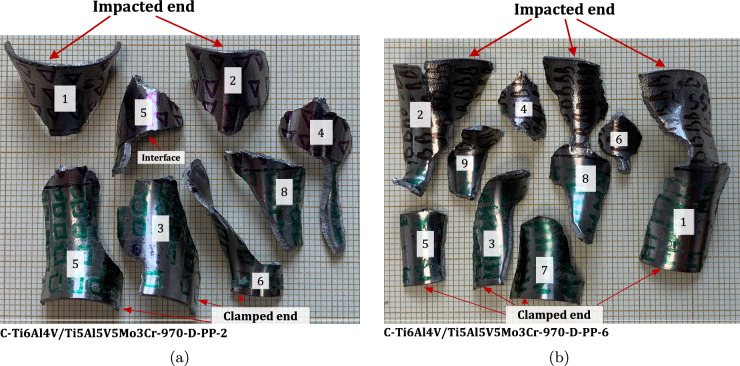 Figure 24
 Figure 25
 Figure 26
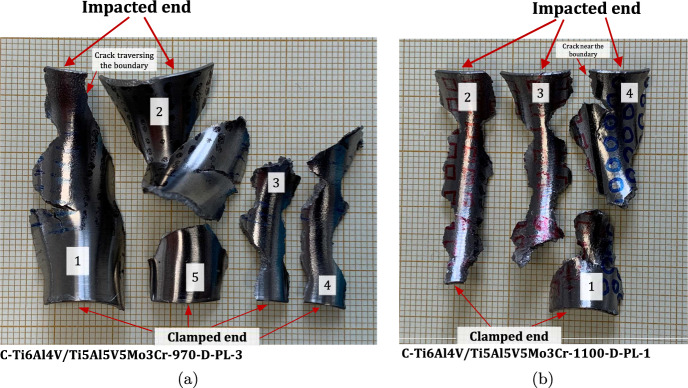 Figure 27
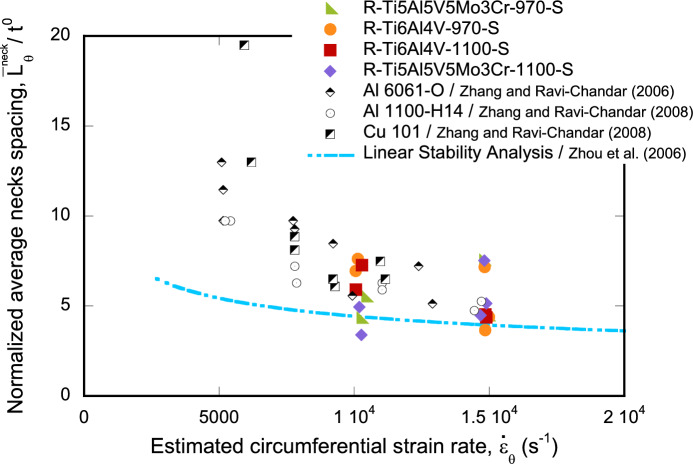 Figure 28
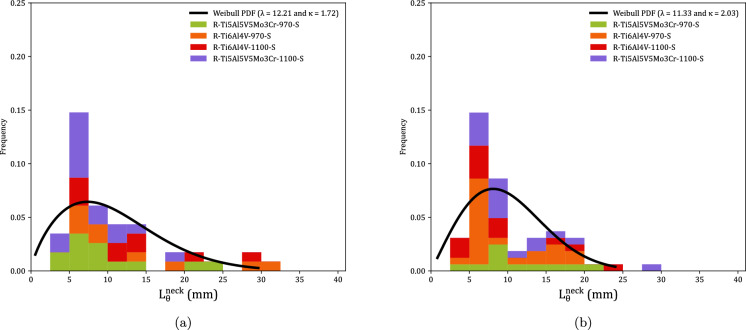 Figure 29
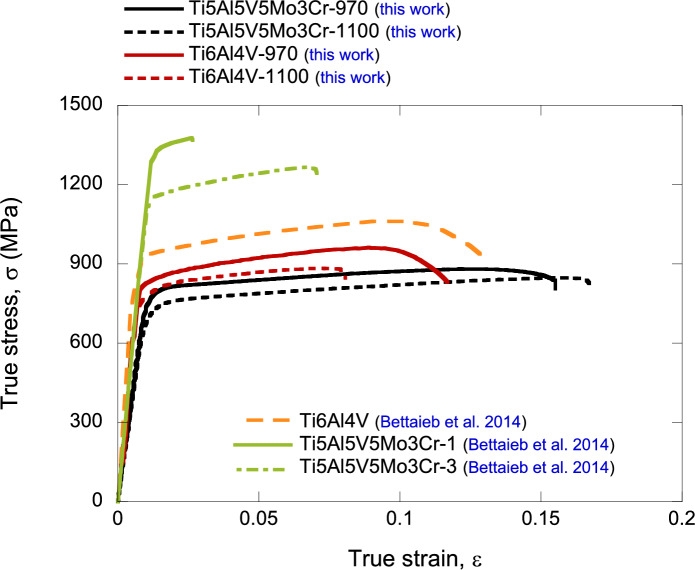 Figure 2
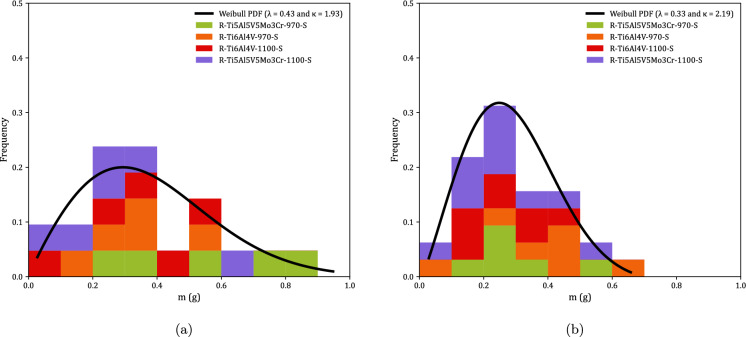 Figure 30
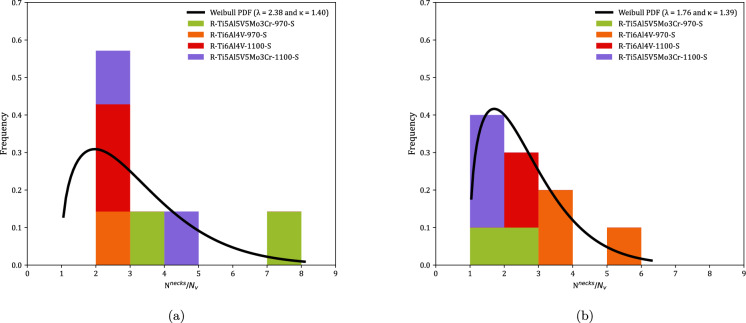 Figure 31
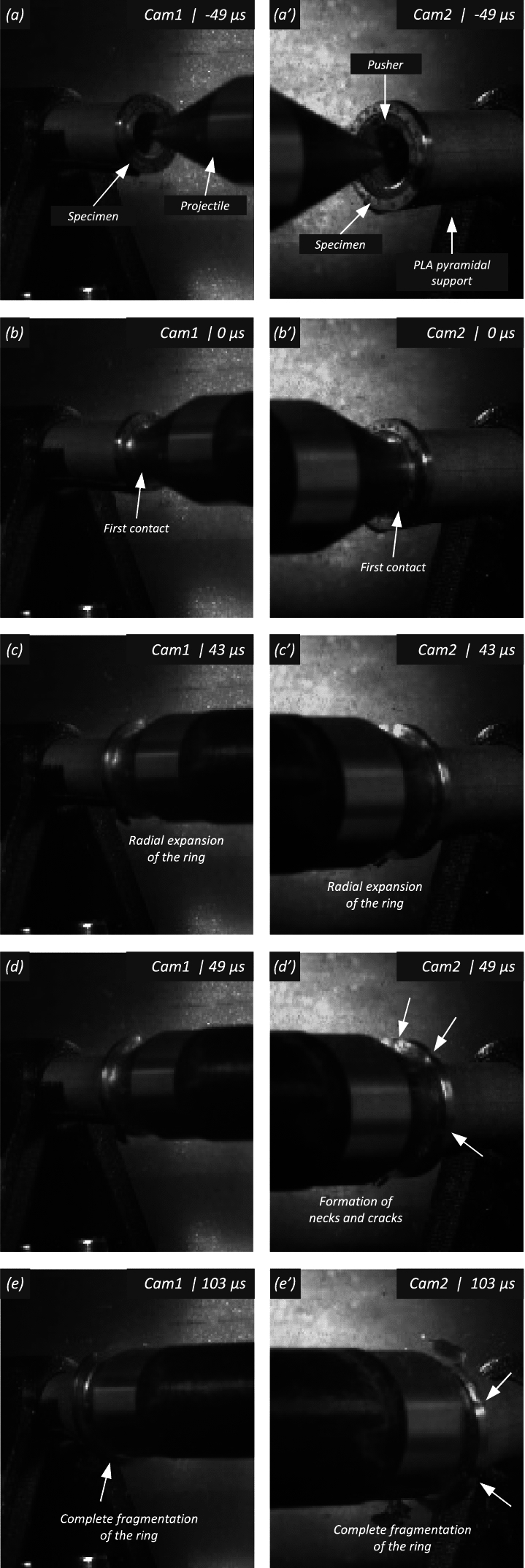 Figure 32
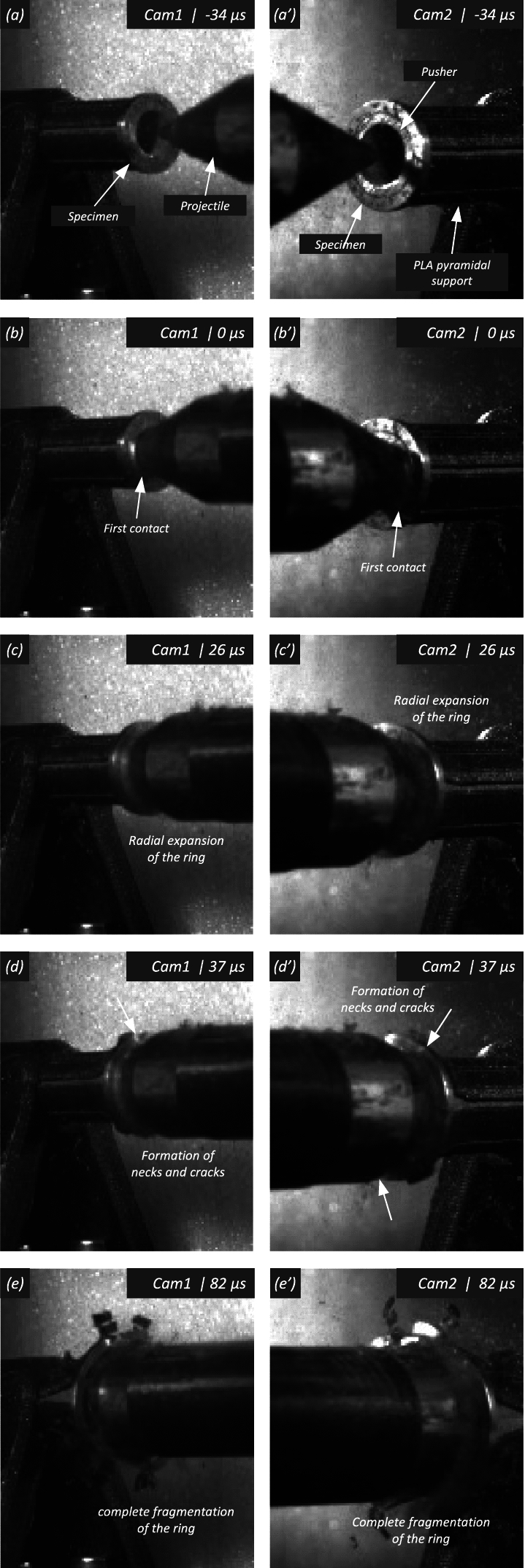 Figure 33
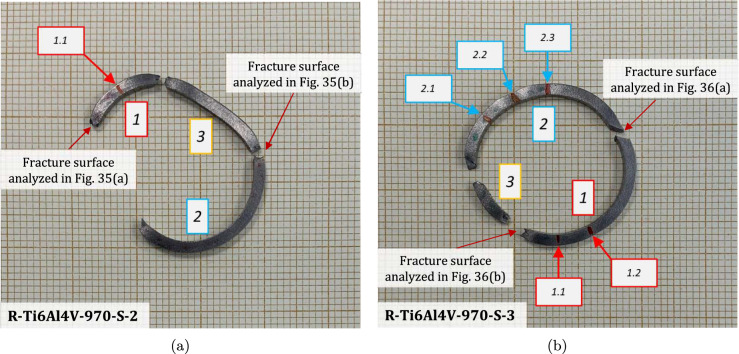 Figure 34
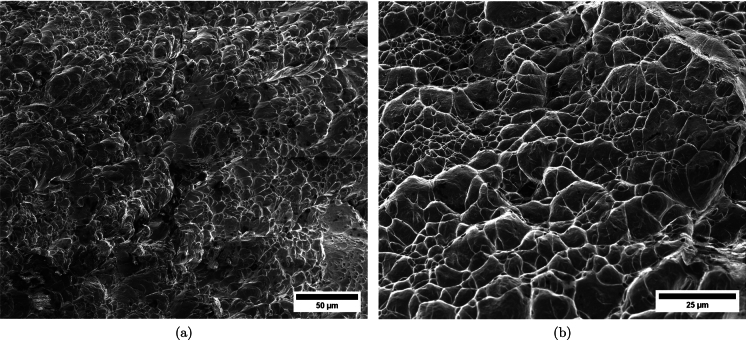 Figure 35
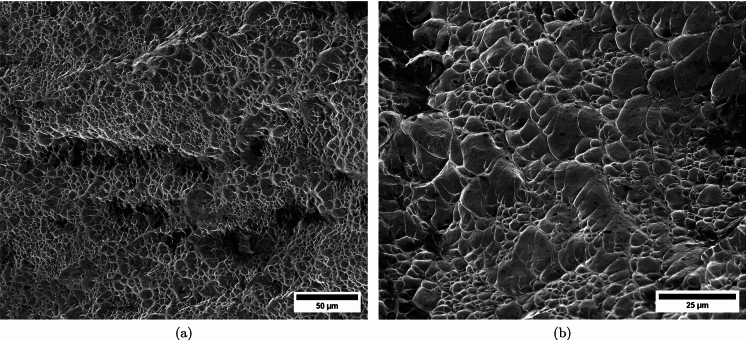 Figure 36
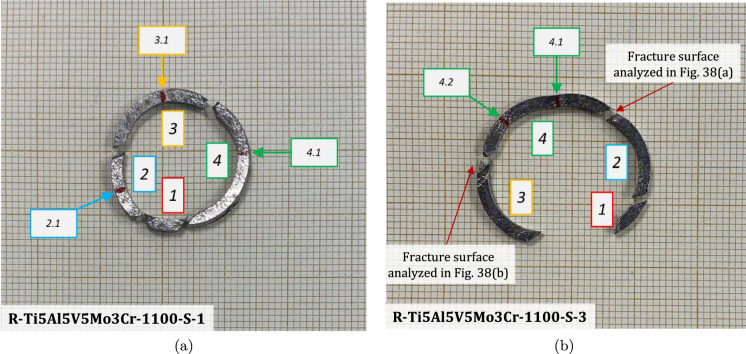 Figure 37
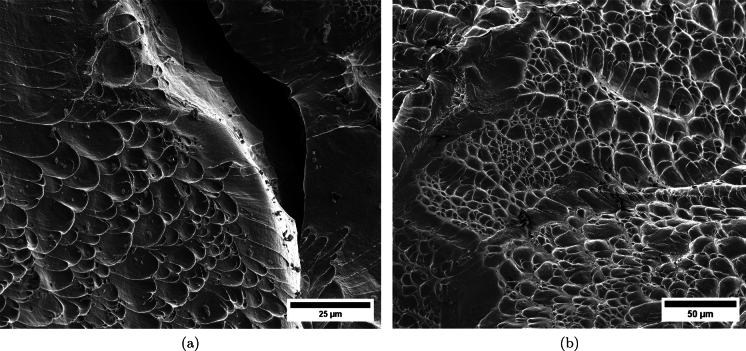 Figure 38
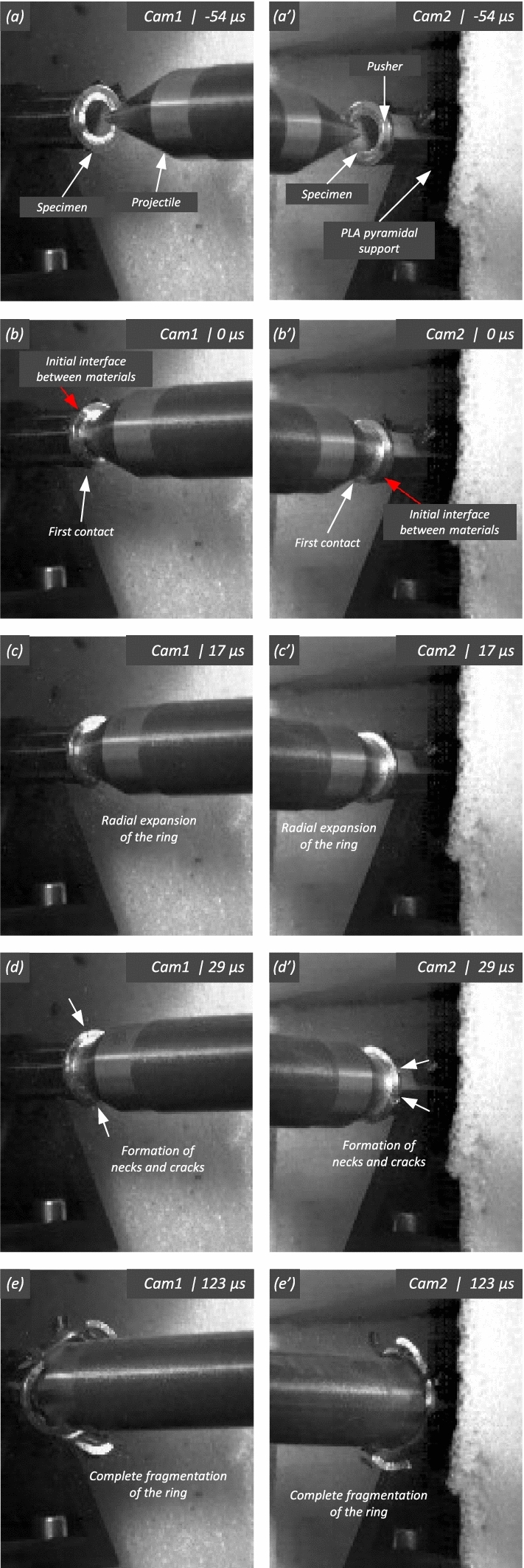 Figure 39
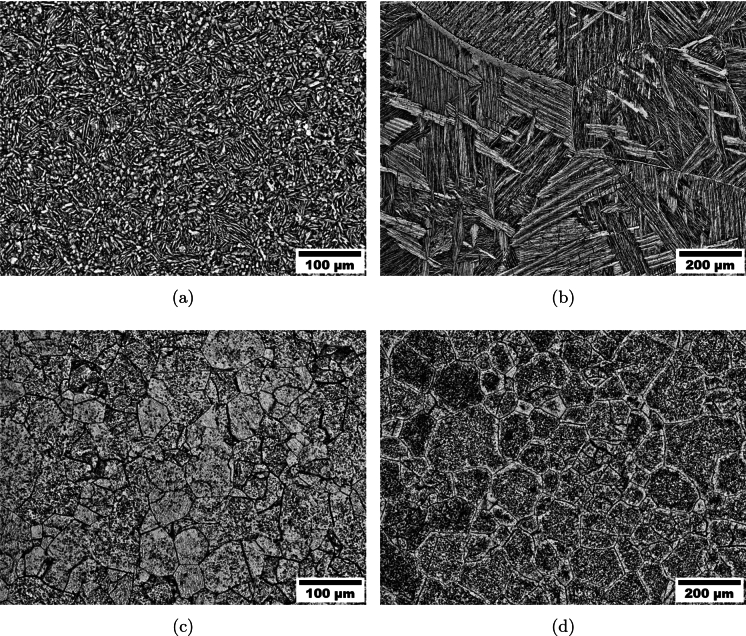 Figure 3
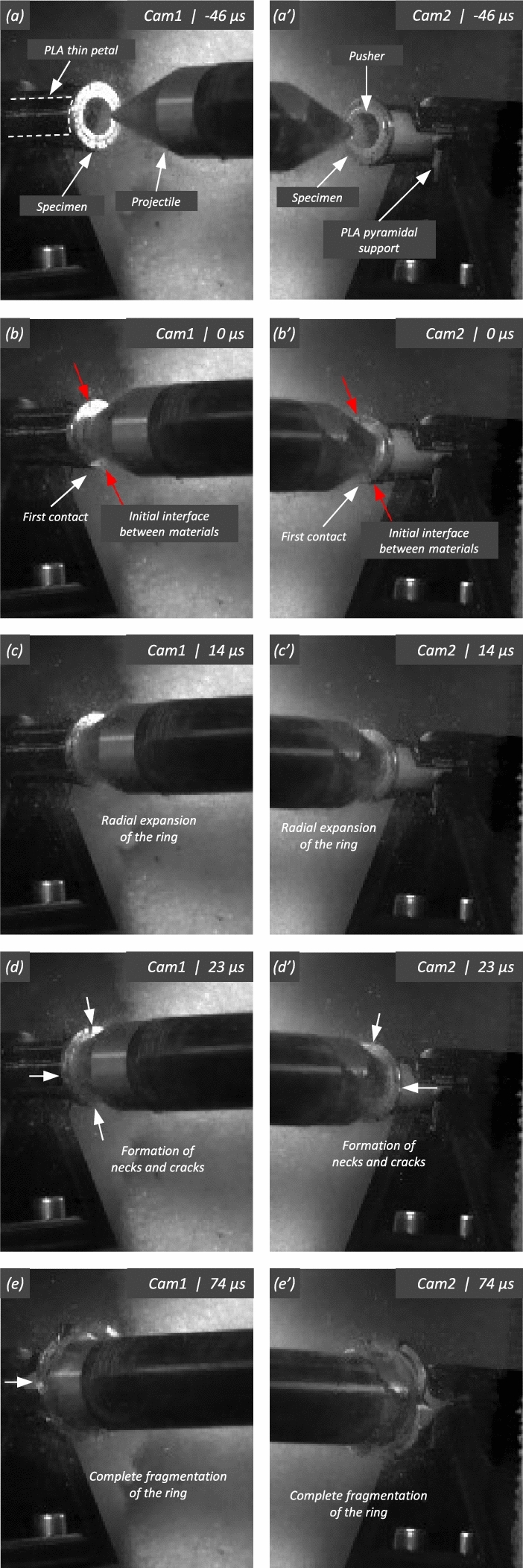 Figure 40
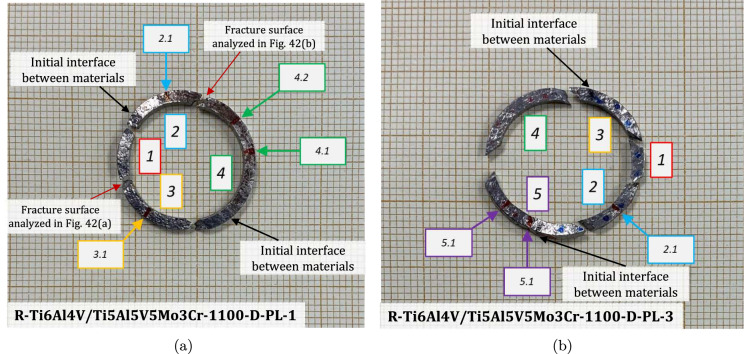 Figure 41
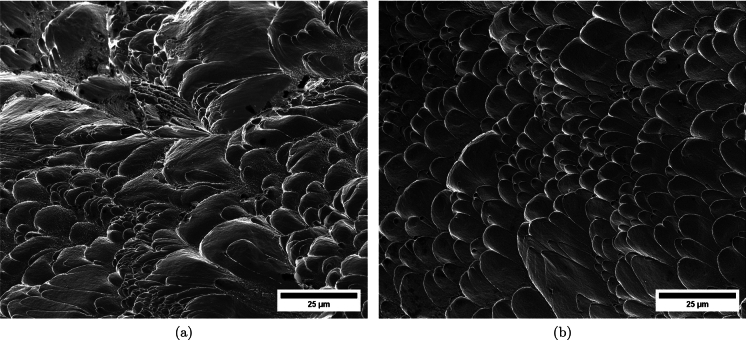 Figure 42
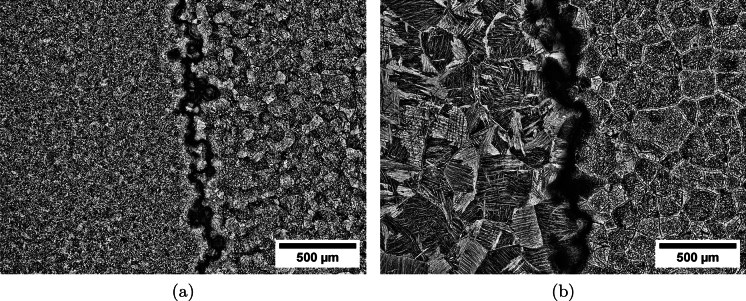 Figure 4
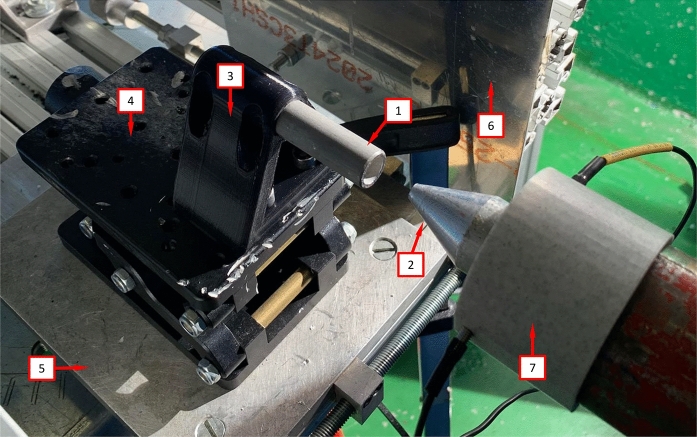 Figure 5
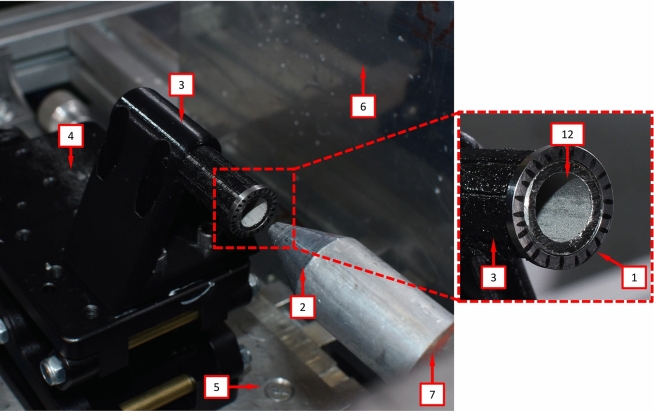 Figure 6
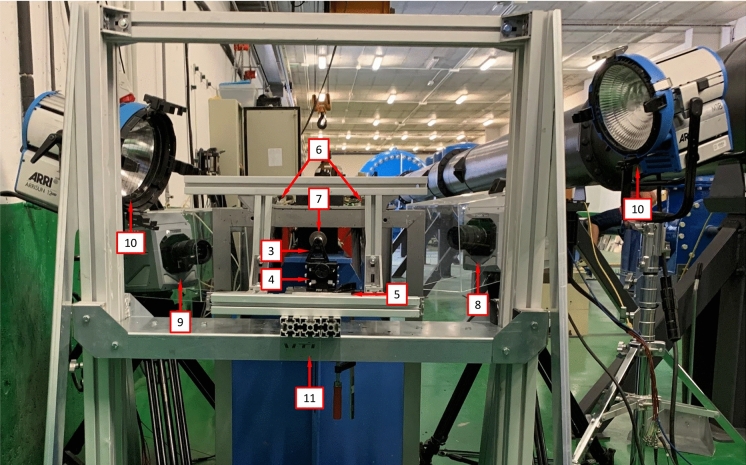 Figure 7
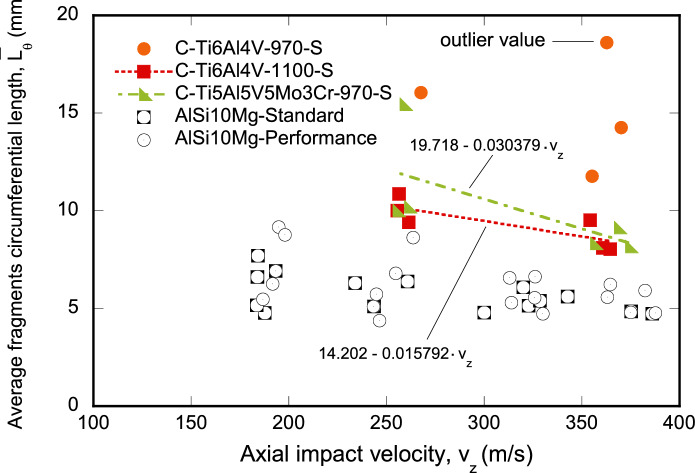 Figure 8
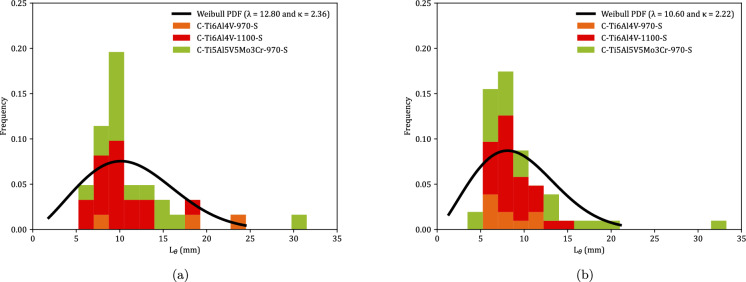 Figure 9
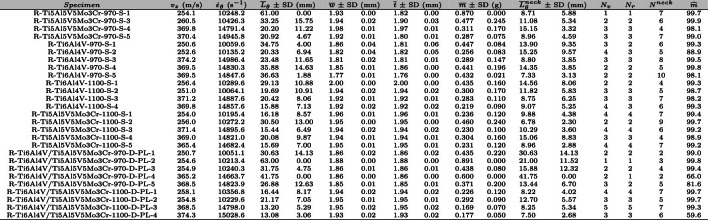 Figure 43
Peer Reviews
No public reviews on file for this paper yet. If you reviewed it on a platform where reviews are public (OpenReview, ICLR, NeurIPS, ICML), you can paste yours below so the community can read it here.
Videos
No videos yet. Explain this paper in a talk, walkthrough, or lecture? Add one.
Taxonomy
TopicsHigh-Velocity Impact and Material Behavior · Nuclear Materials and Properties · Microstructure and mechanical properties