Rehabilitation of severely injured patients
Thomas Mendel, Ingo Marzi, Christiane Anke

TL;DR
Rehabilitation is crucial for severely injured patients to regain physical function and reintegrate into society.
Contribution
The paper emphasizes the need for tailored, multidisciplinary rehabilitation across all care phases.
Findings
Early rehabilitation requires proper personnel and infrastructure in inpatient settings.
Rehabilitation teams should include specialists from various therapeutic disciplines.
Comprehensive funding is essential for high-quality therapy programs.
Abstract
Rehabilitation is a vital component of the holistic care of severely injured patients, addressing physical limitations, preventing complications, and promoting social and professional reintegration. Tailored measures are required across all phases of care, depending on individual injury patterns. Adequate early rehabilitation within inpatient settings necessitates appropriate personnel and infrastructure. Rehabilitation teams must include specialists from diverse therapeutic disciplines. Although financial frameworks vary by country, comprehensive funding for high-quality therapy programmes is essential for effective treatment.
Genes, proteins, chemicals, diseases, species, mutations and cell lines named across the full text — each resolved to its canonical identifier and authoritative record.
Click any figure to enlarge with its caption.
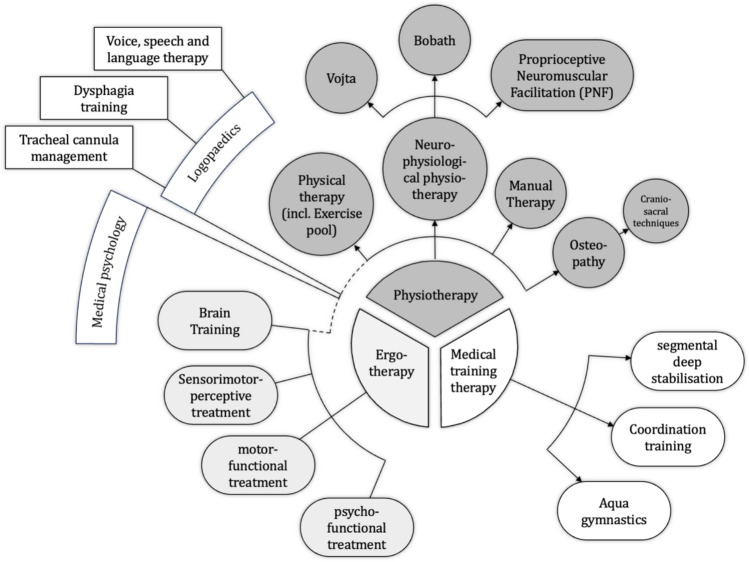 Figure 1
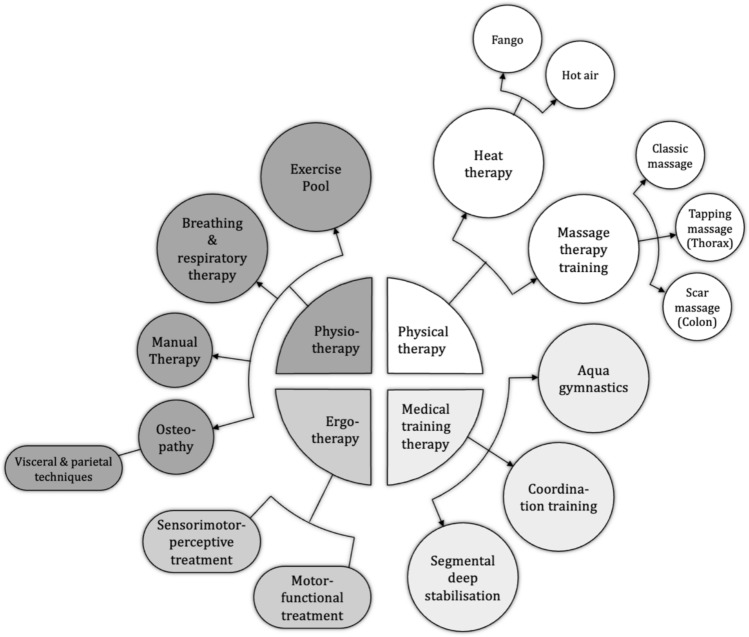 Figure 2
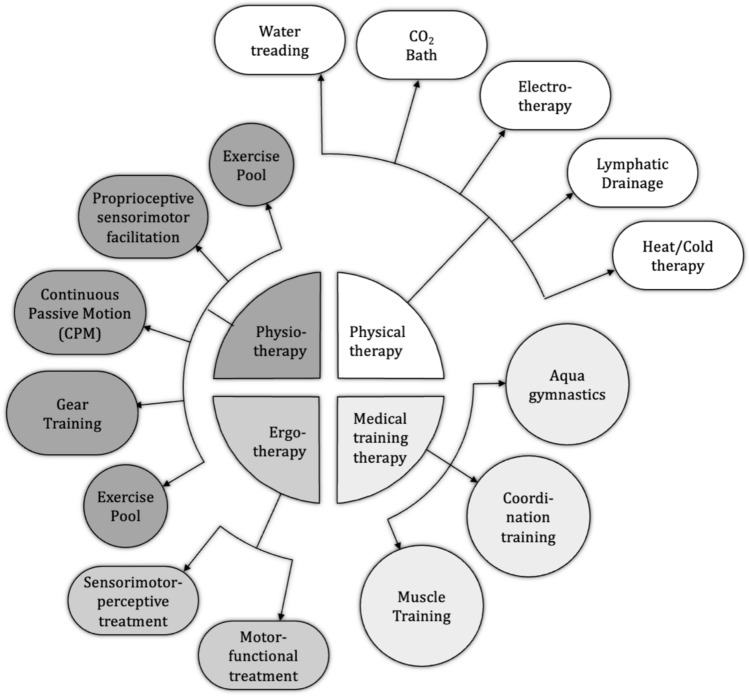 Figure 3
Peer Reviews
No public reviews on file for this paper yet. If you reviewed it on a platform where reviews are public (OpenReview, ICLR, NeurIPS, ICML), you can paste yours below so the community can read it here.
Videos
No videos yet. Explain this paper in a talk, walkthrough, or lecture? Add one.
Taxonomy
TopicsTrauma and Emergency Care Studies