Reliability of a non-invasive method to calculate buffer capacity after exhaustive cycling exercise of 20 s to 12 min: a pilot study
Sebastian Gehlert, Asatur Khurshudyan, Sebastian Weber, Jochem Widdershoven, Reinout Van Schuylenbergh

TL;DR
This pilot study explores a non-invasive method to calculate buffer capacity using blood lactate and pH values after cycling exercises, finding it reliable for post-exercise measurements.
Contribution
The study introduces a non-invasive method for calculating buffer capacity using capillary blood lactate and pH values after maximal cycling exercises.
Findings
Pre-exercise blood lactate and pH values showed poor reliability, while post-exercise values were highly reliable.
Buffer capacity calculated using post-exercise values demonstrated good reliability.
The method's validity compared to invasive gold-standard techniques requires further investigation.
Abstract
Traditionally, buffer capacity (β) is measured on muscle biopsies by measuring changes in muscle pH in relation to exposure of standardized quantities of hydrochloric acid. This is an invasive approach requiring specific equipment and trained personnel which limits its usability in a normal training context. Assessing β using capillary blood lactate concentration (BLC) and pH values has been proposed as a more practical and cost-effective approach. The reliability of the input BLC and pH data on the calculations of β after maximal sprint and endurance exercise has not yet been investigated and was major aim of our study. Eleven subjects performed six maximal performance tests ranging from 20 s to 12 min duration over a 2-week period. All subjects were familiarized with the test conditions. For each performance test, pre and posttest BLC and pH was measured and used to calculate β using…
Genes, proteins, chemicals, diseases, species, mutations and cell lines named across the full text — each resolved to its canonical identifier and authoritative record.
Click any figure to enlarge with its caption.
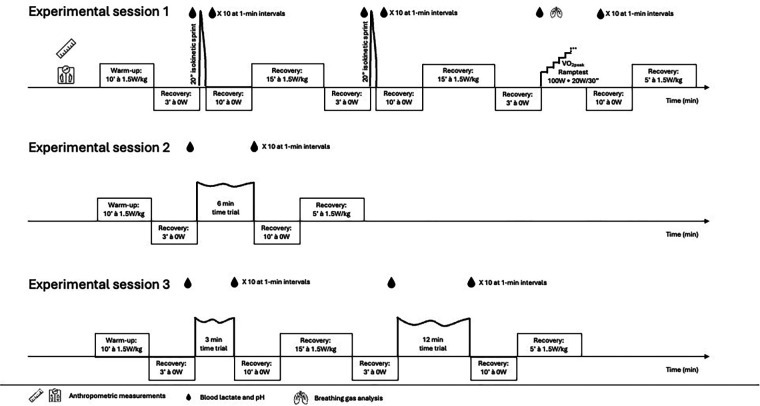 Figure 1
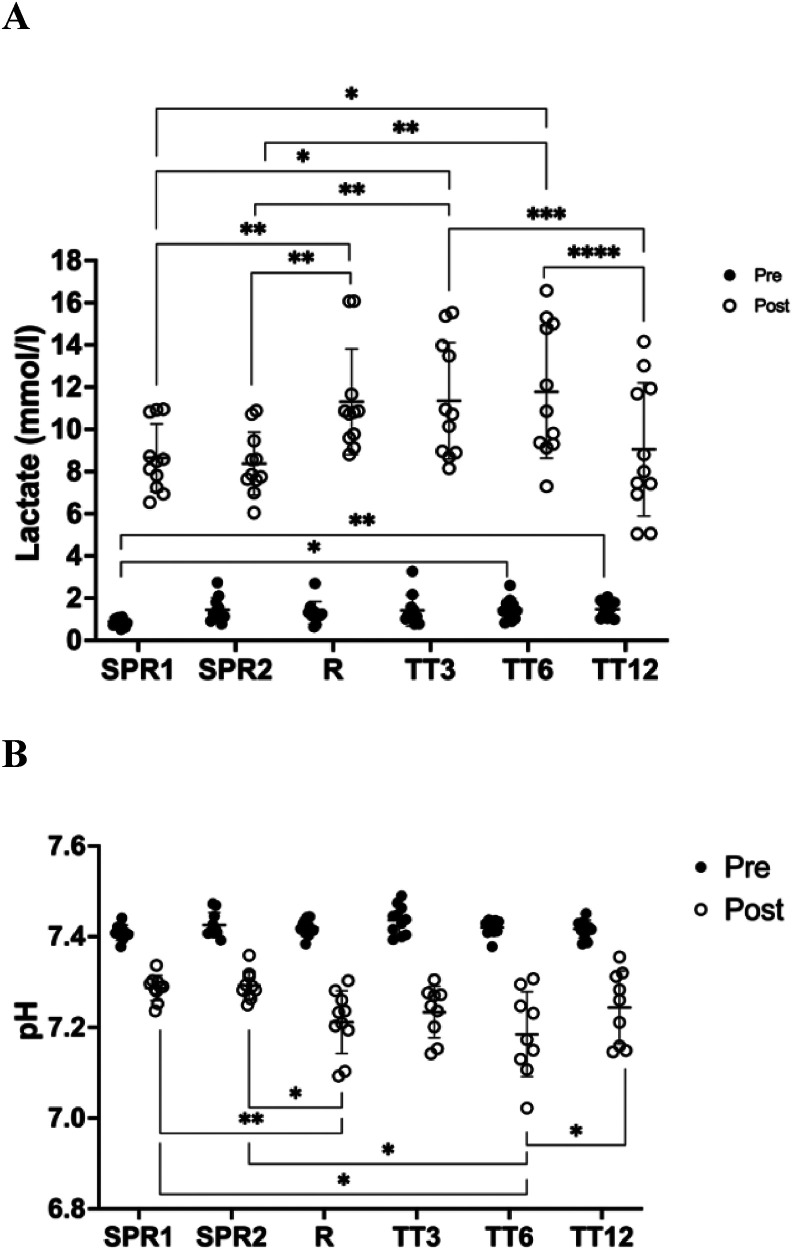 Figure 2
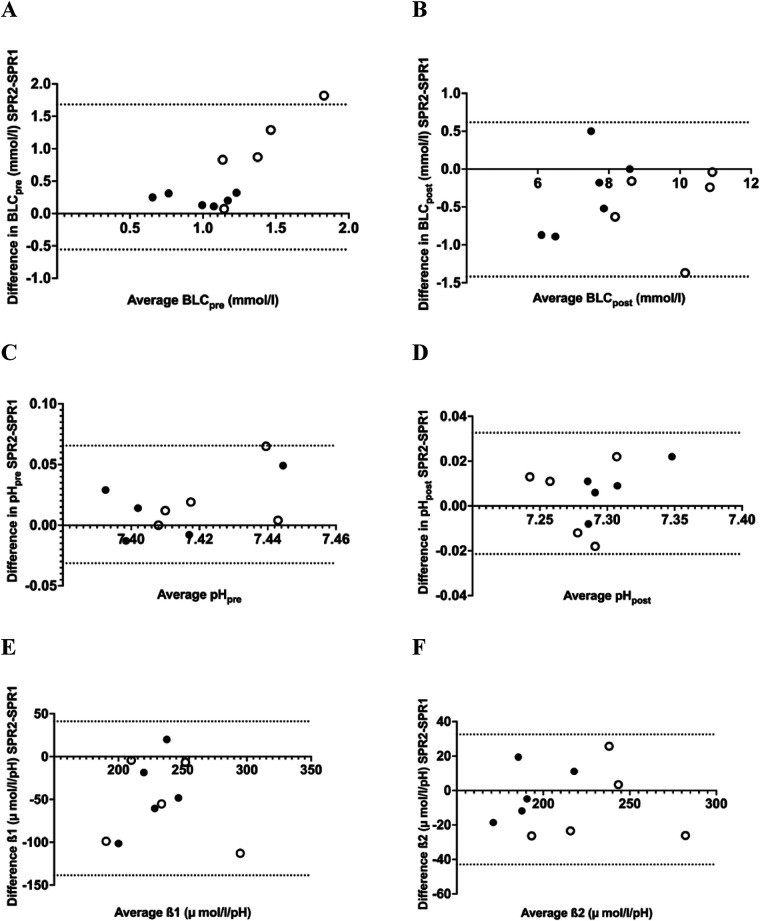 Figure 3
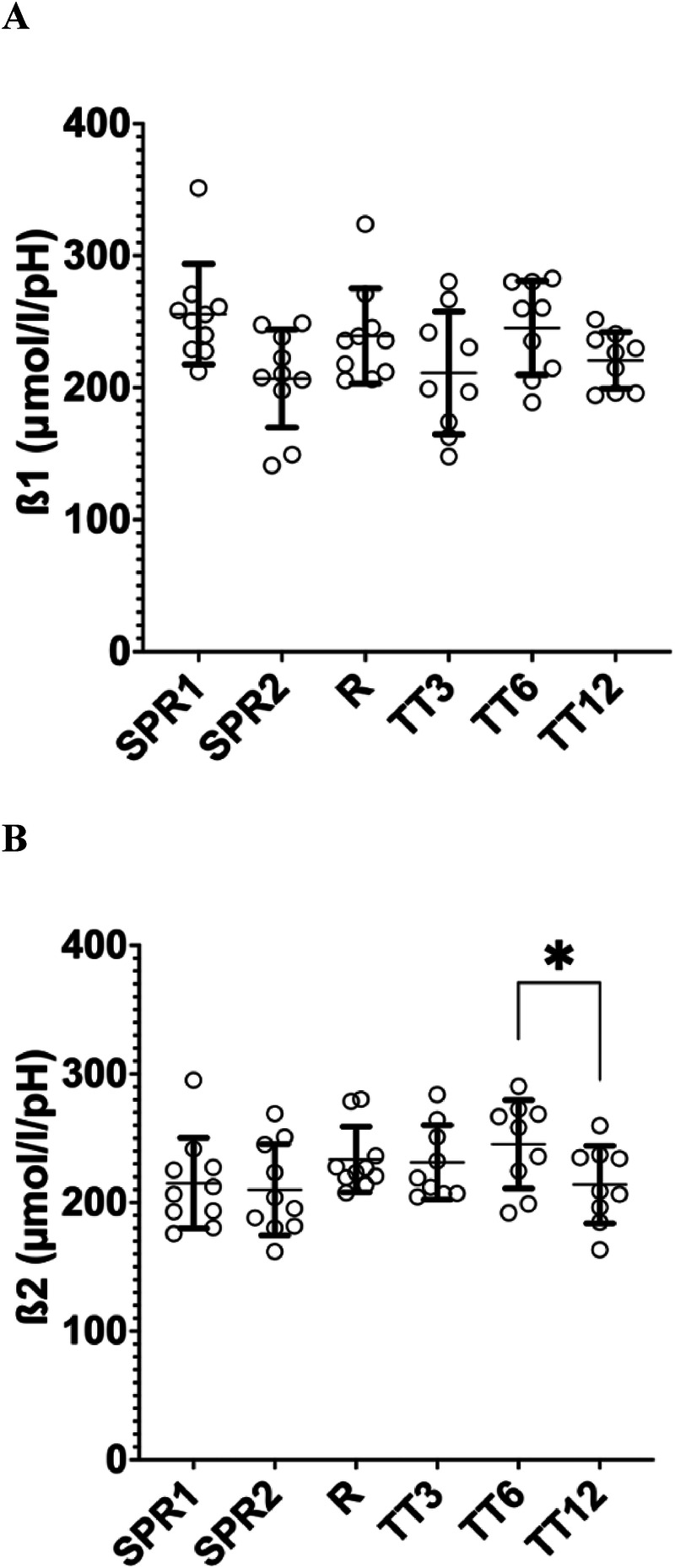 Figure 4
Peer Reviews
No public reviews on file for this paper yet. If you reviewed it on a platform where reviews are public (OpenReview, ICLR, NeurIPS, ICML), you can paste yours below so the community can read it here.
Videos
No videos yet. Explain this paper in a talk, walkthrough, or lecture? Add one.
Taxonomy
TopicsCardiovascular and exercise physiology · Sports Performance and Training · Muscle activation and electromyography studies