Pregnancy Rate Is High When the Length of the Luteal Phase During the In Vitro Fertilization Hormone Replacement Cycle Is 144 Hours or More Before Embryo Transfer
Eiji Nishio, Shota Oikawa, Eriko Sakakibara, Miho Ishikawa, Kiriko Kotani, Hikari Yoshizawa, Hironori Miyamura, Takanori Hayashi, Haruki Nishizawa

TL;DR
A longer luteal phase of 144 hours or more before embryo transfer improves pregnancy rates in IVF hormone replacement cycles.
Contribution
The study identifies 144 hours as a critical luteal phase duration for improved pregnancy outcomes in frozen-thawed blastocyst transfers.
Findings
The 144-hour group had a significantly higher pregnancy rate than the 132-hour group across all embryos.
Poor-quality embryos (BB group) showed higher pregnancy rates in the 144-hour group compared to the 132-hour group.
The window of implantation appears more crucial for lower-quality embryos.
Abstract
Background: When using assisted reproductive technology, there are cases where, despite the transfer of a good embryo, sometimes pregnancy may not be the case. Thus, during hormone replacement cycle implantation, it is important to synchronize the number of days of progesterone administration with the degree of embryo maturity. This study aimed to compare the outcomes of the administration of oral dydrogesterone for the duration of progestin use during the hormone replacement cycle for frozen-thawed blastocyst transfer. Material and methods: The primary outcome of this study was the clinical pregnancy rate. We performed a retrospective cohort study of patients who underwent frozen-thawed blastocyst transfers between January 2017 and December 2024. According to our standard protocol, a vitrified-warmed blastocyst transfer was performed using dydrogesterone, which was administered orally…
Genes, proteins, chemicals, diseases, species, mutations and cell lines named across the full text — each resolved to its canonical identifier and authoritative record.
Click any figure to enlarge with its caption.
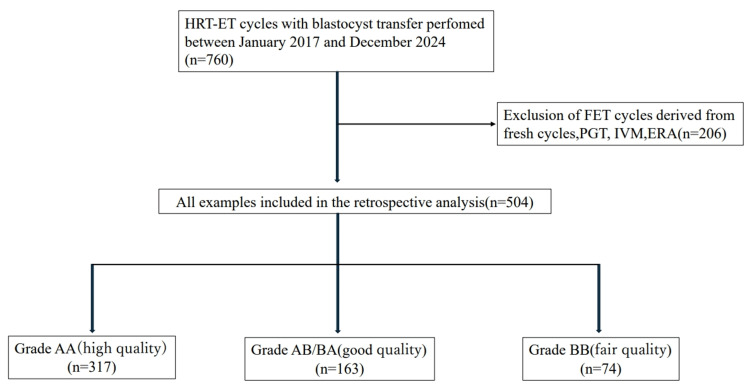 Figure 1
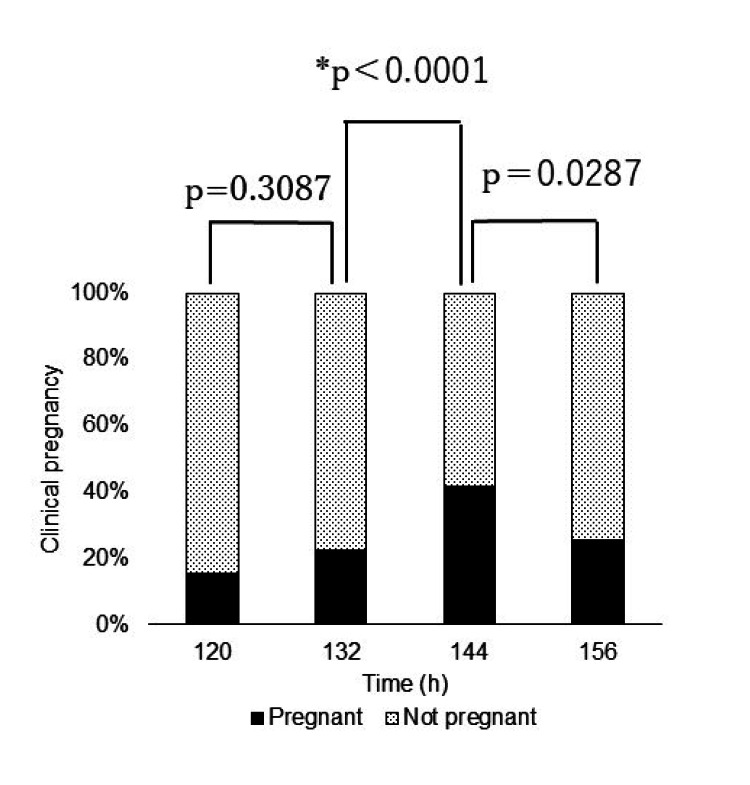 Figure 2
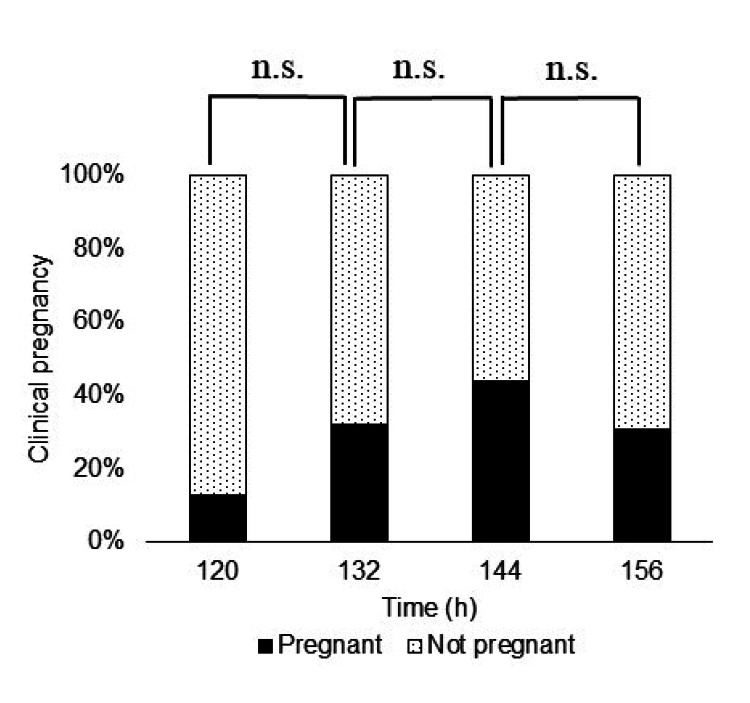 Figure 3
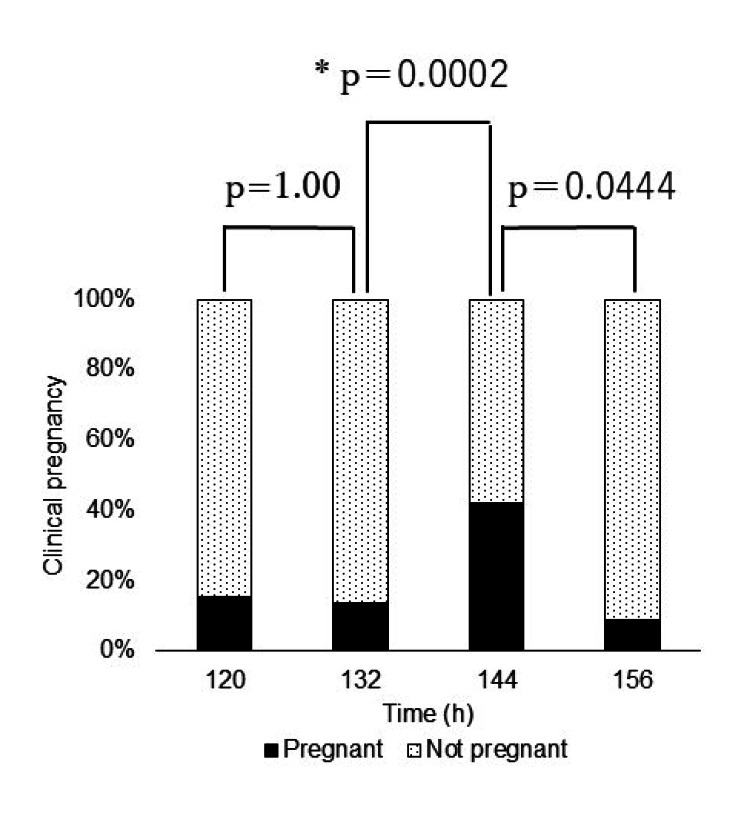 Figure 4
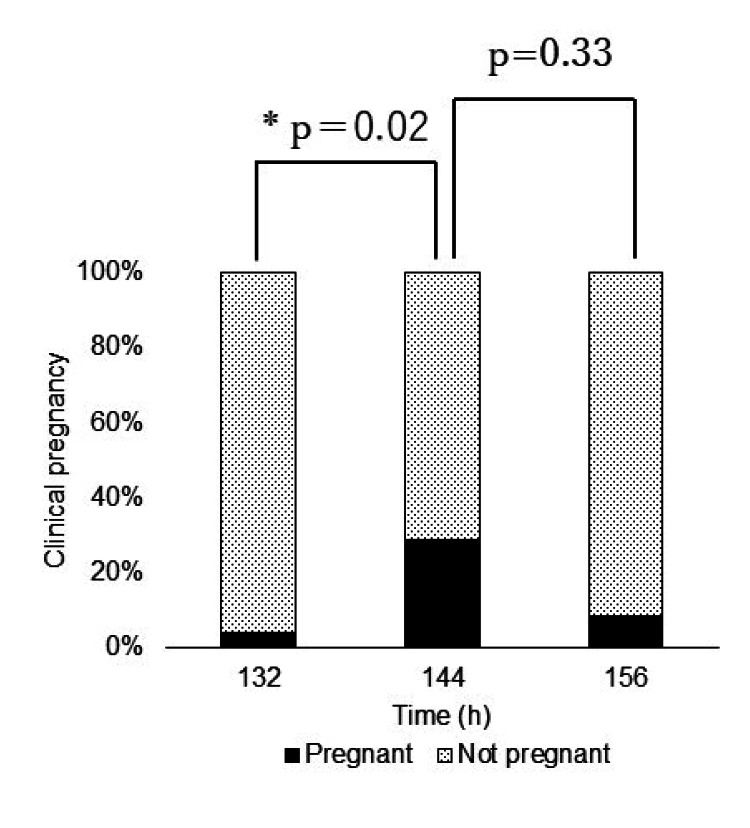 Figure 5
Peer Reviews
No public reviews on file for this paper yet. If you reviewed it on a platform where reviews are public (OpenReview, ICLR, NeurIPS, ICML), you can paste yours below so the community can read it here.
Videos
No videos yet. Explain this paper in a talk, walkthrough, or lecture? Add one.
Taxonomy
TopicsEndometriosis Research and Treatment · Ovarian function and disorders · Reproductive System and Pregnancy