Association of middle cerebral artery aneurysms and variation of the A1 segment
Xiaohui Li, Xi Yue, Zhengyuan Xie, Lina Nie, Ge Huang, Yilong Peng, Jiyong Gu, Chan Lai, Hongzhi Gao, Atakan Orscelik, Atakan Orscelik, Atakan Orscelik, Atakan Orscelik, Atakan Orscelik, Atakan Orscelik

TL;DR
This study finds that variations in the A1 segment of the circle of Willis are linked to middle cerebral artery aneurysms, affecting their occurrence and rupture.
Contribution
The study establishes a novel association between A1 dysplasia and MCA aneurysms, including their size and rupture risk.
Findings
A1 dysplasia was more common in the aneurysm group compared to the control group.
Middle cerebral artery diameter was smaller in the aneurysm group and even smaller with A1 dysplasia.
A1 dysplasia was associated with larger aneurysm sizes and increased risk of rupture.
Abstract
The disturbance of blood flow caused by variations in the circle of Willis is an important factor in the occurrence and development of aneurysms. Previous studies have confirmed that a fetal-type posterior cerebral artery(PCA) is closely related to posterior communicating artery (PcoA) aneurysms, while anatomical variations of the anterior cerebral artery (ACA) appear to correlate with the prevalence of aneurysms in the anterior communicating artery (ACoA). However, the relationship between variations in the circle of Willis and middle cerebral artery(MCA) aneurysms remains controversial. This study retrospectively analyzed the Computed Tomography Angiography (CTA) data of 269 cases of patients with intracranial aneurysms and 269 cases of patients without aneurysms at the Jiangmen Central Hospital from January 2012 to December 2023. The 3D-Slicer software was utilized to measure the…
Genes, proteins, chemicals, diseases, species, mutations and cell lines named across the full text — each resolved to its canonical identifier and authoritative record.
Click any figure to enlarge with its caption.
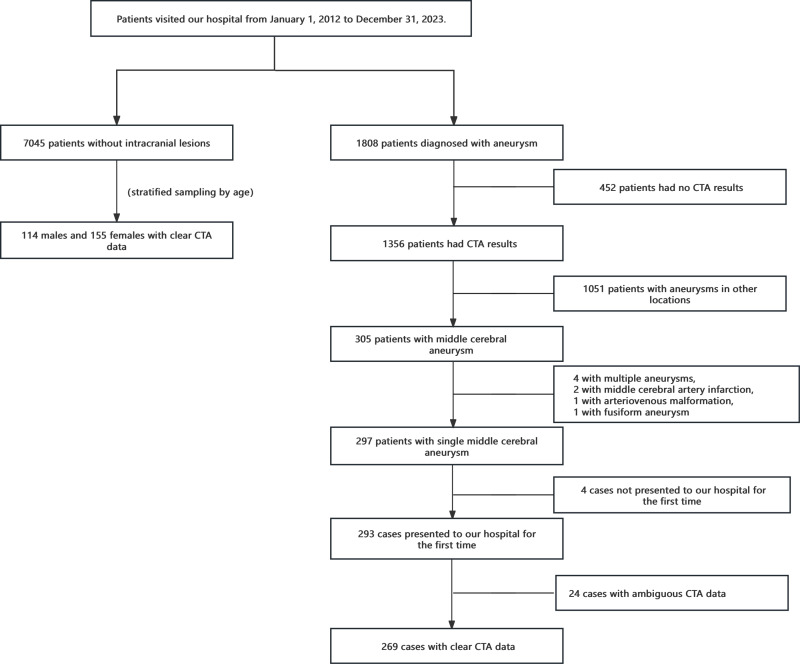 Figure 1
 Figure 2
 Figure 3
 Figure 4
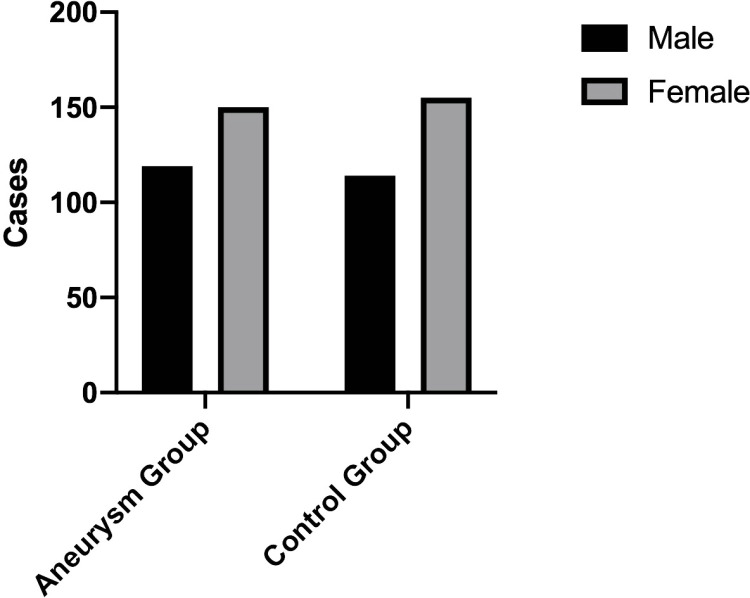 Figure 5
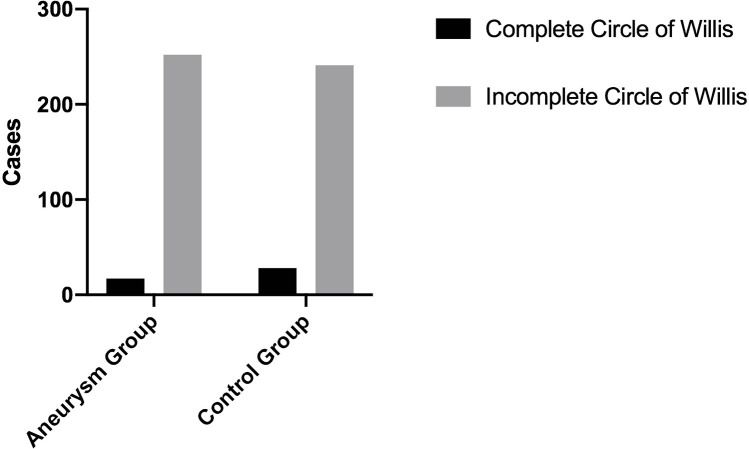 Figure 6
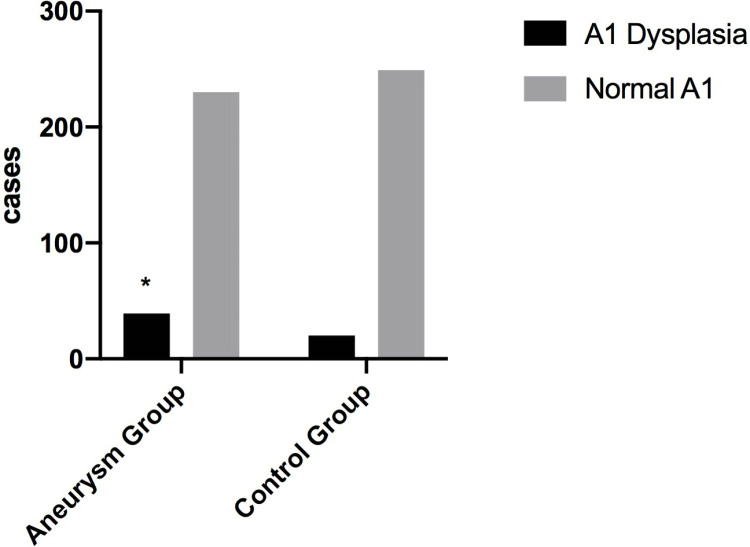 Figure 7
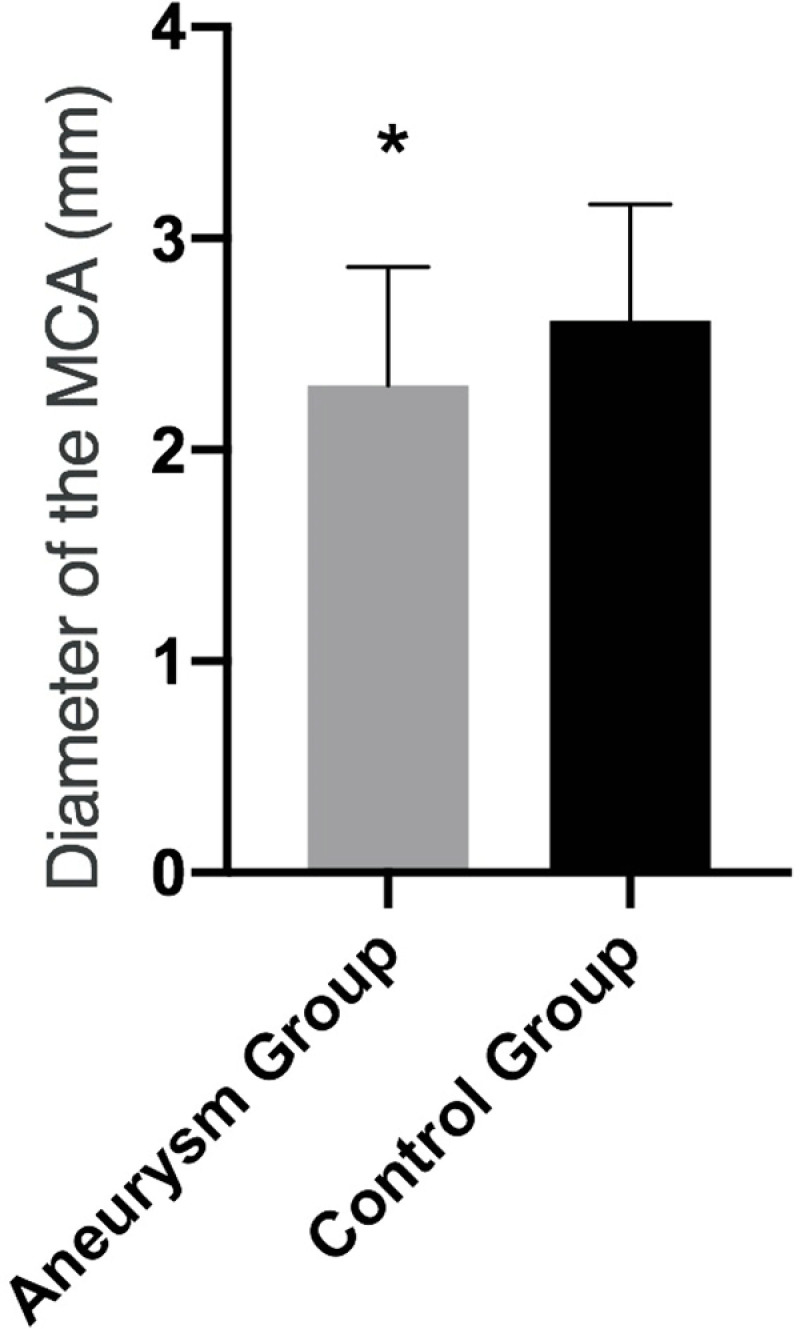 Figure 8
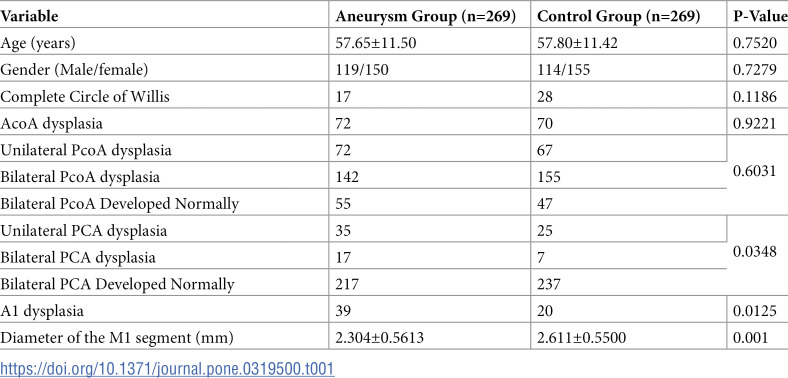 Figure 9
 Figure 10
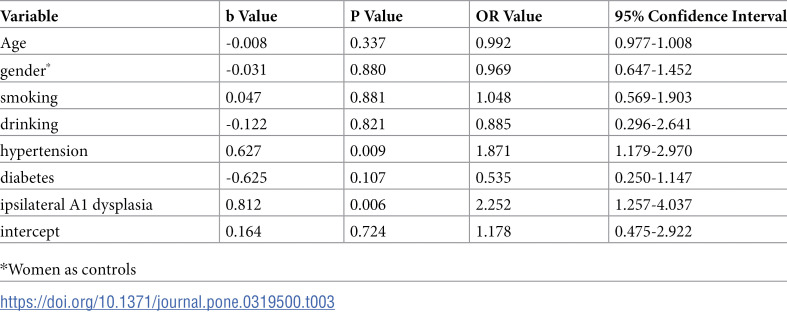 Figure 11
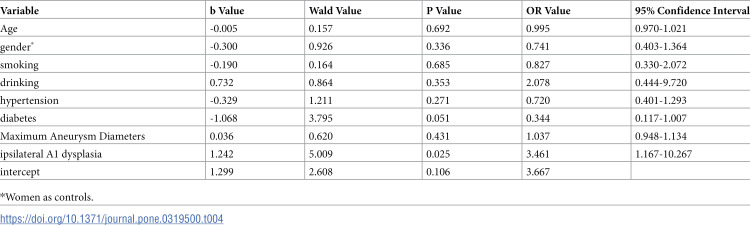 Figure 12
Peer Reviews
No public reviews on file for this paper yet. If you reviewed it on a platform where reviews are public (OpenReview, ICLR, NeurIPS, ICML), you can paste yours below so the community can read it here.
Videos
No videos yet. Explain this paper in a talk, walkthrough, or lecture? Add one.
Taxonomy
TopicsIntracranial Aneurysms: Treatment and Complications · Cerebrovascular and Carotid Artery Diseases · Moyamoya disease diagnosis and treatment