AI-driven balance evaluation: a comparative study between blind and non-blind individuals using the mini-BESTest
Milagros Jaén-Vargas, Josué Pagán, Shiyang Li, María Fernanda Trujillo-Guerrero, Niloufar Kazemi, Alessio Sansò, Benito Codina-Casals, Roy Abi Zeid Daou, Jose Javier Serrano Olmedo

TL;DR
This study compares balance in blind and sighted people using a balance test and sensors, finding that one-legged stance best differentiates them.
Contribution
First study to evaluate balance in blind individuals using the mini-BESTest and inertial measurement units.
Findings
One-legged stance activity best differentiates blind and sighted individuals in balance evaluation.
Physiotherapists' evaluations are not fully aligned with test criteria based on acceleration data analysis.
Machine learning models achieved an 85.6% F1-score in predicting mini-BESTest scores in binary classification.
Abstract
There are 2.2 billion visually impaired individuals and 285 million blind people worldwide. The vestibular system plays a fundamental role in the balance of a person related to sight and hearing, and thus blind people require physical therapy to improve their balance. Several clinical tests have been developed to evaluate balance, such as the mini-BESTest. This test has been used to evaluate the balance of people with neurological diseases, but there have been no studies that evaluate the balance of blind individuals before. Furthermore, despite the scoring of these tests being not subjective, the performance of some activities are subject to the physiotherapist’s bias. Tele-rehabilitation is a growing field that aims to provide physical therapy to people with disabilities. Among the technologies used in tele-rehabilitation are inertial measurement units that can be used to monitor the…
Genes, proteins, chemicals, diseases, species, mutations and cell lines named across the full text — each resolved to its canonical identifier and authoritative record.
Click any figure to enlarge with its caption.
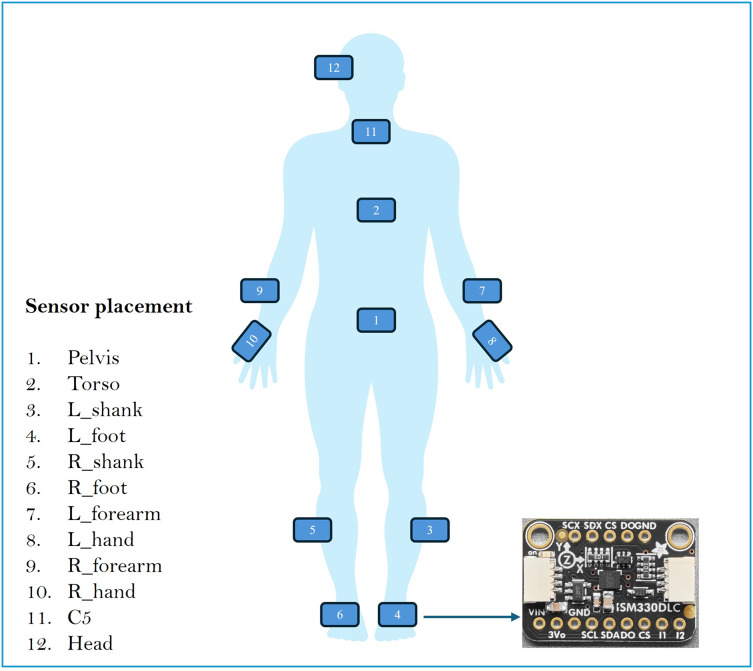 Figure 1
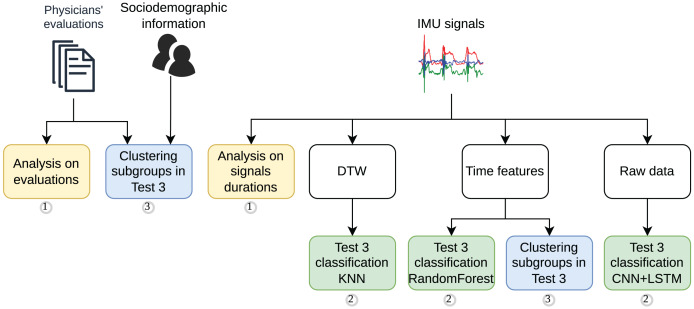 Figure 2
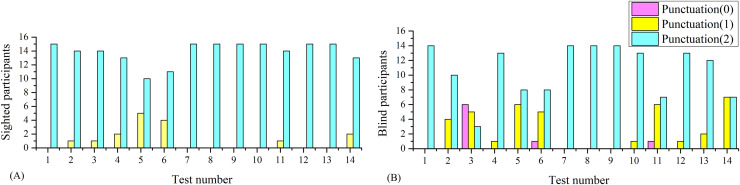 Figure 3
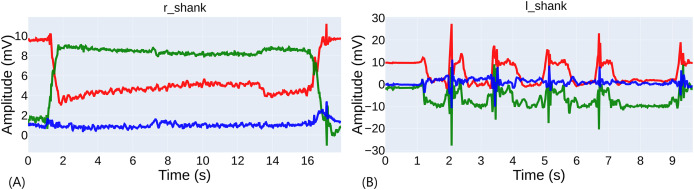 Figure 4
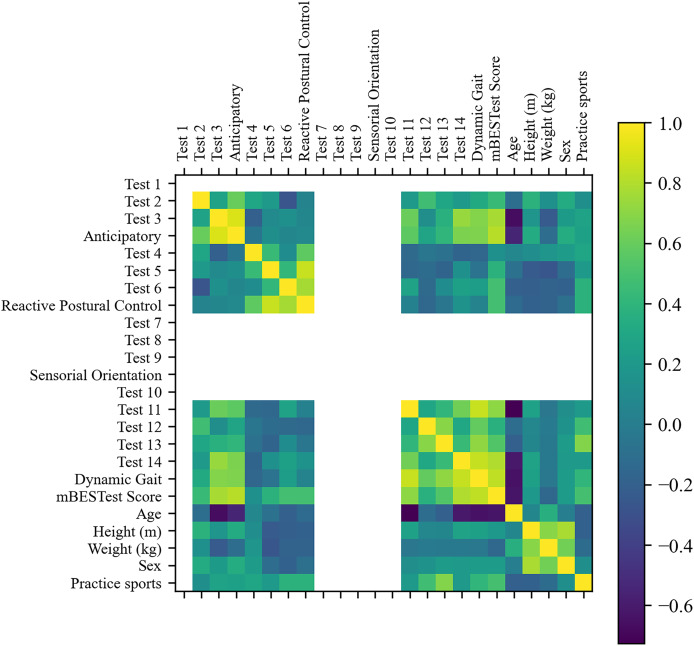 Figure 5
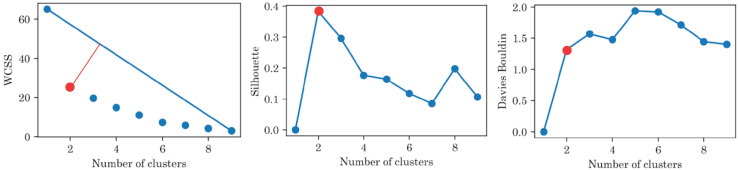 Figure 6
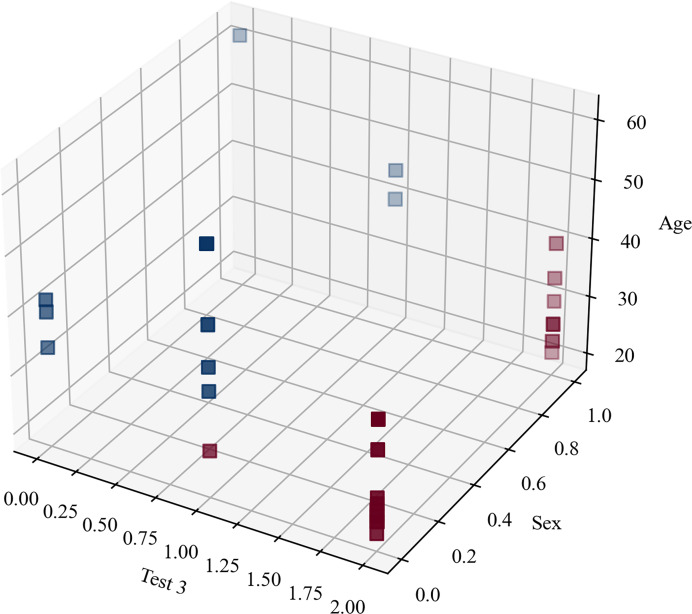 Figure 7
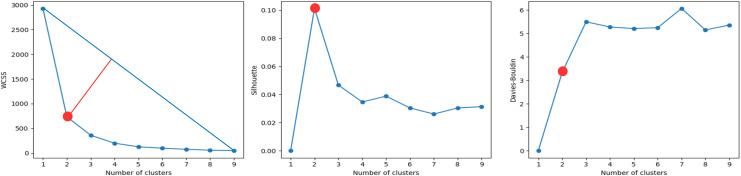 Figure 8
 Figure 9
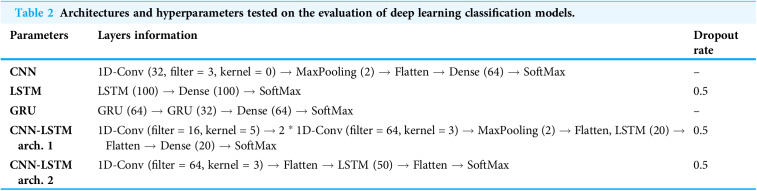 Figure 10
 Figure 11
 Figure 12
 Figure 13
 Figure 14
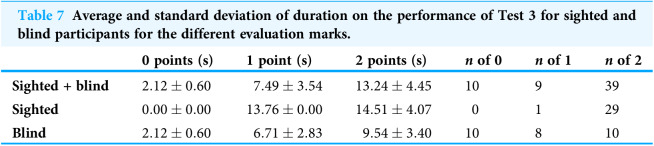 Figure 15
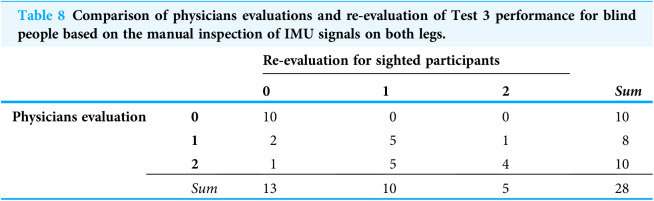 Figure 16
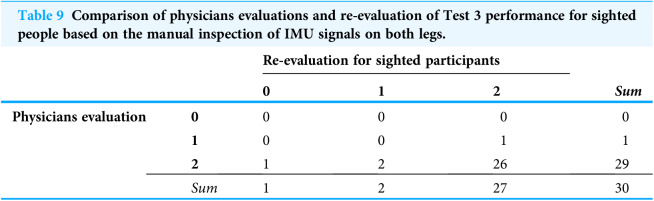 Figure 17
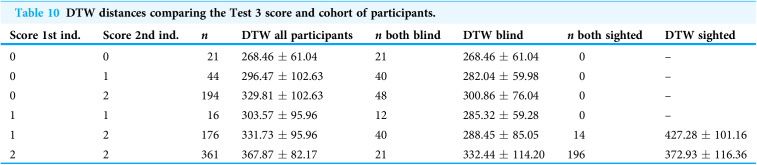 Figure 18
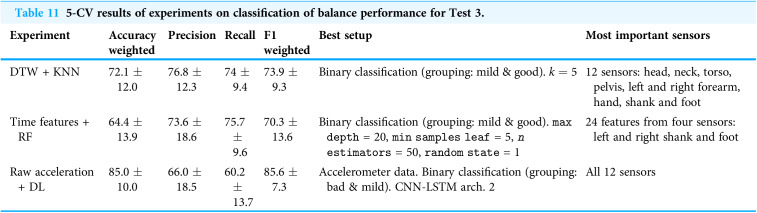 Figure 19
 Figure 20
 Figure 21
 Figure 22
 Figure 23
 Figure 24
 Figure 25
 Figure 26
 Figure 27
 Figure 28
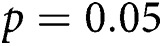 Figure 29
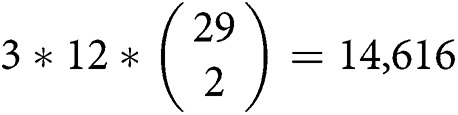 Figure 30
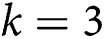 Figure 31
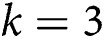 Figure 32
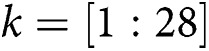 Figure 33
 Figure 34
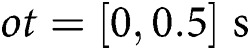 Figure 35
 Figure 36
 Figure 37
 Figure 38
 Figure 39
 Figure 40
 Figure 41
 Figure 42
 Figure 43
 Figure 44
 Figure 45
 Figure 46
 Figure 47
 Figure 48
 Figure 49
 Figure 50
Peer Reviews
No public reviews on file for this paper yet. If you reviewed it on a platform where reviews are public (OpenReview, ICLR, NeurIPS, ICML), you can paste yours below so the community can read it here.
Videos
No videos yet. Explain this paper in a talk, walkthrough, or lecture? Add one.
Taxonomy
TopicsBalance, Gait, and Falls Prevention · Diabetic Foot Ulcer Assessment and Management · Stroke Rehabilitation and Recovery