Enhanced transformer for length-controlled abstractive summarization based on summary output area
Yusuf Sunusi, Nazlia Omar, Lailatul Qadri Zakaria

TL;DR
This paper introduces a new method for generating summaries of specific lengths by using an image processing phase to determine the summary size.
Contribution
The novel approach integrates image processing to control summary length, improving relevance within given constraints.
Findings
The model successfully adapts summaries to fit specific output slot sizes.
Experiments on the CNN/Daily Mail dataset show superior performance in length-controlled summarization.
The method outperforms prior techniques that rely on predefined lengths.
Abstract
Recent advancements in abstractive summarization models, particularly those built on encoder-decoder architectures, typically produce a single summary for each source text. Controlling the length of summaries is crucial for practical applications, such as crafting cover summaries for newspapers or magazines with varying slot sizes. Current research in length-controllable abstractive summarization employs techniques like length embeddings in the decoder module or a word-level extractive module in the encoder-decoder model. However, these approaches, while effective in determining when to halt decoding, fall short in selecting relevant information to include within the specified length constraint. This article diverges from prior models reliant on predefined lengths. Instead, it introduces a novel approach to length-controllable abstractive summarization by integrating an image processing…
Genes, proteins, chemicals, diseases, species, mutations and cell lines named across the full text — each resolved to its canonical identifier and authoritative record.
Click any figure to enlarge with its caption.
 Figure 1
 Figure 2
 Figure 3
 Figure 4
 Figure 5
 Figure 6
 Figure 7
 Figure 8
 Figure 9
 Figure 10
 Figure 11
 Figure 12
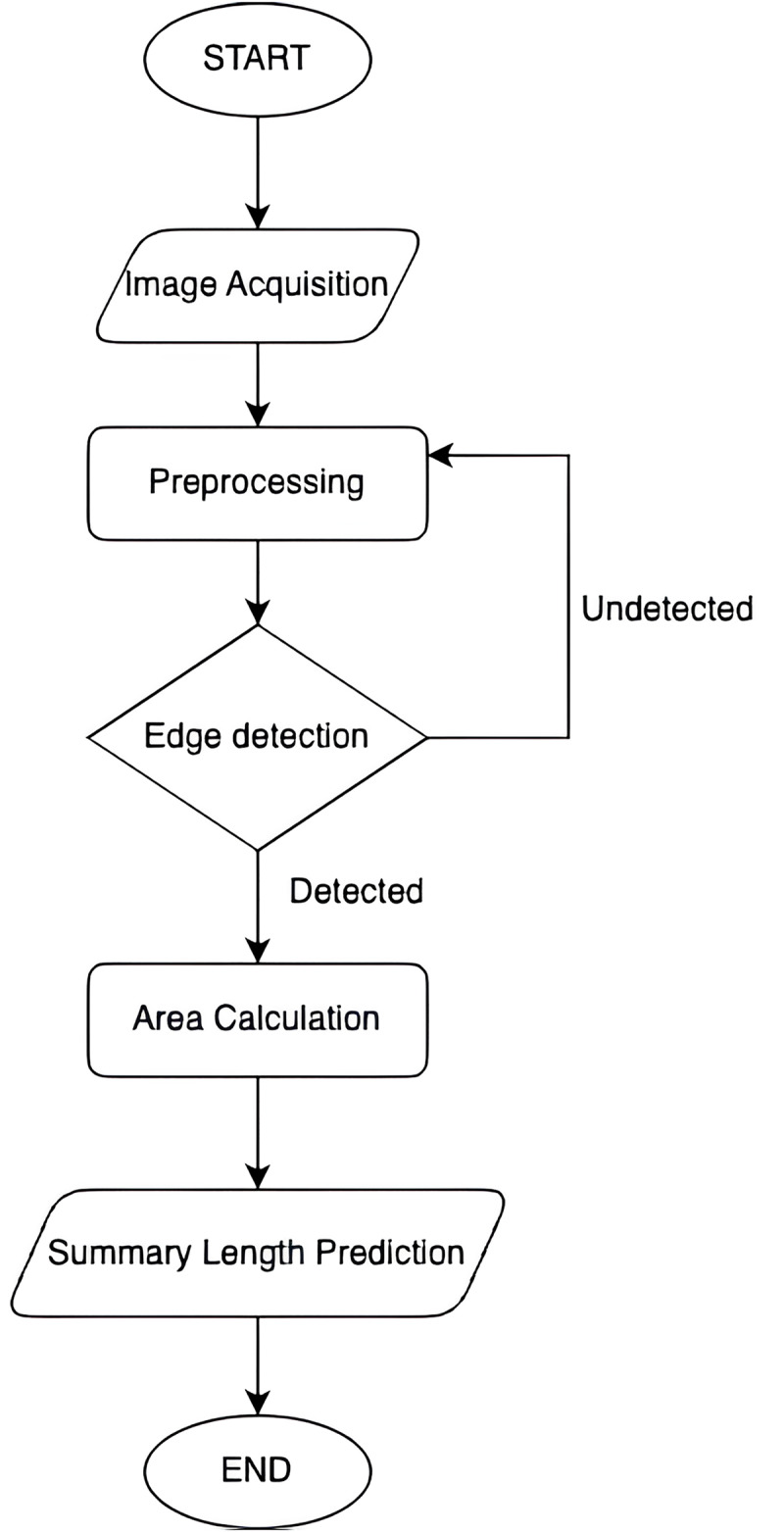 Figure 13
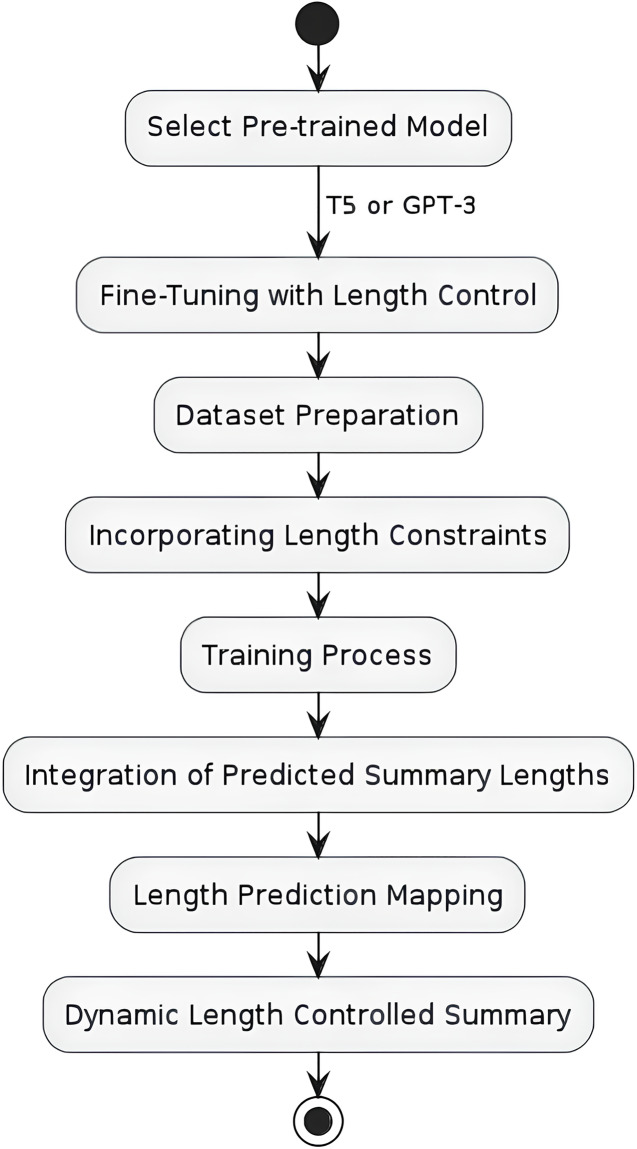 Figure 14
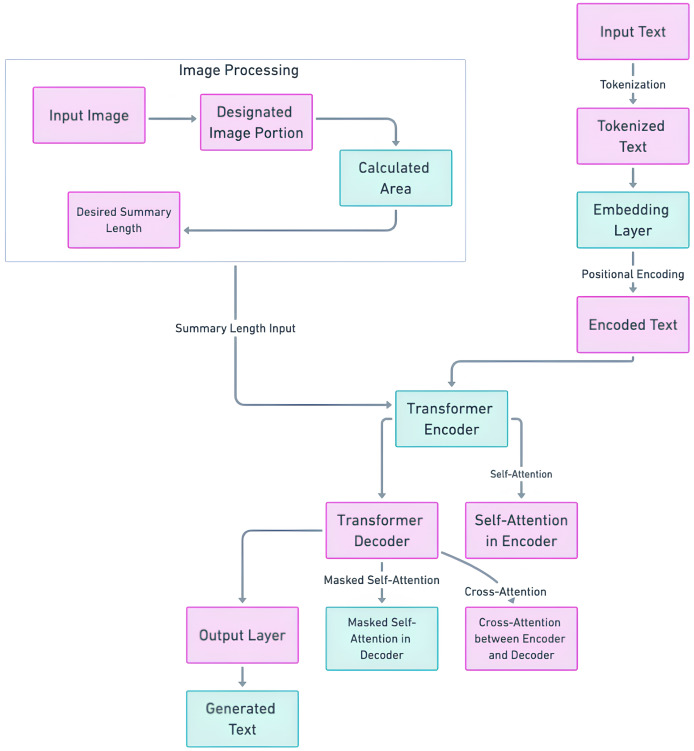 Figure 15
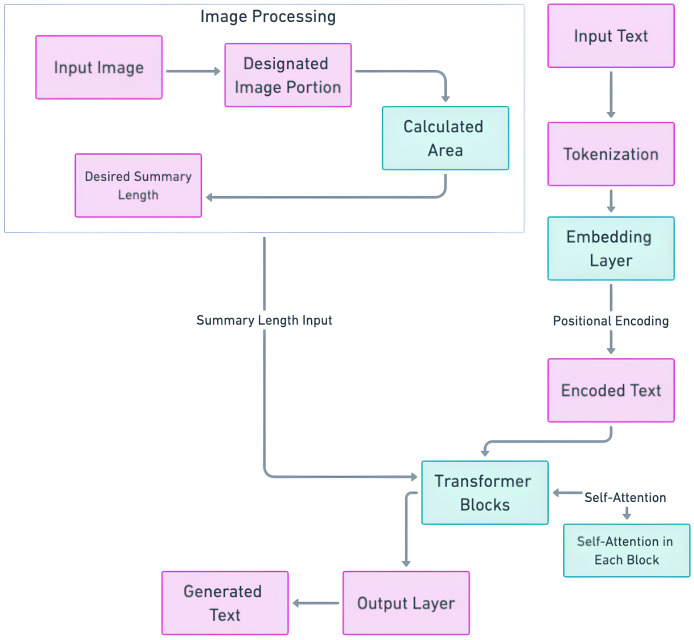 Figure 16
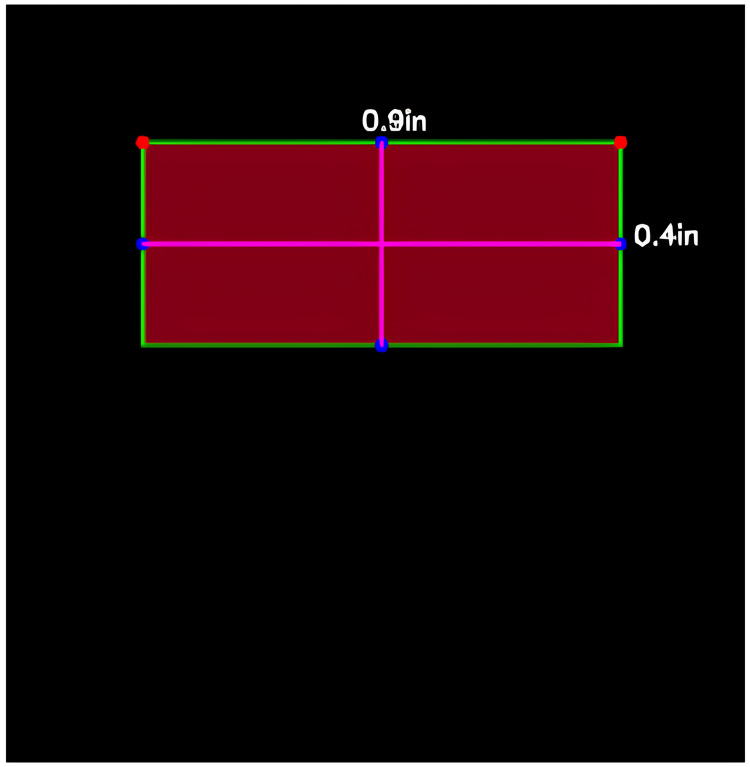 Figure 17
 Figure 18
 Figure 19
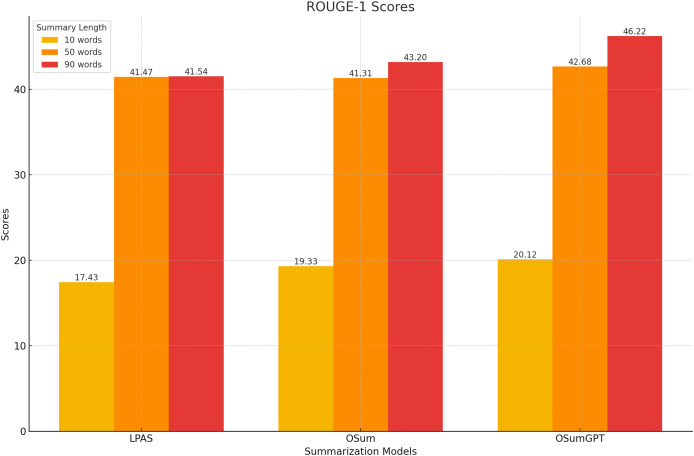 Figure 20
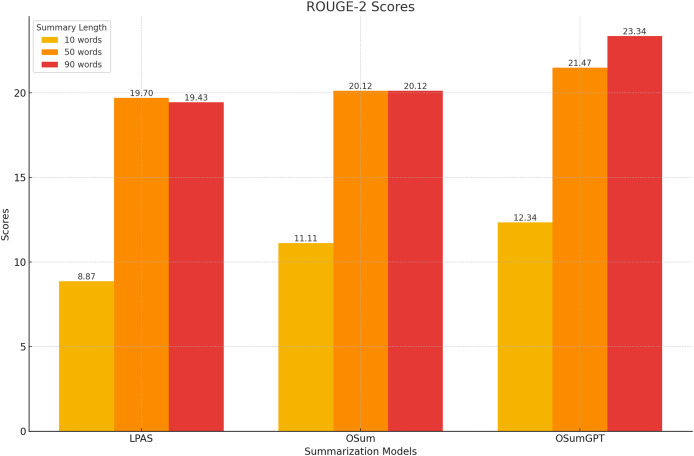 Figure 21
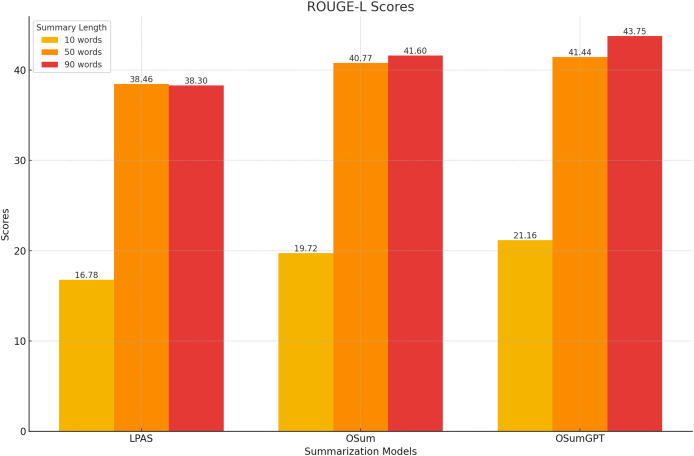 Figure 22
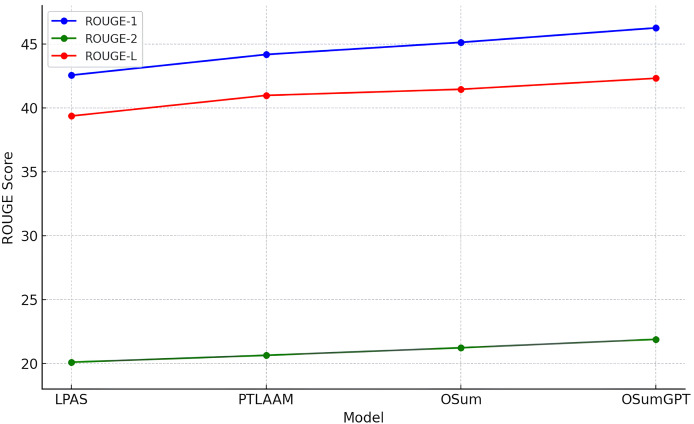 Figure 23
 Figure 24
 Figure 25
 Figure 26
 Figure 27
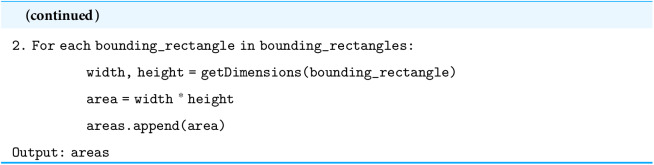 Figure 28
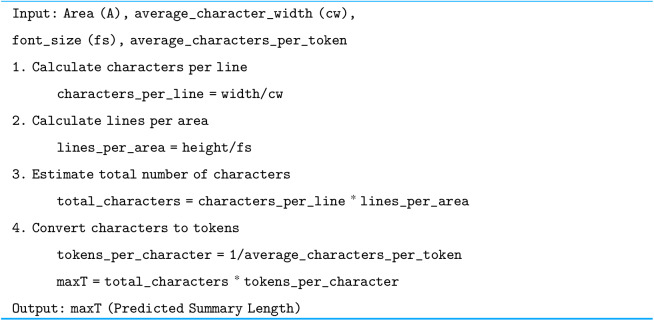 Figure 29
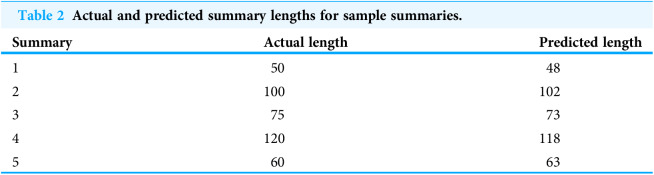 Figure 30
 Figure 31
 Figure 32
 Figure 33
 Figure 34
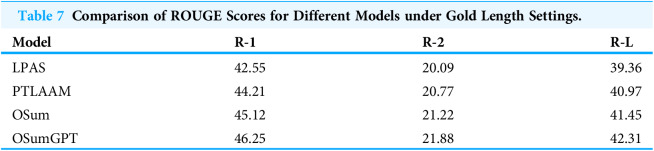 Figure 35
 Figure 36
 Figure 37
 Figure 38
 Figure 39
 Figure 40
 Figure 41
 Figure 42
 Figure 43
 Figure 44
 Figure 45
 Figure 46
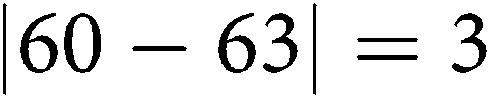 Figure 47
Peer Reviews
No public reviews on file for this paper yet. If you reviewed it on a platform where reviews are public (OpenReview, ICLR, NeurIPS, ICML), you can paste yours below so the community can read it here.
Videos
No videos yet. Explain this paper in a talk, walkthrough, or lecture? Add one.
Taxonomy
TopicsTopic Modeling · Natural Language Processing Techniques · Multimodal Machine Learning Applications