Facial expression recognition using visible and IR by early fusion of deep learning with attention mechanism
Muhammad Tahir Naseem, Chan-Su Lee, Tariq Shahzad, Muhammad Adnan Khan, Adnan M. Abu-Mahfouz, Khmaies Ouahada

TL;DR
This paper introduces a deep learning method with attention mechanisms to improve facial expression recognition using visible and infrared data, achieving state-of-the-art results.
Contribution
The novelty lies in the early fusion of visible and infrared data with an attention-enhanced ResNet-18 model for improved facial expression recognition.
Findings
The multi-modal approach achieved 84.44% accuracy on the VIRI database.
The model reached 85.20% accuracy on the NVIE database, surpassing prior methods.
Abstract
Facial expression recognition (FER) has garnered significant attention due to advances in artificial intelligence, particularly in applications like driver monitoring, healthcare, and human-computer interaction, which benefit from deep learning techniques. The motivation of this research is to address the challenges of accurately recognizing emotions despite variations in expressions across emotions and similarities between different expressions. In this work, we propose an early fusion approach that combines features from visible and infrared modalities using publicly accessible VIRI and NVIE databases. Initially, we developed single-modality models for visible and infrared datasets by incorporating an attention mechanism into the ResNet-18 architecture. We then extended this to a multi-modal early fusion approach using the same modified ResNet-18 with attention, achieving superior…
Genes, proteins, chemicals, diseases, species, mutations and cell lines named across the full text — each resolved to its canonical identifier and authoritative record.
Click any figure to enlarge with its caption.
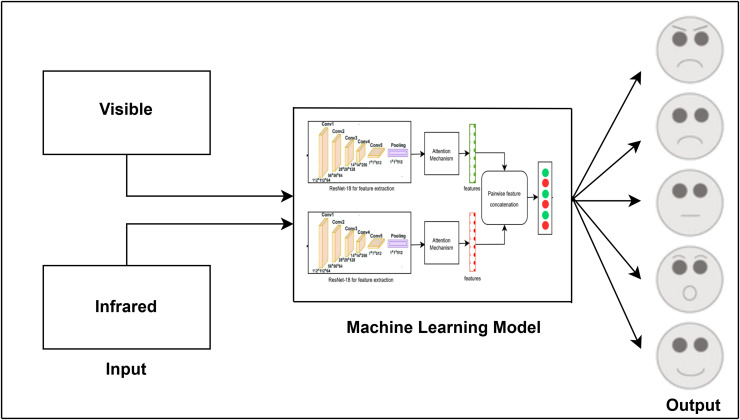 Figure 1
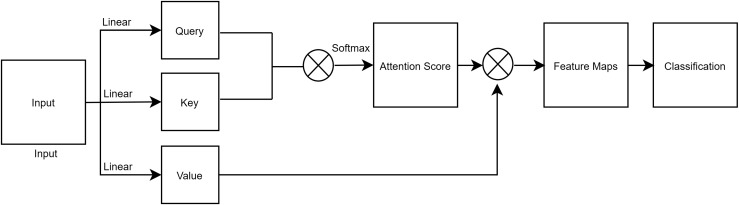 Figure 2
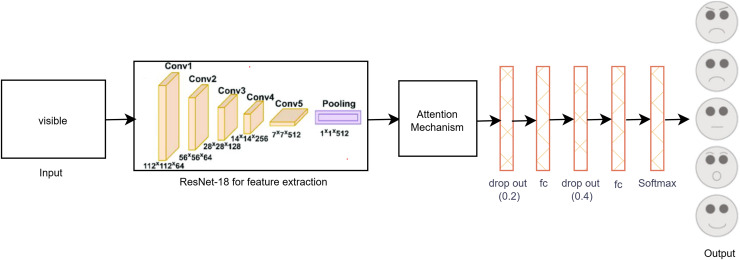 Figure 3
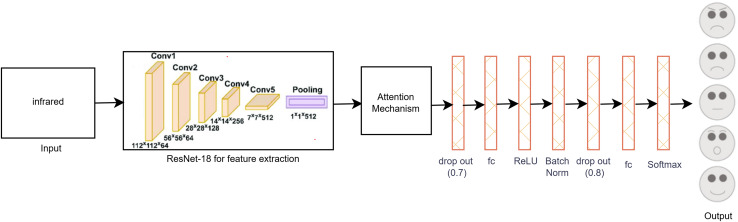 Figure 4
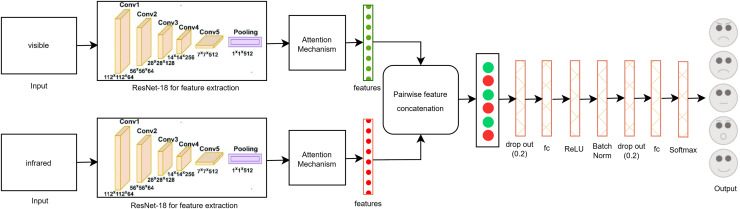 Figure 5
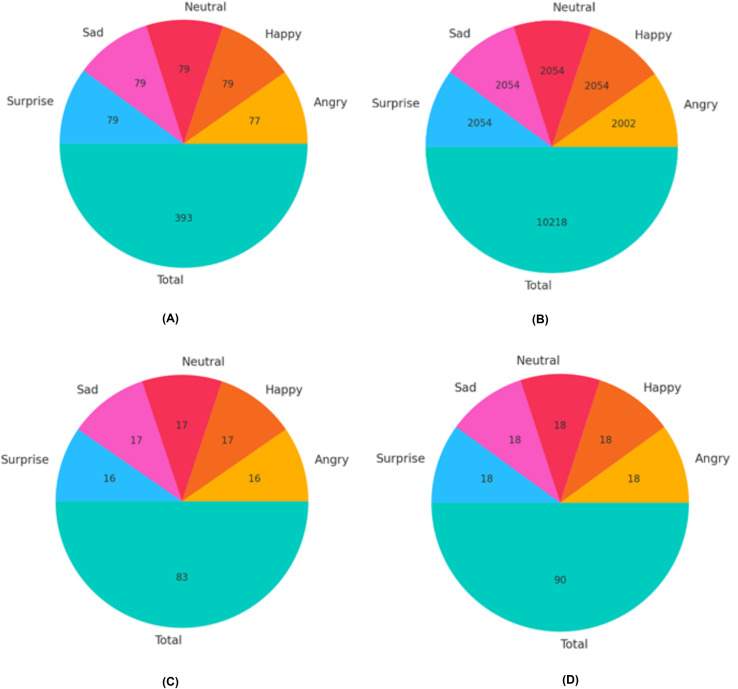 Figure 6
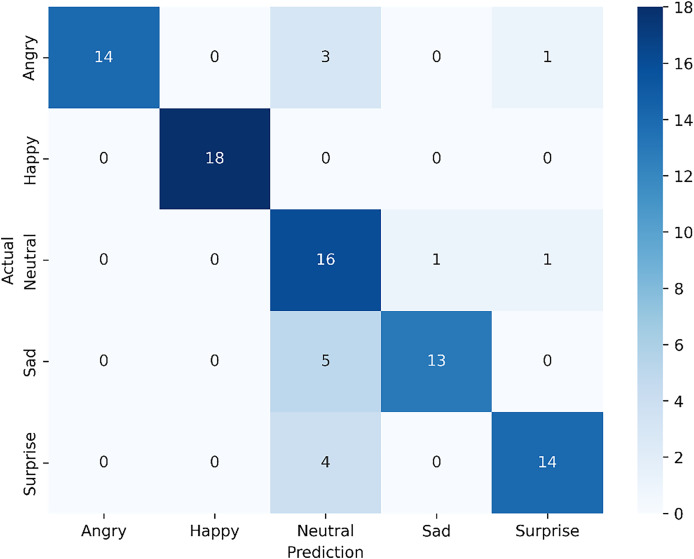 Figure 7
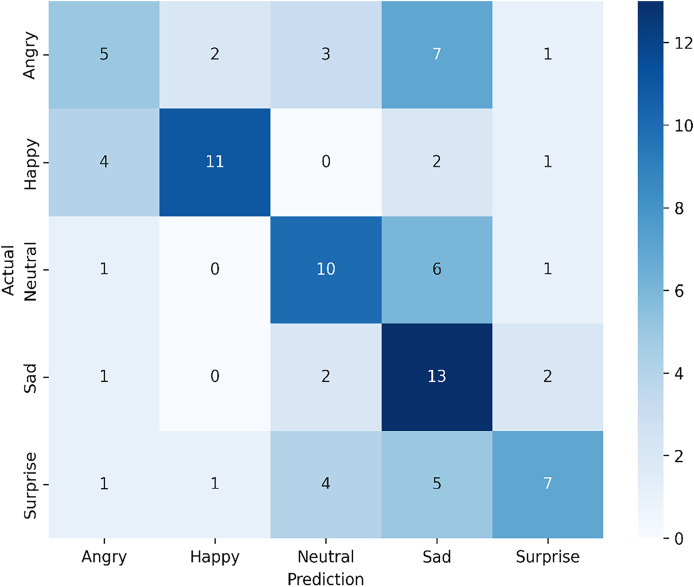 Figure 8
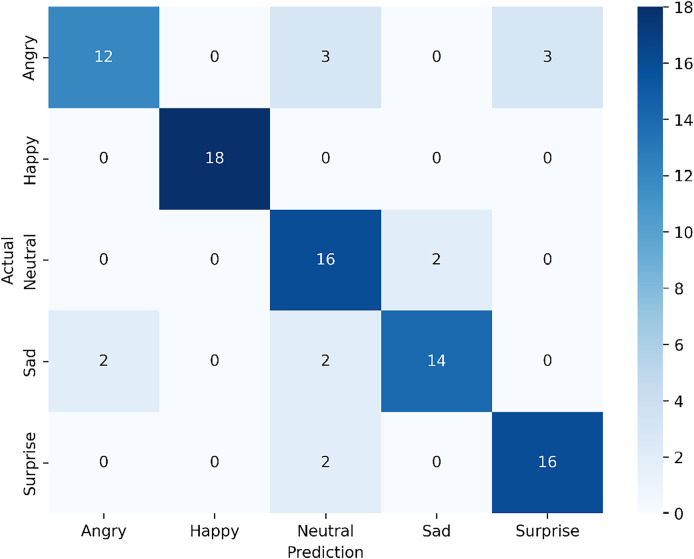 Figure 9
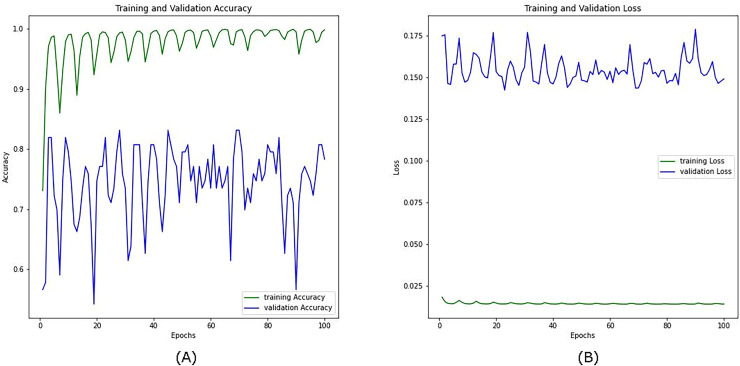 Figure 10
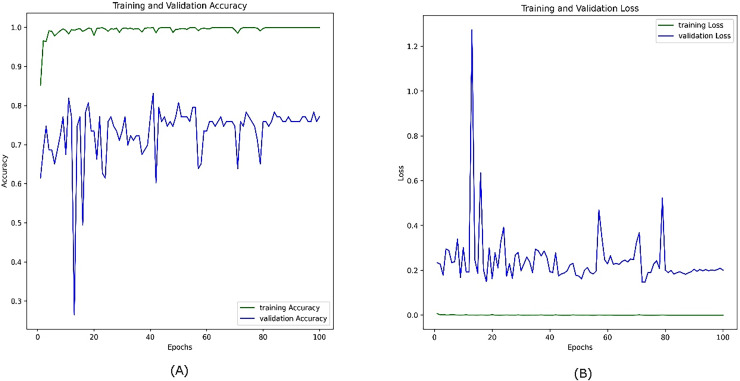 Figure 11
 Figure 12
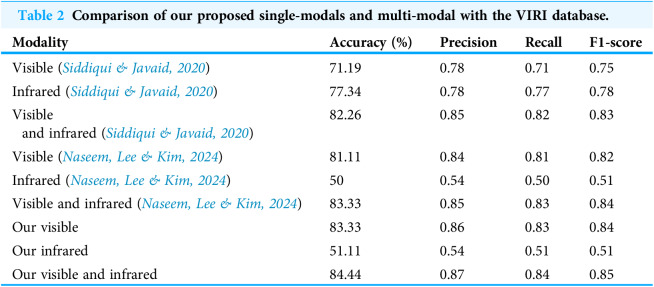 Figure 13
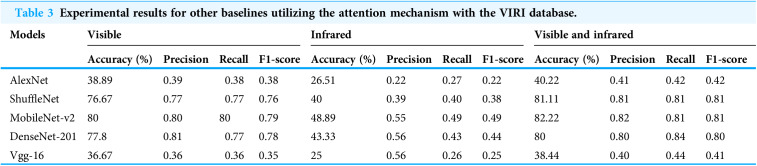 Figure 14
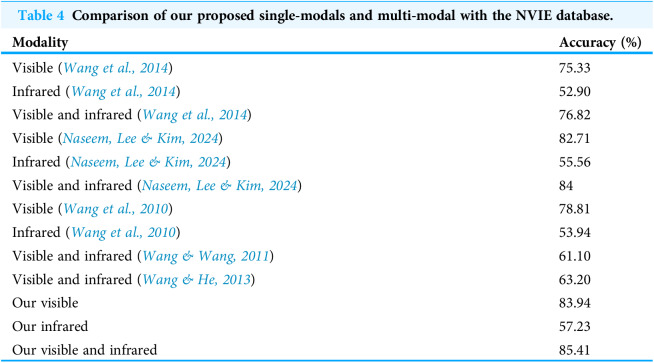 Figure 15
Peer Reviews
No public reviews on file for this paper yet. If you reviewed it on a platform where reviews are public (OpenReview, ICLR, NeurIPS, ICML), you can paste yours below so the community can read it here.
Videos
No videos yet. Explain this paper in a talk, walkthrough, or lecture? Add one.
Taxonomy
TopicsEmotion and Mood Recognition · Gaze Tracking and Assistive Technology · Face and Expression Recognition