Impact of Reactant Dissolution in the Kinetics of a Catalytic Hydrogenation for the Production of Argatroban
Filippo Nanto, Dario Ciato, Mariano Stivanello, Paolo Canu

TL;DR
This study examines how reactant dissolution affects the hydrogenation process for making Argatroban, showing how temperature, stirring, and catalyst loading influence reaction efficiency and accuracy of measurements.
Contribution
The paper introduces a refined first-principles model that incorporates catalyst effects on dissolution and improves prediction accuracy.
Findings
Increasing temperature from 40 to 80 °C reduced batch time by 58% but increased impurities.
Catalyst loading significantly affects reagent dissolution rate and batch time.
A refined model incorporating dissolution mass transfer improved prediction accuracy of reaction kinetics.
Abstract
An experimental study was performed for a fed-batch catalytic hydrogenation for the production of Argatroban. The penultimate expensive and scarcely available intermediate is characterized by a slow dissolution rate that evolves in parallel with the reaction process. The study investigated the coupling between the reaction and dissolution kinetics. In these circumstances, the standard Area Percentage method in HPLC was found to be misleading, requiring calibration and then absolute peak area measurements to correctly identify the dissolution rate and thus the actual chemical kinetics. Experiments quantified the role of the temperature, stirring rate, and catalyst loading. Shifting from 40 to 80 °C reduced the batch time by 58%, although higher temperatures promoted the formation of undesired impurities. Stirring rate controlled the initial reaction phases when reagent dissolution is…
Genes, proteins, chemicals, diseases, species, mutations and cell lines named across the full text — each resolved to its canonical identifier and authoritative record.
Click any figure to enlarge with its caption.
 Figure 1
 Figure 2
 Figure 3
 Figure 4
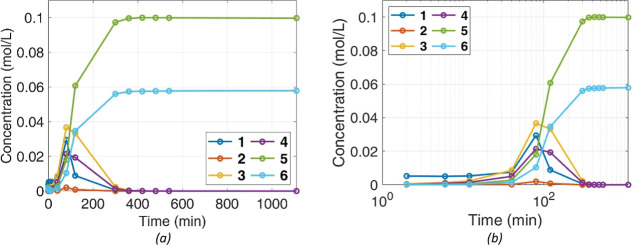 Figure 5
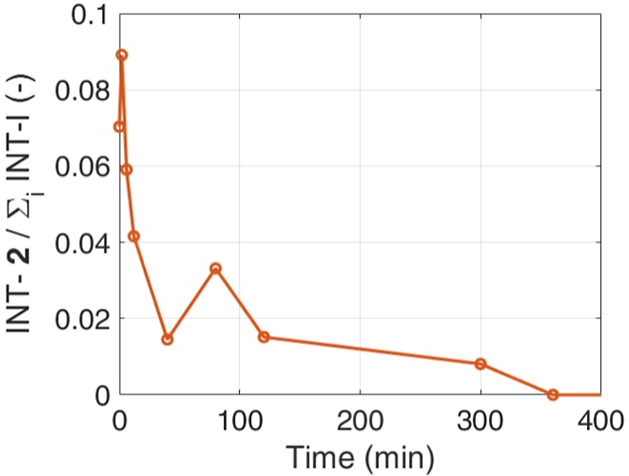 Figure 6
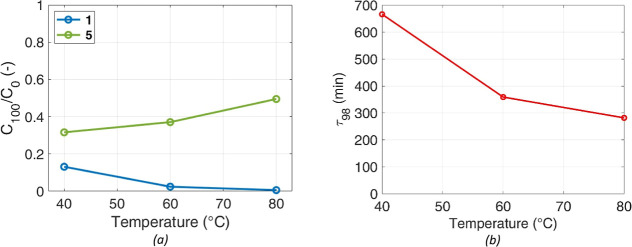 Figure 7
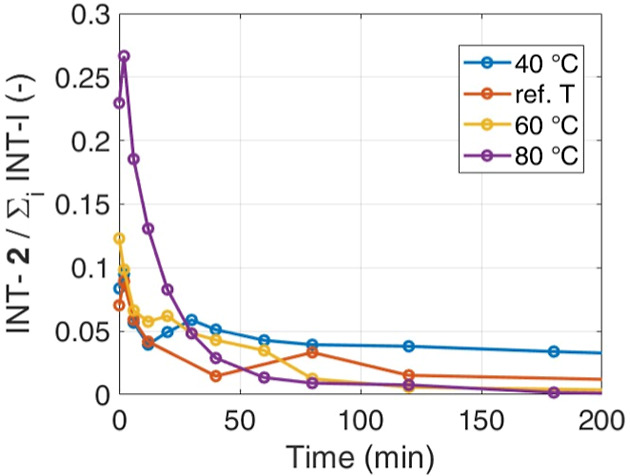 Figure 8
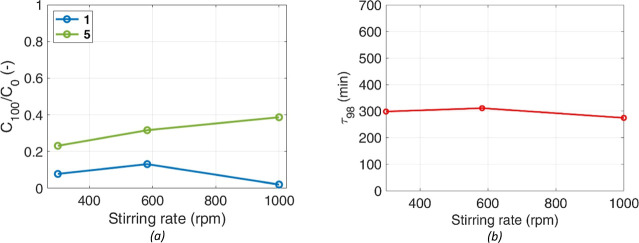 Figure 9
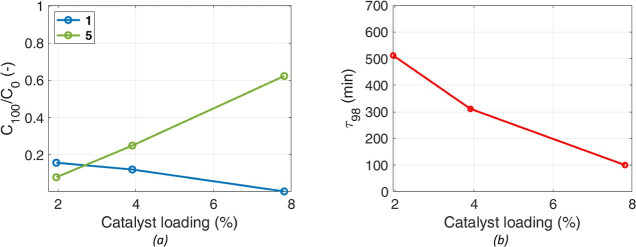 Figure 10
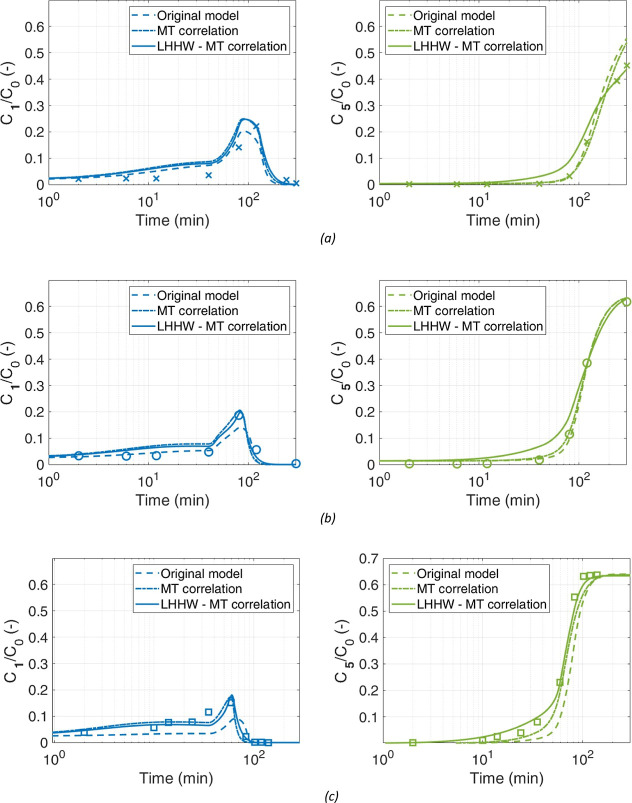 Figure 11
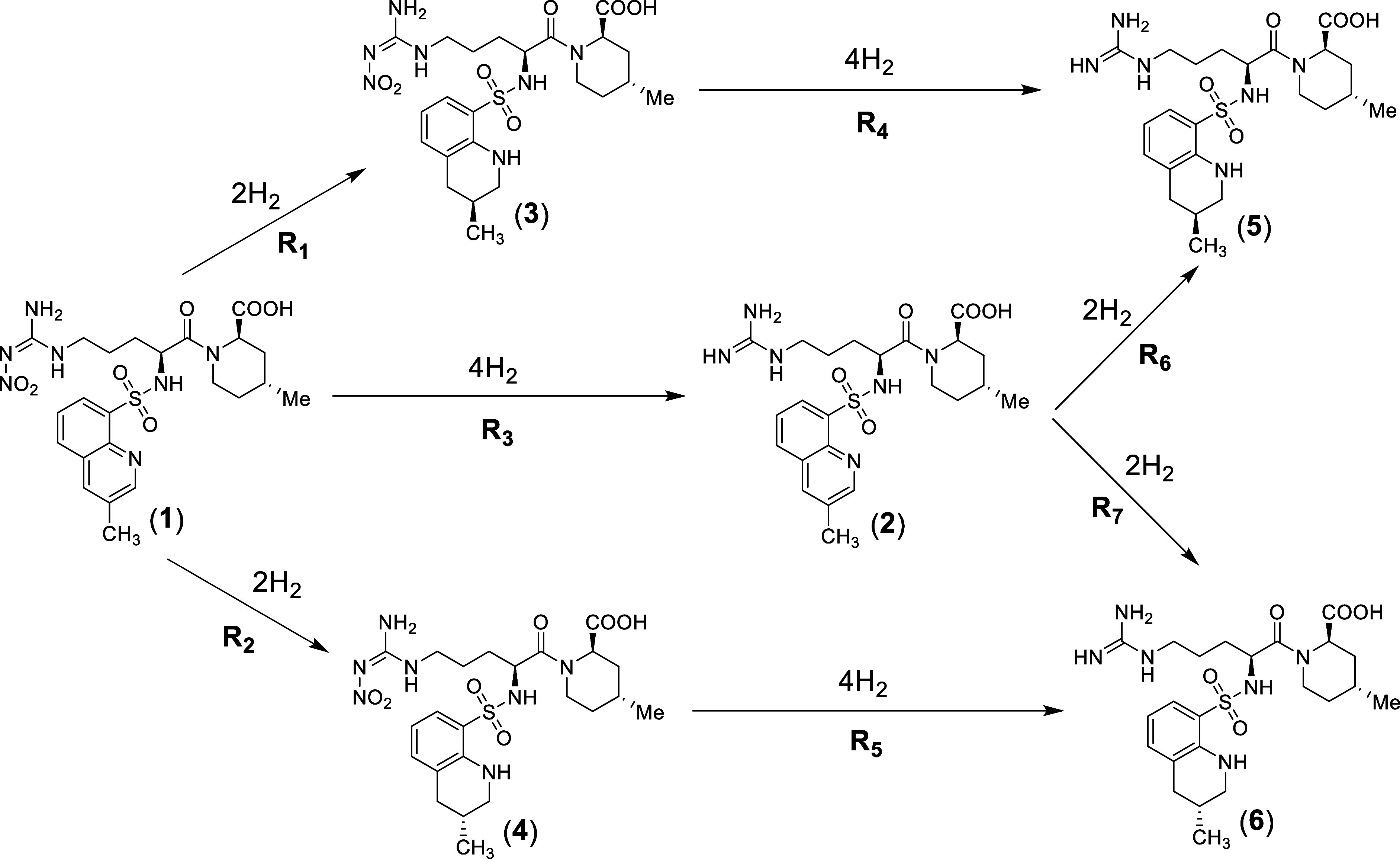 Figure 12
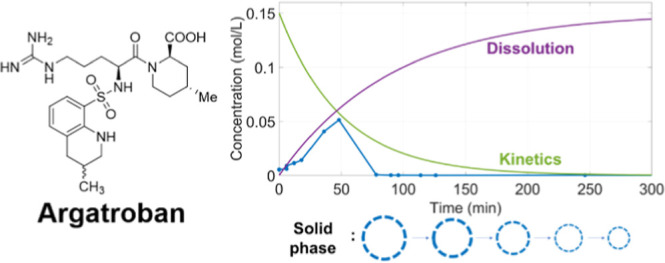 Figure 13
 Figure 14
 Figure 15
 Figure 16
 Figure 17
 Figure 18
 Figure 19
 Figure 20
 Figure 21
 Figure 22
 Figure 23
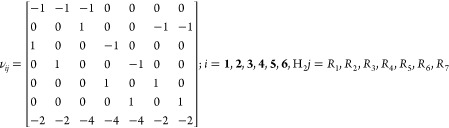 Figure 24
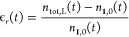 Figure 25
 Figure 26
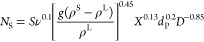 Figure 27
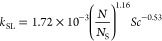 Figure 28
Peer Reviews
No public reviews on file for this paper yet. If you reviewed it on a platform where reviews are public (OpenReview, ICLR, NeurIPS, ICML), you can paste yours below so the community can read it here.
Videos
No videos yet. Explain this paper in a talk, walkthrough, or lecture? Add one.
Taxonomy
TopicsInnovative Microfluidic and Catalytic Techniques Innovation · Crystallization and Solubility Studies · Thermal and Kinetic Analysis