Ultrasensitive detection of 2,4-dichlorophenoxyacetic acid by inhibiting alkaline phosphatase immobilized onto a highly porous gold nanocoral electrode
Angelo Tricase, Michele Catacchio, Verdiana Marchianò, Eleonora Macchia, Paolo Bollella, Luisa Torsi

TL;DR
A highly sensitive biosensor was developed to detect the herbicide 2,4-D in agricultural samples with exceptional accuracy and speed.
Contribution
The biosensor achieves detection limits 7–8 orders of magnitude below regulatory thresholds using a novel gold nanocoral electrode and enzyme immobilization method.
Findings
The biosensor has a linear detection range from 0.002 to 22 ppt with a sensitivity of 0.121 ± 0.006 ppt−1.
Average recoveries in wheat leaf samples exceeded 96% with RSD values under 9.8%.
The biosensor maintained 84% operational stability after 30 hours and 94% storage stability after 120 days.
Abstract
Herein, we describe the design and implementation of an ultrasensitive enzyme inhibition-based biosensor for 2,4-dichlorophenoxyacetic acid (2,4-D) detection. The biosensor utilizes alkaline phosphatase (AlP), immobilized on a photo-crosslinked polymer matrix of poly(vinyl alcohol) functionalized with N-methyl-4(4′-formylstyryl)pyridinium (PVA-SbQ), supported by electrodes coated with highly porous gold nanocorals (hPGNCs). After preliminary electrochemical and morphological characterization, the PVA-SbQ/AlP/hPGNC electrode was tested for inhibition studies employing ascorbate 2-phosphate (A2P) as the initial substrate. The biosensor preparation/sensing time from electrode preparation to final results is approximately 45 minutes, which enables the possibility to easily scale up the electrode production process on a daily basis with a reliable analytical result in only 5 minutes of…
Genes, proteins, chemicals, diseases, species, mutations and cell lines named across the full text — each resolved to its canonical identifier and authoritative record.
Click any figure to enlarge with its caption.
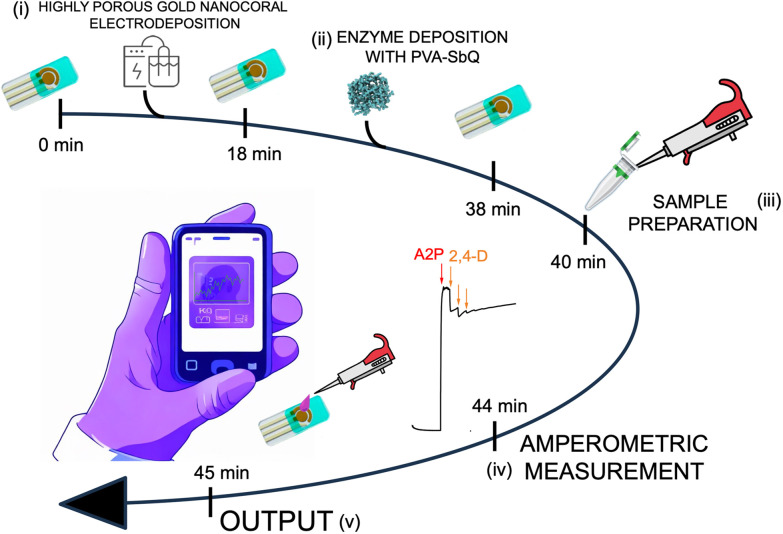 Figure 1
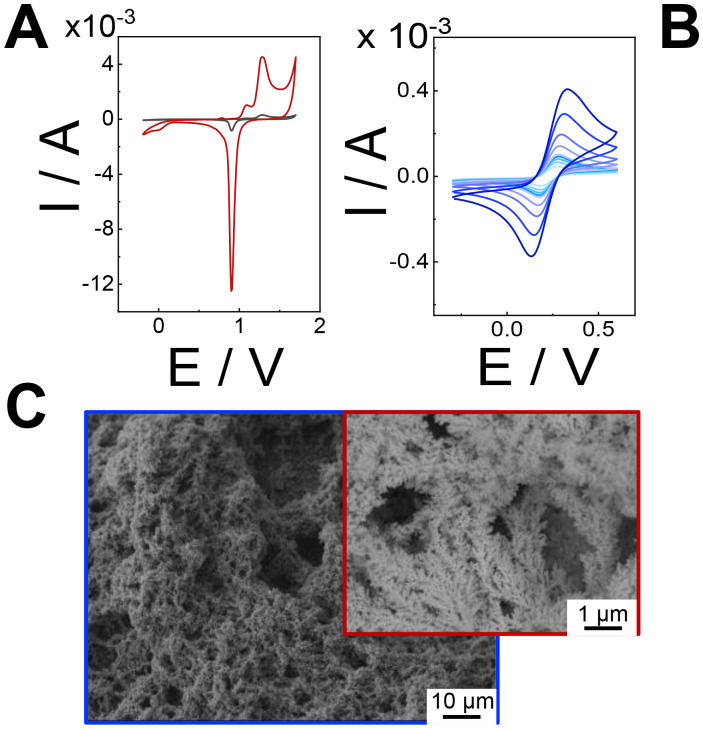 Figure 2
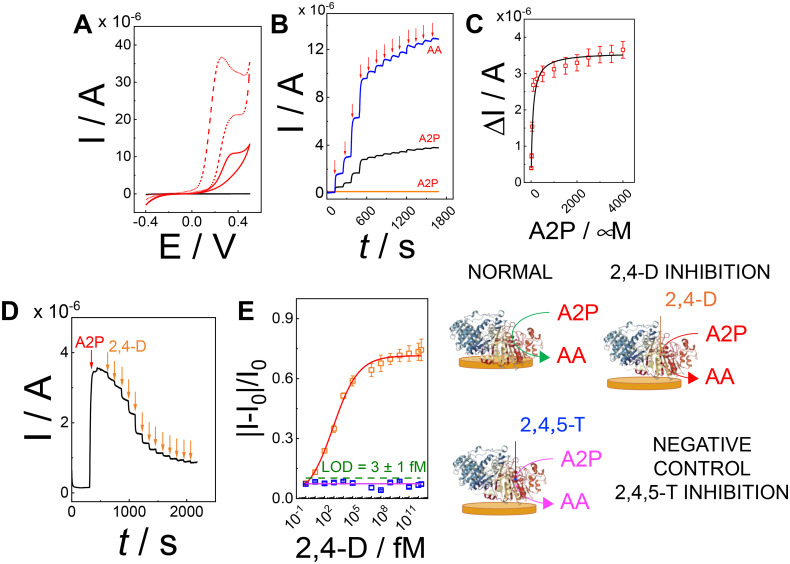 Figure 3
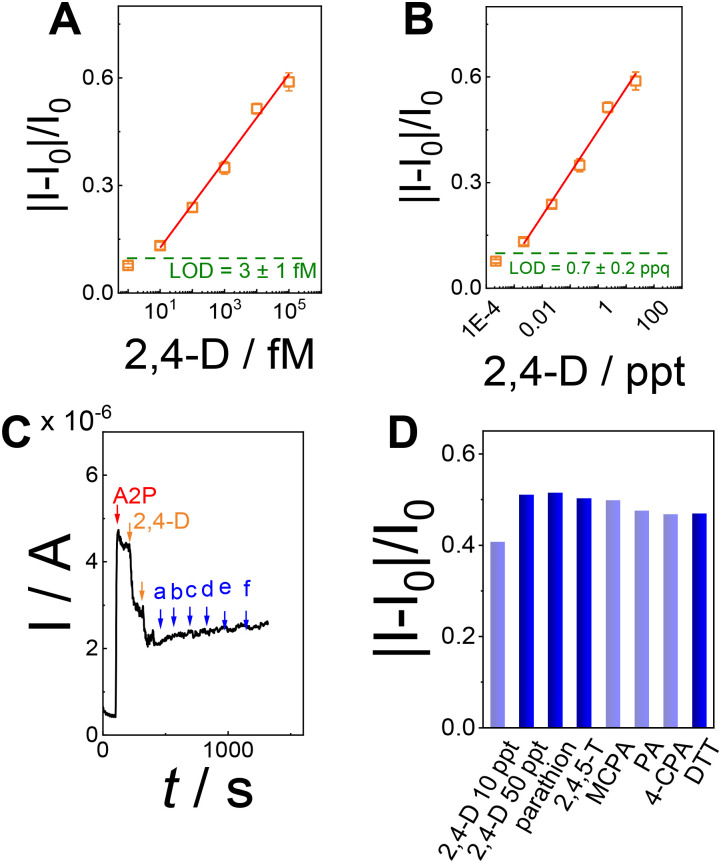 Figure 4
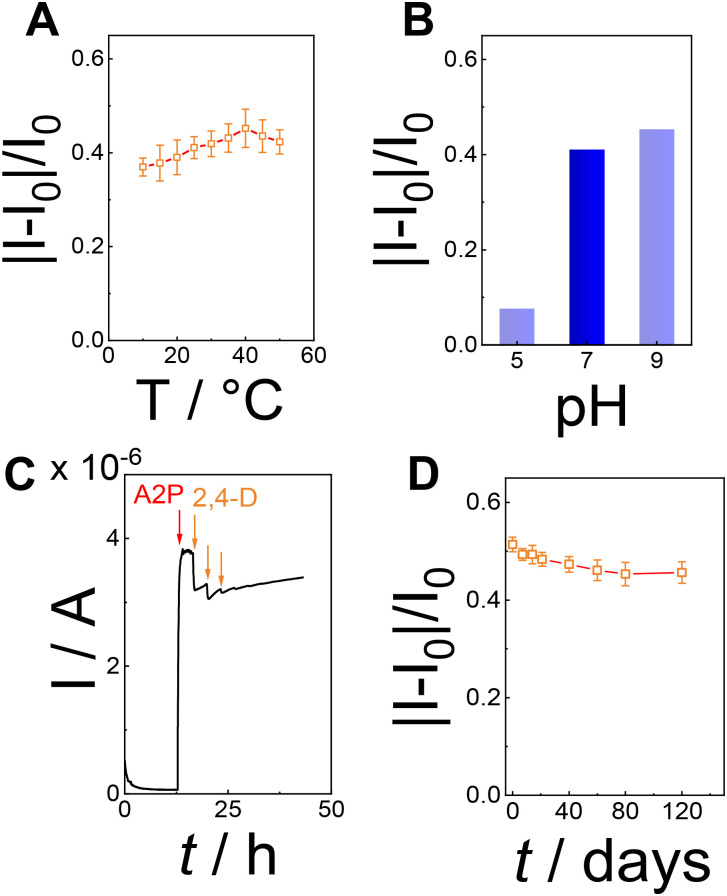 Figure 5
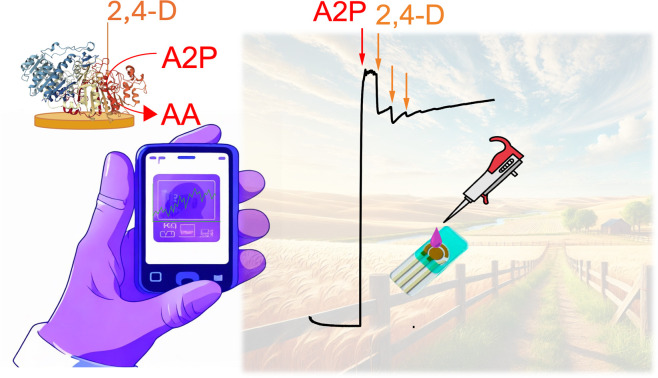 Figure 6
 Figure 7
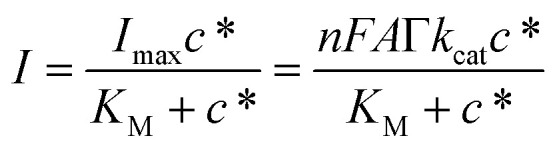 Figure 8
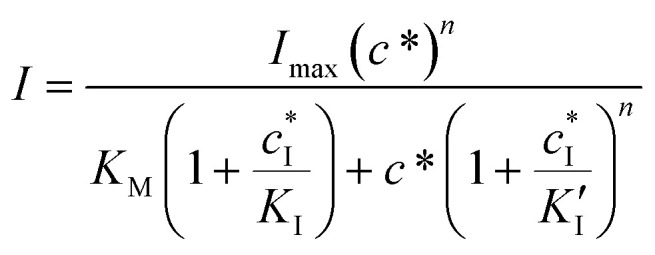 Figure 9
 Figure 10
 Figure 11
 Figure 12
 Figure 13
 Figure 14
Peer Reviews
No public reviews on file for this paper yet. If you reviewed it on a platform where reviews are public (OpenReview, ICLR, NeurIPS, ICML), you can paste yours below so the community can read it here.
Videos
No videos yet. Explain this paper in a talk, walkthrough, or lecture? Add one.
Taxonomy
TopicsElectrochemical sensors and biosensors · Advanced biosensing and bioanalysis techniques · Electrochemical Analysis and Applications