Generation and characterisation of seven induced pluripotent stem cell lines from two patients with Parkinson’s disease carrying the pathological variant c.1087G>T of the LGR4 gene
V.S. Podvysotskaya, E.V. Grigor’eva, A.A. Malakhova, J.M. Minina, Y.V. Vyatkin, E.A. Khabarova, J.A. Rzaev, S.P. Medvedev, L.V. Kovalenko, S.M. Zakian

TL;DR
Scientists created stem cells from Parkinson’s patients with a specific LGR4 gene variant to study its role in the disease.
Contribution
Generated and characterized seven iPSC lines from Parkinson’s patients with the LGR4 c.1087G>T variant for disease modeling.
Findings
Seven iPSC lines were successfully generated from two patients with the LGR4 c.1087G>T variant.
The iPSC lines showed normal pluripotency markers and differentiation potential into three germ layers.
These cells can be used to model dopaminergic neuron differentiation and study the LGR4 variant’s impact.
Abstract
Parkinson’s disease is a neurodegenerative disorder affecting dopaminergic neurons of the substantia nigra pars compacta. The known pathological genetic variants may explain the cause of only 5 % of cases of the disease. In our study, we found two patients with a clinical diagnosis of Parkinson’s disease with the genetic variant c.1087G>T (p.Gly363Cys) of the LGR4 gene. The LGR4 gene encodes the membrane receptor LGR4 (leucine rich repeat containing G protein-coupled receptor 4) associated with the G protein. We hypothesize that the LGR4 gene may be either a direct cause or a risk factor for this disease, since it is one of the main participants of the WNT/β-catenin signalling pathway. This signalling pathway is necessary for the proliferation of neurons during their differentiation, which may lead to Parkinson’s disease. To study the relationship between this genetic variant and…
Genes, proteins, chemicals, diseases, species, mutations and cell lines named across the full text — each resolved to its canonical identifier and authoritative record.
Click any figure to enlarge with its caption.
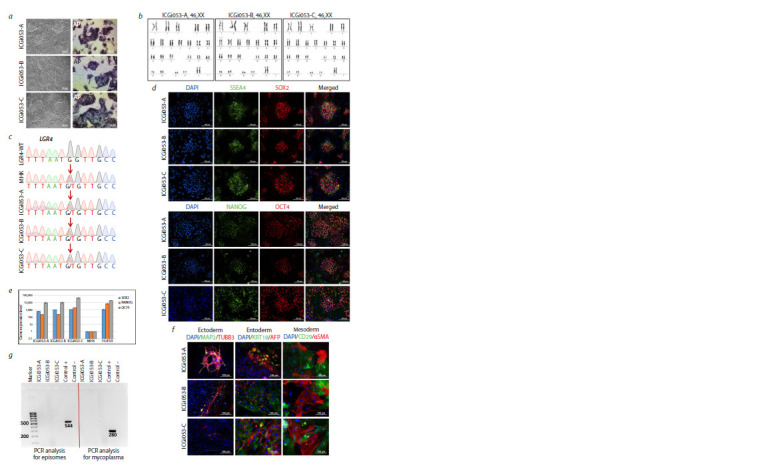 Figure 1
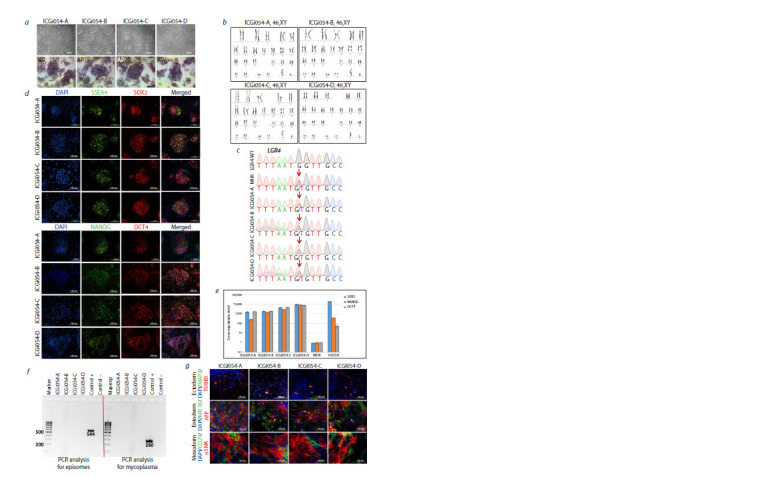 Figure 2
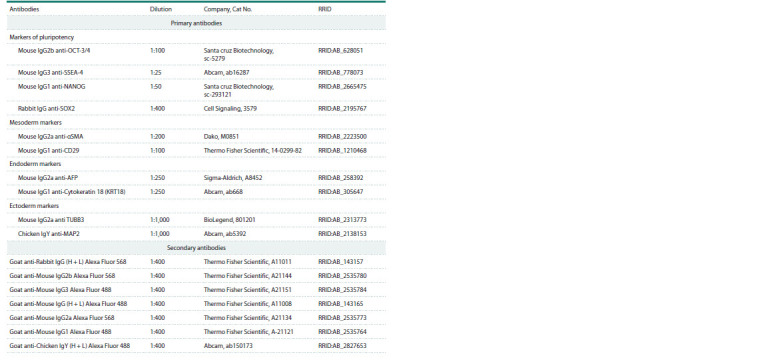 Figure 3
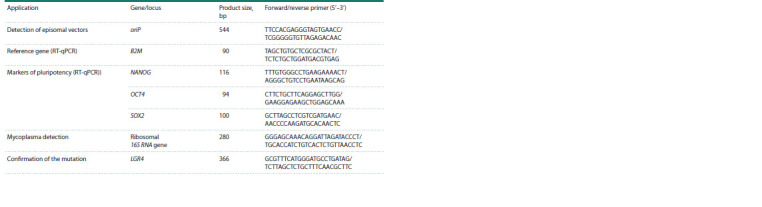 Figure 4
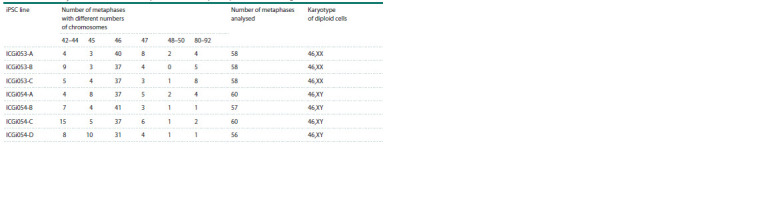 Figure 5
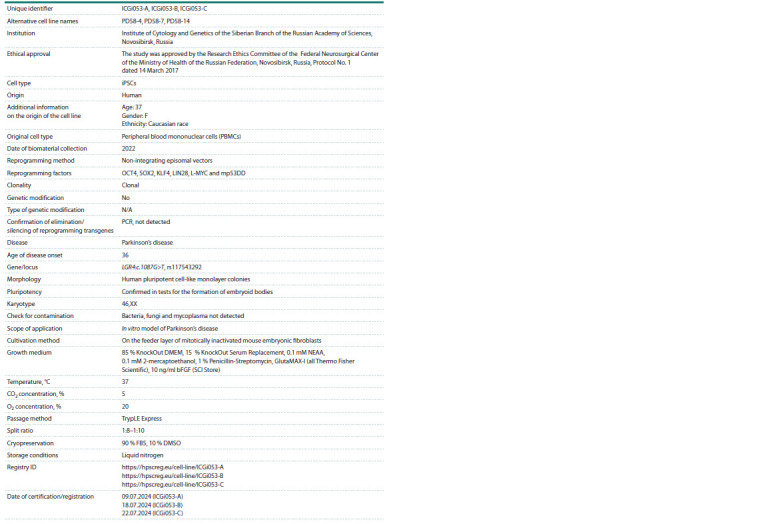 Figure 6
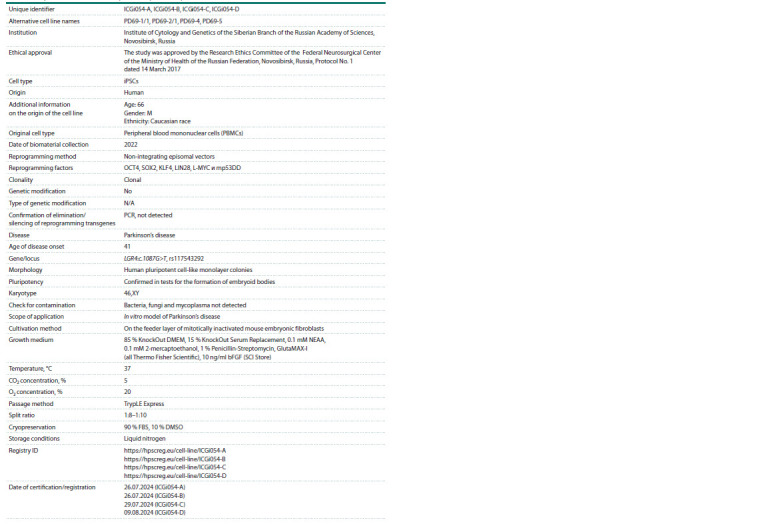 Figure 7
Peer Reviews
No public reviews on file for this paper yet. If you reviewed it on a platform where reviews are public (OpenReview, ICLR, NeurIPS, ICML), you can paste yours below so the community can read it here.
Videos
No videos yet. Explain this paper in a talk, walkthrough, or lecture? Add one.
Taxonomy
TopicsPluripotent Stem Cells Research · Autism Spectrum Disorder Research · CRISPR and Genetic Engineering