Evaluation of Etiological Causes and Incidence of Pancytopenia: A Case Series from a Tertiary Care Center
İlker Çordan, Tufan Tukek

TL;DR
This study identifies vitamin B12 deficiency and hypersplenism as the most common causes of pancytopenia in a Turkish patient group.
Contribution
The study provides region-specific insights into pancytopenia causes in Turkey, emphasizing non-malignant systemic conditions.
Findings
Vitamin B12 deficiency and hypersplenism were the most frequent causes of pancytopenia (20.5%).
Hematological malignancies accounted for 16% of cases, lower than expected in this region.
Abstract
Background and aim Pancytopenia is a clinical condition characterized by the simultaneous reduction of red blood cells, white blood cells, and platelets. It generally arises from conditions associated with bone marrow dysfunction or increased peripheral consumption of blood cells. Understanding the regional etiological models of pancytopenia is of paramount importance for optimizing diagnostic and therapeutic strategies specific to the local population. This study aimed to identify the etiological causes and examine the distribution of incidence rates in patients presenting with pancytopenia in Istanbul and cases referred from across Turkey. Methods This retrospective study was conducted between January 2008 and November 2010 in the general internal medicine clinic of a tertiary care training and research hospital serving a large population. The study included 112 adult patients…
Genes, proteins, chemicals, diseases, species, mutations and cell lines named across the full text — each resolved to its canonical identifier and authoritative record.
Click any figure to enlarge with its caption.
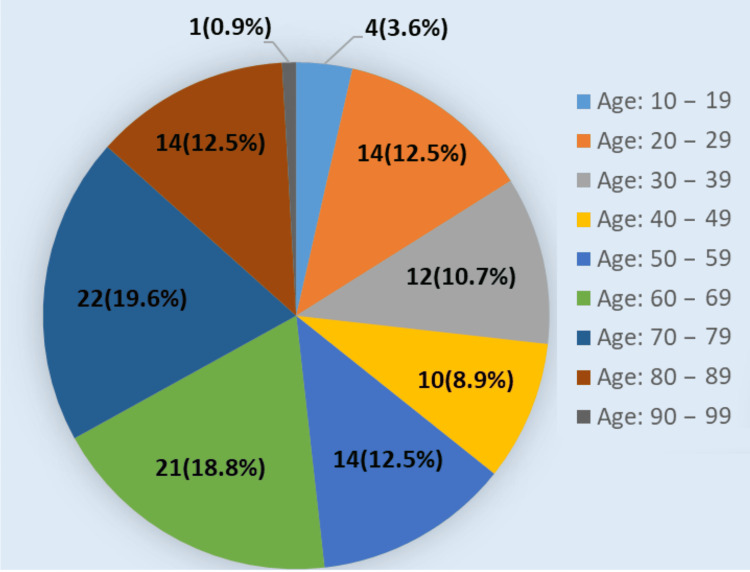 Figure 1
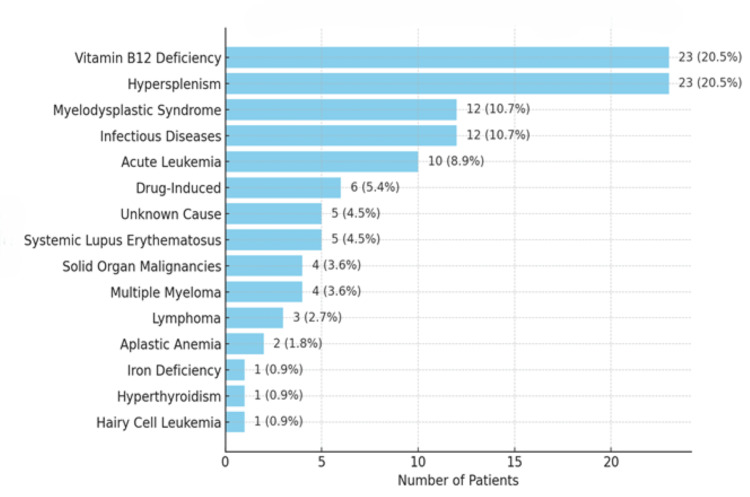 Figure 2
Peer Reviews
No public reviews on file for this paper yet. If you reviewed it on a platform where reviews are public (OpenReview, ICLR, NeurIPS, ICML), you can paste yours below so the community can read it here.
Videos
No videos yet. Explain this paper in a talk, walkthrough, or lecture? Add one.
Taxonomy
TopicsHematological disorders and diagnostics · Autoimmune and Inflammatory Disorders Research · Dermatological and COVID-19 studies