Short internal open reading frames repress the translation of N-terminally truncated proteoforms
Raphael Fettig, Zita Gonda, Niklas Walter, Paul Sallmann, Christiane Thanisch, Markus Winter, Susanne Bauer, Lei Zhang, Greta Linden, Margarethe Litfin, Marina Khamanaeva, Sarah Storm, Christina Münzing, Christelle Etard, Olivier Armant, Olalla Vázquez, Olivier Kassel

TL;DR
Short internal open reading frames can control the production of proteins with missing N-termini by repressing their translation.
Contribution
The study reveals a new regulatory mechanism where internal sORFs repress translation of N-terminally truncated proteoforms.
Findings
nTRIP6 is generated by internal translation initiation and repressed by an upstream sORF.
Translation of nTRIP6 is transiently upregulated during myoblast differentiation via mTORC1.
Internal sORFs upstream of internal AUGs repress translation of N-terminally truncated proteoforms in other mRNAs.
Abstract
Internal translation initiation sites, as revealed by ribosome profiling experiments can potentially drive the translation of many N-terminally truncated proteoforms. We report that internal short open reading frame (sORF) within coding sequences regulate their translation. nTRIP6 represents a short nuclear proteoform of the cytoplasmic protein TRIP6. We have previously reported that nTRIP6 regulates the dynamics of skeletal muscle progenitor differentiation. Here we show that nTRIP6 is generated by translation initiation at an internal AUG after leaky scanning at the canonical TRIP6 AUG. The translation of nTRIP6 is repressed by an internal sORF immediately upstream of the nTRIP6 AUG. Consistent with this representing a more general regulatory feature, we have identified other internal sORFs which repress the translation of N-terminally truncated proteoforms. In an in vitro model of…
Genes, proteins, chemicals, diseases, species, mutations and cell lines named across the full text — each resolved to its canonical identifier and authoritative record.
Click any figure to enlarge with its caption.
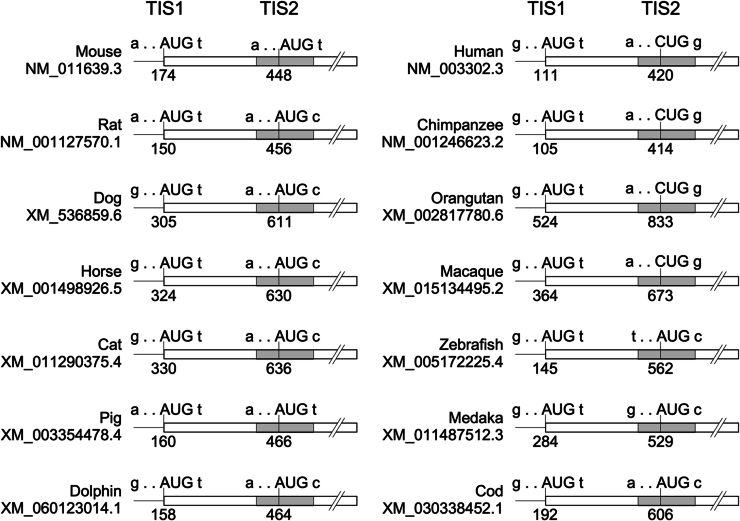 Figure 10
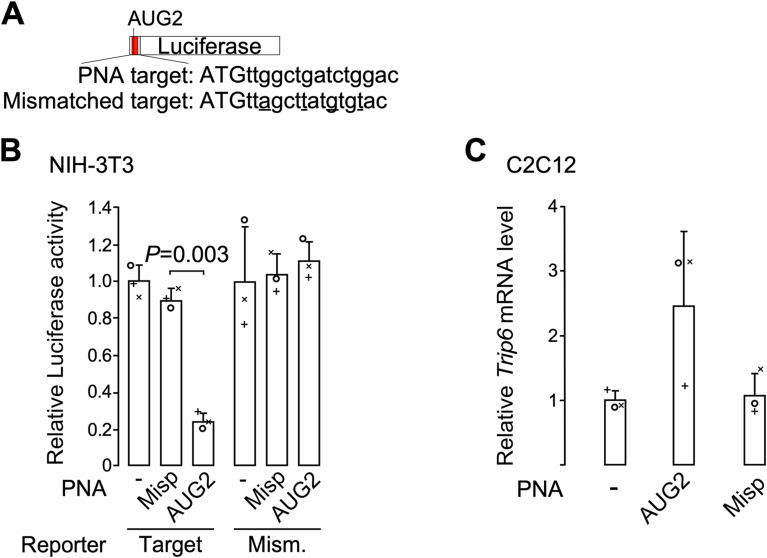 Figure 11
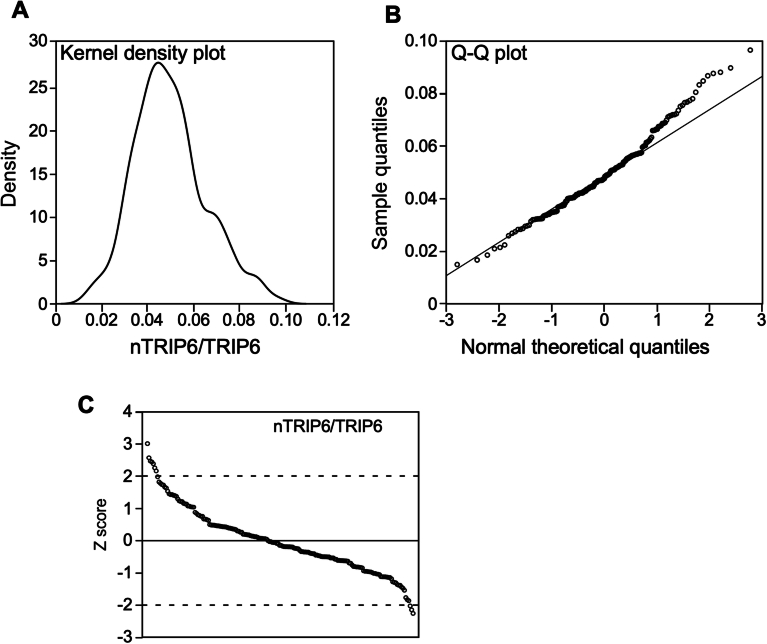 Figure 12
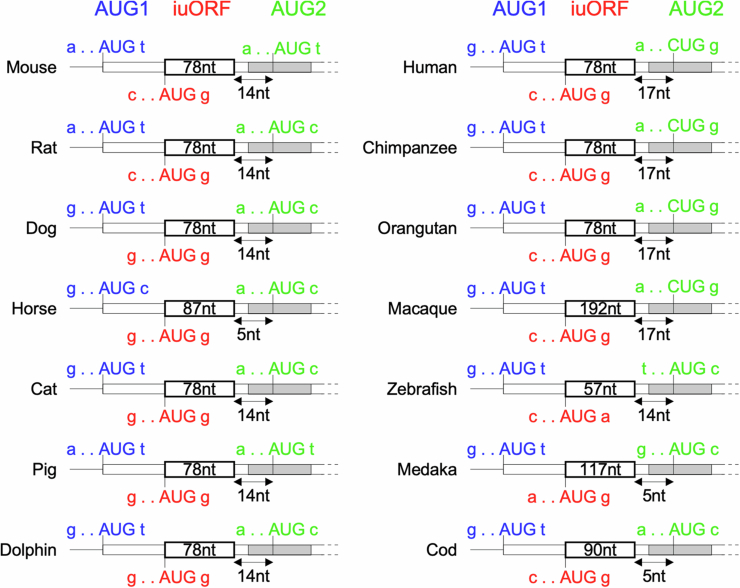 Figure 13
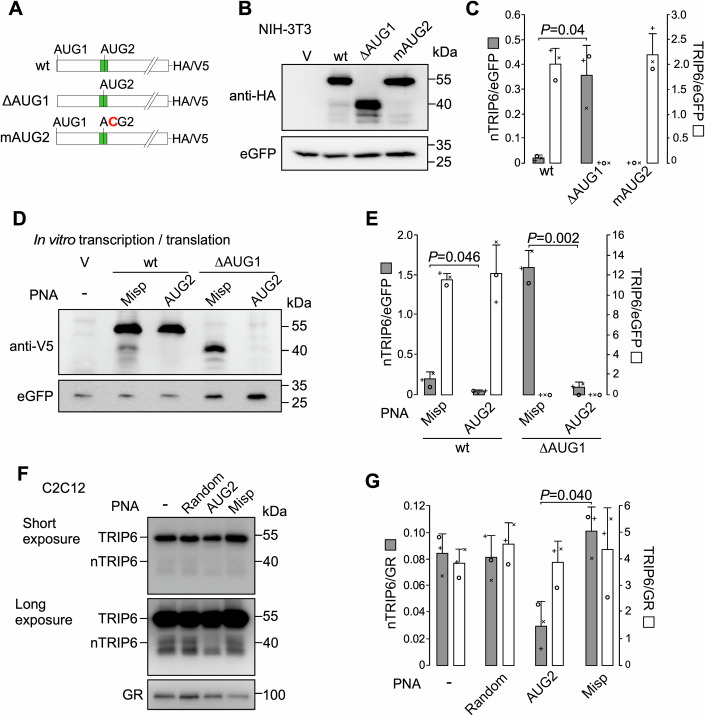 Figure 1
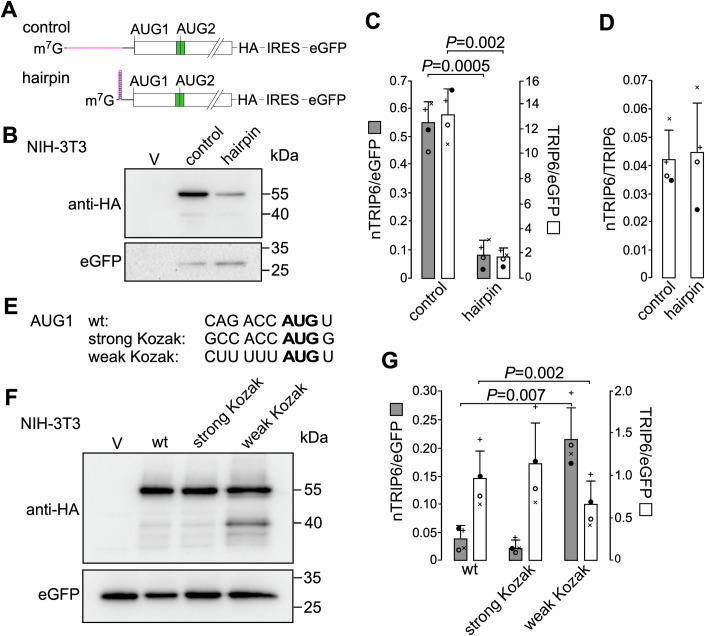 Figure 2
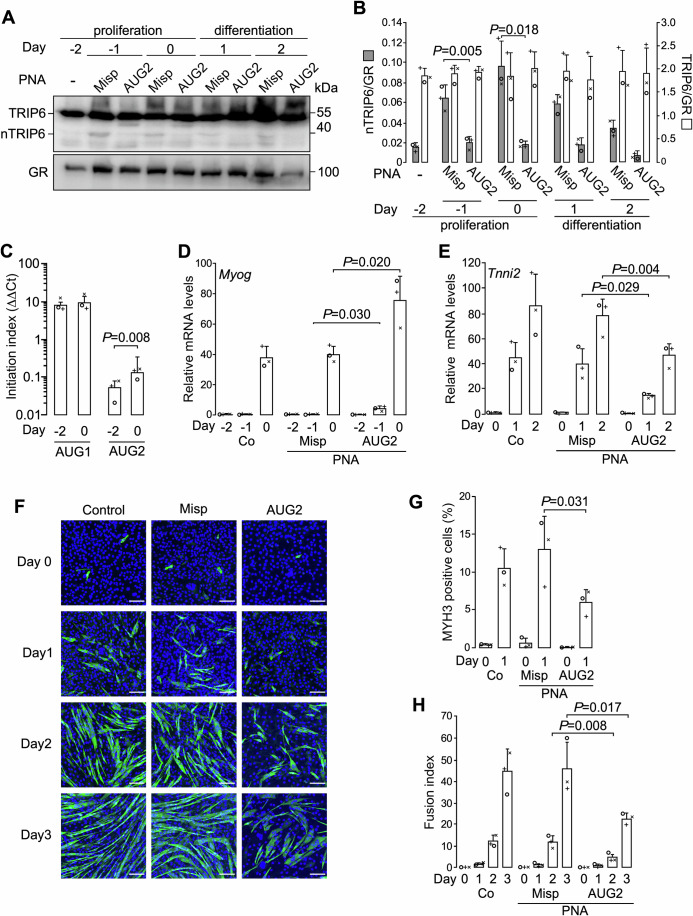 Figure 3
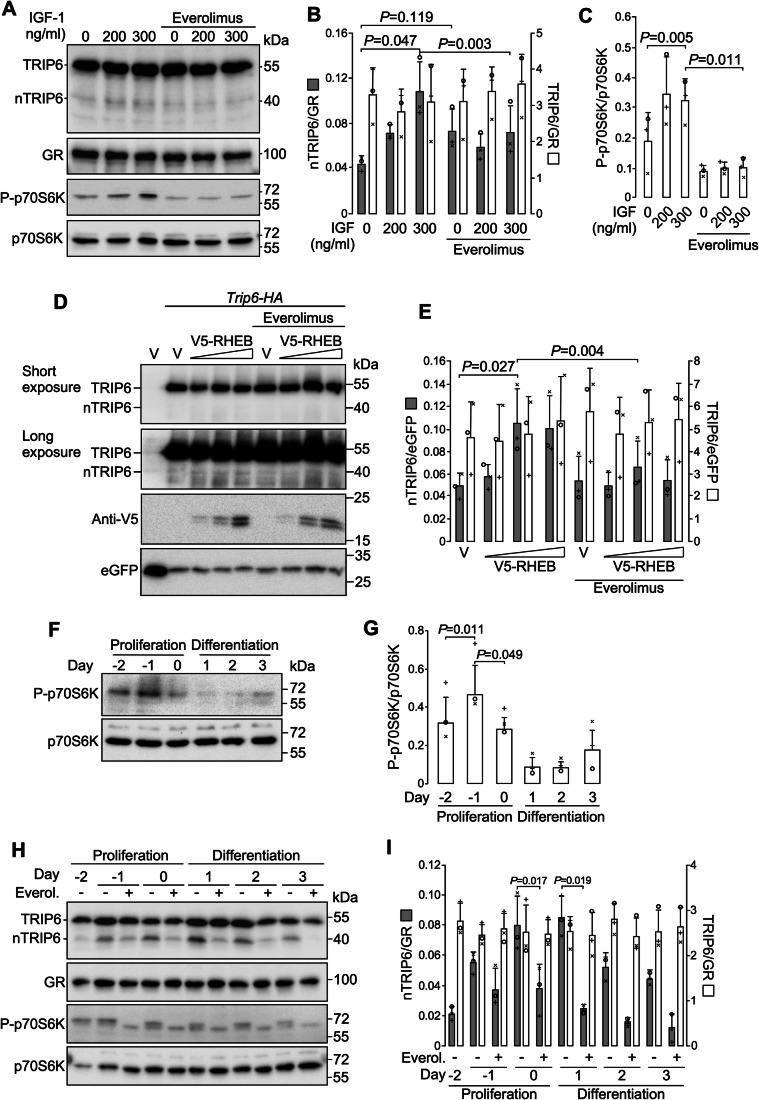 Figure 4
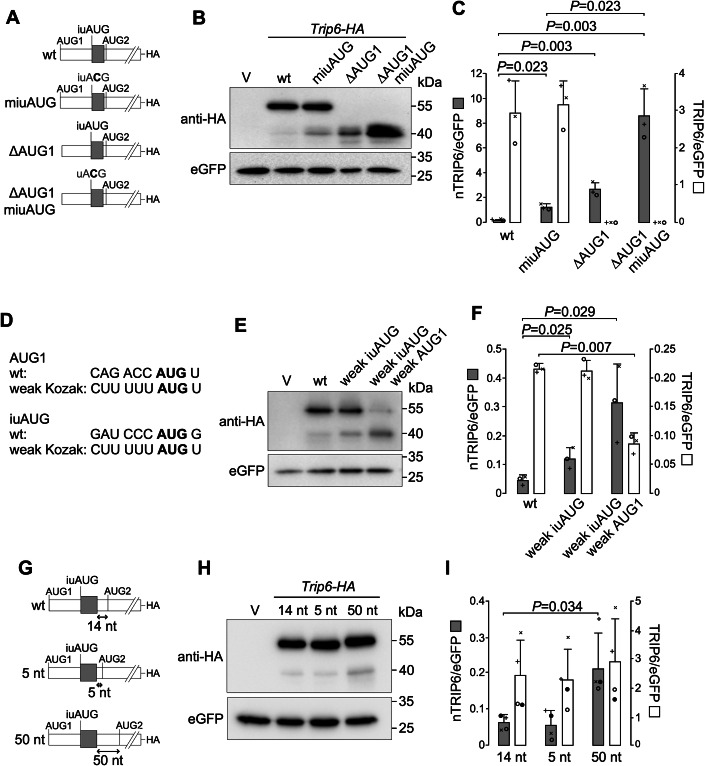 Figure 5
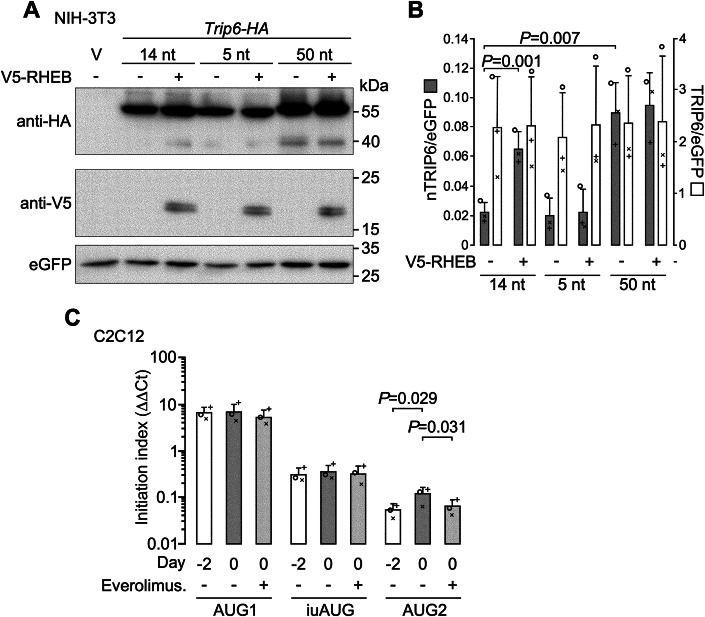 Figure 6
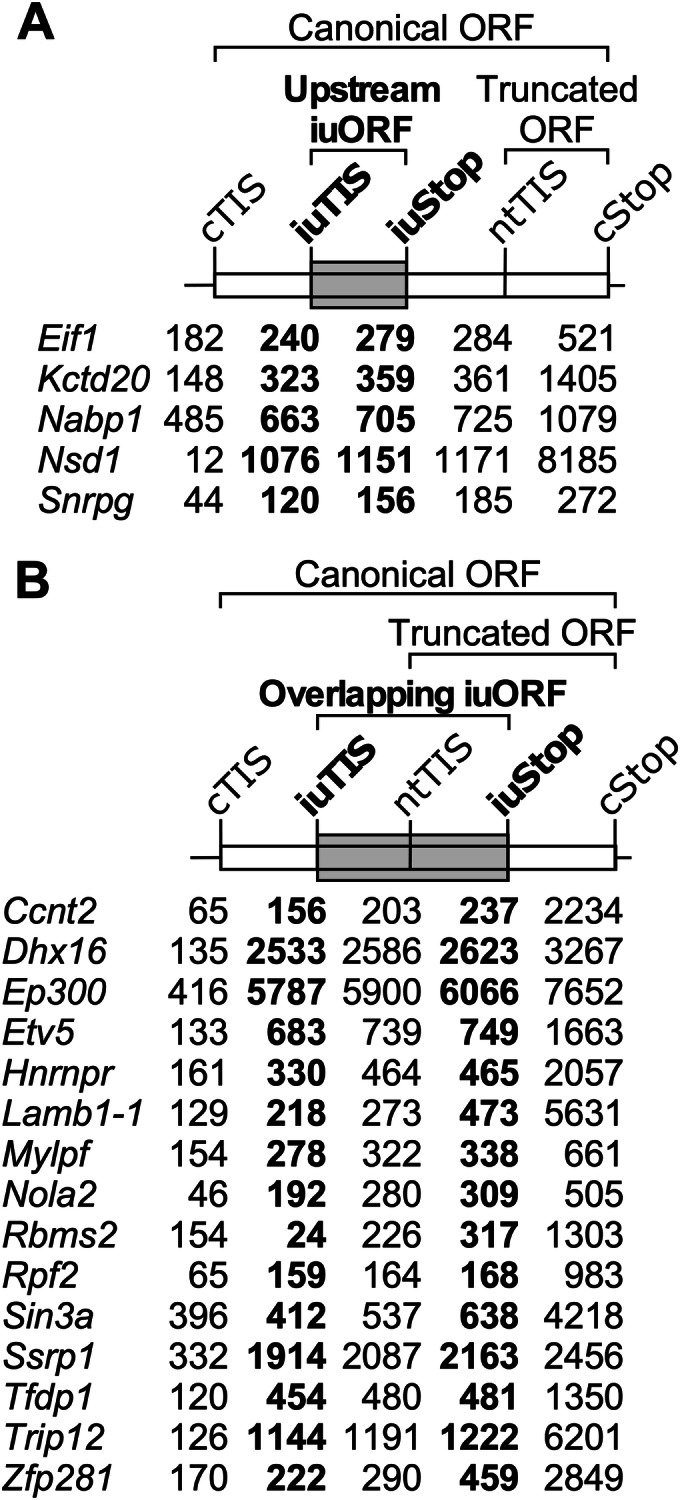 Figure 7
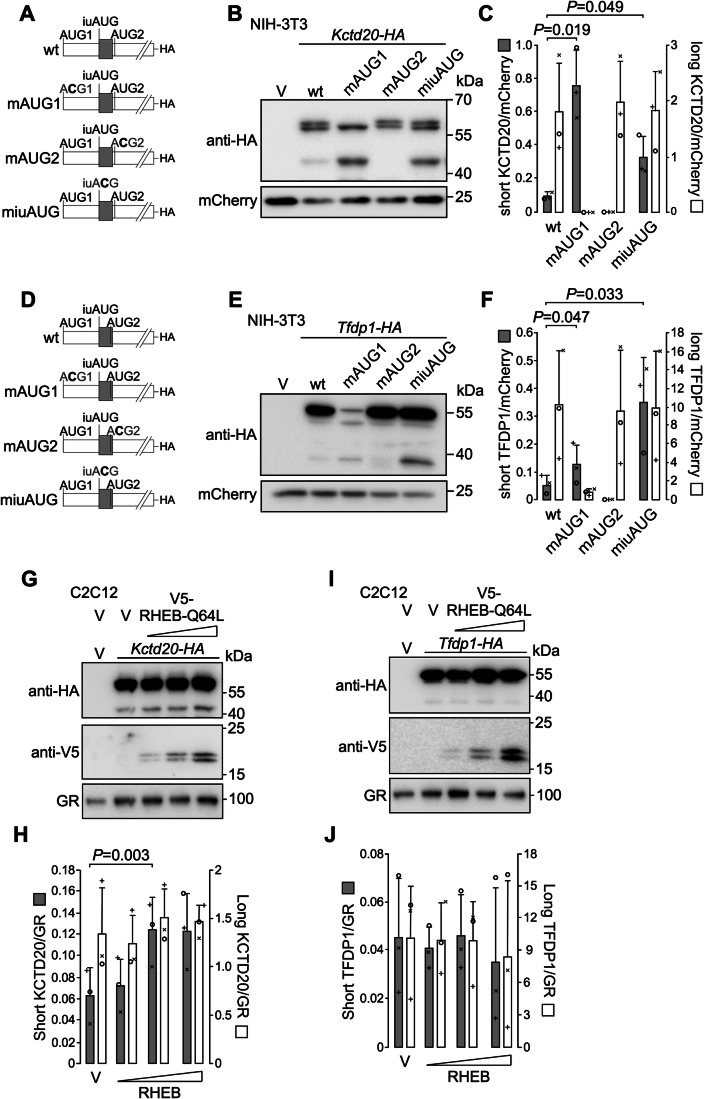 Figure 8
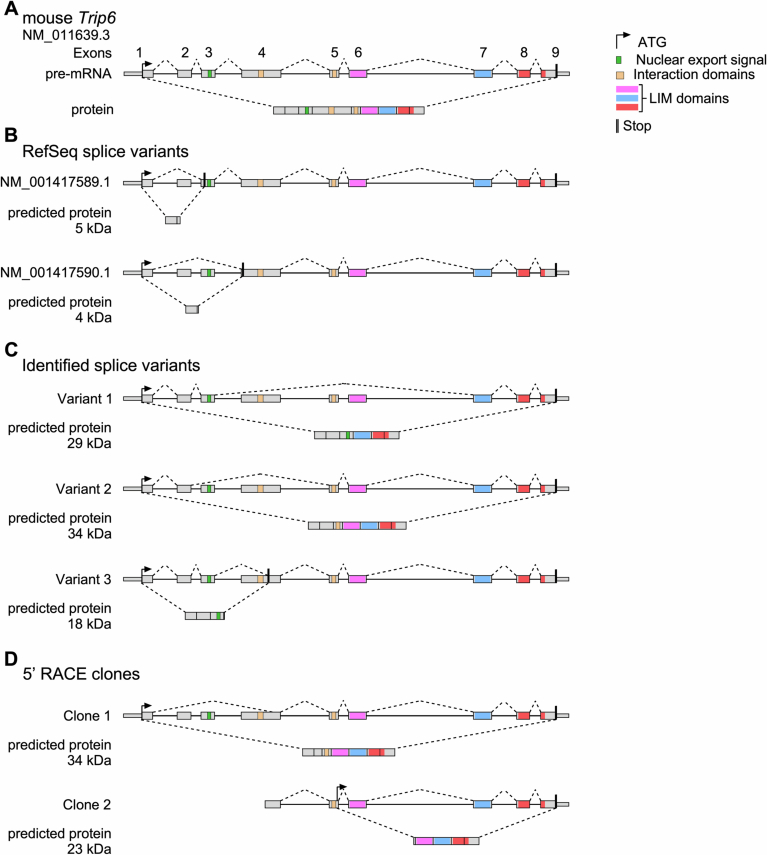 Figure 9
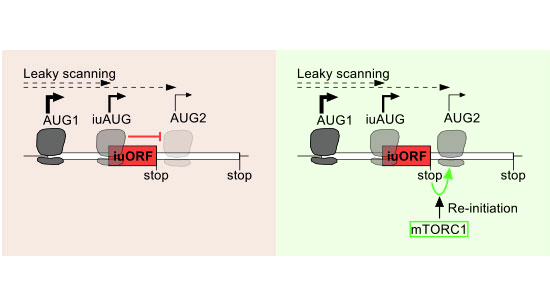 Figure 14
 Figure 15
Peer Reviews
No public reviews on file for this paper yet. If you reviewed it on a platform where reviews are public (OpenReview, ICLR, NeurIPS, ICML), you can paste yours below so the community can read it here.
Videos
No videos yet. Explain this paper in a talk, walkthrough, or lecture? Add one.
Taxonomy
TopicsRNA and protein synthesis mechanisms · RNA Research and Splicing · RNA modifications and cancer